
You pull your favorite joggers out of the laundry, only to find they’ve shrunk—tight around the waist, snug on the legs, and barely fitting over your ankles. It’s frustrating, but it doesn’t mean the end of your go-to loungewear or workout gear. How to stretch joggers pants is a common search for good reason: shrinking happens, especially with cotton, wool, or blended fabrics exposed to heat. The good news? You can often reverse mild to moderate shrinkage at home with simple materials and the right technique. This guide reveals the proven method to safely stretch joggers back toward their original fit—without damaging the fabric. You’ll learn exactly what to do, what to avoid, and how to maximize results based on your fabric type.
No special tools are needed—just lukewarm water, mild detergent, and a flat surface. The key is working with damp, relaxed fibers and applying even tension. Whether your joggers are too tight after a hot wash or you’re trying to revive an old pair, this step-by-step process delivers real improvements in comfort and fit. Let’s get your joggers back in rotation.
Prepare the Stretching Solution
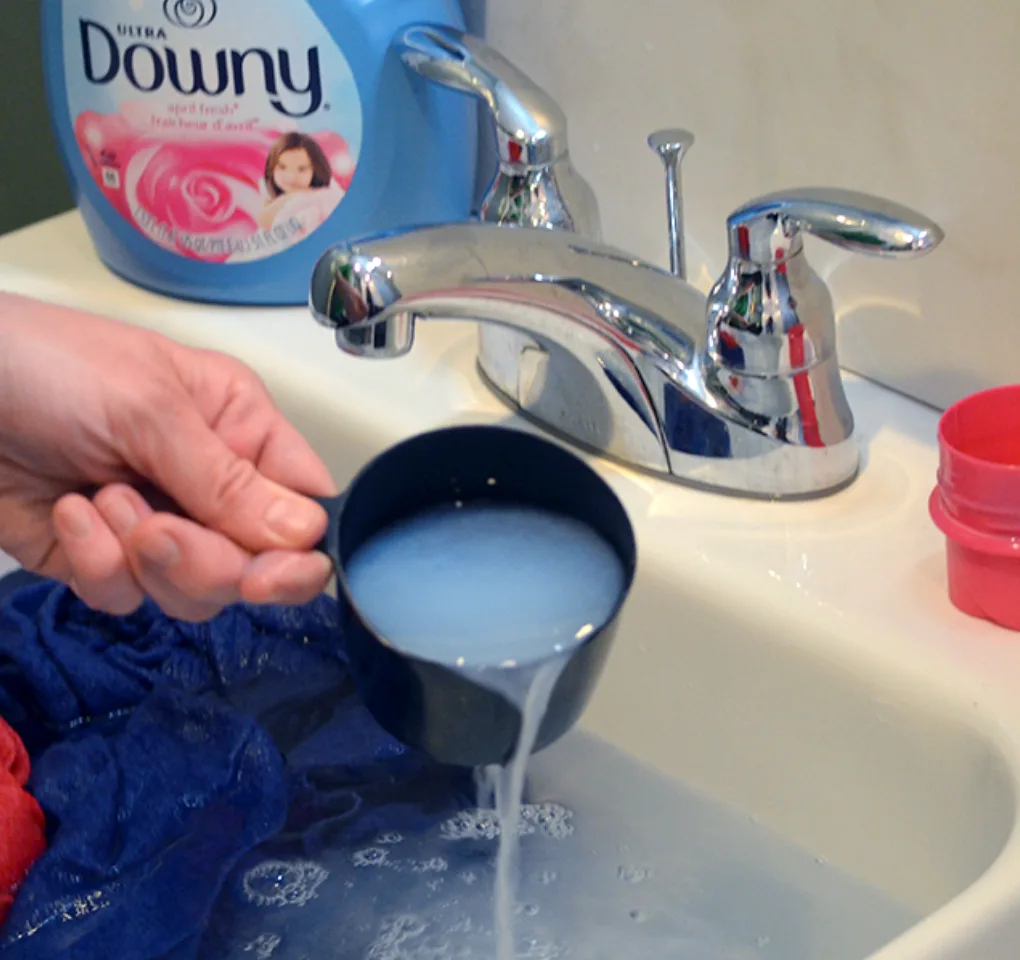
Use Lukewarm Water Only
Fill a clean basin or sink with enough lukewarm water to fully submerge the joggers. Never use hot water—it permanently sets shrinkage in natural fibers like cotton and wool. Warm water helps loosen tightened fibers, while cold water won’t relax them enough. Aim for a temperature similar to a comfortable bath—around 90–100°F (32–38°C).
Add Mild Detergent or Baby Shampoo
Pour in a small amount (1–2 tablespoons) of mild detergent or baby shampoo. These gentle cleansers act as fabric softeners, breaking down tension in the fibers and making them more pliable. Avoid harsh detergents or bleach, which can weaken fabric over time. Swirl the water to mix the solution thoroughly before adding your joggers.
Soak Joggers for 30 Minutes
Submerge Completely
Place the shrunken joggers into the solution, pressing them down so every part is soaked. If the garment floats, gently weigh it down with a clean spoon or non-rusting object. Ensure pockets, seams, and cuffs are fully saturated—dry spots won’t stretch effectively.
Wait 30 Minutes for Fiber Relaxation
Let the joggers soak for 30 minutes. This gives the fibers time to absorb moisture and loosen. Do not exceed 60 minutes, as over-soaking can weaken certain fabrics. During this time, the detergent helps break down stiffness, preparing the material for reshaping.
Remove Water Without Damage

Squeeze Gently—Never Wring
After soaking, lift the joggers and gently press out excess water. Use your hands to squeeze along the legs and waistband, but do not twist or wring the fabric. Twisting can distort the weave and create weak spots, especially in cotton blends.
Lay on a Dry Towel
Place a large, clean towel flat on a counter or table. Lay the damp joggers on top, smoothing them into a rough shape. The towel will absorb residual moisture and provide a non-slip surface for stretching.
Stretch While Damp and Pliable
Focus on Key Problem Areas
With the joggers still damp, begin stretching in the areas that feel tightest:
• Waistband: Pull evenly from both sides to restore circumference
• Legs: Stretch lengthwise (from hip to ankle) and widthwise (around the thigh and calf)
• Cuffs: Gently tug the ankle openings outward and down
Work slowly and symmetrically to avoid uneven stretching or thinning.
Use Hands for Even Tension
Grasp one end of a leg and the other, then pull in opposite directions. Repeat for the other leg and across the waist. Re-shape the joggers frequently as you go, checking for balance. If one side stretches more, compensate by focusing on the tighter side.
Air Dry Flat to Lock in Shape
Keep Away From Heat and Sun
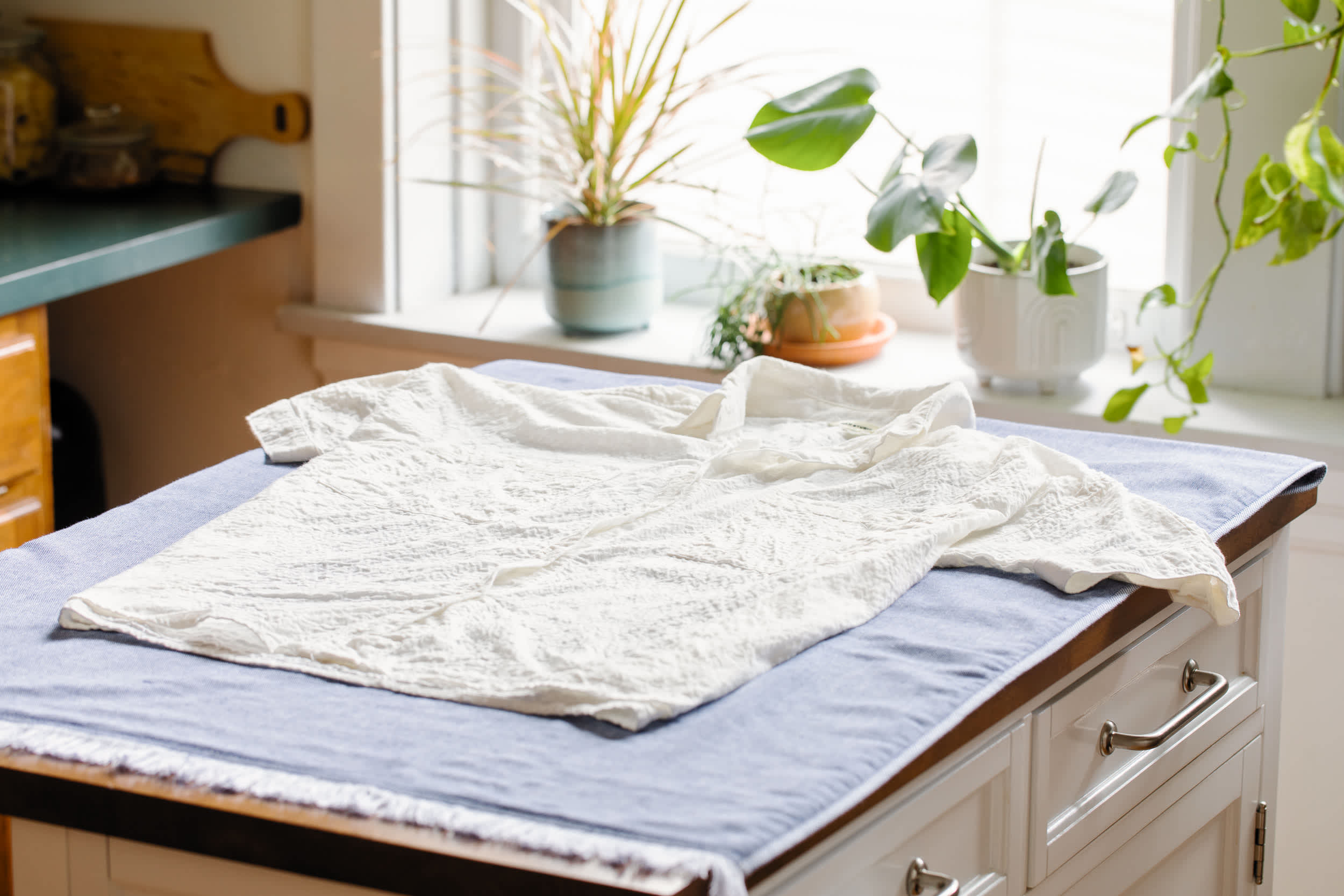
Place the joggers on a dry towel or drying rack in a well-ventilated area. Never use a dryer, radiator, or direct sunlight—heat will re-shrink the fibers and undo your progress. UV rays can also fade colors and weaken fabric over time.
Maintain Stretched Position
As the joggers dry, periodically check and re-stretch any areas that start to retract. For best results, leave them undisturbed in the stretched shape for 12–24 hours. If needed, use small weights (like books or cans) at the cuffs and waist to hold tension during drying.
Choose the Right Fabric for Best Results
Cotton and Wool Respond Best
Natural fibers like cotton and wool have the most give when soaked and stretched. These materials shrink when agitated with heat but can often be coaxed back close to original size using this method.
Synthetics May Resist Stretching
Fabrics like polyester, nylon, or spandex blends respond less predictably. While they may stretch slightly, synthetic fibers are less prone to water-based relaxation. If your joggers are mostly synthetic, results will be limited—but damp stretching can still improve comfort.
Avoid These Common Mistakes
Never Use Hot Water
Hot water locks in shrinkage by tightening fiber bonds. Once set, it’s nearly impossible to reverse. Always use lukewarm or cool water for soaking.
Skip the Dryer Completely
Machine drying—even once—can re-shrink your joggers and ruin the stretching effort. Always air dry flat after treatment.
Don’t Twist or Yank the Fabric
Aggressive pulling or wringing can thin the material or create holes. Stretch gently and evenly to preserve fabric integrity.
Expect Realistic Results
Full Restoration Isn’t Always Possible
If the joggers were severely shrunken or exposed to high heat for long periods, they may not return completely to original size. However, even partial stretching improves comfort and wearability.
Multiple Sessions May Help
For stubborn shrinkage, repeat the process 2–3 times. Each soak-and-stretch cycle can yield incremental improvement, especially in thick or tightly woven fabrics.
Accept Permanent Changes
Some shrinkage is permanent, particularly in low-quality or heavily processed materials. If home methods fail, consider professional tailoring or repurposing the joggers for shorter wear (e.g., cropped style).
Prevent Future Shrinkage
Wash in Cold Water
Always use a cold water cycle when laundering joggers. Cold water minimizes fiber contraction and helps preserve elasticity.
Air Dry Instead of Machine Dry
Hang or lay flat to dry. Tumble drying is the leading cause of shrinkage—avoid it to extend the life and fit of your joggers.
Follow Care Label Instructions
Check the tag for fabric content and washing guidelines. Some blends require special handling, and ignoring labels increases shrink risk.
Try Spot Stretching for Tight Zones

Dampen Specific Areas Only
If only the waistband or cuffs are tight, skip the full soak. Use a spray bottle with lukewarm water and a drop of baby shampoo to dampen just the problem area.
Stretch and Hold in Place
Pull the damp section gently and secure it with clips or weights over a form (like a rolled towel) to maintain shape as it dries. This targeted method saves time and water.
When to Seek Professional Help
For Expensive or Delicate Joggers
High-end or technical fabrics (e.g., merino wool, performance blends) may require professional garment care. Dry cleaners or tailors can apply controlled steam and pressing techniques safely.
If Home Methods Fail
If repeated stretching doesn’t improve fit, a tailor might be able to let out seams or adjust the waistband internally.
For Irreversible Damage
Holes, thinning fabric, or permanent deformation mean it’s time to retire the joggers—or upcycle them into shorts or cleaning rags.
Frequently Asked Questions About How to Stretch Joggers Pants
Can you really stretch shrunken joggers back to size?
Yes, especially if they’re made of cotton or wool. Soaking in lukewarm water with mild detergent relaxes the fibers, allowing you to manually stretch them while damp. Full restoration isn’t guaranteed, but noticeable improvement in fit is common with proper technique.
How long should joggers soak before stretching?
Soak for exactly 30 minutes in lukewarm water with a gentle cleanser. This gives fibers enough time to relax without risking damage from over-soaking. Do not exceed 60 minutes, particularly for blended or delicate fabrics.
Will stretching joggers damage the fabric?
Not if done correctly. Stretch gently and evenly while the fabric is damp. Avoid yanking, twisting, or using heat. Aggressive handling can thin or tear the material, especially in already weakened areas like seams or cuffs.
Can you stretch polyester or spandex joggers?
Results are limited. Synthetic fibers like polyester and spandex don’t respond as well to water-based stretching. You may gain slight comfort, but significant size recovery is unlikely. Focus on prevention by washing in cold water and air drying.
What if my joggers are still too tight after stretching?
Repeat the process 1–2 more times. If no improvement occurs, the shrinkage may be permanent. Consider visiting a tailor for internal adjustments or repurpose the joggers as cropped pants or gym shorts.
How do I prevent my joggers from shrinking again?
Always wash in cold water, avoid the dryer, and air dry flat. Follow the care label instructions closely. For frequent wear, rotate multiple pairs to reduce wear and washing frequency.
Key Takeaways for Stretching Joggers Pants Successfully
You now know how to stretch joggers pants effectively using simple household items and a careful, step-by-step approach. The core principle is working with damp, relaxed fibers—using lukewarm water, mild detergent, and even tension to restore fit. Natural fabrics like cotton and wool respond best, while synthetics offer more limited results.
Remember to avoid heat at every stage: no hot water, no wringing, no dryer. Patience is essential—rushing the drying process ruins your efforts. With proper technique, most shrunken joggers gain noticeable comfort, even if they don’t return to their original size.
To keep your joggers in top shape, always wash in cold water and air dry. For stubborn cases or high-value garments, professional help may be worth it. Now that you’re equipped with this knowledge, you can rescue your favorite pair—and extend the life of your entire jogger collection.


