
Linen pants are a summer favorite—light, breathable, and naturally cool. But if your once-perfect pair starts sagging at the knees or feels loose around the waist after just a few hours of wear, you’re dealing with a common issue: linen pants can stretch out of shape, especially when made from lightweight fabric. One sewer reported her handmade linen pants becoming 2 to 3 sizes too big after minimal use—highlighting how quickly this delicate fabric can lose its structure in hot, humid conditions.
The good news? You can safely stretch linen pants for a better fit or, more importantly, prevent unwanted stretching with the right techniques. This guide covers proven methods from expert sewists, including how to choose the right fabric weight, reinforce stress points, reshape stretched pants, and care for them properly. Whether you’re sewing new pants or fixing old ones, you’ll learn how to keep your linen looking sharp and fitting well all season long.
Choose the Right Linen Weight for Pants
Lightweight Linen Stretches Easily
Lightweight linen drapes beautifully but lacks the strength to hold shape under stress. It’s ideal for blouses or tunics but prone to stretching when used for pants—especially in high-movement areas like the crotch and waist. Without reinforcement, it can stretch significantly during normal wear, particularly in hot climates.
Use Medium or Heavy Linen for Structure
For pants that maintain their shape:
– Medium weight linen works well for tailored shorts and trousers, especially when lined.
– Heavy weight linen is best for jeans-style cuts and structured designs. It resists stretching and supports durable seam techniques like flat-felled seams.
Pro Tip: If your lightweight linen pants have already stretched, consider remaking them in a heavier fabric with built-in support.
Prevent Stretching During Wear
Reinforce High-Stress Seams
The crotch, waistband, and side seams bear the most strain. To prevent stretching:
– Use flat-felled seams (common in denim) to add strength.
– Add men’s wear-style stays—narrow strips of fabric or stay tape sewn into seams—to lock in shape.
– Apply stay stitching immediately after cutting to stabilize curved edges like waistlines.
Interfacing Stops Bias Stretch
Pockets, facings, or waistbands cut on the bias (diagonal grain) stretch easily. Prevent distortion by:
– Interfacing all bias-cut pieces before sewing.
– Using lightweight fusible interfacing to add support without sacrificing drape.
Line or Underline for Support
Underline with Silk Organza
Sandra Betzina’s method (from Power Sewing) uses silk organza as an underlining:
– The organza is fused to the wrong side of the linen.
– Vertical slashes in the waist and crotch allow shaping without distortion.
– Result: The fabric holds its form and resists wrinkling.
Note: This technique requires visual guidance—refer to Betzina’s book for diagrams.
Wear Liner Pants Underneath
Nancy Erikson’s practical fix: wear “pajama pants” made from China silk or lightweight cotton under your linen pair.
– The liner absorbs friction and supports the outer fabric.
– Easily removable and washable—keeps linen clean and intact.
Fix Already-Stretched Linen Pants
Assess the Damage First
Before attempting repairs, check:
– Is the fabric permanently stretched or just misshapen?
– Are seams intact or pulling apart?
– Was the original pattern fitted or loose?
If the fabric is overstretched beyond recovery, remaking the pants may be the only option. But if the structure is sound, resizing is possible.
Reshape with Steam and Pressure
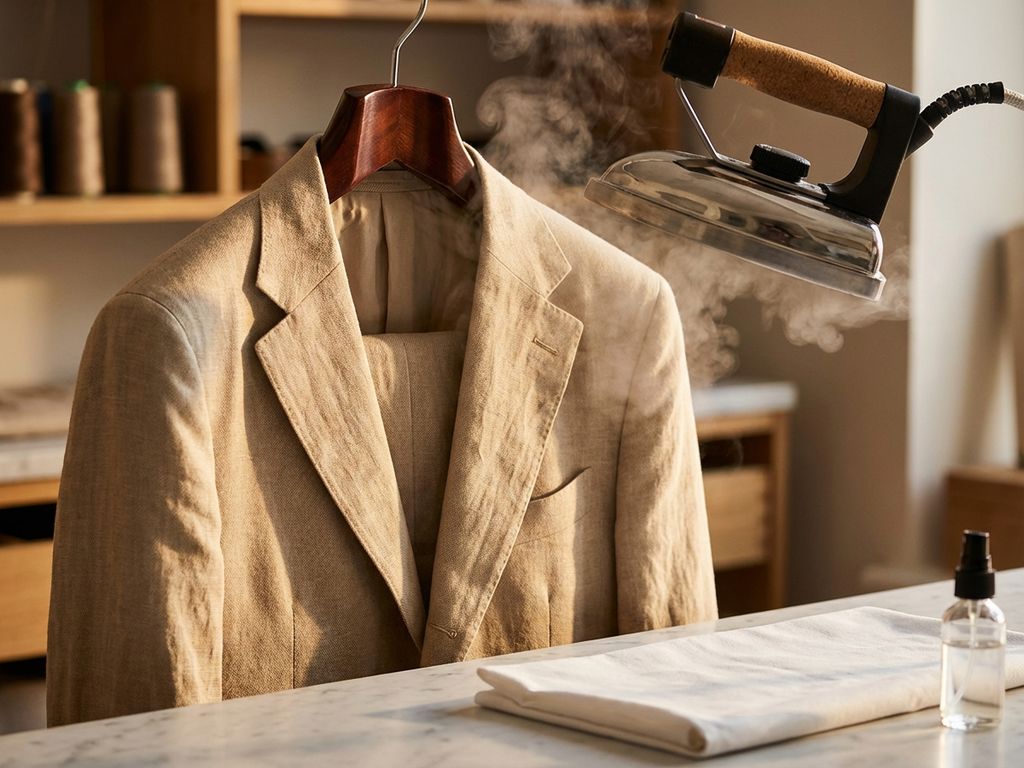
For minor stretching:
1. Dampen the affected area (waist, thighs).
2. Gently pull the fabric into shape.
3. Press with a warm iron and steam, stretching slightly as you go.
4. Let dry completely before wearing.
Warning: Never over-wet or over-stretch—linen fibers can break.
Take In Seams or Waistband
If the pants are too loose:
– Let out side seams if extra fabric exists.
– Take in the waistband by opening the back seam, reducing the circumference, and resewing.
– Use a french seam or flat-felled seam when reassembling for durability.
Wash and Dry Linen Pants Safely

Hand Wash or Gentle Cycle Only
Linen weakens when wet. Always:
– Use cold water and mild detergent.
– Avoid wringing or twisting.
– Lay flat or hang to dry—never use high heat.
Skip the Dryer
Tumble drying causes shrinkage and fiber stress. Instead:
– Roll in a towel to remove excess moisture.
– Reshape while damp.
– Dry away from direct sunlight to prevent fading.
Consequence: Machine drying can permanently distort stretched linen.
Design Choices That Prevent Stretch
Opt for Loose-Fitting Patterns
Fitted patterns increase tension on the fabric, accelerating stretch. Choose:
– Elastic waistbands
– Drawstring closures
– Relaxed silhouettes (wide-leg, palazzo, culottes)
These styles accommodate linen’s natural give and reduce stress on seams.
Add Elastic to the Waist
Sewing elastic directly into the waistband:
– Provides stretch where needed (for comfort).
– Prevents over-pulling during wear.
– Works especially well with lightweight linen.
User Tip: One sewer found that adding elastic transformed her sagging linen pants into a wearable, comfortable fit.
Know When to Accept Linen’s Nature
Embrace the Relaxed Look
Linen is meant to breathe and move. In hot, humid climates (like Arkansas summers), it will:
– Wrinkle
– Stretch slightly
– Feel softer with wear
Instead of fighting it, design for it:
– Choose casual cuts.
– Pair with simple tops.
– Enjoy the lived-in, cool comfort.
Go All-In for Structure
If you want crisp, tailored linen pants:
– Use medium-weight fabric
– Fully line the garment
– Add waist, crotch, and pocket stays
This approach mimics men’s suiting techniques—where the lining, not the outer fabric, takes the wear.
Avoid Common Stretch Mistakes
• Using lightweight linen for fitted pants — this is the #1 cause of overstretched garments
• Skipping stay stitching — curved edges stretch during sewing without it
• Ignoring the weave — loosely woven linen stretches more than tightly woven
• Not reinforcing the crotch — use double stitching, bar tacks, or bound seams
Expert-Backed Fixes That Work
Try Sandra Betzina’s Organza Method
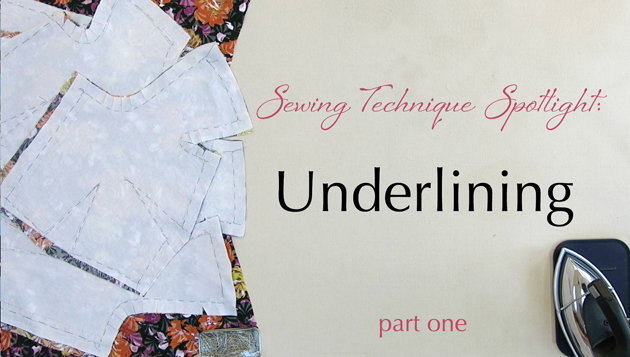
For lightweight linen pants that keep their shape:
– Underline with silk organza
– Use vertical slashing at waist and crotch for shaping
– Rely on the “turn of the cloth” to hide bulk and prevent stretch
User Result: One sewer reported being “amazed at the results” after applying this technique.
Make a Liner Pair (Nancy Erikson’s Tip)
Create separate lining pants from soft, washable fabric:
– Wear underneath unlined linen pants
– Use China silk for a smooth, luxurious feel
– Include elastic or drawstring for adjustability
This protects the linen and reduces stretching from body friction.
Frequently Asked Questions About Stretching Linen Pants
Can you stretch linen pants intentionally for a better fit?
Yes, you can gently stretch linen pants by dampening the area and pulling while pressing with a warm iron. This works best for minor adjustments. Avoid over-stretching, as linen fibers can break when wet.
Why do my linen pants stretch out so quickly?
Lightweight linen, loose weaves, fitted patterns, and lack of reinforcement (like stay stitching or lining) cause rapid stretching. High-stress areas like the crotch and waist are most vulnerable.
How can I shrink or tighten stretched linen pants?
You can’t shrink linen like cotton, but you can take in the seams or waistband. For minor reshaping, use steam and pressure to pull the fabric back into form while drying.
Should I line my linen pants to prevent stretching?
Yes, especially if using lightweight linen. A full lining or underlining (like silk organza) supports the fabric, reduces friction, and helps maintain shape during wear.
Can I use elastic in linen pants for comfort?
Absolutely. Adding elastic to the waistband—especially in loose-fitting styles—improves comfort and prevents over-pulling. It’s a smart solution for lightweight linen that tends to stretch.
Is it safe to put linen pants in the dryer?
No. Tumble drying weakens wet linen fibers and can cause permanent shrinkage or distortion. Always air dry—lay flat or hang—and reshape while damp.
Key Takeaways for Maintaining Linen Pants Fit
• Linen stretches easily, especially when lightweight or worn in hot, humid conditions
• Prevent stretching by using medium or heavy linen, stay stitching, and interfacing bias edges
• Reinforce stress points with flat-felled seams, stays, or lining
• Fix stretched pants by steaming and reshaping or taking in seams
• Always hand wash and air dry to preserve fabric integrity
If your linen pants have lost their shape, don’t give up on them. With the right care and reinforcement, you can restore their fit—or design smarter ones next time. Whether you embrace linen’s relaxed drape or build in full structural support, the key is working with the fabric, not against it.


