
You’ve picked the perfect tuxedo jacket, shined your oxfords, and chosen a crisp dress shirt—but if your tuxedo pants don’t fit right, the whole look falls apart. How should tuxedo pants fit? The answer isn’t just about measurements; it’s about silhouette, movement, and confidence. A well-fitted pair of tuxedo pants should feel like a second skin: snug but never tight, tailored but never restrictive. Whether you’re dressing for a black-tie wedding, prom, or gala, the fit of your pants can make or break your appearance.
Unlike casual trousers or even regular suit pants, tuxedo pants follow stricter rules—no belt loops, precise break, and a clean taper. Getting them right means understanding the nuances of waist placement, seat comfort, and hem length. This guide breaks down exactly how tuxedo pants should fit, section by section, so you can walk into any formal event looking sharp and feeling unstoppable.
Waist at Natural Waistline
Sit Above the Hips, Not on Them
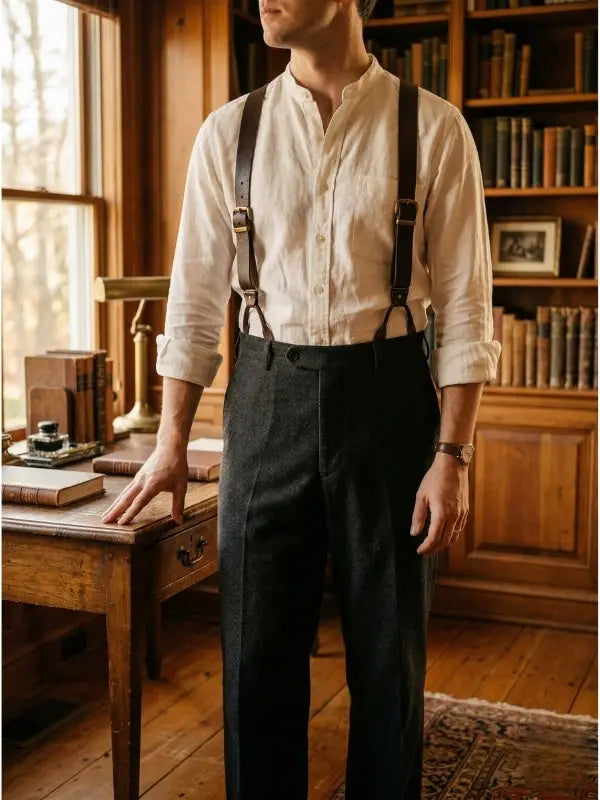
Tuxedo pants must sit at your natural waist, which is typically just above the belly button and below the rib cage. This position elongates your legs and creates a refined, classic silhouette. Avoid styles that ride low on the hips—those are meant for jeans, not formalwear. When properly positioned, the pants should stay in place without constant adjustment.
Designed for Suspenders, Not Belts
One of the defining features of tuxedo pants is the absence of belt loops. They’re built to be worn with suspenders or have built-in waist adjusters. If your pants slip down, don’t reach for a belt—it’s a style misstep. Instead, check the fit. A correct waistband should stay secure on its own, snug enough to hold but loose enough to breathe.
How to Test Waist Fit Accurately
To ensure the waist fits:
– Wear a well-fitted dress shirt tucked in
– Button and zip the pants
– Walk, sit, and move around naturally
If you’re constantly pulling them up, they’re too loose. If the band digs in or restricts breathing, they’re too tight. Two fingers should fit comfortably under the waistband—any more, and they’ll sag; any less, and they’ll pinch.
Seat and Hip Fit: Smooth and Balanced
No Pulling or Wrinkling in the Back
The seat of your tuxedo pants should lie flat against your backside with no pulling, bubbling, or tension. The fabric should skim your shape without clinging or gapping. When you sit, the back shouldn’t ride up excessively or feel strained. A smooth back means a polished look.
Prevent Bulging Back Pockets
If your back pockets flare out like “wings,” the seat is too tight. This is common in slim-fit styles on athletic builds. The solution? Try a classic or regular fit for more room, or have a tailor let out the back seam slightly. Avoid the “wedgie” effect—it’s both uncomfortable and unflattering.
Thighs Should Allow Full Movement
Thighs should be tailored but not tight. The ideal is a soft skim—close to the leg but not restrictive. You should be able to cross your legs, sit comfortably, and even dance without fear of splitting a seam. If fabric bunches or pulls, the cut isn’t right for your build.
Correct Length and Break for Formal Wear
Know Your Inseam Before Buying or Renting
Tuxedo pants often come unhemmed. The inseam—measured from crotch to ankle—determines length. Off-the-rack sizes usually include waist and inseam (e.g., 34×30). If you’re renting or buying online, know your inseam before ordering. Measure from your crotch to the top of your shoe for accuracy.
Choose the Right Break for the Occasion
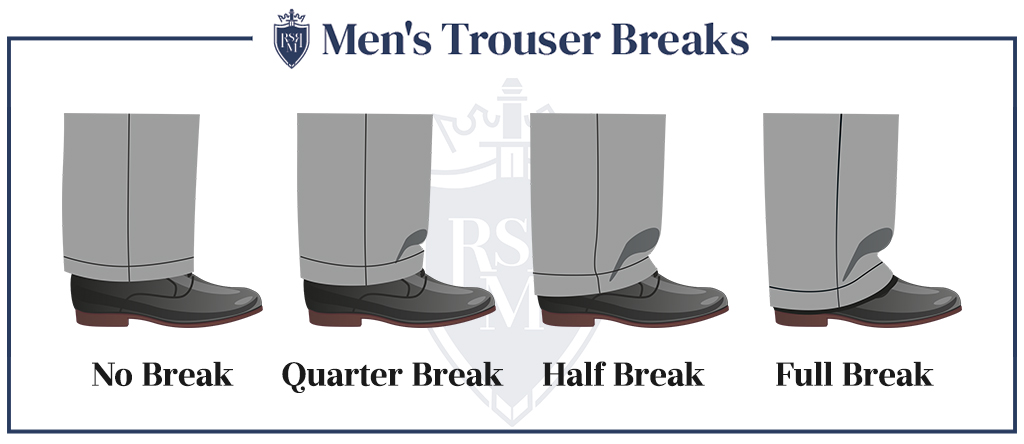
Break refers to how the pant leg folds over your shoe. The four types are:
| Break Type | Appearance | Best For |
|---|---|---|
| No Break | Hem touches shoe, no fold | Modern, fashion-forward looks |
| Slight Break | One small fold (~½ inch) | Classic, versatile |
| Half Break | Visible fold, not excessive | Traditional tuxedo style |
| Full Break | Large fabric bunch | Avoid—looks outdated |
Ideal Break for Tuxedos: Slight or Half
For traditional black-tie events, a slight or half break is ideal. The pant should lightly brush the top of your dress shoes with a subtle fold. Avoid pooling fabric on the ground—it looks sloppy. Also avoid cropped styles unless you’re going for a bold, modern statement.
Sitting Changes the Appearance—Don’t Panic
It’s normal for pants to ride up slightly when sitting. Don’t mistake this for being too short. As long as they settle back into place when standing, the length is correct. The key is comfort in both positions.
Leg Taper and Opening Width

Modern Taper, Not Skinny Fit
Tuxedo pants should have a slight taper from knee to ankle. This means they’re roomier at the thigh and gradually narrow toward the hem. The result? A streamlined, modern silhouette that complements dress shoes without looking nightclub-ready.
Ideal Leg Opening: 15–17 Inches
The leg opening should be narrow enough to avoid excess fabric but wide enough to drape cleanly over shoes. A good rule:
– 15–17 inches at the hem for most builds
– Avoid flared or baggy legs—they ruin the formal look
Slim vs. Straight: Choose Based on Build
- Slim or tapered: Best for short or average height—elongates legs
- Straight leg: Works for taller builds, but still needs a clean drape
Avoid overly tight “skinny” fits—they look more club than ballroom.
Fit Tips for Every Body Type
Athletic Build: Balance Proportions
Opt for slim-fit tuxedo pants with taper. This balances broad thighs and creates a sharp line. Avoid too much room in the seat, which can look boxy. A tailored fit prevents bulk while maintaining comfort.
Broad or Big Build: Prioritize Clean Drape
Choose flat-front, straight-leg pants with a classic fit. They offer comfort and a clean drape. Pleats can add room without looking sloppy. Avoid tight waists or tapered legs that emphasize width.
Slim Build: Add Subtle Volume
Slightly tapered or pleated pants add volume and prevent a drowned look. A single pleat helps fabric fall naturally and creates a more balanced silhouette.
Tall Build: Maximize Drape and Length
Pleated pants work well—they allow more fabric to drape properly. Ensure the inseam is long enough to avoid short hems. A higher waist can also help balance proportions.
Short Build: Create the Illusion of Height
Slim or tapered fits create the illusion of longer legs. Pair with a higher waist and no break for maximum elongation. Avoid wide legs or full breaks that shorten your frame.
Fixing Common Tuxedo Pants Fit Issues
Pants Too Long?
- Own them? Get them hemmed by a tailor
- Renting? Ask the tailor not to cut the fabric—they can fold and pin instead
- Quick fix: Turn pants inside out and fold excess, or use iron-on hem tape
Pants Too Short?
- If more than 2 inches above the shoe, size up
- If close, a tailor can let down the hem (if extra fabric exists)
- Never wear tuxedo pants that expose too much ankle—looks unpolished
Waist Too Loose?
- Use suspenders (standard for tuxedos)
- Use waist adjusters if built-in
- Never wear a belt—tuxedo pants don’t have loops for a reason
Waist Too Tight?
- Little can be done—size up is the only real fix
- Tailors can let out seams slightly, but limited by fabric
Seat Too Tight?
- Switch to classic fit for more room
- Tailor fix: Let out the back seam
- Prevent “wedgie” effect and fabric strain
Renting Tuxedo Pants: Fit Without the Commitment
Measure Before You Rent
Always know your waist and inseam before renting. Use a tape measure:
– Waist: Around natural waist, not hips
– Inseam: From crotch to desired shoe point
Use Try-On Services for Accuracy
Brands like Generation Tux offer free home try-on and virtual consultations. Test the fit in real life before committing. This ensures you’re not guessing based on size charts alone.
Protect Rental Pants During Alterations
When tailoring rented pants:
– Never let them cut the fabric
– Ask for pins or clips to adjust length temporarily
– This preserves the original hem for future use
Frequently Asked Questions About Tuxedo Pants Fit
Should tuxedo pants have a break?
Yes, a slight or half break is ideal for traditional events. The pant should lightly brush the top of your shoe with a subtle fold. For a modern look, go for no break, but avoid full break—it looks outdated.
Can I wear a belt with tuxedo pants?
No. Tuxedo pants don’t have belt loops and are designed to be worn with suspenders or built-in adjusters. Wearing a belt breaks formal dress code rules and looks mismatched.
How high should tuxedo pants sit?
They should sit at your natural waist, just above the belly button and below the rib cage. This creates a longer leg line and a polished, classic silhouette.
What if my tuxedo pants are too tight in the seat?
If the seat pulls or your pockets bulge, the pants are too tight. Try a classic fit or have a tailor let out the back seam. Avoid dancing in them—risk of a seam split is real.
Can I fix tuxedo pants that are too short?
Only if there’s extra fabric in the hem. A tailor can let down the hem slightly. If not, size up is the best option. Avoid wearing pants that show too much ankle.
Do tuxedo pants need to be tapered?
Yes, a slight taper from knee to ankle creates a modern, streamlined look. Avoid straight or flared legs, which look outdated. The taper should be subtle, not extreme.
Key Takeaways for a Perfect Tuxedo Pants Fit
• Waist sits at natural waist—no belt needed, use suspenders
• Seat lies flat—no pulling, bubbling, or bulging pockets
• Length brushes shoe—slight or half break is ideal
• Legs are slightly tapered—clean, modern drape over shoes
• Moves with you—comfortable sitting, walking, and dancing
A well-fitted tuxedo pant enhances your posture, flatters your build, and moves with you—not against you. Whether you’re buying or renting, take the time to measure, test, and adjust. Because when your pants fit right, you don’t just look the part—you own it.


