
Static on pants can turn a polished outfit into a frustrating experience—fabric clinging to your legs, crackling with every step, or attracting lint and pet hair. This common issue is usually caused by dry air, synthetic materials, and friction between your skin and clothing. The good news is you don’t need special products to get rid of static on pants. With everyday household items and simple laundry adjustments, you can eliminate static instantly and prevent it long-term.
This guide delivers fast, science-backed fixes you can use while wearing your pants, pre-dressing tricks, and lasting prevention strategies. From safety pins to humidifiers, you’ll learn exactly how to stop static cling—no guesswork needed.
Instant Fixes for Static Pants
Use these methods when static strikes and you’re already dressed. All are quick, effective, and use items you likely already have.
Pin a Safety Pin Inside the Hem
Attach a metal safety pin to the inside hem or waistband of your pants. Metal naturally conducts electricity, releasing built-up static from the fabric. It’s invisible, lasts all day, and works especially well on polyester, nylon, or rayon blends.
Pro tip: Place the pin near areas where clinging happens most—like the thigh or calf.
Glide a Wire Hanger Over the Fabric
Take a metal coat hanger, straighten it slightly if needed, and gently run it over the surface of your pants—especially the back and legs. The metal discharges static instantly. This is perfect for last-minute fixes before heading out.
Visual cue: You may hear a faint snap or feel the fabric release from your skin.
Lightly Dab or Mist with Water
Moisture neutralizes static electricity. Dampen your fingers or a tissue and lightly dab the clinging areas. For more control, use a spray bottle filled with water and mist from 6–8 inches away. Let the fabric air dry—don’t rub, which can cause stains.
Caution: Avoid soaking delicate fabrics like silk or wool.
Mist the Inside with Hairspray
Turn your pants inside out and give the inner lining a quick 1–2 second spray of hairspray on problem zones. Let it dry completely before wearing. The alcohol and polymers in hairspray break down static charges.
Warning: Use sparingly to avoid sticky residue or discoloration on dark fabrics.
Pre-Wearing Static Solutions
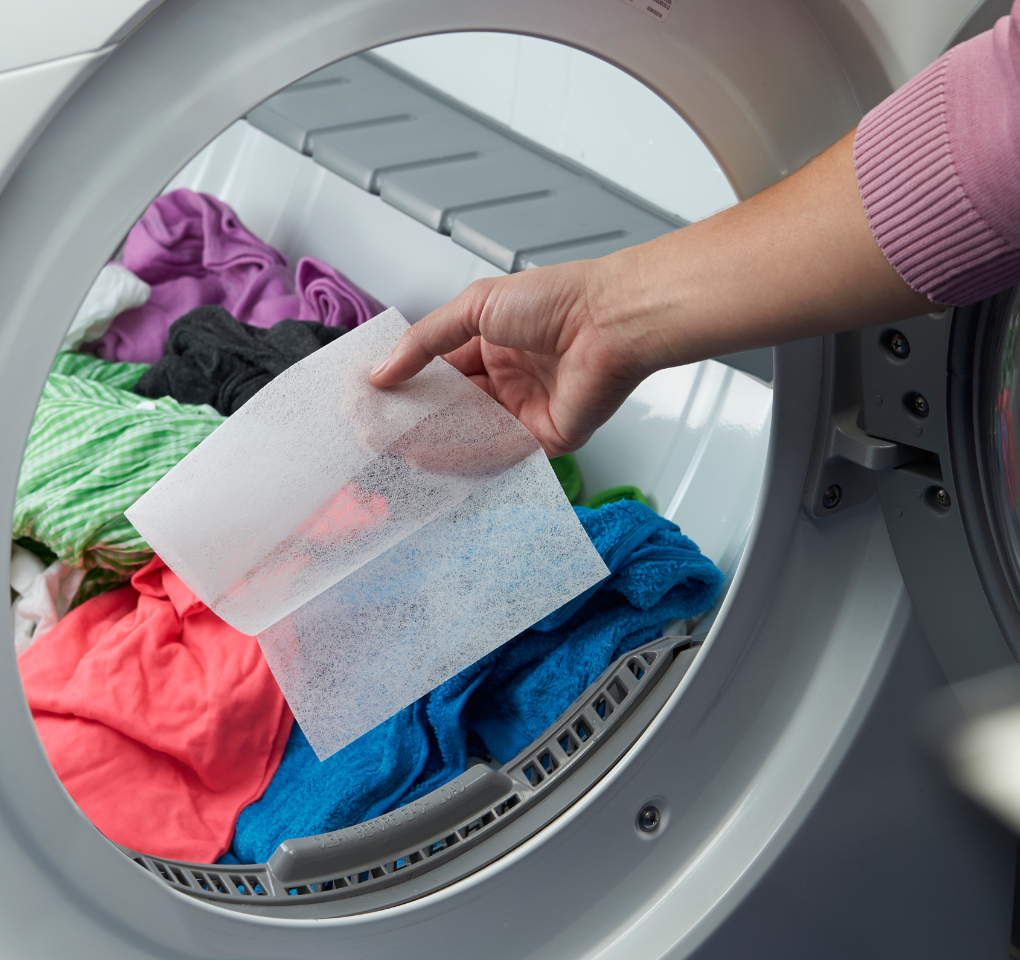
Stop static before it starts by treating your pants before you put them on.
Rub with a Dryer Sheet
Take a fabric softener dryer sheet and gently rub it over the entire surface of your pants. Focus on areas that touch your legs or undergarments. The anti-static coating transfers to the fabric and lasts several hours.
Bonus: Keep used dryer sheets in a drawer—they still have residual effect for touch-ups.
Apply Anti-Static Spray
Use a dedicated anti-static spray for clothes. Hold 6–8 inches from the fabric and apply a light mist. Let dry before wearing. These sprays are safe for delicate materials and won’t stain.
Always test first: Spray a small hidden area (like an inner seam) to check for colorfastness.
Moisturize Your Legs Before Dressing
Dry skin increases friction with fabric—especially in winter. Apply a light lotion to your legs before putting on pants. Hydrated skin reduces static buildup throughout the day.
Best for: Synthetic dress pants, leggings, or when wearing nylon tights.
Prevent Static in the Wash

Stop static at the source by adjusting your laundry routine. These methods tackle dry fibers and chemical residue—the main culprits.
Add White Vinegar to the Rinse Cycle
Pour ½ cup of white vinegar into the rinse cycle when washing static-prone pants. Vinegar softens fibers and removes detergent buildup that contributes to static.
Myth bust: Your clothes won’t smell like vinegar after drying—it fully evaporates.
Switch to a Natural or Mild Detergent
Harsh detergents leave residues that make fabrics more static-prone. Use a plant-based or sensitive-skin detergent labeled “free & clear.” These clean without leaving behind static-inducing chemicals.
Pro tip: If you avoid liquid fabric softeners, vinegar is a great natural alternative.
Toss in Aluminum Foil Balls During Drying
Roll 3–4 tight balls of aluminum foil and add them to the dryer with your pants. They discharge static, reduce lint, and soften clothes. Reusable for up to 6 months.
Why it sometimes fails:
• Foil balls are too loose
• Too few balls used (less than 3)
• Clothes are overdried
• Dryer is too hot
Fix: Use compact balls, run on medium heat, and remove clothes while slightly damp.
Avoid Overdrying Your Pants
Overdrying is a top cause of static. Remove pants from the dryer while they’re slightly damp, then air dry the rest. If using a dryer, choose a lower heat setting.
Time-saving hack: Add a damp washcloth during the last 10 minutes to reintroduce moisture and reduce static.
Use Liquid Fabric Softener in the Wash
Add liquid fabric softener during the wash cycle. It coats fibers to reduce friction and static. Follow the label—too much can leave a greasy residue.
Best for: Cotton-polyester blends and everyday wear pants.
Environmental Fixes That Work
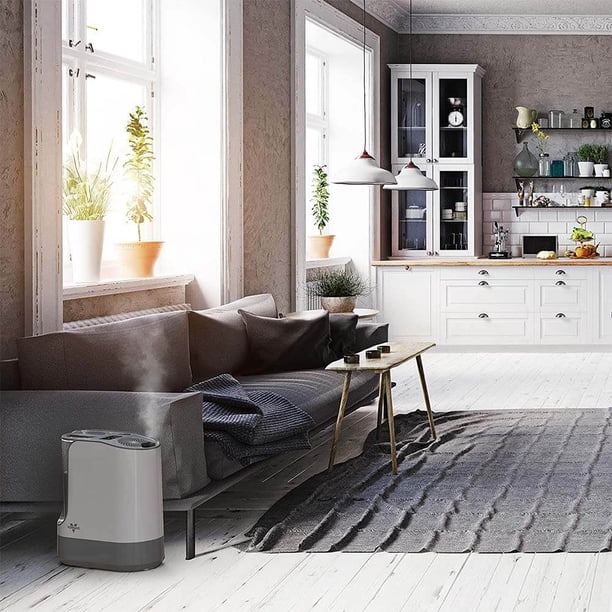
Static isn’t just about your clothes—it’s about your environment. Dry air makes everything worse.
Run a Humidifier in Your Home
Indoor humidity below 40% increases static. Use a humidifier in your bedroom or closet to maintain levels between 40–60%. This reduces static on clothes, hair, and furniture.
Bonus: Helps prevent dry skin and respiratory issues in winter.
Store Pants on Metal Hangers
Hang pants on metal hangers instead of plastic or wood. Metal continuously dissipates static charges—especially helpful for synthetic fabrics.
Caution: Avoid sharp-edged hangers that could snag delicate weaves.
Fabric-Specific Static Solutions
Different fabrics need different care. Match your method to your material.
Synthetic Pants (Polyester, Nylon, Rayon)
These are the worst offenders for static. Use a combination of methods:
• Vinegar in wash
• Dryer sheet in dryer
• Anti-static spray before wearing
• Skin moisturizer underneath
Avoid: Overdrying and harsh detergents.
Cotton or Linen Pants
Less prone to static, but can still build charge in dry conditions. Use:
• Water misting
• Humidifier
• Occasional vinegar rinse
Safe for: All water-based fixes.
Delicate Fabrics (Silk, Wool)
Handle with care. Use only gentle methods:
• Light dryer sheet rub (test first)
• Metal hanger discharge
• Humidifier in storage area
• Avoid water, hairspray, or strong sprays
Always check care label before applying any treatment.
Troubleshoot When Static Won’t Go Away
If common fixes fail, the root cause may be deeper than surface-level static.
Why Aluminum Foil Balls Don’t Work
Some users report no results. Common reasons:
• Too few balls (use 3–4)
• Loose or flat foil (must be tightly crumpled)
• Overdrying (biggest culprit)
• Dryer type (vented vs. condenser models behave differently)
• Fabric blend (100% synthetic may need stronger treatment)
Fix: Combine vinegar rinse + dryer sheet + remove before fully dry.
When to Try Stronger Solutions
If home remedies fail:
• Use a professional anti-static spray (like Static Guard)
• Try a garment steamer—steam adds moisture and removes static
• Switch to air drying for high-static items
• Consult the care label for manufacturer-specific advice
Seasonal Static Tips
Adjust your approach based on the weather and humidity.
Winter Static Control
Heated indoor air is extremely dry—prime for static.
• Moisturize skin daily
• Use humidifier at night
• Pre-treat pants with anti-static spray
• Wear natural fiber layers underneath
Spring Transition Fixes
Fluctuating humidity causes unexpected static.
• Keep a travel dryer sheet in your bag
• Use a mini spray bottle with water
• Store work pants on metal hangers
Dry Climate Management
In arid regions, static is constant.
• Humidify your home year-round
• Wash with vinegar every time
• Moisturize before dressing every day
• Avoid 100% synthetic pants when possible
Frequently Asked Questions About Static on Pants
Why do my pants keep getting static?
Static builds up due to dry air, synthetic fabrics, and friction. Overdrying in the dryer and using harsh detergents also contribute. The combination of dry skin and low humidity—especially in winter—makes the problem worse.
Does vinegar really stop static in laundry?
Yes. Adding ½ cup of white vinegar to the rinse cycle softens fibers and removes detergent residue that increases static. It’s safe for most fabrics and leaves no odor after drying.
Can I use hairspray to stop static on clothes?
Yes, but carefully. Turn pants inside out and lightly mist the inner lining with hairspray. Let dry completely. Avoid overuse, which can leave residue or discolor dark fabrics.
How do I stop static without using chemicals?
Use natural methods like a safety pin, metal hanger, water mist, or aluminum foil balls in the dryer. Moisturize your skin, use a humidifier, and wash with vinegar instead of chemical softeners.
Are metal hangers better for preventing static?
Yes. Metal hangers help dissipate static charges from fabric over time, especially synthetic pants. They’re more effective than plastic or wood hangers. Just ensure they’re smooth to avoid snagging delicate fabrics.
What’s the fastest way to remove static while wearing pants?
The safety pin method is the fastest and longest-lasting. Alternatively, glide a wire hanger over the fabric or lightly mist with water for instant relief.
Key Takeaways for Eliminating Static on Pants
Static on pants is preventable with the right habits. The most effective approach combines instant fixes, laundry adjustments, and environmental control. Use a safety pin or metal hanger for on-the-go relief, treat your laundry with vinegar and foil balls, and maintain indoor humidity between 40–60%.
For lasting results, moisturize your skin, store synthetic pants on metal hangers, and avoid overdrying. Keep a “static kit” in your bag or car with a dryer sheet, safety pin, and mini spray bottle. With these strategies, you can get rid of static on pants—and keep them that way.


