
You’re on a trail, fixing your bike, or walking along the shore when you spot it—a stubborn smear of tar on your pants. Whether it’s pine pitch, beach tar, or roofing adhesive, one thing’s clear: this oily stain won’t vanish with water. Tar clings aggressively to fabric, and if treated incorrectly, it can become permanent. But don’t give up on your favorite pair yet. With the right method, you can safely remove tar from cotton, denim, polyester, and more—without damaging the material.
The key lies in acting quickly, avoiding heat at all costs, and using the correct solvent for your fabric type. This guide delivers a step-by-step, proven process to eliminate tar using household items and smart techniques. You’ll learn how freezing makes removal easier, why blotting beats scrubbing, and when to skip DIY and call a pro. Let’s get that stain gone—safely and effectively.
Freeze and Scrape the Tar
Harden Tar in the Freezer
Start by freezing the stained area for 15–30 minutes. Cold temperatures turn sticky tar brittle, making it far easier to remove without pushing it deeper into the fibers. This is especially effective for fresh pine tar, beach tar, or pitch stains.
Lay the pants flat in the freezer, focusing only on the stained section. Wrap the rest in plastic to avoid moisture exposure. Never place ice directly on the fabric—use a zip-top bag or plastic wrap to protect the material from dampness.
Scrape Off Solidified Tar
Once the tar is hardened, gently scrape it off using a spoon, dull knife, or old credit card. Hold the fabric taut and work from the edge of the stain toward the center to prevent spreading.
Apply light pressure—never gouge or dig—especially on delicate fabrics like wool or thin synthetics. For sturdy materials like denim or canvas, you can be slightly firmer, but always prioritize gentle removal. This step eliminates the bulk of the tar before chemical treatment, reducing the need for harsh solvents.
Apply Grease-Fighting Dish Soap

Use Dawn or Similar Dish Soap
After scraping, apply a grease-cutting dish soap like Dawn directly to the remaining residue. These soaps break down oils, which is exactly what tar is made of. Use a small amount and gently work it into the fabric with your fingers or a soft-bristled brush.
Let it sit for 5–10 minutes to penetrate the fibers. This pre-treatment softens any leftover tar and prepares the area for deeper cleaning. Dish soap is safe for most fabrics when used correctly and is a crucial step before moving to stronger solvents.
Rinse and Evaluate
Rinse the area with cool water and inspect the stain. If it’s faded or gone, proceed to washing. If residue remains, do not dry the pants—heat will set the stain permanently.
This method works best on fresh stains and natural fibers like cotton. For older or stubborn tar, especially on synthetic fabrics, move to solvent treatment.
Use the Right Solvent for Fabric Type
Remove Tar from Cotton with Alcohol
For cotton, denim, or other natural fibers, rubbing alcohol (isopropyl alcohol) is highly effective. First, test for colorfastness on an inside seam. Dab a small amount on a cotton ball, press it to a hidden area, wait 10 minutes, and check for fading.
If safe, gently blot the stain with alcohol-soaked cotton. Replace the cotton ball as it picks up tar. Repeat until no more transfers. Alcohol dissolves oil and evaporates quickly, leaving no greasy residue—ideal for jeans or chinos.
Treat Polyester with Acetone
Synthetic fabrics like polyester and nylon require acetone (common in nail polish remover). But caution is essential—acetone can weaken or discolor synthetics.
Always test first on an inconspicuous spot. If the fabric holds its color and strength, apply acetone with a clean cotton ball using a blotting motion. Work in small sections and switch cotton balls frequently.
Avoid prolonged contact. Once the tar lifts, rinse with cool water before washing to remove solvent traces.
Try Commercial Tar Removers
Products like DeSolvIt or Goo Gone are designed to dissolve sticky substances like tar, pitch, and sap. Apply a small amount directly to the stain, let it sit for a few minutes, then gently rub with a soft cloth.
These removers are especially useful for dried or tough stains and are often gentler on synthetics than pure acetone. Follow label instructions and rinse thoroughly before laundering.
Wash Pants Safely
Use Warm Water and Detergent
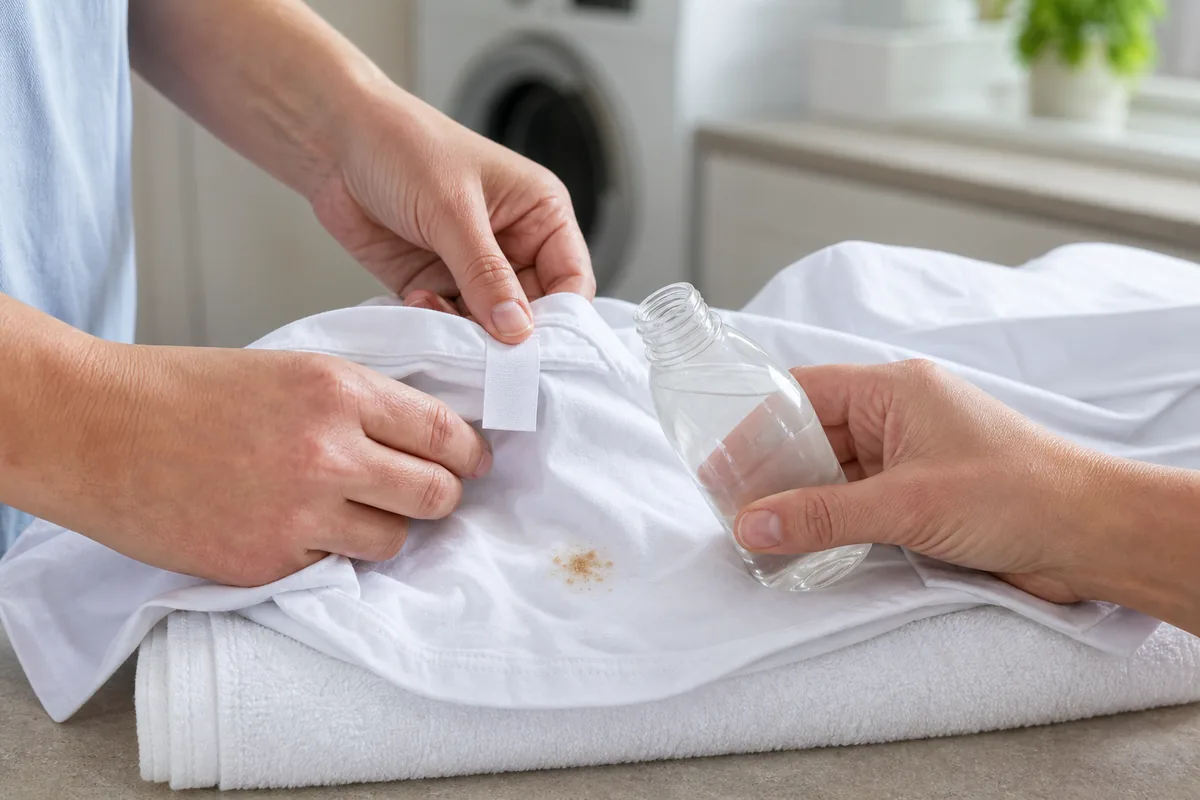
After treatment, wash the pants using the warmest water safe for the fabric, as indicated on the care label. Warm water helps flush out residual oils, but never use hot water if the stain remains—heat sets tar permanently.
Use regular laundry detergent. For extra cleaning power, add a stain-fighting booster like OxiClean (avoid bleach unless the label allows it).
Wash the pants alone or with similar colors to prevent tar transfer. Avoid overloading the machine so the fabric can agitate freely.
Check Stain Before Drying
Never skip this step: inspect the stain before drying. Even a faint shadow means tar residue is still present. If you use a dryer, the heat will bake the stain in, making it nearly impossible to remove later.
If the stain persists, repeat the entire process: freeze, scrape, treat, wash. It’s common to need two or three cycles for complete removal.
Air Dry Only—No Heat
Prevent Permanent Staining
Once the stain is gone, air dry the pants—hang them or lay them flat. Avoid the dryer, iron, or hairdryer until you’re 100% certain the tar is gone.
Even brief heat exposure can ruin your efforts. Air drying is slower but safe. If the pants are dry and stain-free, you can then use a dryer normally.
For delicate items, always air dry regardless of stain status.
Handle Delicate Fabrics Carefully
Avoid DIY on Silk and Wool
Never use alcohol, acetone, or scraping tools on silk or wool. These fabrics are fragile and can be damaged by solvents or abrasion. DIY attempts may cause holes, discoloration, or texture changes.
Instead, take them to a professional cleaner. Point out the tar stain and explain how it occurred (e.g., tree sap, beach tar). Professionals use specialized solvents and techniques that are safer for delicate materials.
When to Call a Pro
Seek professional help if:
• The pants are silk, wool, or labeled “dry clean only”
• The garment is expensive or sentimental
• Home treatments haven’t worked after two attempts
• The fabric shows signs of weakening or discoloration
Professionals can often save garments that seem beyond repair.
Prevent Future Tar Stains
Act Fast and Stay Cool
The sooner you treat tar, the better. Fresh tar hasn’t bonded deeply with fibers and responds well to freezing and dish soap. Delayed action makes removal harder.
Always avoid heat—no hot water, no dryer, no iron—until the stain is gone. Heat is the #1 reason tar stains become permanent.
Keep a Tar Removal Kit Handy
For outdoor workers, cyclists, hikers, or beachgoers, keep a small kit with:
• Rubbing alcohol or acetone (in a travel bottle)
• Cotton balls or pads
• A spoon or dull scraper
• Dish soap (travel size)
• Plastic bag (for freezing)
This lets you start treatment immediately, even off-site.
Troubleshoot Stubborn Stains
Repeat Treatment if Needed
Some tar stains require multiple rounds of treatment. Follow this cycle:
1. Freeze and scrape
2. Apply dish soap
3. Use appropriate solvent
4. Wash in warm water
5. Air dry and inspect
Repeat until the stain disappears. Each round removes more residue.
Why Some Stains Resist Removal
Factors that make tar harder to remove:
• Old stains: Tar oxidizes and bonds tightly over time
• Heat exposure: Even brief heat can set the stain
• Incorrect solvent: Using water-based cleaners on oil-based tar
• Rubbing instead of blotting: Spreads the stain
Stick to oil-dissolving agents and gentle techniques.
Frequently Asked Questions About Removing Tar from Pants
Can I use vinegar to get tar out of pants?
No, vinegar is not effective for tar removal. Tar is oil-based, and vinegar is a water-based acid. It won’t break down the oils. Use grease-cutting dish soap, rubbing alcohol, or acetone instead.
Will washing tar-stained pants in the machine remove the stain?
Not if the stain is still visible. Washing alone may spread the tar or set it deeper. Always pre-treat with freezing, scraping, and solvent application first. Never use hot water or dryer until the stain is gone.
Can I use hand sanitizer to remove tar?
Yes, in a pinch. Most hand sanitizers contain alcohol, which dissolves oil-based tar. Apply, let sit, then blot. However, it may leave residue, so follow with dish soap and washing.
Is Goo Gone safe for clothing?
Yes, when used correctly. Goo Gone is formulated for sticky residues and works on tar. Apply a small amount, let it sit, then blot and wash. Always test for colorfastness first and rinse thoroughly.
What should I do if the tar stain turns yellow?
Yellowing may indicate oxidation or solvent reaction. Try treating with dish soap and oxygen-based bleach (if fabric allows). If it persists, consult a professional cleaner.
Can I dry clean tar-stained pants?
Yes, but only after informing the cleaner about the tar. Dry cleaning uses solvents that can help, but heat in the process may set the stain if not pre-treated. For best results, point out the stain and avoid home heat exposure first.
Key Takeaways for Removing Tar from Pants
• Always freeze first to harden tar before scraping
• Blot, never rub—rubbing spreads the stain
• Use dish soap as a safe first step for oil breakdown
• Match solvents to fabric: alcohol for cotton, acetone for polyester
• Test for colorfastness before applying any chemical
• Never use heat until the stain is 100% gone
• Air dry and inspect after every wash—repeat if needed
If you act quickly and follow these steps, you can save your pants from even the stickiest tar. For delicate fabrics or stubborn stains, don’t hesitate to call a professional. With patience and the right method, your pants can look like new again.


