
You’re wearing your favorite pair of pants when a small cut starts bleeding—before you know it, there’s a red blotch on the fabric. Or maybe you discovered an old, dried blood stain after laundry day. Either way, panic doesn’t help. The good news? Most blood stains on pants can be removed—if you act quickly and use the right method.
Blood is a protein-based stain, and the key to removing it lies in cold water, speed, and proper treatment. Heat sets the proteins permanently, so skipping the dryer and avoiding hot water are non-negotiable. Whether the stain is fresh, dried, or even heat-damaged, there’s a solution. This guide breaks down proven, step-by-step methods based on stain age, fabric type, and household supplies.
Blot the Stain Immediately—Don’t Rub
Why Blotting Works Better Than Rubbing
The first thing you do determines your success. Never rub a blood stain—this pushes the proteins deeper into the fibers and spreads the stain. Instead, blot gently with a clean, dry cloth or paper towel. Press down and lift off without wiping.
Your goal is to absorb as much blood as possible before any liquid treatment. The less residue in the fabric, the easier the cleanup. If the stain is large, keep switching to a clean section of the cloth to avoid reapplying blood.
Pro Tip: Place the stained area face-down on a paper towel. Gravity helps pull blood out instead of deeper in.
Rinse Under Cold Running Water
Flush from the Back to Push Blood Out
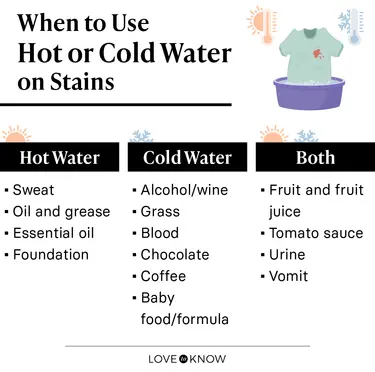
After blotting, rinse under cold running water immediately. Hot water sets blood stains permanently—this cannot be overstated. Always use cold.
Hold the pants so the stain faces down, and run water from the back of the stain toward the front. This pushes blood out of the fibers instead of embedding it further. Keep rinsing until the water runs clear—usually 1–2 minutes for fresh stains.
For larger areas, fill a bowl with cold water and soak the spot, changing the water as it turns pink.
Warning: If you don’t have immediate access to a sink, do not wait. Use bottled cold water or even a cold drink to start rinsing—every minute counts.
Soak Based on Stain Age and Severity
Match Your Soak to How Old the Stain Is
The age of the stain determines how long and how intensely you should soak.
Fresh Blood (Less Than 30 Minutes Old)
• Soak in cold water for 30 minutes
• No detergent needed yet—just water
• Follow with dish soap or hydrogen peroxide
Dried Blood (1–2 Days Old)
• Soak in cold water for 1 hour
• Add 1 tablespoon of enzyme-based detergent like OxiClean
• If stain persists, move to stronger treatments
Heat-Set Stains (After Dryer or Iron)
• Soak in cold water with enzyme pre-soak for up to 2 hours
• These stains are tough—proteins are cooked—but not hopeless
Key Rule: Never use warm or hot water at this stage. Cold only.
Apply the Right Stain Remover for the Job

Choose Your Treatment by Stain Type and Fabric
Not all blood stains respond to the same cleaner. Match your method to the stain’s age and fabric.
Fresh Stains: Use 3% Hydrogen Peroxide
• Pour or spray 3% hydrogen peroxide directly on the stain
• Watch for foaming—this means the peroxide is breaking down blood
• Let sit for 5–10 minutes, then rinse with cold water
• Repeat if needed
Note: Hydrogen peroxide can bleach colored fabrics. Always test on an inside seam first.
Dried Stains: Upgrade to 20-Volume (6%) Peroxide
• 3% peroxide won’t cut it for dried stains
• Use 20-volume (6%) hydrogen peroxide—a salon-grade version
• Apply generously and let sit for up to 2 hours
• Reapply every 20 minutes to keep the area saturated
• Rinse thoroughly with cold water
Alternative Household Solutions
If you don’t have peroxide, try these:
Salt Paste
• Mix 1 tablespoon salt + cold water into a paste
• Apply to stain, let sit 15–30 minutes
• Rinse with cold water
Baking Soda Paste
• Mix 2 tablespoons baking soda + cold water
• Rub gently, wait 15 minutes, then rinse
White Vinegar Solution
• Mix equal parts white vinegar and cold water
• Apply, wait 5–10 minutes, wipe clean
Best for: Light or older stains when peroxide isn’t available.
Wash Pants with Enzyme Detergent in Cold Water
Use the Right Wash Cycle and Detergent
After pre-treatment, it’s time to wash.
• Use cold water cycle only
• Choose a detergent with enzymes (e.g., Tide Ultra Oxi, Persil Bio)
• Add OxiClean or Biz for extra protein-fighting power
• Wash alone or with similar colors to avoid cross-contamination
Never use bleach—it reacts with blood and can turn stains dark brown or black.
Air Dry and Inspect Before Using the Dryer
Why You Must Never Skip This Step
This step is non-negotiable. Even if the stain looks gone, do not put pants in the dryer.
• Air dry the garment completely
• Once dry, inspect the stain in natural light
• If any trace remains, repeat the treatment process
Why? Dryer heat permanently sets any remaining blood proteins. One cycle can make the stain impossible to remove.
Remove Stubborn or Heat-Set Blood Stains
Use Heat + Hydrogen Peroxide as a Last Resort
For stains that survived the dryer, try this last-resort technique.
When to Use:
• Stain has been heat-damaged (from iron or dryer)
• Color is gone but a white ring (cooked protein) remains
• All other methods failed
Steps:
- Spray stain with 20-volume hydrogen peroxide
- Place a clean cloth over the area
- Iron with low to medium heat (based on fabric type) until peroxide evaporates
- Repeat 2–3 times if needed
- Use a spotting bone or butter knife to gently scrape loosened residue
Warning: Never skip pre-treatment. This method only works after soaking and peroxide application.
Treat Blood Stains by Fabric Type

Cotton and Linen Pants
• Most forgiving fabrics
• Use cold water, dish soap, hydrogen peroxide, or ammonia
• Safe for enzyme detergents and soaking
Synthetic Fabrics (Polyester, Nylon)
• Use mild detergent + cold water
• If stain remains, mix 1 tbsp ammonia + ½ cup water, sponge, and blot
• Avoid strong abrasives
Delicate Fabrics (Silk, Wool)
• Never use ammonia or hydrogen peroxide unless diluted and tested
• Blot with cold water and mild detergent
• Use Wet Spotter solution:
• 1 part glycerin
• 1 part dish soap
• 8 parts cold water
• Apply with sponge, blot, rinse
Pro Tip: For silk or wool, consult a professional cleaner if the stain is old or large.
Leather Pants
• Never soak
• Mix mild soap in cool water, create suds
• Apply foam only with a sponge
• Wipe dry, then condition with saddle soap
Avoid These 7 Costly Mistakes
1. Using Hot Water
Heat cooks the blood proteins, bonding them to fibers. Always use cold water.
2. Putting in Dryer Too Soon
Even a 5-minute dry cycle can set the stain. Always air dry first.
3. Rubbing the Stain
Rubbing spreads the stain and pushes it deeper. Blot, don’t rub.
4. Using Bleach
Bleach reacts with blood to create brown, permanent stains. Avoid entirely.
5. Skipping Pre-Treatment
Tossing stained pants straight into the wash reduces success. Pre-treat every time.
6. Using 3% Peroxide on Old Stains
It’s too weak. Use 20-volume (6%) peroxide for dried or set-in stains.
7. Not Testing First
Always test hydrogen peroxide, ammonia, or vinegar on an inconspicuous area to check for color damage.
What Results to Expect Based on Stain Age
Fresh Stains (Wet Blood)
• Outcome: Usually 100% removed with cold water + peroxide
• Time: 10–15 minutes
Dried Stains (1–2 Days)
• Outcome: Mostly gone; faint outline may remain
• Solution: 20-volume peroxide + ammonia
• Repeat treatment if needed
Heat-Set Stains (1–2 Weeks)
• Outcome: Blood color fades, but white protein ring may stay
• These residues are often permanent, but less visible
• Use heat + peroxide method to minimize
Realistic Expectation: You can remove the red color, but cooked proteins may leave a ghost.
Keep a Blood Stain Removal Kit Ready at Home
Essential Supplies to Stock
• 3% and 20-volume hydrogen peroxide
• Enzyme-based detergent (OxiClean, Biz)
• Dish soap (Dawn)
• Salt, baking soda, white vinegar
• Ammonia (for cotton/synthetics)
• Glycerin and dish soap (for delicates)
• Clean cloths, paper towels, spotting bone
Pro Tip: Store in a labeled bin under the sink for quick access.
Frequently Asked Questions About Removing Blood Stains from Pants
Can cold water really remove blood stains?
Yes. Fresh blood is water-soluble, and cold water helps flush it out before the proteins set. Hot water coagulates the proteins, making the stain permanent. Always start with cold water.
Does hydrogen peroxide work on old blood stains?
3% hydrogen peroxide works well on fresh stains, but for dried or set-in stains, use 20-volume (6%) hydrogen peroxide. It’s stronger and more effective at breaking down aged proteins.
Why shouldn’t I use bleach on blood stains?
Bleach reacts with the iron in hemoglobin (blood pigment) and turns the stain dark brown or black, making it worse. Always avoid bleach when treating blood.
Can I remove a blood stain after it’s been dried in the dryer?
It’s harder, but not impossible. Soak in cold water with enzyme detergent, then use 20-volume hydrogen peroxide. For stubborn cases, try the heat + peroxide method as a last resort.
Will vinegar remove blood from pants?
Yes, white vinegar can help with light or older stains. Mix equal parts vinegar and cold water, apply for 5–10 minutes, then rinse. It’s less effective than peroxide but useful when other options aren’t available.
How do I remove blood from white pants without bleaching?
Use 3% hydrogen peroxide on white cotton or linen. It naturally whitens and breaks down blood. Test first, then apply, let sit 5–10 minutes, rinse with cold water, and wash with enzyme detergent.
Key Takeaways for Removing Blood Stains from Pants
• Act fast—fresh stains come out easiest
• Always use cold water—heat sets blood permanently
• Pre-treat every time—don’t skip soaking or stain removers
• Air dry first—check the stain before using the dryer
• Use 20-volume peroxide for dried or heat-damaged stains
• Test all chemicals on a hidden area first
Keep your stain removal kit ready, follow these steps, and you’ll save your pants—no matter when the stain happened.


