
A broken zipper on pants can ruin your day before it even starts. Whether you’re getting dressed for work or heading out for an evening, a zipper that won’t stay closed, slips off at the bottom, or won’t budge is both frustrating and embarrassing. The good news? Most zipper problems can be fixed at home in minutes with simple tools. From missing teeth to full separation, this guide walks you through diagnosing the issue, applying quick fixes, and making permanent repairs—so you can save your favorite pants without a trip to the tailor.
You’ll learn how to fix a broken zipper on pants using everyday tools like pliers, thread, and a safety pin. We cover emergency solutions for mid-day failures, DIY repairs that last, and when it’s time to call a professional. With these proven methods, you’ll avoid wardrobe malfunctions and extend the life of your wardrobe.
Diagnose the Zipper Problem First

Before attempting any repair, identify the exact issue. The fix depends on whether the zipper is misaligned, missing teeth, or completely detached.
Zipper Slips Off at the Bottom
This happens when the slider runs off the end because the bottom teeth are damaged or missing. Without a stopper, the pull slides right off, leaving the pants open. This is common in jeans and dress pants where stress concentrates at the base of the fly.
Teeth Won’t Stay Locked When Zipped
If the zipper pulls apart while walking or sitting, the teeth aren’t staying interlocked. This is often due to fabric stretching, misalignment, or a worn slider. The zipper may zip up but fails under normal movement.
Slider Is Stuck or Won’t Move
A jammed slider usually means bent teeth, debris, or lack of lubrication. Never force it—this can worsen the damage. Inspect the teeth for obstructions and clean or lubricate before attempting to move it.
Zipper Is Fully Separated
When both sides are detached and the slider is loose, the zipper has completely failed. This requires realignment or a stopper fix. If teeth are missing or bent, a permanent repair or replacement may be necessary.
Fix a Zipper With Missing Bottom Teeth
When the bottom teeth are gone, the slider has nothing to stop against. This is a common failure—but easy to fix without a sewing machine.
Remove the Damaged Teeth
Use needle-nose pliers to grip and gently pull out 2–3 of the lowest teeth on both sides. This creates a gap for the slider to pass through and re-engage. Work slowly to avoid tearing the fabric or damaging nearby teeth.
Reposition the Slider Correctly
Slide the zipper pull down through the gap you created. Guide both sides so the teeth mesh evenly. Once the slider reaches the bottom, it should sit securely above the gap, unable to slip further.
Sew a Durable Whip-Stitch Stopper
Thread a needle with strong, color-matched thread and tie a knot. Use a whip stitch to sew across the fabric just below the slider. Make 6–8 tight stitches through both fabric layers to form a solid barrier. This stopper replaces the missing teeth and prevents future slippage. Trim excess thread and test the zipper.
Pro Tip: Add a second row of stitching for jeans or heavy-duty pants to reinforce the stopper.
Repair a Separated Zipper That Won’t Stay Closed
A zipper that won’t stay locked often just needs realignment. This works when the slider is still on track but the teeth have come apart.
Realign the Teeth by Hand
Gently pull both sides of the zipper apart. Use your fingers to line up the teeth so they mesh evenly from top to bottom. Check for bent or crossed teeth and straighten them with pliers if needed.
Guide the Slider Back Onto the Track
Slide the pull back onto the top of the zipper. Hold the fabric taut and slowly pull the slider down. If it catches, wiggle it gently side to side to help it engage. Continue until it reaches the bottom smoothly.
Secure a Loose Slider with Thread or Glue
If the slider keeps coming off, reinforce it:
– Stitch it in place: Sew through the fabric on both sides of the slider base with matching thread.
– Use fabric glue: Apply a tiny drop to the back of the slider where it meets the fabric. Let it dry completely.
Warning: Never glue the slider to the teeth—this will lock it in place and prevent zipping.
Apply a Quick Emergency Fix on the Go

When you’re out and about, a broken zipper needs a fast, discreet solution.
Use a Safety Pin for Immediate Security
Fasten a small safety pin through the top of the fly, just below the button or waistband. This stops the zipper from sliding down. Position it under a seam or flap so it’s not visible.
Alternative: Clip a keyring through the zipper pull and hook it to a belt loop for extra hold.
Try the Keychain Weight Trick
Slide a key or small keychain onto the zipper pull. Let it hang down. The weight helps keep the slider in place by pulling it downward, reducing upward movement that causes separation.
Best for: Temporary use until you can make a permanent fix.
Prevent Future Zipper Breaks
A repaired zipper won’t last if the same stressors remain. Avoid repeat failures with these habits.
Zip Slowly and With Both Hands
Always hold the fabric taut with both hands while zipping. This ensures the teeth align properly and reduces strain. Never yank the slider—if it resists, stop and check for obstructions.
Lubricate the Zipper Every Few Months
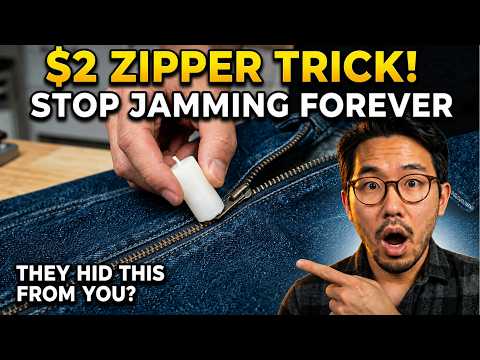
Apply paraffin wax or silicone spray to the teeth to reduce friction. Rub a candle along the teeth or spray lightly, then zip and unzip several times to distribute. This prevents sticking and extends zipper life.
Avoid: Oil-based lubes like WD-40—they stain fabric and attract dirt.
Reinforce High-Stress Areas
For pants that keep failing, sew a small fabric patch behind the zipper fly. This prevents fabric from stretching and pulling the teeth apart. Especially helpful for stretch denim or frequently worn trousers.
Know When to Replace the Zipper
Some zippers can’t be saved. Replace them if:
- Teeth are missing or bent beyond repair
- The slider is cracked or won’t stay on track
- The zipper tape is torn or frayed
- Multiple repairs have failed
- The pants are expensive or custom-fit
Choose the Right Replacement Zipper
Buy one that matches the original in:
– Length (measure from top stop to bottom stop)
– Color (match as closely as possible)
– Type (metal, coil, or plastic)
Most replacements cost $5–$15 and are available at fabric stores or online.
Hire a Tailor for Full Replacement
A professional can remove the old zipper, align the new one, and sew it in securely. Cost: $15–$40. Many dry cleaners and fabric stores like Joann’s or Hobby Lobby offer repair services or can refer you to a qualified tailor.
Time-Saver: Some shops fix zippers in under an hour.
Use the Right Tools for Fast, Effective Repairs
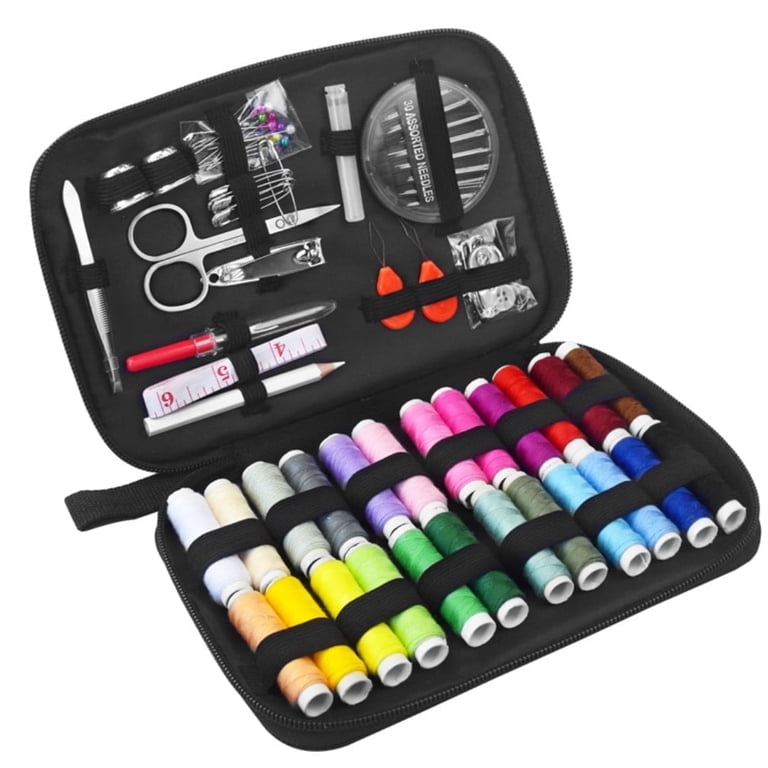
Having the correct tools makes a big difference in repair success and speed.
Essential Repair Kit
- Needle-nose pliers: For removing teeth and adjusting the slider
- Needle and thread: Use heavy-duty thread for jeans, lighter for dress pants
- Scissors: For cutting thread and trimming excess
- Small flathead screwdriver: Helps guide the slider back on track
Optional but Helpful
- Zipper stoppers: Metal or plastic stops that clip on to prevent slippage
- Fabric glue: Secures sliders or stoppers without sewing
- Whip stitch template: Ensures even, durable stitching
Pro Tip: Keep a mini repair kit in your drawer or car with a needle, thread, safety pin, and small pliers.
Maintain Pants to Reduce Zipper Stress
Long-term zipper health starts with how you wear and care for your pants.
Avoid Overloading Front Pockets
Bulky wallets, phones, and keys add strain every time you sit. Use back pockets or a bag instead to reduce pressure on the zipper.
Wear the Right Fit
Pants that are too tight force you to tug the zipper, increasing wear. If you’re constantly struggling to zip, consider sizing up or choosing stretch fabric.
Wash Pants the Right Way
Turn them inside out and wash in cold water on a gentle cycle. High heat and agitation weaken fabric and zippers. Air dry when possible.
Frequently Asked Questions About Fixing a Broken Zipper on Pants
Why does my zipper keep coming undone?
Your zipper likely has misaligned teeth, a worn slider, or stretched fabric. Realign the teeth and reinforce the slider with stitching or glue. If the problem persists, the zipper may need replacement.
Can I fix a zipper without sewing?
Yes, for temporary fixes. Use a safety pin, keychain weight, or fabric glue to secure the slider. For a lasting fix without sewing, install a metal zipper stopper using pliers.
How do I stop a zipper from slipping off the bottom?
Remove 2–3 bottom teeth with pliers, reposition the slider, and sew a whip-stitch stopper below it. This creates a new anchor point and prevents slippage.
What’s the best lubricant for a stiff zipper?
Use paraffin wax or silicone spray. Rub a candle along the teeth or apply spray lightly, then zip and unzip to work it in. Avoid oil-based products that stain fabric.
How much does it cost to replace a zipper?
Professional zipper replacement costs $15–$40, plus $5–$15 for the zipper. This is usually cheaper than buying new pants, especially for high-quality or custom-fit styles.
Should I repair or replace a broken zipper?
Repair if the damage is minor—misaligned teeth or a loose slider. Replace if teeth are missing, the tape is torn, or repairs keep failing. For valuable pants, replacement is often the better long-term investment.
Key Takeaways for Fixing a Broken Zipper on Pants
Most zipper problems can be fixed at home with basic tools and a few minutes. The key is acting fast—don’t wait for a small issue to become a full failure. Whether you’re dealing with missing teeth, separation, or a stuck slider, the right fix depends on the diagnosis. Use pliers and thread for permanent repairs, or a safety pin for emergencies. Lubricate regularly and zip carefully to prevent future issues.
If DIY fixes fail, visit a tailor or fabric store for professional help. A $20 repair can save $100+ on new pants. Now that you know how to fix a broken zipper on pants, you’re ready to handle any zipper emergency—with confidence and no wardrobe panic.


