
Ironing corduroy pants can ruin their texture if done incorrectly—direct heat and pressure often leave shiny, flattened patches that destroy the fabric’s signature look. The ridged surface, known as the nap, is delicate and easily damaged by high temperatures, steam, or sliding motions. But with the right method, you can remove wrinkles while preserving the rich, tactile feel of your favorite pair.
This guide shows you how to safely iron corduroy pants using proven techniques: turning them inside out, using a pressing cloth, setting the correct heat, and brushing the nap afterward. You’ll also learn how to avoid common mistakes, restore damaged areas, and when to skip the iron entirely. Whether you’re preparing for a job interview or refreshing weekend wear, these steps keep your corduroy looking sharp and textured.
Check the Care Label Before You Begin
Always inspect the care label inside the waistband before heating your iron. Corduroy blends—especially those with polyester, spandex, or delicate finishes—may require special treatment.
Some labels say “do not iron”, meaning direct heat could melt fibers or create permanent shine. In those cases, skip ironing and use steaming instead. Others may specify maximum heat settings or recommend a pressing cloth.
Ignoring care instructions risks scorching, shrinking, or irreversible damage. When in doubt, start with medium-low heat and test on a hidden area like the inner seam. This small step prevents costly mistakes on visible fabric.
What to Look for on the Label
• “Do not iron” → Use steaming only
• “Cool iron” or “Low heat” → Avoid cotton or high-heat settings
• “Iron inside out” → Confirms nap protection is needed
• “Steam safe” → May allow light moisture on pressing cloth
If the label is missing or unclear, assume the fabric is sensitive and proceed with caution.
Gather the Right Tools for Safe Ironing
Using improper tools increases the risk of shine, scorch marks, or texture loss. Prepare everything before starting.
Essential Tools for Corduroy Pants
• Adjustable iron – Set to medium-low heat (around 300°F / 150°C)
• Ironing board – Provides a flat, stable surface
• White cotton pressing cloth – Thin and lint-free (e.g., old pillowcase or tea towel)
• Spray bottle with distilled water – For dampening the cloth (never spray pants directly)
• Soft-bristled clothes brush or lint roller – To restore the nap after ironing
• Padded hanger – For proper cooling and storage
Avoid dark-colored cloths—they can bleed dye onto light fabric. And never use tap water in your spray bottle; minerals can leave stains.
Turn Pants Inside Out to Protect the Nap
Never iron corduroy right-side out. The outer surface has delicate ridges that flatten easily under heat, creating a shiny, worn appearance.
Turning the pants inside out:
– Shields the visible nap from direct contact
– Prevents shine and texture loss
– Reduces risk of scorching from zippers or buttons
Empty all pockets first—leftover items can melt or leave marks. Then, lay the pants flat on the ironing board with seams aligned.
This simple step is the most effective way to preserve your corduroy’s look and feel.
Set Iron to Medium-Low Heat and Disable Steam
Use Low to Medium Heat Only
Corduroy is typically made from cotton, not wool, so it doesn’t need high heat. Set your iron to medium-low (around 300°F / 150°C).
High heat can:
– Scorch natural fibers
– Melt synthetic blends
– Create permanent shine
If your iron has a cotton setting, reduce it slightly. Better to underheat than overheat.
Turn Off Steam Completely
Steam directly on corduroy can:
– Flatten the pile
– Leave water spots
– Cause shrinkage
Instead, disable the steam function. If you need moisture, lightly mist the pressing cloth only—not the pants.
This gives gentle humidity without damaging the fabric.
Find the Nap Direction to Prevent Flattening

The nap is the direction the corduroy’s ridges naturally lie. It affects both color and texture.
To identify it:
1. Run your hand over the fabric.
2. The smooth direction is the natural nap.
3. The rough direction is against the grain.
Always iron in the direction of the nap. This minimizes friction and keeps the ridges upright.
Ironing against the grain increases pressure and can cause shine. Check different areas—sometimes the nap varies due to cutting patterns.
Use Lift-and-Press Motion Instead of Gliding
Never slide the iron back and forth like you would with cotton shirts. Sliding crushes the pile and creates shine.
Instead, use a lift-and-press technique:
1. Place the iron on one section.
2. Hold for 2–3 seconds.
3. Lift completely.
4. Move to the next area and repeat.
Work slowly from top to bottom. Apply minimal pressure—let the iron’s weight do the work.
This method preserves the 3D structure of the wales and avoids flattening.
Iron Seams and Waistband First
Start with high-wrinkle areas that benefit most from flattening.
Inside Seams
- Open each seam and press from the inside.
- Use the pressing cloth to smooth hip and crotch seams.
- This gives a clean, professional finish without affecting the outer nap.
Waistband
- Flip the waistband down and press from the inside.
- Avoid direct contact with buttons or zippers—use the iron’s tip carefully.
- For tight corners, use a seam roller or smaller iron.
These areas hold wrinkles from sitting or storage, so addressing them first ensures a polished look.
Press Each Leg One Side at a Time
Lay one pant leg flat on the board, smoothing out wrinkles.
Do not press both layers together unless you want a sharp crease. For casual wear, this can make corduroy look too formal.
Instead:
1. Iron one side of the leg.
2. Flip and repeat on the other side.
3. Align side seams for consistency.
Work from the hip to the cuff, following the nap direction.
For slim-fit styles, roll the opposite leg out of the way to avoid accidental creasing.
Add a Front Crease Only If Desired
A sharp crease gives a dressier look—but most corduroy pants look best with a soft drape.
How to Create a Crisp Crease
- Fold the leg so front edges meet.
- Place the pressing cloth over the fold.
- Use the lift-and-press method along the crease line.
- Work in small sections from waist to hem.
HermesGuy advises: Always use a pressing cloth when creating creases—it protects the fabric.
Once a crease is set, it’s hard to remove. If unsure, skip it.
Use a Pressing Cloth on Every Section
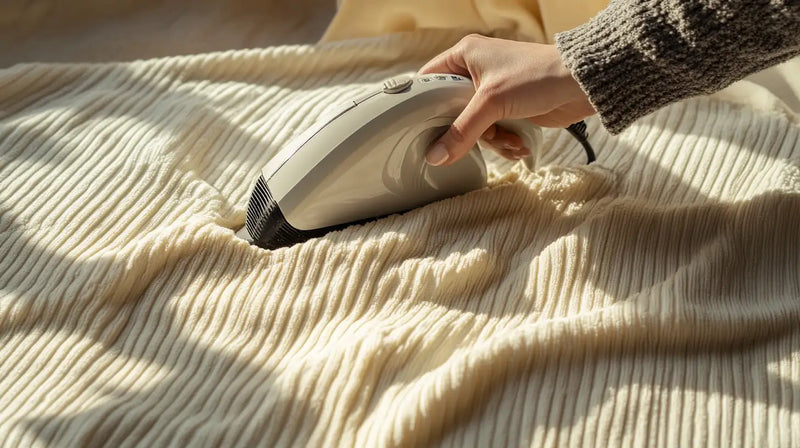
A pressing cloth is non-negotiable for safe corduroy ironing.
It:
– Blocks direct heat
– Prevents shine and scorch marks
– Allows light moisture without wetting the fabric
– Distributes heat evenly
Use a thin, white cotton cloth—thick towels insulate too much.
If wrinkles persist, lightly spritz the cloth with distilled water and re-press. Never let water touch the corduroy.
Replace the cloth if it becomes damp or dirty during use.
Avoid These 5 Common Ironing Mistakes
Even experienced users damage corduroy with simple errors.
Top Mistakes to Avoid
• Ironing right-side out → Causes instant shine
• Using high heat → Melts fibers or scorches fabric
• Sliding the iron → Crushes the nap
• Skipping the pressing cloth → Removes protection
• Over-ironing → Weakens fibers over time
Holdfast warns: “Direct contact flattens the nap completely.”
JayJay confirms: “They become very shiny” when ironed improperly.
Narrow-wale and needlecord are especially vulnerable—treat them with extra care.
Let Pants Cool on a Padded Hanger
After ironing, hang the pants immediately on a padded hanger.
This allows them to:
– Cool completely
– Maintain shape
– Avoid new wrinkles
Leave them undisturbed for 15–20 minutes. Heat retention can continue to affect the fabric.
Avoid plastic garment bags—they trap moisture and encourage wrinkling.
Restore the Nap with a Soft Brush or Lint Roller
Even with proper technique, the pile may look slightly flattened.
To revive texture:
– Gently brush with a soft-bristled clothes brush
– Or run a lint roller lightly over the surface
Both lift fibers and restore depth and color variation.
Always brush in the direction of the nap to avoid tugging.
This final step brings back corduroy’s rich, velvety look.
Fix Shiny or Flattened Spots Quickly
If you accidentally create shine or crush the nap, act fast.
Damage Control Steps
- Steam lightly from 6–8 inches away using a garment steamer.
- Brush gently while the fabric is warm and slightly humid.
- Hang in a steamy bathroom for 10–15 minutes, then brush.
Sometimes, this lifts the nap enough to reduce shine.
But Despos notes: “Even brushing afterward may not restore” severely damaged areas. Prevention is far more effective than repair.
For deep shine, professional restoration may be needed—but results aren’t guaranteed.
Skip Ironing When Possible—Try These Alternatives
Sometimes, the safest choice is to avoid ironing altogether.
Safer Alternatives to Ironing
• Garment steamer – Removes wrinkles with gentle heat and moisture
• Steamy bathroom trick – Hang pants during a hot shower
• Professional dry cleaning – Request a “soft press” to protect the nap
Holdfast prefers dry cleaning but warns: some cleaners use excessive pressure, which can ruin the nap.
Always specify: “No heavy pressing—protect the texture.”
Steaming is often safer and more effective, especially for vintage or delicate corduroy.
Care for Corduroy Long-Term
Preserve your pants’ look and extend their life with smart habits.
Iron Only When Necessary
Over-ironing wears down fibers and accelerates pilling. Only press when visibly wrinkled.
Store Properly
• Use padded hangers to maintain shape
• Avoid tight folding, which can create permanent creases
• Keep in a cool, dry place away from sunlight
Wash Gently
• Turn inside out before washing
• Use cold water and mild detergent
• Air dry or tumble dry low—heat degrades fibers
With minimal ironing and proper care, your corduroy can last for years.
Frequently Asked Questions About Ironing Corduroy Pants
Can you iron corduroy pants without damaging them?
Yes, but only if you turn them inside out, use a pressing cloth, set the iron to medium-low heat, and avoid steam. Always iron in the direction of the nap and use a lift-and-press motion—never slide the iron.
Why do corduroy pants get shiny when ironed?
Shine occurs when the iron flattens the fabric’s ridges (nap). Direct heat, high temperatures, or sliding motions crush the pile, creating a smooth, reflective surface. Using a pressing cloth and ironing inside out prevents this.
Should I use steam when ironing corduroy?
No—turn off the steam function. Steam can flatten the nap and leave water spots. If you need moisture, lightly mist the pressing cloth, not the pants.
How do I remove wrinkles from corduroy without an iron?
Use a garment steamer or hang the pants in a steamy bathroom during a hot shower. The gentle humidity relaxes wrinkles without damaging the fabric. For best results, brush the nap afterward.
Can dry cleaners damage corduroy pants?
Yes—some use heavy pressing machines that flatten the nap. Always request a “soft press” and confirm they’ll protect the texture. Brushing after cleaning helps restore the pile.
How do I fix flattened corduroy after ironing?
Lightly steam the area from a distance, then gently brush in the direction of the nap. If the damage is severe, restoration may not be possible—prevention is key.
Key Takeaways for Safely Ironing Corduroy Pants
Ironing corduroy pants safely comes down to protection, precision, and patience. Always turn them inside out, use a white cotton pressing cloth, set the iron to medium-low heat, and disable steam. Iron in the direction of the nap using a lift-and-press motion—never slide.
Focus on seams and waistband first, press legs one side at a time, and restore the nap with a soft brush. Let the pants cool on a padded hanger before wearing.
If the care label says “do not iron,” skip the iron and use steaming instead. And remember: once the nap is shiny or flattened, it’s often permanent. When in doubt, go slow, follow these steps, and keep your corduroy looking rich, textured, and ready to wear.


