
Ironing polyester pants can be quick and effective—if you know the right techniques. Unlike natural fibers like cotton, polyester is a synthetic fabric that resists wrinkles but can melt or scorch under high heat. Many people accidentally ruin their pants by cranking up the iron, not realizing that less heat produces better results. The key is using low to medium heat, a pressing cloth, and steam to relax the fibers safely. In this guide, you’ll learn the exact steps to iron polyester pants without shine, scorch marks, or damage. You’ll also discover alternative wrinkle-removal methods, drying tips to prevent wrinkles, and pro techniques for a sharp, professional finish.
Set Correct Iron Temperature for Polyester
Use Low to Medium Heat Only
Always set your iron to the polyester or synthetic setting, which typically ranges from 300°F to 350°F (150–180°C). High heat can melt the fibers, leaving permanent shiny spots or holes. If your iron lacks fabric-specific settings, choose low to medium heat—never high. When in doubt, start low and test on an inconspicuous area like the inside seam.
Check the Care Label First
Before applying heat, check the care label on your pants. Some polyester blends (like polyester-spandex or polyester-wool) require lower temperatures. The label may also indicate if the garment is non-iron or should be steamed only. Ignoring these instructions can void warranties or ruin the fabric.
Adjust for Fabric Blends
If your pants are a polyester blend, use the lower temperature required by the more delicate fabric. For example:
• Polyester-cotton: Use medium heat (closer to cotton’s needs)
• Polyester-spandex: Use low heat to protect elasticity
• Polyester-wool: Use low heat with a pressing cloth
Prepare Pants and Ironing Tools Properly
Wash and Dry Before Ironing
Always iron clean, dry polyester pants. Heat can set stains permanently, so wash them first. After washing, dry on a low-heat or permanent press setting to minimize wrinkles. Remove the pants immediately after the cycle ends to prevent new creases from forming.
Gather Essential Supplies
You’ll need:
• Iron set to synthetic/polyester mode
• Ironing board
• Pressing cloth (thin cotton towel, muslin, or cotton sheet)
• Spray bottle with distilled water
• Distilled water for iron’s steam chamber (prevents mineral buildup)
Never use tap water in your iron—minerals can stain fabric and clog the steam vents over time.
Test Iron for Cleanliness
A dirty iron can leave rust or brown streaks, especially on light-colored pants. Test it by pressing a white cloth. If stains appear, clean the soleplate by filling the reservoir with a 50/50 mix of white vinegar and distilled water, then running the steam function until the output runs clear.
Use a Pressing Cloth to Protect Polyester
Protect Fabric From Direct Heat
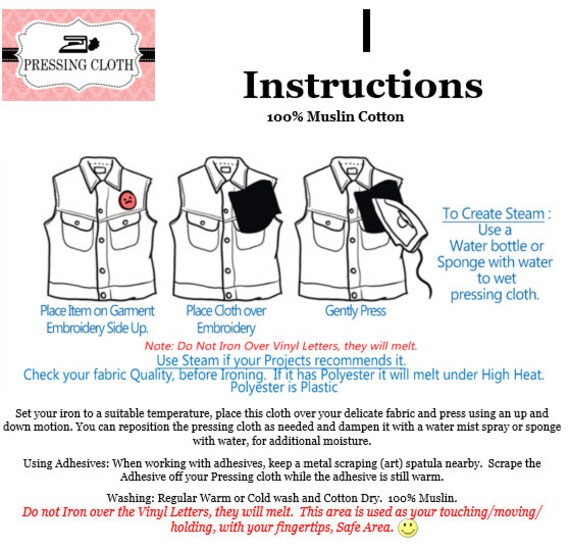
Place a thin cotton pressing cloth between the iron and the polyester. This acts as a heat buffer, preventing shine and scorching. The cloth also helps distribute steam evenly, improving wrinkle removal without direct contact.
Choose the Right Cloth
Use a clean, lint-free cotton fabric like:
• Muslin
• Plain cotton T-shirt
• Thin tea towel
• Cotton pillowcase
Avoid synthetic cloths—they can melt under heat.
Step-by-Step Guide to Ironing Polyester Pants
Iron the Pockets First
Start with the pockets to prevent visible creases. Smooth the pocket lining flat and press gently with the iron through the pressing cloth. Be careful not to create sharp folds. After pressing, tuck the pocket back into place.
Press the Waistband and Top
Lay the waistband flat on the board. Avoid belt loops and buttons—press around them. Flip the pants and repeat on the back, pulling the back pocket out to press the seat area smoothly. Work from front to back, keeping fabric taut.
Create the Bottom Crease
Fold one leg over the end of the ironing board. Align the center seam and smooth the fabric. Press along the outer edge of the cuff to form a clean crease about 1–2 inches from the hem. Repeat on the other side. This creates a sharp, professional finish at the ankle.
Form the Top Crease
Starting about 6 inches below the waistband, press a crease down each leg. Stop just above the pocket or pleat—do not iron all the way to the top. This maintains a natural drape while giving a tailored look.
Press the Middle of the Leg
With the top and bottom creases set, press straight down the center of the leg. Use a press-and-lift motion: place the iron, hold for 2–3 seconds, then lift straight up. Do not slide the iron, especially on dark fabrics, to avoid shine.
Smooth the Center Panel
Focus on the front center of each leg where sitting causes wrinkles. Use the same press-and-lift technique. One side per leg is enough—no need to iron both sides unless heavily wrinkled.
Final Touch-Up
For extra crispness, drape the pants over the end of the ironing board. Pull the pockets out and lightly press the front and seat areas. Hang immediately after ironing to maintain the finish.
Use Steam to Remove Wrinkles Safely

Steam vs. Dry Ironing
Steam is more effective than dry heat for polyester. It relaxes the polymer chains in the fabric, allowing them to re-solidify in a smooth alignment. Use the iron’s steam function sparingly—too much moisture can leave water spots or cause shrinkage.
Try a Garment Steamer
A handheld garment steamer is a safe, efficient alternative. Hold it 1–2 inches from the fabric and move downward with light tension. No pressing cloth is needed, and there’s no risk of scorching. Ideal for delicate or dark polyester pants.
Damp Cloth Method for Stubborn Wrinkles
For tough creases:
1. Lightly mist the area with distilled water
2. Place a damp cotton cloth over the wrinkle
3. Press with the iron (medium heat) for 3–5 seconds
4. Lift and check—repeat if needed
The damp cloth generates gentle steam without direct water contact.
Avoid Common Ironing Mistakes on Polyester
Never Use High Heat
High heat melts polyester. Even a few seconds can cause irreversible damage. If wrinkles remain at medium heat, do not increase the temperature. Instead, use steam or a damp cloth.
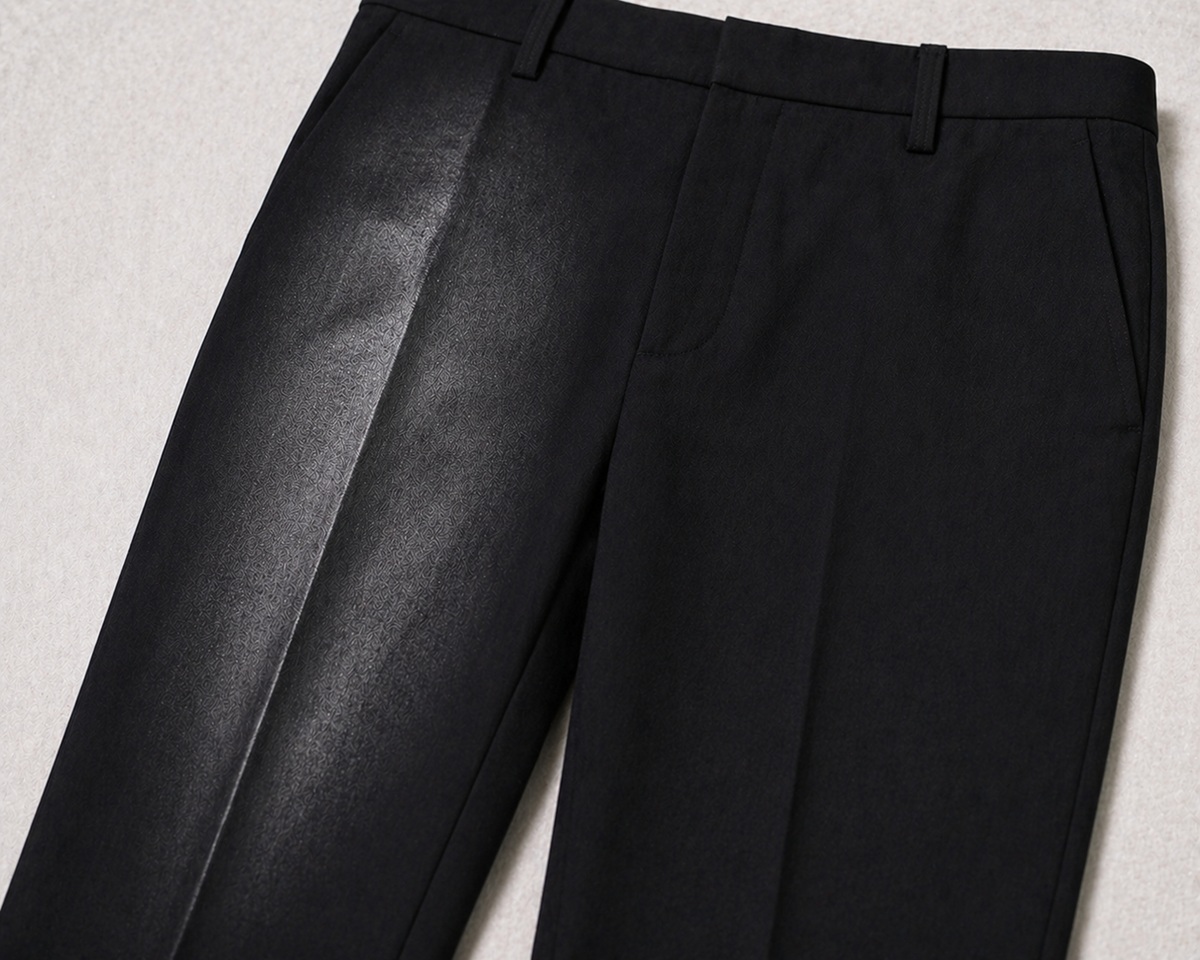
Don’t Slide the Iron on Dark Fabrics
Sliding creates friction, which can produce a shiny surface on dark polyester. Always press and lift instead of gliding. Use a pressing cloth for extra protection.
Don’t Leave Pants in the Dryer
Even a short wait after the dryer cycle ends can set wrinkles. Remove immediately and hang or iron while slightly warm for easier smoothing.
Don’t Wring Out Wet Polyester
Twisting or wringing can stretch or crease the fabric. After washing, hang or lay flat to dry.
Alternative Methods to Remove Wrinkles Without Ironing
Steam in the Bathroom
Hang wrinkled pants in the bathroom during a hot shower. The steam relaxes fibers and removes minor creases. Leave for 15–20 minutes, then smooth by hand. Works best for light wrinkles.
Use a Hair Dryer and Tissue Paper
For quick fixes:
1. Hang pants on a hanger
2. Place a tissue paper over the wrinkled area
3. Use a hair dryer on low heat, moving continuously
4. Gently pull fabric taut as you dry
The tissue prevents direct heat and protects the fabric.
Hang to Dry After Washing
After washing, hang polyester pants immediately. The weight of the water pulls out wrinkles naturally. For better results, hang near a clothes steamer or in a steamy room.
Prevent Wrinkles During Washing and Drying
Wash on Gentle Cycle
Use cold or warm water and the gentle cycle to reduce agitation. Overloading the machine traps wrinkles. Add a fabric softener or dryer sheet to reduce static and stiffness.
Use Permanent Press Cycle
Run the permanent press cycle in both washer and dryer. This uses warm wash water, cool rinse, and low-heat tumble drying to minimize creasing. Ideal for polyester and blends.
Dry on Low Heat
Use low or no-heat settings. High heat can damage fibers and set wrinkles. The permanent press dryer setting combines low heat with a cool-down tumble to release creases.
Hang or Fold Immediately
As soon as the dryer stops, hang or fold the pants. Delaying causes wrinkles to re-form. If folding, do so while slightly damp to reduce sharp creases.
Pro Tips for Flawless Ironing Results
Iron in Batches
Set up your ironing station once and press all garments together. Setup time often takes longer than ironing itself. Do shirts, pants, and other polyester items in one session.
Reflect Heat With Aluminum Foil
Place aluminum foil under the ironing board cover. It reflects heat back through the fabric, cutting ironing time and improving efficiency.
Use Distilled Water Only
Fill your iron and spray bottle with distilled water. Tap water leaves mineral deposits that can stain fabric and clog your iron over time.
Press Wool and Khakis Differently
• Cotton khakis: Can handle sliding motion due to durability
• Wool blends: Always use low heat and a pressing cloth
• Damp cotton trousers: Easier to press than dry ones—iron right after washing
Troubleshoot Common Ironing Problems
Wrinkles Won’t Come Out
If medium heat doesn’t work:
1. Use a damp pressing cloth
2. Try a garment steamer
3. Iron inside out
4. Check care label for special instructions
Never increase heat—it won’t help and can damage the fabric.
Iron Leaves Stains
If brown or rust marks appear:
1. Clean the iron with vinegar and distilled water
2. Run steam until output is clear
3. Test on a white cloth before reuse
Always use distilled water to prevent future stains.
Fabric Feels Shiny After Ironing
Shine means heat damage. It’s often irreversible. Prevent it by:
• Using a pressing cloth
• Pressing instead of sliding
• Keeping heat at recommended levels
Frequently Asked Questions About Ironing Polyester Pants
Can you iron 100% polyester pants?
Yes, you can iron 100% polyester pants using low to medium heat (300–350°F). Always use a pressing cloth and avoid high heat to prevent melting or shine. Steam enhances wrinkle removal without direct contact.
What temperature should I use to iron polyester?
Set your iron to 300–350°F (150–180°C), or use the “polyester” or “synthetic” setting. If your iron lacks preset modes, choose low to medium heat. Never use high heat.
Can I use a steamer instead of an iron on polyester?
Yes, a garment steamer is a safe and effective alternative. It uses indirect heat and steam to relax fibers without risking scorching. Ideal for delicate or dark polyester pants.
Why does my polyester pants look shiny after ironing?
Shine occurs when heat damages the synthetic fibers. This often happens from using high heat or sliding the iron. Always use a pressing cloth and press-and-lift motion to prevent shine.
How do I remove wrinkles without an iron?
Hang pants in a steamy bathroom during a hot shower, use a garment steamer, or try the hair dryer and tissue paper method. Hanging wet polyester to dry also naturally removes wrinkles.
Should I iron polyester pants inside out?
Ironing inside out adds extra protection, especially for dark or delicate fabrics. It prevents shine and surface damage. Always use a pressing cloth even when ironing inside out.
Key Takeaways for Ironing Polyester Pants Safely
To iron polyester pants without damage, always use low to medium heat, a pressing cloth, and steam when needed. Never use high heat—polyester can melt or shine under excessive temperatures. Follow a step-by-step method: start with pockets, set creases at the top and bottom, then press the center. Prevent wrinkles by washing on gentle cycle, drying on low heat, and hanging immediately. For best results, use distilled water, clean your iron regularly, and consider a garment steamer for delicate items. With these techniques, your polyester pants will stay crisp, professional, and wrinkle-free.


