
You’re getting ready for an important meeting or event when you spot it—a stubborn paint stain on your favorite pair of dress pants. Whether it’s from a weekend DIY project or an accidental brush with a freshly painted wall, paint stains are frustrating but not always permanent. The good news? With the right method, timing, and tools, you can get paint out of dress pants—even if it’s dried. The key lies in identifying the paint type, acting quickly, and using the correct solvent without damaging the fabric.
This guide walks you through every step—from immediate response to long-term stain removal—so you can save your dress pants and avoid a costly replacement. You’ll learn how to treat both water-based (like latex or acrylic) and oil-based (like enamel or spray paint) stains, what solvents to use safely, and when to call in a professional. Most importantly, you’ll discover the one rule that can make or break your cleanup: never apply heat until the stain is completely gone.
Identify the Paint Type Before Cleaning

Choosing the wrong cleaner can lock in the stain or ruin your pants. Always confirm whether the paint is water-based or oil-based before starting any treatment.
Is It Water-Based or Oil-Based Paint?
Water-based paints—like latex or acrylic—respond well to cold water and dish soap. They’re easier to remove, especially when fresh. Oil-based paints—such as enamel, alkyd, or most spray paints—resist water and need stronger solvents like mineral spirits or acetone. Using the wrong method can spread the stain or damage the fabric.
How to Test the Paint Type at Home
Don’t guess—test first:
– Dampen a cotton ball with rubbing alcohol or acetone-free nail polish remover.
– Dab it on a hidden part of the stain.
– If the paint softens or lifts, it’s water-based.
– If nothing happens, it’s likely oil-based and requires a stronger solvent.
This simple test prevents wasted effort and protects your pants from chemical damage.
Remove Fresh Water-Based Paint Stains
Act fast—within minutes—to remove wet latex or acrylic paint before it dries and sets.
Step-by-Step: Rinse and Soap Method
- Turn pants inside out to protect the outer surface.
- Rinse under cold running water from the back of the stain to push paint out.
- Apply liquid dish soap (like Dawn) directly to the area.
- Gently rub the fabric together or use a soft toothbrush.
- Rinse thoroughly with cold water.
- Repeat until no more paint comes out.
This method works best when applied immediately after the spill.
Wash and Check Before Drying
- Check the care label for safe washing temperatures.
- Wash in the hottest water the fabric allows with heavy-duty detergent.
- Do not use a dryer—air dry and inspect the stain first.
- If the stain remains, repeat the process before attempting another wash.
Treat Dried Water-Based Paint on Dress Pants
Even dried latex or acrylic paint can be removed with soaking and gentle scrubbing.
Soak and Lift Dried Paint Safely
- Scrape off loose paint with a spoon or butter knife.
- Soak the stained area in warm water for 15–30 minutes to soften the paint.
- Make a paste of baking soda and water; apply to the stain.
- Gently scrub with a soft brush or cloth.
- Rinse well with warm water.
Baking soda acts as a mild abrasive that lifts paint without harming most dress pant fabrics.
Final Wash and Inspection
- Wash in the washing machine using the hottest safe water.
- Add oxygen-based bleach (like OxiClean) if the fabric is color-safe.
- Never use chlorine bleach unless the pants are white cotton and the label permits it.
- Air dry and check the stain. Repeat if necessary.
Handle Fresh Oil-Based Paint Spills Immediately
Oil-based paint spreads quickly and bonds fast—treat it right away to prevent permanent staining.
Use Mineral Spirits to Break Down Fresh Enamel
- Blot excess paint with a clean cloth.
- Place a towel under the stain to catch runoff.
- Dampen a cloth with mineral spirits or turpentine—never pour directly on fabric.
- Dab gently onto the stain and let sit 5–10 minutes.
- Blot with a clean cloth to absorb the paint-solvent mix.
- Repeat until the stain lifts.
Mineral spirits dissolve oil-based paint without harming most cotton or synthetic blends.
Wash After Solvent Treatment
- Rinse well with warm water to remove residue.
- Wash with dish soap or laundry detergent.
- Launder normally with heavy-duty detergent.
- Air dry and inspect before using a dryer.
Remove Dried Oil-Based Paint from Dress Pants

Dried oil-based paint is tough, but solvents like acetone can still break it down.
Apply Acetone Carefully
- Scrape off as much paint as possible.
- Test acetone on a hidden seam to check for fabric damage.
- Dab a cotton ball with acetone (or acetone-free nail polish remover for delicate fabrics).
- Work from the edges inward to prevent spreading.
- Blot with a clean cloth after each application.
- Repeat until the paint softens and lifts.
Acetone is powerful—always test first, especially on colored or synthetic fabrics.
Try a Commercial Paint Remover for Stubborn Stains
For thick or layered paint, use a fabric-safe product like Goo Gone or Oops! Remover. Follow the label instructions, work in a ventilated area, and wear gloves.
Apply Solvents the Right Way
Even the best solvent can fail if used incorrectly. Follow these steps to avoid spreading the stain or damaging the fabric.
Correct Solvent Application Steps
- Lay the pants flat with a clean towel underneath.
- Dampen a cloth or cotton ball—never soak the fabric.
- Dab gently from the outside in.
- Let the solvent sit 5–10 minutes to dissolve the paint.
- Blot with a dry cloth to absorb the mixture.
- Repeat as needed.
Always work in a well-ventilated space and wear gloves to protect your skin.
Match Cleaning Method to Fabric Type
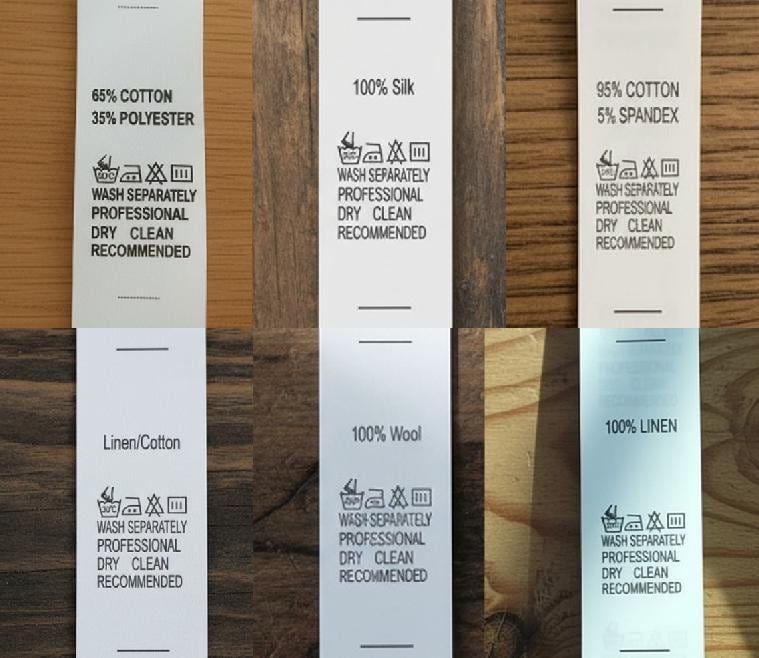
Dress pants come in different materials—each requires a tailored approach to avoid damage.
Cotton or Linen Dress Pants
- Can handle strong solvents and hot water.
- Tolerate bleach (for white cotton) after stain removal—check the label.
- Best for home treatment with mineral spirits or acetone.
Polyester or Synthetic Blends
- Use milder solvents like acetone-free nail polish remover.
- Always test first—some synthetics can melt or discolor.
- Wash in warm, not hot, water.
Wool or Silk Dress Pants
- Avoid all harsh solvents—they can weaken or dissolve delicate fibers.
- Use only cold water and mild soap.
- Do not scrub—gentle dabbing only.
- Best option: professional dry cleaning.
Always check the care label before applying any chemical.
Wash and Dry Without Setting the Stain
One wrong move in the final steps can undo all your work.
Washing Tips for Paint-Stained Pants
- Use heavy-duty detergent.
- Pre-treat with stain remover if needed.
- Wash alone to avoid transferring paint to other clothes.
- Use the hottest water safe for the fabric (check label).
The No-Heat Rule: Critical for Success
- Never use a dryer or iron until the stain is 100% gone.
- Heat permanently bonds paint to fibers.
- Air dry flat or on a hanger.
- Inspect closely—if any stain remains, repeat treatment.
Remove Old Paint Stains (6+ Months)
Even paint that’s been on your pants for months can be treated—with patience and the right method.
Step 1: Scrape and Identify
- Gently scrape off flaking paint.
- Confirm fabric and paint type to choose the correct solvent.
Step 2: Soak and Treat
- Soak in warm water and oxygen-based bleach (for color-safe fabrics) for several hours.
- Apply solvent (mineral spirits for oil-based, acetone-free remover for latex).
- Dab and blot repeatedly.
Step 3: Repeat and Reassess
- Multiple treatments are often needed.
- Wash between attempts to remove loosened paint.
- Air dry and inspect each time.
When to Take Dress Pants to a Dry Cleaner
Some stains and fabrics are too delicate for DIY methods.
Signs You Need Professional Help
- Delicate fabrics: Wool, silk, or fine blends.
- Expensive or formal pants where damage isn’t worth the risk.
- Home treatments failed after 2–3 attempts.
- Stains older than six months.
How to Prepare for a Dry Cleaner Visit
- Tell them the paint type if known.
- List all treatments you’ve tried—some solvents interfere with professional processes.
- Ask if they use specialized paint removers—many do.
Professionals have access to industrial-grade solvents and techniques not available at home.
Prevent Future Paint Stains on Dress Pants
Avoid repeat accidents with smart precautions.
Wear Protective Clothing When Painting
- Use an apron or old clothes when handling paint.
- Cover work areas with drop cloths.
Keep a Stain Removal Kit Handy
- Store supplies like dish soap, cloths, mineral spirits, and cotton balls in a cleaning kit.
- Act within minutes—fresh stains are 90% easier to remove than dried ones.
Key Takeaways for Removing Paint from Dress Pants
• Identify the paint type first—water-based vs. oil-based changes everything.
• Blot, never rub—rubbing spreads the stain deeper into fibers.
• Use cold water for fresh paint—hot water sets it permanently.
• Test solvents on a hidden area—avoid discoloration or fabric damage.
• Never use heat until the stain is gone—no dryer, no iron.
• Scrape excess paint gently—use a spoon or dull knife.
• Air dry and inspect—repeat treatment if needed.
• Wash in the hottest safe water with heavy-duty detergent.
• For wool or silk, go professional—don’t risk damage.
• Be patient—some stains take multiple rounds.
If the stain persists after several attempts, consider professional dry cleaning. With the right approach, you can get paint out of dress pants and keep them looking sharp for your next important occasion.
Frequently Asked Questions About Removing Paint from Dress Pants
Can I use nail polish remover to remove paint from dress pants?
Yes, but only if it’s acetone-based and the fabric can handle it. Always test on a hidden area first. Acetone works well on oil-based paint but can damage synthetics or dyes. For delicate fabrics, use acetone-free remover.
What should I do if the paint stain is already dry?
Scrape off loose paint, then apply the correct solvent based on paint type. For water-based paint, soak in warm water and use a baking soda paste. For oil-based, use mineral spirits or acetone. Repeat as needed and always air dry between attempts.
Will vinegar remove paint from dress pants?
Vinegar is not effective for removing dried or oil-based paint. It may help with very fresh water-based stains when combined with dish soap, but it’s not a reliable solution. Stick to proven methods like cold water rinsing, solvents, or oxygen-based cleaners.
Can I put dress pants with a paint stain in the washing machine?
Only after pre-treating the stain. Wash in the hottest water safe for the fabric, but never use the dryer until the stain is completely gone. Heat sets paint permanently.
Does hairspray remove paint from fabric?
No, modern hairspray does not contain enough alcohol to break down paint. This is an outdated myth. Use proper solvents like mineral spirits or acetone instead.
How do I know if my dress pants are ruined by paint?
If the stain remains after multiple correct treatments and professional cleaning, the fabric may be permanently stained. However, most paint stains—even old ones—can be reduced or removed with persistence and the right method.


