
You’ve invested in great pants—whether it’s a sharp pair of dress trousers, your go-to jeans, or lightweight chinos—but tossing them on a flimsy hanger or folding them haphazardly can ruin their fit and appearance over time. How to put pants on a hanger the right way isn’t just about organization—it’s about protecting your wardrobe. Improper storage leads to stretched waistbands, permanent creases, faded fabric, and misshapen legs. The good news? With the correct hanger, a few simple steps, and consistent technique, you can keep every pair looking crisp and ready to wear.
This guide breaks down exactly how to hang pants like a professional. You’ll learn which hangers to use (and which to toss), how to align and smooth your pants for a wrinkle-free hang, and how to store them long-term without damage. Whether you’re dealing with delicate wool dress pants or everyday denim, these methods will extend the life of your clothes and save you time on ironing and repairs.
Choose the Right Hanger for Your Pants

Use Padded or Non-Slip Hangers for Everyday Pants
For jeans, chinos, and casual slacks, padded hangers are your best choice. Their soft surface prevents shoulder dents and reduces stress on the waistband. Non-slip hangers with rubberized or textured bars grip the fabric securely, keeping pants from sliding off—especially useful in tight or humid closets. These hangers distribute weight evenly, preserving the original cut of your pants.
Never Use Wire Hangers—Replace Them Immediately
Wire hangers from the dry cleaner may be free, but they damage fabric. They create sharp creases, stretch the waistband, and can leave permanent marks on delicate materials like wool or silk blends. Replace all wire hangers with sturdy, fabric-friendly alternatives. It’s a small investment that pays off in garment longevity.
Use Clip Hangers for Dress Pants with a Crease
Tailored trousers rely on a sharp front crease, and clip-style trouser hangers are designed to maintain it. The clips attach to the inner waistband or hem, allowing the pants to hang straight without distorting the fabric. This method prevents sagging and keeps the leg alignment true. For formal wear, clip hangers outperform waistband draping every time.
Prepare Pants Before Hanging
Turn Dark or Delicate Pants Inside Out
Dark denim, corduroy, and delicate blends fade when exposed to light. Turn these pants inside out before hanging to protect the outer fabric. This simple step reduces UV damage and surface wear, especially in closets with natural light. While optional for casual pants, it’s essential for premium or frequently worn dress trousers.
Lay Pants Flat to Align and Smooth
Always start on a clean, flat surface. Lay the pants with the front side up and legs fully extended. Smooth out any folds or twists with your hands. This ensures even distribution when placing them on the hanger and prevents bunching that leads to unnatural creases.
Hang Pants Step by Step
Center the Waistband on the Hanger
Position the hanger at the middle of the waistband, aligning the zipper and button area with the hanger’s center. Make sure both sides are balanced—uneven hanging causes lopsided stress and can warp the waistband over time.
Slide the Waistband Over the Hanger
Carefully pull the waistband over the top of the hanger. If using a clip hanger, attach the clips to the inside of the waistband or along the hem—never clip the outer fabric, as this can leave visible marks. For non-clip hangers, ensure the waistband lies flat and fully covers the bar.
Let Legs Hang Straight and Untwisted
Allow both pant legs to drape naturally downward. Do not fold, twist, or tuck the legs. Twisting distorts the grain of the fabric and creates creases that mimic poor tailoring. The goal is a smooth, vertical hang that mirrors how the pants sit when worn.
Smooth Out Wrinkles Right After Hanging
Once on the hanger, gently tug the fabric from waist to hem to release minor wrinkles. For stubborn creases—especially in wool, linen, or cotton—use a garment steamer while the pants are hanging. Avoid direct ironing on delicate fabrics; steaming is safer and more effective.
Store Pants to Prevent Damage
Give Each Pair at Least 1–2 Inches of Space
Hang pants with clearance on both sides. Crowding causes friction, wrinkles, and compressed fabric. If your closet is tight, use vertical trouser organizers or stackable hangers designed for multiple pairs. Rotate seasonal items to keep the space manageable.
Keep Pants Away from Light and Moisture
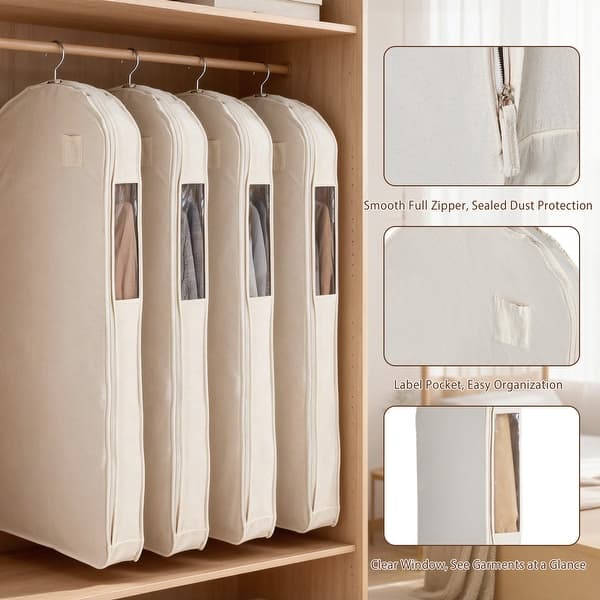
Store in a dark, dry area to prevent fading and mildew. Avoid basements or sunlit closets. For long-term storage, use breathable cotton garment bags—they protect against dust while allowing airflow, which prevents mustiness and fabric breakdown.
Special Care for Different Pants
Hang Dress Pants with Clips to Maintain the Crease
For tailored trousers, always use clip hangers. Attach clips evenly along the inner waistband or hem. This method keeps the leg straight and preserves the front crease. Never drape dress pants over standard hangers or fold them—both methods ruin the structure.
Protect Dark Denim and Delicate Fabrics
Dark jeans and delicate blends benefit from inside-out hanging and padded hangers. The padding reduces pressure points, while the inside-out method shields the outer fabric from light and abrasion. For extra protection, store in cotton garment bags when not in regular rotation.
Avoid Common Hanging Mistakes
Fix Twisted or Bunched Pants Immediately
If the legs hang unevenly or appear twisted, take the pants down and rehang them. Check that both legs are aligned and hanging parallel. A quick visual check before closing the closet door prevents long-term distortion.
Stop Using Wire Hangers—Recycle or Discard Them
Wire hangers are the top cause of fabric damage in stored pants. They bend, leave marks, and fail to support the garment’s weight. Replace them all with padded, non-slip, or clip-style hangers. A set of 5–10 quality hangers costs less than a single pair of good pants.
Don’t Skip Wrinkle Removal After Hanging
Even clean, dry pants can develop storage wrinkles. Always smooth or steam them after hanging. Skipping this step means you’ll need to re-iron or re-wash later—defeating the purpose of proper storage.
Key Takeaways for Hanging Pants the Right Way
• Always use the right hanger: padded or non-slip for casual pants, clip-style for dress trousers
• Never use wire hangers—they damage fabric and distort shape
• Turn dark or delicate pants inside out to prevent fading
• Let legs hang straight, untwisted, and fully extended
• Smooth or steam wrinkles immediately after hanging
• Store with space—crowding causes wrinkles and wear
Properly hung pants should need minimal prep before wearing. By following these steps, you’ll keep your wardrobe looking sharp, reduce ironing time, and extend the life of every pair.
Frequently Asked Questions About Hanging Pants
How do you hang pants without creating creases?
Use a clip-style hanger for dress pants or a padded hanger for casual wear. Align the waistband evenly, let legs hang straight, and avoid folding or twisting. For crease-prone fabrics, clip the inner waistband to maintain structure without adding new folds.
Can you hang jeans on a hanger?
Yes, but use a padded or non-slip hanger to prevent stretching and dimples. Hang them by the waistband with legs straight down. For dark denim, turn them inside out first to preserve color and reduce surface wear.
Should dress pants be hung or folded?
Dress pants should always be hung, not folded. Folding destroys the front crease and creates deep, hard-to-remove wrinkles. Use a clip hanger to maintain the crease and keep the legs aligned.
How do you store pants in a small closet?
Use vertical trouser organizers or stackable clip hangers to save space. Rotate seasonal pants in and out of storage. Always leave 1–2 inches between garments to prevent wrinkles and allow airflow.
Why do my pants keep sliding off the hanger?
You’re likely using smooth or wire hangers. Switch to non-slip or rubberized hangers that grip the waistband. Ensure the hanger is wide enough for your pants and that the waistband fully covers the bar.
How often should you check stored pants?
Inspect stored pants every 2–3 weeks. Rotate their positions to prevent prolonged pressure, and check for signs of moisture, fading, or insect damage—especially in seasonal storage.
How to Keep Pants Sharp and Ready to Wear
Hanging pants correctly is a small habit with big rewards. By choosing the right hanger, aligning the waistband, letting legs hang straight, and storing with care, you protect the fabric, color, and fit of every pair. Whether it’s jeans or tailored trousers, proper hanging means less ironing, fewer repairs, and clothes that always look their best. Start today—replace your wire hangers, smooth out those wrinkles, and give your pants the care they deserve.


