
Leather pants make a powerful fashion statement, but their sleek appearance depends on proper care. One of the most overlooked aspects? How to hang leather pants correctly. Hanging them the wrong way can lead to stretched waistbands, permanent creases, and unsightly hanger marks—especially on glossy or form-fitting styles. Whether you own real leather or high-quality faux leather, improper storage compromises both look and longevity.
The solution lies in using the right hanger, correct technique, and ideal storage environment. Avoid wire hangers, never hang by the legs, and protect your pants from heat, humidity, and light. This guide walks you through every step—from choosing padded hangers to knowing when folding beats hanging—so your leather pants stay smooth, wrinkle-free, and ready to wear. You’ll learn how to store leather pants long-term without sacrificing shape or finish.
Choose the Best Hanger for Leather Pants
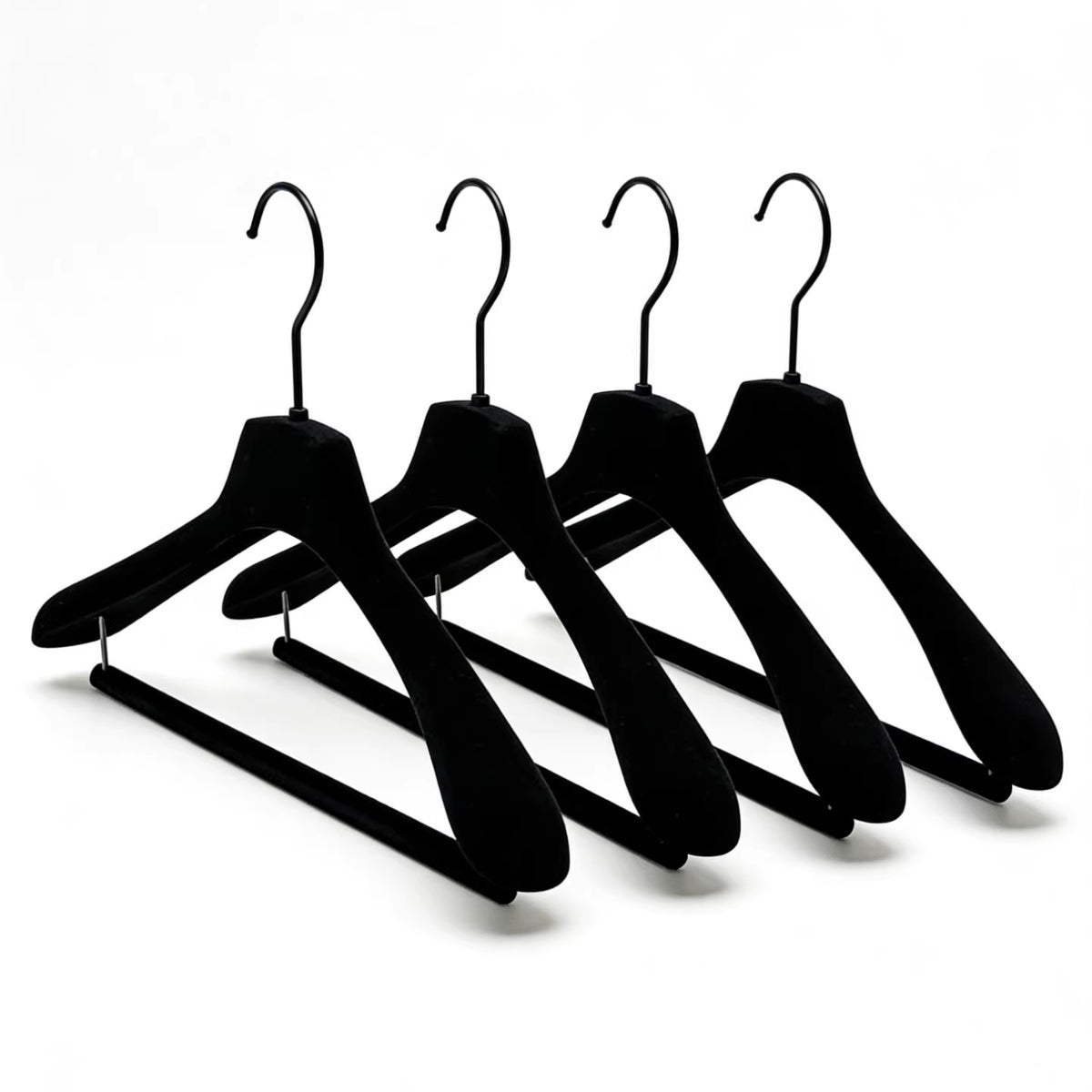
The hanger you use determines whether your leather pants stay pristine or develop lasting damage. The wrong type creates pressure points that distort the waistband and leave visible dents, especially on smooth, dark finishes.
Use Padded or Wide-Shoulder Hangers
Padded hangers with thick, soft shoulders evenly distribute weight and prevent indentations at the waist and hips. Choose wide-bottomed designs that support the full circumference of the waistband without pinching. These hangers maintain the garment’s natural shape and work well for other structured pieces like skirts and tailored trousers. Replace any flattened or worn hangers to ensure continued protection.
Try Velvet or Faux Leather-Coated Hangers
Hangers with velvet or microfiber coating offer a non-slip surface that grips leather gently. This reduces friction and prevents shine marks caused by rubbing. The soft texture keeps pants securely in place, even in crowded closets. These are ideal for tight-fitting or slippery leather styles that tend to slide off standard hangers.
Consider J-Shape or S-Shaped Hangers
J-hook or S-shaped hangers are designed specifically for pants. Their curved design supports the waistband without creating pressure points, helping the legs hang straight and preventing sagging. Unlike flat hangers, they reduce stress on the fabric and help maintain the natural drape of leather pants. Just make sure the hook is wide enough to avoid pinching the waistband.
Avoid Thin or Wire Hangers at All Costs
Never use wire or thin plastic hangers. They concentrate weight on small contact points, leading to sharp creases, stretched waistbands, and permanent dents—especially noticeable on shiny surfaces. Over time, this damage becomes irreversible, affecting both fit and appearance. Replace any flimsy hangers immediately to protect your investment.
Hang Leather Pants by the Waistband Only
How you place your leather pants on the hanger is just as important as the hanger itself. Incorrect techniques cause stretching, twisting, and misshapen legs.
Slide the Waistband Over the Hanger Gently
Always hang leather pants by the waistband, never by the cuffs or legs. Gently slide the waistband over the hanger, ensuring it sits evenly on both sides. Avoid yanking or forcing the fabric, which can stress seams and cause micro-tears—especially in bonded materials like faux leather.
Align the Legs and Remove Bunching
After hanging, pull the legs down gently to align the inseams and remove any bunching. This helps maintain the original drape and prevents unnatural folds from setting in. Make sure the pants hang straight—twisted or skewed positioning can lead to uneven creasing over time.
Prevent Sagging and Hip Distortion
Check that the garment doesn’t sag or wrinkle at the hips. If the hanger is too narrow or lacks support, the waistband may collapse inward. Re-adjust or switch to a wider, sturdier hanger if needed. Proper alignment ensures even weight distribution and preserves the pant’s silhouette.
When to Fold Leather Pants Instead of Hanging
While hanging works for short-term wear, folding is often safer for long-term storage, especially if you want to eliminate hanger marks entirely.
Ideal for Long-Term or Off-Season Storage
If you won’t wear your leather pants for weeks or months, folding reduces stress points caused by prolonged hanging. Extended suspension can stretch the waistband or create faint creases along the hanger edges. Folding allows the garment to rest evenly, maintaining its shape without external pressure.
Best for Small Closets or Packed Wardrobes
In limited spaces, folding saves room and prevents overcrowding. Hanging too many items increases friction and the risk of snags. Folded pants stored in drawers or bins stay protected and organized.
Eliminates Hanger Marks Completely
Even the best hangers leave subtle impressions over time. Folding removes this risk, keeping the waistband and hips smooth. This is especially important for glossy or tight-fitting leather styles where any mark is highly visible.
How to Fold Leather Pants the Right Way
Folding requires care to avoid sharp creases or material fatigue at high-stress areas.
Lay Flat on a Clean, Smooth Surface
Start by placing the pants on a clean, flat surface like a bed or table. This gives you full control and prevents dirt from getting trapped in folds. Smooth out any existing wrinkles with your hands before beginning.
Fold Lengthwise Along the Seams
Fold in half lengthwise, bringing one leg over the other so the inseams align. Keep the waistband at the top and ensure the crotch area lies flat without bunching. This maintains symmetry and avoids twisting.
Fold Again Only if Necessary
For tighter storage, fold in half again from side to side, creating a rectangle. But avoid folding at the knee or hip—these are high-movement zones prone to permanent creasing. Instead, fold below the knees or across the lower legs.
Use Acid-Free Tissue Paper Between Folds
Place acid-free tissue paper between layers to reduce friction and absorb minor moisture. This protects the finish and prevents layers from sticking together, especially in humid environments. Never use regular paper, which can transfer ink or acidity over time.
Store Leather Pants in a Safe Environment
Even perfect hanging or folding fails if the storage conditions damage the material.
Keep in a Cool, Dry Place
Always store leather pants in a cool, dry location away from radiators, heaters, or sunlight. High temperatures cause faux leather to crack and real leather to dry out. Humidity promotes mold and weakens bonded fabrics, leading to peeling or delamination.
Protect from Direct Light
Avoid direct sunlight or strong artificial light, which fades color and degrades the surface finish. UV rays break down polymers in faux leather and make real leather brittle. Use opaque garment bags or closed drawers for maximum protection.
Rotate Stored Pants Regularly
To prevent flat spots or set-in folds, rotate your leather garments every few weeks if stored long-term. Simply refold or rehang them slightly differently to shift pressure points. This keeps the material supple and avoids permanent creases.
Use Breathable Garment Bags for Extra Protection
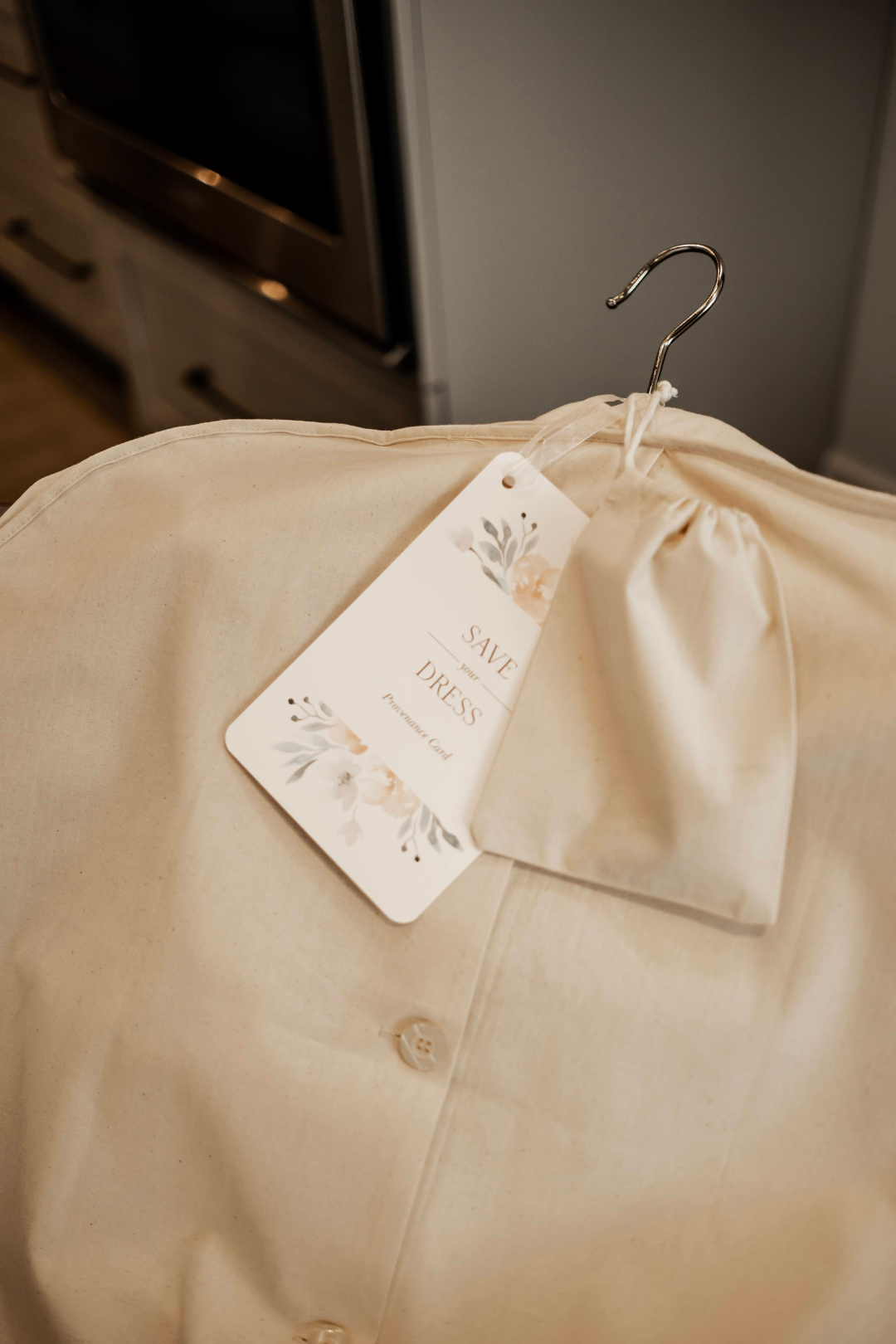
A breathable cover adds a final layer of defense against dust, light, and environmental damage.
Choose Fabric or Mesh Over Plastic
Never use plastic bags—they trap moisture and encourage mildew growth. Instead, opt for breathable fabric or mesh garment bags that allow airflow while shielding from dust and light. Cotton or canvas bags are ideal for both short- and long-term storage.
Use for Off-Season or Infrequent Wear
For seasonal items, store in garment bags inside drawers or bins. This keeps them clean and protected without sacrificing breathability. Avoid stacking heavy items on top, which compresses the fabric and creates unwanted creases.
Avoid These Common Leather Pants Storage Mistakes
Even small errors can ruin your leather pants over time.
Never Hang by the Legs or Cuffs
Hanging by the legs or cuffs stretches the fabric and distorts the fit. Leather and faux leather lack elasticity, so stretched areas won’t bounce back. This mistake is especially damaging to skinny or form-fitting styles.
Avoid Sharp Creases at Knees and Hips
Whether folding or hanging, never create sharp folds at high-movement areas. Knees and hips are already prone to creasing from wear; adding storage-related folds makes them permanent. Use gentle shaping instead of pressing or flattening.
Don’t Stack Heavy Items on Folded Pants
Placing heavy clothes or boxes on top of folded leather pants compresses the material and creates deep, lasting impressions. Store them on top or in dedicated compartments where they won’t bear weight.
Keep Leather Pants Looking New Long-Term
Preserving your leather pants is an ongoing process—not just a one-time task.
Smooth Out Wrinkles by Hand
Before hanging or folding, smooth out wrinkles with your palms. Avoid ironing or steaming, which can damage the surface. Most light creases will relax naturally when worn again.
Invest in High-Quality Hangers
Treat padded or velvet hangers as essential, not optional. A few good hangers protect multiple high-value garments. Replace worn or flattened ones promptly to maintain effectiveness.
Air Out After Long Storage
If stored for more than a month, take out and air your leather pants for 30–60 minutes. This prevents musty odors and keeps the material fresh. Hang them in a shaded, well-ventilated room—never in direct sun.
Frequently Asked Questions About Hanging Leather Pants
Can I hang leather pants on a regular hanger?
No. Regular wire or thin plastic hangers create sharp creases and stretch the waistband. Use padded, wide-shoulder, or velvet-coated hangers to prevent damage and maintain shape.
Should I fold or hang leather pants?
Hang for short-term wear using a padded hanger. Fold for long-term storage to avoid hanger marks and waistband distortion. Always fold gently and use acid-free tissue paper.
How do I prevent hanger marks on leather pants?
Use padded, wide, or velvet hangers that distribute weight evenly. Avoid wire hangers. For zero marks, fold and store in a breathable garment bag instead of hanging.
Can I use a plastic bag to store leather pants?
No. Plastic traps moisture and promotes mildew. Use breathable cotton or mesh garment bags instead to protect from dust and light while allowing airflow.
Why do my leather pants develop creases when hung?
Creases form when the hanger is too narrow or the pants are twisted. Use a wide, padded hanger, hang by the waistband only, and straighten the legs after hanging to prevent folds.
How often should I check stored leather pants?
Check every 3–4 weeks if stored long-term. Refold or rehang slightly differently to shift pressure points and prevent permanent creases or flat spots.
Key Takeaways for Storing Leather Pants the Right Way
To keep your leather pants looking sharp and wrinkle-free, always use padded, wide, or velvet hangers and hang by the waistband only—never by the legs. Avoid wire hangers and plastic bags, which cause damage and trap moisture. For long-term storage, fold gently with acid-free tissue paper and place in a breathable garment bag. Store in a cool, dry, dark place and rotate occasionally to prevent set-in creases.
By following these steps, you’ll protect your leather pants from stretching, shine marks, and environmental damage. Whether hanging or folding, the goal is to preserve shape, finish, and fit—so your bold style stays flawless every time you wear them.


