
Linen pants are a summer favorite—lightweight, breathable, and effortlessly stylish. But there’s one common complaint: they start out stiff and scratchy. If you’ve ever wondered how to soften linen pants and make them more comfortable against your skin, you’re not alone. The good news? Linen naturally softens over time, especially with proper care. And with a few smart techniques, you can speed up the process and transform stiff, new linen into a cozy, lived-in favorite after just one wash.
In this guide, you’ll learn proven methods to soften linen pants quickly and safely—without damaging the fabric. From washing tricks to natural fabric softeners and wear-based conditioning, these steps preserve linen’s strength while improving comfort. Whether your pants are brand new or just feeling a bit rigid, these tips will help you achieve that buttery-soft texture you’re after.
Wash Linen Pants Before First Wear
Always wash linen pants before wearing them for the first time. Factory-treated linen contains sizing, a starch-based coating that gives the fabric a crisp look but adds noticeable stiffness. Washing removes this layer and kickstarts the softening process.
Use Cold Water on Gentle Cycle
Wash your linen pants in cold water using the gentle or hand-wash cycle. Hot water can weaken natural fibers and lead to shrinkage, especially with non-prewashed linen.
• Set your machine to the delicate setting
• Turn pants inside out to protect the outer surface
• Avoid overloading the drum to reduce friction and pilling
Cold water preserves the integrity of the fibers while gently breaking down stiffness.
Choose a Mild Liquid Detergent
Harsh detergents can strip linen’s natural resilience and cause long-term damage. Opt for a gentle, liquid detergent that’s free from bleach, enzymes, and optical brighteners.
• Use plant-based or wool-safe formulas
• Avoid powdered detergents—they don’t dissolve well in cold water and may leave gritty residue
• Skip fabric softeners during the first few washes (they coat fibers and reduce breathability)
A mild wash protects the fabric while preparing it for deeper softening.
Boost Softness with Natural Wash Additives
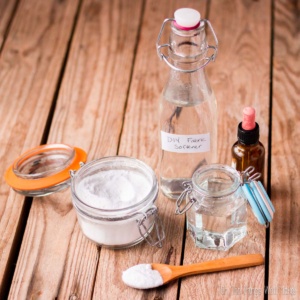
Enhance your wash cycle with safe, natural ingredients that relax linen fibers and remove hidden stiffness.
Add White Vinegar During Rinse
White vinegar is a powerful natural softener that dissolves detergent buildup and mineral deposits from hard water.
• Pour ½ cup of distilled white vinegar into the fabric softener dispenser
• Or add it manually during the final rinse
• No vinegar smell remains after drying
The acidity gently breaks down stiffness and restores a smoother hand feel.
Pro Tip: Vinegar helps neutralize alkaline residues from detergents, balancing fabric pH and improving softness.
Use Baking Soda to Loosen Fibers
Baking soda softens water and gently exfoliates linen fibers, making them more flexible.
• Add ¼ cup baking soda directly to the drum with your detergent
• Do not mix with vinegar in the same cycle (they react and cancel each other out)
• Use once per wash for maximum effect
This method is especially helpful for brand-new linen with residual processing chemicals.
Dry Linen Pants the Right Way

Improper drying can leave linen stiff and brittle. The key is to dry gently while preserving fiber flexibility.
Air Dry Flat or Hang Dry
Air drying is the safest method to maintain softness and shape.
• Lay pants flat on a drying rack or hang on a padded hanger
• Keep out of direct sunlight to prevent fading
• Gently stretch seams and legs while damp to maintain fit
Drying flat reduces stress on fibers and prevents stiffness from uneven drying.
Tumble Dry Briefly on Low Heat
For faster softening, use the dryer—but only for a short burst.
• Dry on low heat for 5–10 minutes
• Remove while pants are still slightly damp
• Finish drying in the air to avoid over-drying
Why it works: Light tumbling fluffs fibers and disrupts stiffness without damaging the fabric.
Hand-Softening Techniques for Instant Results
Sometimes, physical manipulation makes the biggest difference in texture.
Crumple Damp Linen by Hand
After washing, manually crumple the damp pants to break up rigid fiber bonds.
• Focus on stiff areas like waistbands, pockets, and creases
• Squeeze and twist sections repeatedly
• Repeat 10–15 times across the garment
This mimics years of wear in minutes, creating a softer drape.
Roll in a Towel to Remove Excess Moisture
Gently pressing out water prepares linen for soft drying.
- Lay pants flat on a clean, dry towel
- Roll the towel tightly with pants inside
- Press down or walk on the roll to absorb water
- Unroll and air dry
This reduces drying time and prevents stiffness from prolonged dampness.
Smooth Linen with Steam or Iron
Even softened linen can feel rough if wrinkled. Smoothing enhances tactile comfort.
Steam for Instant Softness
A garment steamer is ideal for finishing linen pants.
• Hold steamer 2–3 inches from the fabric
• Pull fabric taut with your free hand as you go
• Move in smooth, downward strokes
Steaming adds moisture and heat that further relax fibers and eliminate creases.
Iron with a Damp Press Cloth
If you don’t have a steamer:
• Lightly dampen pants with a spray bottle
• Set iron to linen or high heat
• Place a thin cotton cloth between iron and fabric
• Press gently—do not drag or scrub
Warning: Never iron dry linen—it can scorch. Always apply light moisture first.
Break In Linen Pants Through Regular Wear
The most effective softening method is simply wearing your pants often.
Wear for Casual Activities
Put on your linen pants for walks, errands, or relaxed days at home.
• Body heat and movement help fibers relax
• Skin contact gradually smooths rough spots
• Noticeable softening typically occurs after 3–5 wears
Expert Note: Many linen wearers say their favorite pieces feel best after 10+ wears. Consistent use delivers unmatched comfort.
Avoid These Linen Softening Mistakes
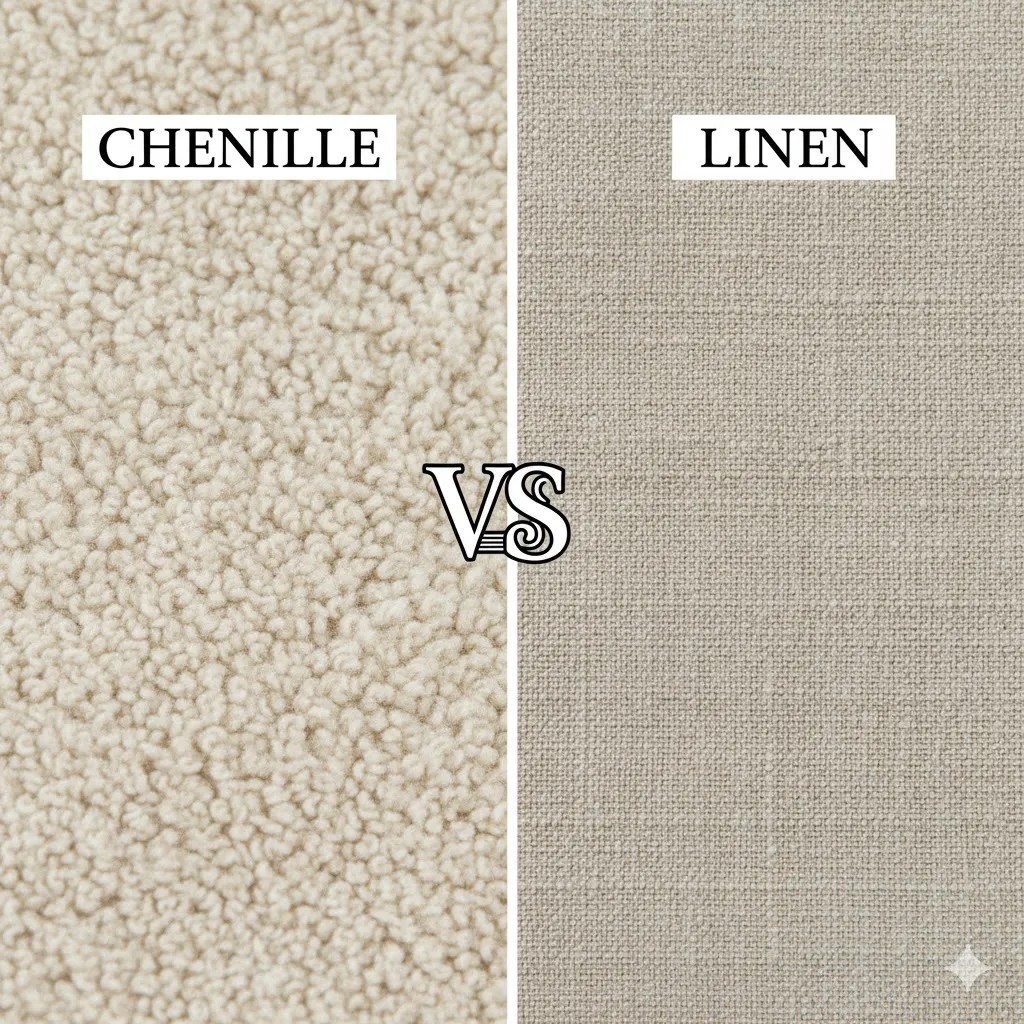
Some common habits can damage linen or undo your softening efforts.
Don’t Use Chemical Fabric Softeners
Liquid or dryer sheet softeners coat fibers with silicone, reducing linen’s breathability and absorbency.
• Causes buildup that dulls fabric over time
• May lead to yellowing or trapped odors
• Replaces natural softness with artificial slickness
Stick to vinegar or manual methods instead.
Never Soak Linen for Hours
Prolonged soaking weakens the cellulose fibers in linen.
• Limit wash cycles to 20–30 minutes
• Never leave wet linen bunched up overnight
• Rinse thoroughly and dry promptly
Extended moisture exposure can lead to pilling or tears.
Skip Dry Cleaning for Softening
Dry cleaning solvents don’t hydrate or soften linen fibers.
• Offers no softening benefit
• May leave chemical residues
• Best reserved for blended fabrics or delicate trims
For softness, home washing is more effective.
Maintain Softness with Long-Term Care
Keep your linen pants soft and durable with consistent, gentle maintenance.
Wash Every 3–5 Wears
Linen doesn’t need frequent washing. Over-washing wears down fibers.
• Air out between uses
• Spot clean minor stains
• Full wash only when necessary
Less washing means longer-lasting softness.
Store Clean and Unfolded
Always store clean, dry linen pants in a breathable space.
• Avoid plastic bags—they trap moisture and cause mildew
• Use cotton garment bags for long-term storage
• Keep away from direct sunlight to prevent fading
Proper storage prevents stiffness and odor buildup.
Refresh Between Washes
Revive softness without rewashing.
• Mist with water and hang to air out
• Use a natural fabric refresher spray
• Lightly steam to remove wrinkles and odors
This keeps pants feeling fresh and supple.
Key Takeaways for Softening Linen Pants
Softening linen pants is a simple process that combines smart washing, natural treatments, and regular wear. Wash in cold water with mild detergent, add white vinegar or baking soda, and dry gently to preserve fiber softness. Use hand-crumpling, steaming, and brief tumbling for faster results. Most importantly, wear your pants often—the natural movement and body contact do wonders over time. Avoid chemical softeners, long soaks, and dry cleaning to protect linen’s integrity.
To keep your linen soft long-term, wash only when needed, store properly, and refresh between wears. With consistent care, your stiff new pants will evolve into a comfortable, well-loved staple.
Frequently Asked Questions About Softening Linen Pants
Can I soften linen pants without washing them?
Yes, you can soften unwashed linen pants by wearing them frequently and using manual techniques. Crumple the fabric by hand while slightly damp, or use a steamer to relax the fibers. However, washing removes factory sizing and delivers faster, more even softening.
Does vinegar really make linen softer?
Yes, white vinegar softens linen by dissolving detergent residue and mineral buildup. It also balances fabric pH, which helps fibers feel smoother. Use ½ cup in the rinse cycle—no vinegar smell remains after drying.
How many washes does it take to soften linen pants?
Most linen pants feel noticeably softer after 2–3 washes. With proper care and regular wear, they continue to improve over time. Many people find their linen most comfortable after 10+ wears and washes.
Can I use baking soda and vinegar in the same wash?
No, do not mix baking soda and vinegar in the same cycle. They react chemically and neutralize each other, reducing their effectiveness. Use one or the other per wash—vinegar in the rinse, baking soda with detergent.
Why do my linen pants feel stiff after air drying?
Air drying can leave linen stiff if fibers dry in a rigid state. To prevent this, remove pants from the washer while slightly damp, gently stretch them, and crumple by hand. Light steaming or ironing after drying also restores softness.
Is it safe to tumble dry linen pants?
Yes, but only briefly. Use low heat for 5–10 minutes to fluff fibers, then air dry the rest of the way. Avoid full tumble drying, which can over-dry and weaken the fabric.


