
Long pants that drag on the ground are more than just a fashion flaw—they’re a safety hazard and a fast track to ruined hems. Whether you’re dealing with wide-leg trousers, baggy jeans, or flowy palazzo pants, excess fabric pooling on the floor picks up dirt, frays quickly, and increases your risk of tripping. The good news? You don’t need to replace your favorite pair. With simple adjustments and smart styling, you can fix long pants to skim the floor perfectly—no tailor required.
This guide walks you through proven methods to stop long pants from dragging, from no-sew fixes to professional-style hemming. You’ll learn how shoe choice affects pant length, how to create a designer-inspired ankle crease, and how to sew a clean, durable hem. Whether you’re shortening for function or fashion, these techniques ensure your pants fit flawlessly across different shoes and occasions.
Wear Thick-Soled Shoes to Lift the Hem

The fastest way to prevent long pants from dragging is choosing footwear with thick soles. Sole thickness directly impacts how close the hem sits to the ground, and a small elevation can make all the difference.
Test Your Pants with Different Shoe Types
Start by wearing your pants with thin-soled shoes like flats or loafers. Notice how much the fabric pools or brushes the floor. Then switch to thick-soled options—chunky sneakers, platform sandals, or combat boots. You’ll likely see the hem lift significantly, eliminating ground contact without any alterations.
If you regularly wear thick soles, this may be all the solution you need. But if you plan to wear flats or heels, consider a hem adjustment for full versatility.
Match Shoes to Your Outfit and Activity
- Casual wear: Chunky sneakers or boots add height and style
- Office wear: Heels or dress shoes with a slight platform elevate the leg
- Winter wear: Ankle or knee-high boots support longer hems without dragging
Choosing shoes based on your most common use ensures long-term functionality and reduces the need for frequent alterations.
Mark the Correct Hem Length Before Cutting
Never cut or sew until you’ve tested the ideal length. A small mistake can leave pants too short, so precision is essential.
Pin and Fold for a Test Fit
Fold the hem up by 1 cm and secure it with safety pins. Wear your intended shoes and walk around to see how the fabric falls. Does it still drag? Is it too high? Adjust the fold incrementally until the pant leg breaks cleanly over the shoe—resting lightly without pooling.
Check the hem from all angles in a mirror. Make sure it’s even front, back, and sides. This temporary fix lets you test both look and function before making any permanent changes.
Consider Fabric Drape and Weight
Heavier fabrics like denim or wool hang lower than lightweight cotton or rayon. If your pants are made from dense material, you may need to shorten them slightly more to prevent sagging over time. Always test after pinning—fabric behavior changes with movement and weight.
Insert a Stiff Board to Prevent Sewing Puckers
Sewing a smooth hem on wide-leg or flowy pants is tricky—the fabric often shifts or puckers. A simple trick: slide a stiff board or cardboard inside the pant leg before sewing.
Keep Fabric Flat During Stitching
Place the board directly under the folded hem to stabilize the fabric. This prevents the needle from catching extra layers and ensures even, flat stitching. It’s especially helpful for bulky or slippery materials.
Use a recycled cereal box or file folder—just make sure it’s narrow enough to fit through the leg opening but wide enough to support the hem area.
Sew a Clean, Durable Hem
Once the length is pinned and tested, make it permanent with the right stitch. Your choice depends on the pant style and your sewing skill.
Use a Blind Hem Stitch for Invisible Finish
A blind hem stitch gives a professional, nearly invisible result. From the outside, only tiny thread bites are visible. Here’s how:
- Fold the raw edge under once, then fold again to encase it
- Use a needle to catch just a few threads of the main fabric every few stitches
- Alternate between the folded hem and outer fabric
This method preserves the clean front look of dress pants or wide-leg trousers.
Choose a Straight Stitch for Strength
For jeans or casual pants, a straight stitch is faster and more durable. Sew about 1/4 inch from the folded edge. While visible, it withstands frequent wear and washing.
Always reinforce the hem by stitching both outer and inner layers. Backstitch at the start and end to prevent unraveling.
Create a Designer-Look Ankle Crease with 8 cm Shortening

For a fashion-forward fix, especially on wide-leg pants, try the 8 cm shortening technique that creates a tailored crease at the ankle.
Shorten by 8 cm and Add Back Fabric
Cut or fold the hem up by 8 cm (about 3 inches). Then, add a small extension of fabric to the back of the pant leg—this allows the front to drape forward while the back stays slightly longer. When worn, this creates a soft fold or crease right above the ankle.
The result? A high-end, intentional silhouette that mimics designer tailoring.
Reinforce the Crease for Longevity
The crease may flatten during walking, especially with fluid fabrics. To help it hold:
- Apply lightweight interfacing to the inside of the front leg
- Press the fold with an iron after sewing
- Avoid over-washing, which can break down the crease memory
This technique works best on medium-weight fabrics that can hold a fold without stiffness.
Avoid Common Hemming Mistakes
Even small errors can ruin a clean hem. Watch for these frequent issues.
Prevent Uneven Hems
Always measure and pin with shoes on. Stand straight and have someone check the hem from behind. An uneven hem—higher in front, lower in back—looks unprofessional and can still drag.
Never Cut Too Much Too Soon
Don’t cut off excess fabric until you’re certain of the length. Start with a small fold (1–2 cm), test it, then shorten more if needed. You can always cut more, but you can’t add fabric back.
Skip Glue or Tape for Everyday Wear
While fusible hem tape works for temporary fixes, it’s not durable for regular wear or washing. It’s fine for a one-time event, but for daily pants, sewing is the only reliable method.
Adjust Based on Pant Style and Rise
Different pant styles require different hemming approaches. The rise—high, mid, or low—affects how the pants hang and where the hem should fall.
High-Waisted Pants Need Proportional Hems
High-waisted styles elongate the leg, so the hem should hit just above the shoe. Too much fabric overwhelms the look. Keep the break minimal for a balanced silhouette.
Baggy Pants Require Less Break
Loose-fitting pants already have volume. A slight break (small fold over the shoe) is enough—avoid excessive stacking, which increases tripping risk.
Maintain and Re-Adjust Over Time
Hems aren’t always permanent. Your needs may change with new shoes, weight shifts, or style preferences.
Reopen Hems for Reuse
If you shorten pants and later want to wear them with flats, carefully rip the seam with a seam ripper. Most hems are designed to be undone, especially if you left extra fabric when cutting.
Refresh Worn Hems
Over time, hems can fray or stretch. Re-press them with an iron and re-stitch if needed. For frequently worn pants, reinforce with double stitching or a contrasting topstitch for style and strength.
Try No-Sew Fixes for Quick Adjustments
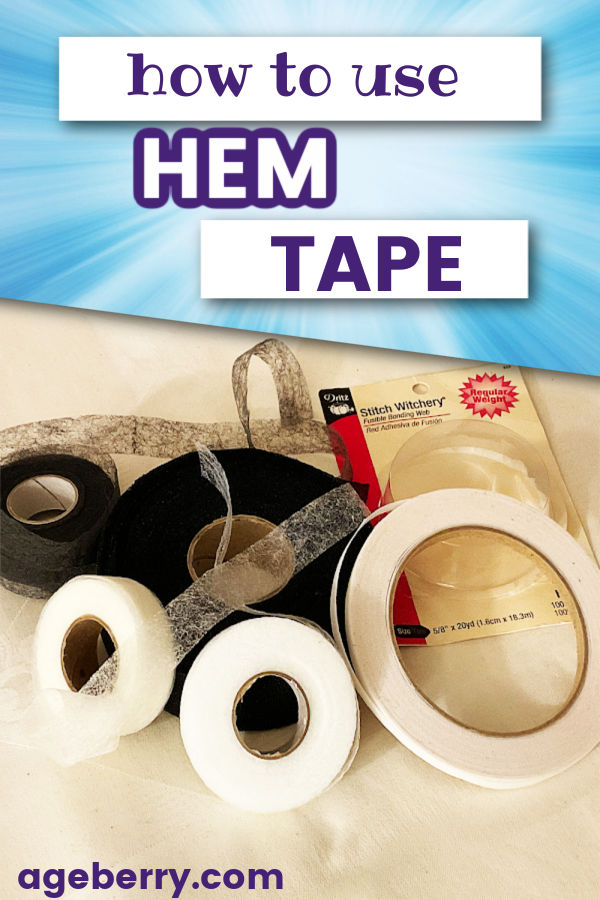
If you’re not ready to sew—or need a temporary solution—several no-sew options work well.
Use Hem Tape or Fabric Clips
- Fusible hem tape: Iron-in adhesive that bonds fabric layers
- Fabric clips or magnetic holders: Hidden fasteners that lift the hem discreetly
These are ideal for travel, rentals, or testing a new length before sewing.
Cuff or Tuck for Style
- Cuffing: Roll the hem 1–2 times for a casual, cropped look
- Tucking: Pull pants into boots for a sleek, intentional tuck
Both keep fabric off the ground while adding personality.
See a Tailor for Delicate or Tailored Pants
For silk, linen, or structured trousers, consider a professional tailor. They can:
- Match thread color perfectly
- Use industrial machines for durability
- Apply advanced techniques like chain stitching (common in suiting)
A $15–$30 alteration can extend the life of a $100+ pair—worth the investment.
Key Takeaways for Stopping Pants from Dragging
Test Before You Cut
Always walk, sit, and move in pinned pants. Your stride affects how fabric falls. A hem that looks perfect standing may drag when you walk.
Prioritize Function Over Fashion
A stylish crease is great, but safety comes first. If the hem still brushes the ground during movement, shorten it further.
Own Multiple Hem Lengths
If you wear the same pants with heels and flats, consider having two pairs altered differently—or keep one unaltered and use shoe strategy to manage length.
Frequently Asked Questions About How to Make Long Pants Not Drag
How much should pants break over shoes?
Pants should have a slight break—just one small fold over the shoe. No fabric should touch the ground when standing or walking. For a modern, clean look, aim for a “no-break” hem that skims the top of your shoes.
Can I fix dragging pants without sewing?
Yes. Wear thick-soled shoes, use fusible hem tape, or cuff the legs. These no-sew methods work well for temporary fixes or testing new lengths before sewing.
Why do my wide-leg pants always drag?
Wide-leg pants have more fabric and weight, causing them to hang lower. Combine thick-soled shoes with a proper hem adjustment. For a stylish fix, try the 8 cm shortening technique to create a tailored ankle crease.
How do I hem pants without cutting them?
Fold the hem up and secure it with safety pins or hem tape. Once you confirm the length, sew a new hem while leaving the original intact. This allows future lengthening if needed.
Should I hem pants with or without shoes?
Always test and pin the hem with shoes on. The type of footwear directly affects pant length. Your ideal hem depends on your most-worn shoes, so match the test to real-life use.
Can I wash pants with a new hem?
Yes, but avoid harsh washing if you used lightweight interfacing or delicate thread. Turn pants inside out and use a gentle cycle to preserve the hem. Air dry to prevent shrinkage or crease loss.


