
If your karate pants are constantly dragging on the mat or riding up during a front kick, you’re not training at your best. The question how long should karate pants be goes beyond style—it’s about safety, performance, and respect for tradition. While no single rule fits every dojo, decades of martial arts practice point to a widely accepted standard: karate pants should end about 1 inch above the ankle when standing flat-footed. This length prevents tripping, allows clear visibility of stances, and supports unrestricted movement.
Whether you’re wearing a free beginner gi or investing in a premium uniform, getting the fit right matters. Too long, and you risk injury or distraction; too short, and you may restrict motion or face chafing. This guide covers everything from traditional Okinawan standards to modern competition cuts, helping you choose, test, and adjust your karate pants for optimal training. You’ll learn how to avoid common mistakes, when to hem your gi, and why your sensei’s guidance is the final word.
Standard Length Guidelines
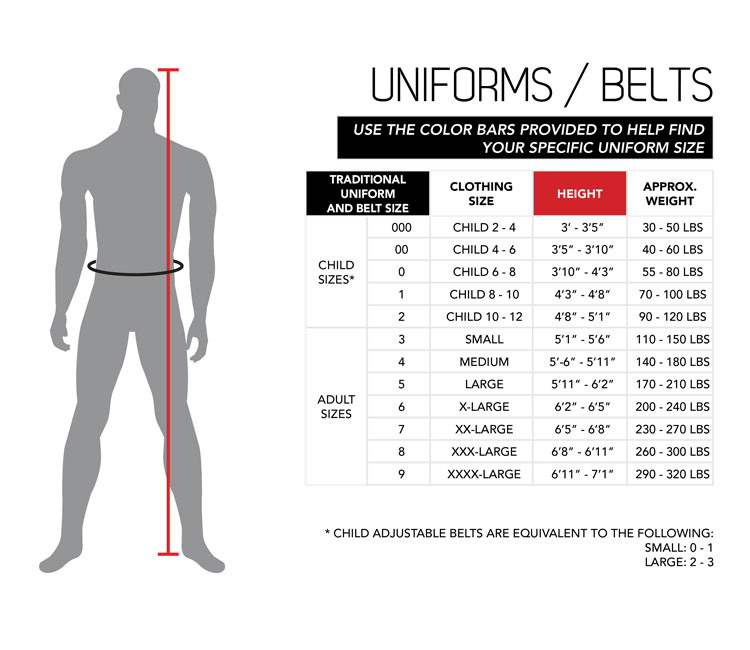
The 1-Inch Rule for Optimal Fit
The most widely accepted standard across dojos is the 1-inch rule: karate pants should end approximately 1 inch above the ankle when you’re standing naturally. This length balances mobility with tradition, allowing full range of motion without excess fabric that could drag or tangle. It also ensures your foot placement and stances are clearly visible to instructors and judges.
Grenadier (Sr. Grandmaster) confirms this is a practical benchmark used in most martial arts schools. He notes that the same principle applies to sleeves, which should finish about 1 inch short of the wrist. This creates a clean, professional appearance during training, gradings, and competitions—without compromising function.
Traditional Okinawan Length Standards
In Okinawan styles like Goju-Ryu and Shorinryu, the standard is significantly shorter. Pants are traditionally cut to reach the lower calf, well above the ankle. K-man (Grandmaster) explains that Western practitioners often wear their uniforms too long by Okinawan standards.
The traditional fit includes:
– Pants ending at the lower calf
– Jacket covering the backside
– Sleeves stopping a hand’s breadth from the wrist
This design prioritizes combat readiness—shorter legs reduce the risk of entanglement during grabs, throws, or rapid footwork. It reflects a functional approach where safety and efficiency outweigh fashion.
Acceptable Length Range by Use Case
While the 1-inch rule is common, acceptable lengths vary by context:
| Length | Best For | Notes |
|---|---|---|
| Lower calf | Traditional training (Okinawan, Goju-Ryu) | Prevents entanglement; authentic look |
| 1 inch above ankle | Most dojos, general training | Balanced fit; widely accepted |
| Ankle height | Personal preference, some Shotokan schools | Slightly longer but still functional |
| 2 inches above ground | Tall practitioners | Avoids dragging without being too short |
| Rolled or pinned | Growing children, temporary fix | Allows adjustment without permanent hemming |
The key is ensuring pants never drag on the floor. A minimum clearance of 1–2 inches is recommended to prevent tripping and reduce wear on the hem.
Style-Specific Fit Requirements

Goju-Ryu and Okinawan Styles
Goju-Ryu schools typically require shorter, heavyweight uniforms with pants hemmed high. Dancingalone (Grandmaster) emphasizes that this is for safety—shorter legs prevent fingers or toes from getting caught during close-range techniques or takedowns.
These schools often mandate:
– Pants ending at the lower calf
– Heavy cotton or canvas material
– Drawstring waist (no elastic)
– No decorative embroidery (especially for lower ranks)
This strict uniform code reinforces discipline and ensures all students train under the same conditions, promoting equality on the mat.
Shotokan and Tournament Cuts
Shotokan karate generally favors shorter, baggier uniforms. OldKarateGuy notes that in traditional Shotokan, leg and sleeve lengths are often “chopped off to personal taste,” meaning customization is expected.
Tournament-cut gis take this further:
– Slightly shorter legs and sleeves than standard gis
– Sometimes longer jackets to obscure leg movement
– Designed for competitive advantage and visual impact
Some high-level competitors wear oversized uniforms—almost like “clown suits”—to hide subtle shifts in stance or kicking intent. However, beginners should avoid these until they’ve developed proper form and earned the rank to use them appropriately.
Korean and Americanized School Preferences
Korean martial arts like Taekwondo influence some American karate schools to adopt longer, slimmer-fitting pants. These styles often feature:
– Pants that reach or nearly touch the ankle
– Narrower leg openings
– More tailored silhouette
Zero (Master Black Belt), who transitioned from Taekwondo to Goju-Ryu, found this length problematic during sparring—he had to constantly “hitch up” his pant legs during kicks. After shortening them, he experienced better mobility and no more distractions mid-technique.
Americanized schools may allow more flexibility in fit, but it’s always best to check with your instructor before deviating from standard guidelines.
Factors That Determine Ideal Length
Safety and Injury Prevention
One of the most critical reasons for proper pant length is safety. Long or loose fabric can:
– Cause tripping during stances or transitions
– Get caught during throws or sweeps
– Entangle fingers or toes during grabs
Dancingalone warns that in styles involving takedowns, long pant legs increase the risk of accidental injury. Shorter hems eliminate this hazard and allow for safer, more dynamic training.
Additionally, pants that ride up during high kicks can cause chafing or restrict motion—especially problematic during long sessions or tournaments.
Functionality During Movement
Your gi should enhance, not hinder, your technique. Pants that are too long force you to adjust them mid-sparring, breaking focus and rhythm. As OldKarateGuy puts it:
“If you ever find yourself tugging on your pants leg before kicking, to free up the fabric, then your pants are too tight and/or too long.”
Properly fitted pants allow:
– Uninterrupted kicking mechanics
– Clear visibility of foot placement
– Smooth transitions between stances
– Better airflow and temperature regulation
Judges and instructors rely on seeing your ankles and lower legs to assess balance, alignment, and precision—so visibility matters.
Aesthetic and Dojo Expectations
While functionality comes first, presentation is also important—especially during gradings and competitions. A well-fitted gi projects discipline, attention to detail, and respect for tradition.
A high, tight drawstring tied above the hips gives a sharp, professional look. Pants that hang loosely or drag on the floor suggest carelessness. In many schools, improper uniform fit can even result in being asked to leave class until corrected.
Sizing and Body Type Considerations
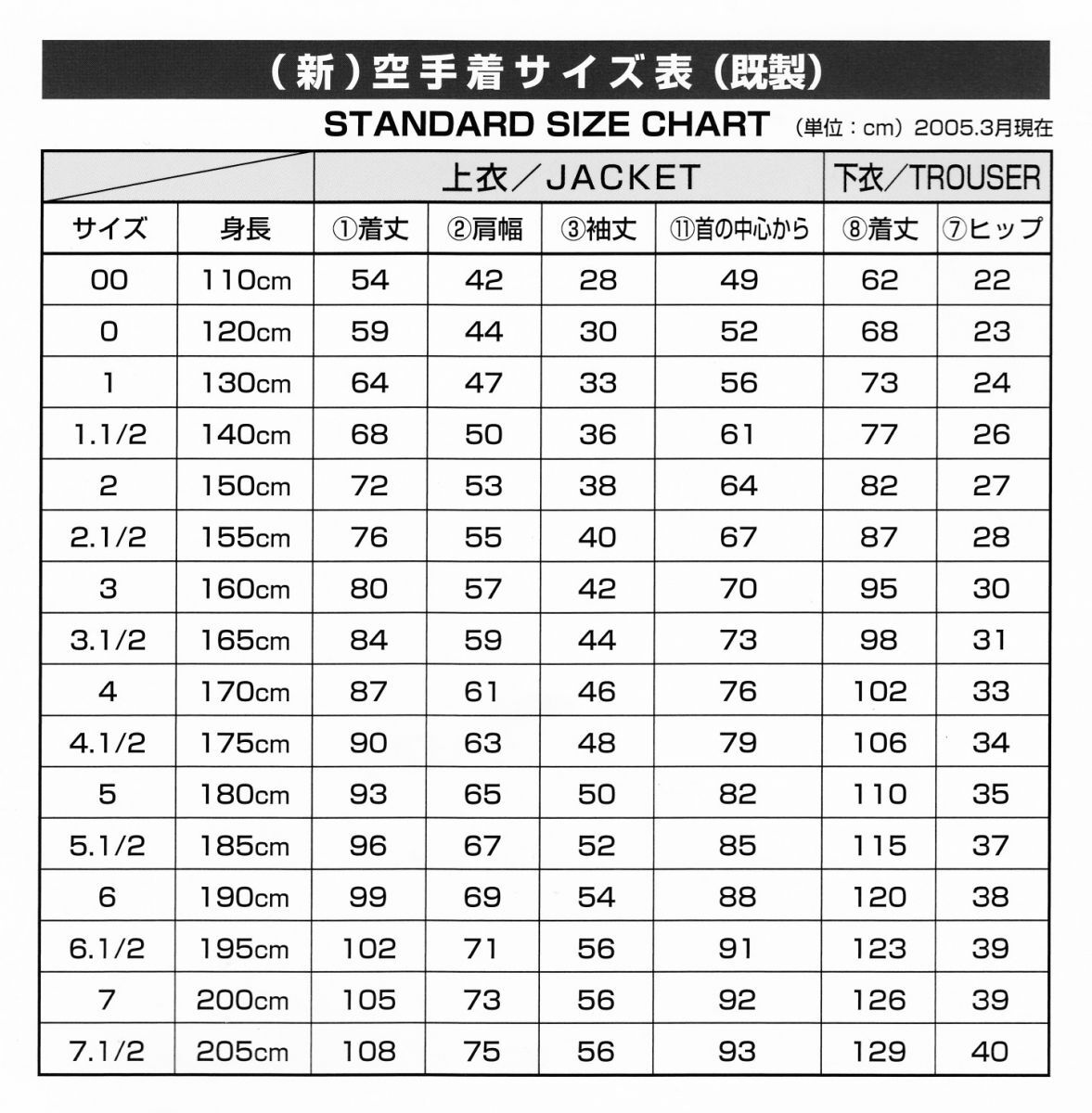
Standard Size Recommendations
General sizing guidelines help narrow down your options:
- Size 5: Ideal for heights up to 5’10” (178 cm)
- Size 6: Best for 5’10” to 6’1″ (178–185 cm)
- Size 6.5+: For taller or heavier builds (e.g., 6’3″, 220 lbs)
However, brand matters. Tokon, Pro Force, Mugen Orange, and Shureido all have slightly different cuts and sizing. Always consult the manufacturer’s chart before purchasing.
Fit Challenges by Body Type
Athletic Build:
Eastpointvet (5’10”, 172 lbs, athletic) found standard sizes too baggy. The Tokon 5.5 provided a better fit, especially after hemming.
Slender/Ectomorph Frame:
Standard gis often fit poorly—either too baggy or with sleeves too short. The Tokon Okinawa model is specifically designed with a slimmer cut, making it ideal for narrow frames.
Tall/Heavy Practitioners:
wimwag (6’3″, 220 lbs) experienced inseam stretching and ripping with standard gis. Recommended solutions include:
– Monarch heavyweight (14oz brushed cotton canvas)
– Shureido K-10 (premium, durable)
– Budo-Nord heavy duty (excellent for grappling)
These brands offer reinforced stitching and longer inseams to accommodate larger builds.
Free Beginner Uniforms: What to Expect
Many dojos provide free starter gis, usually made of lightweight poly-cotton blend. These are often:
– Ill-fitting (too long, too baggy)
– Prone to shrinking
– Low durability
Dancingalone advises not to waste money altering them. Instead, use the free gi until you reach a few belts, then reward yourself with a quality, properly fitted uniform.
Pre-Hemming Preparation
Wash Before Hemming to Prevent Shrinkage
Never hem a new gi without washing it first. Cotton and canvas gis shrink significantly after several washes. Dijita shares:
“My gi shrunk a ton! I was swimming in it at first, and now it fits great.”
Experts recommend:
– Washing the gi 3–5 times in warm water
– Drying it completely (some use dryers; others hang dry)
– Only hemming after shrinkage has stabilized
Grenadier confirms: “After washing cycles are complete, it’s a good time to get it hemmed. This way, it shouldn’t shrink much more at all.”
Testing Length With Pins
Before cutting or sewing, test different lengths:
1. Wear the gi during a full training session
2. Pin the pants at various heights (ankle, 1 inch above, lower calf)
3. Perform kicks, stances, and rolls
4. Note comfort and interference
5. Mark your preferred length
Dijita used this method to find her ideal fit. Shorinryu Sensei adds: “Wear the gi and kick a few times. Check if the waist slips or the legs ride up.”
This trial approach ensures your final hem matches real-world use.
Hemming and Alteration Tips
Professional vs. DIY Hemming
For a durable, clean finish, professional tailoring is best. Shorinryu Sensei advises:
“Take it to any seamstress. Make sure she understands there needs to be multiple rows of thread on the bottom—not just one.”
Why? Karate pants endure extreme stress from kicking and grabbing. A single stitch line will fail quickly.
For DIY:
– Use a heavy-duty needle and strong thread
– Fold and sew a double hem
– Reinforce with a second row of stitching
– ERPMISTER successfully hemmed his own for a growing child
Temporary Fixes: Rolling and Tucking
If you’re not ready to hem:
– Roll the cuffs upward (temporary solution)
– Avoid tucking into socks (untraditional, restricts movement)
These are acceptable for kids still growing or beginners testing preferences.
How to Wear Karate Pants Correctly
Drawstring Tying Technique
Most quality gis use a drawstring, not elastic. To wear them properly:
- Pull pants high—waistband above hips, belly button aligned with top edge
- Pull both strings evenly—don’t tug one side first
- Thread through side loops—prevents slipping
- Tie a firm bow in front—snug but not restrictive
This high-tie method keeps pants secure during deep stances and high kicks.
Why Waist Position Matters
Tying too low (like joggers) causes slippage. The drawstring must pull from above the hips to lock the pants in place. A properly tied gi stays put, enhances posture, and shows off your footwork.
Frequently Asked Questions About Karate Pants Length
How high should karate pants go on the waist?
Karate pants should sit above the hips, with the waistband aligned with your belly button. This high position prevents slippage during kicks and stances. Tie the drawstring evenly and secure it with a bow in front, using the side loops to stabilize the fit.
Can karate pants be too short?
Yes, if they restrict movement or cause chafing. While shorter lengths are common in traditional styles, pants that are too short can bind at the thigh or ride up excessively. The ideal length allows full range of motion without discomfort.
Do tournament gis have shorter pants?
Yes, tournament-cut gis often have slightly shorter legs and sleeves than standard gis. Some competitors wear oversized uniforms to hide movement, but beginners should stick to standard or traditional cuts until they advance in rank.
Should karate pants touch the floor?
No. Pants should never drag on the floor. Even 1 inch of contact creates a tripping hazard and accelerates wear. A safe minimum is 1–2 inches of clearance above the ground.
How do I know if my karate pants are too long?
You’re likely wearing pants that are too long if:
– You trip or drag fabric during stances
– You need to hitch up your legs during kicks
– The hem shows visible wear from floor contact
– Instructors or judges can’t see your foot placement clearly
Is it okay to roll up karate pants?
Rolling is acceptable as a temporary fix, especially for growing children or beginners testing fit. However, rolled cuffs look unprofessional in formal settings and may come undone during sparring. For a permanent solution, hem the pants.
Key Takeaways for Choosing the Right Karate Pant Length
The ideal karate pant length balances tradition, function, and personal fit. While the 1-inch-above-ankle rule is a solid starting point, always consult your sensei—school standards vary. Wash your gi 3–5 times before hemming to account for shrinkage, and test different lengths with pins during training.
Prioritize safety and mobility: avoid dragging hems, entanglement risks, and restricted movement. For beginners, use the free gi until you earn your first few belts, then invest in a quality uniform that fits your body type and style. Whether you train in a traditional Okinawan system or modern competition karate, a well-fitted gi helps you move freely, train safely, and present yourself with pride.


