
You’ve just pulled a batch of clean jogger pants from the dryer, only to face the familiar frustration: how do you fold them without creating bulky lumps or creasing the tapered legs? Unlike regular sweatpants or jeans, jogger pants have elastic cuffs, a slimmer cut, and often a drawstring waist—features that make standard folding methods ineffective. Tossing them in haphazardly leads to wrinkled fabric, tangled cuffs, and a cluttered drawer.
Knowing how to fold jogger pants properly solves these issues in seconds. This guide walks you through three proven folding techniques—flat fold, vertical fold, and roll fold—each designed for different storage needs. Whether you’re organizing a closet, packing for a trip, or streamlining your laundry routine, you’ll learn the exact steps to keep your joggers wrinkle-free, compact, and easy to access. Plus, we’ll highlight common mistakes to avoid and smart storage tips to extend the life of your favorite pairs.
Flat Fold Method for Drawers and Suitcases
The flat fold creates a smooth, rectangular shape ideal for stacking in drawers or packing in luggage. It minimizes creases and keeps the tapered leg visible and tidy.
Lay Pants Flat and Smooth Out Wrinkles
Place the jogger pants face up on a clean, flat surface like a bed or table. Smooth the fabric from waist to cuff with your hands. Straighten the legs so they’re parallel and aligned at the seams. Make sure the drawstring is centered and not bunched.
Fold One Leg Over the Other
Take the outer seam of one leg and fold it over to meet the outer seam of the other leg. Keep the cuffs aligned. This step narrows the pants into a single column, making the next folds cleaner and more compact.
Fold in Thirds from Bottom to Top
First, fold the cuffs up to the mid-thigh or knee area. Then, bring the waistband down to meet the cuffs. The final result should be a neat rectangle with the drawstring tucked inside or lying flat.
Pro Tip: For best results, fold joggers while they’re slightly warm from the dryer to reduce stubborn wrinkles—but never while damp.
Vertical Fold to Maximize Drawer Space
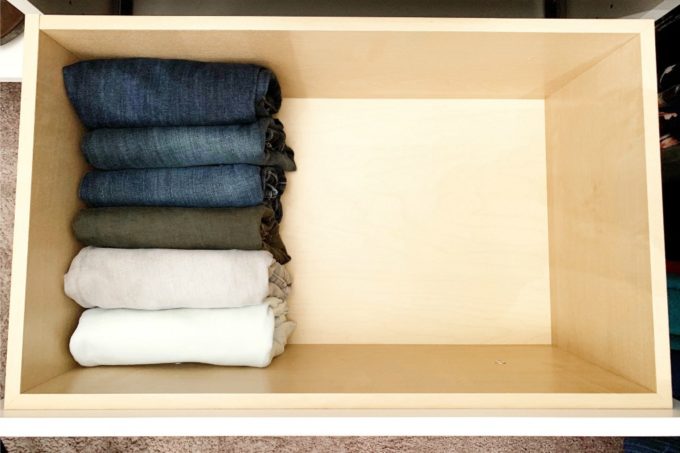
This method lets you store joggers upright like files, so you can see each pair at a glance. It’s perfect for small drawers or minimalist wardrobes.
Position Pants Face Up on a Flat Surface
Lay the joggers flat with the front side facing up. Smooth out any wrinkles, especially around the pockets and waistband. Ensure both legs are straight and even.
Cross Legs for a Clean Center Fold
Take one leg and cross it over the other, aligning the outer seams. The cuffs should stack neatly. This creates a symmetrical base that folds evenly.
Fold Upward in Two Even Sections
Fold the cuffs up about one-third of the way. Then fold the waistband down to meet the cuffs. The finished fold should stand upright without tipping over.
Why It Works: Vertical folding prevents stacks from toppling and allows you to pull out one pair without disturbing the rest—ideal for daily use.
Roll Fold for Packing and Gym Bags
Rolling jogger pants saves space and reduces wrinkles, making it the top choice for travel and gym kits.
Start With Pants Fully Flat
Lay the joggers on a surface with legs straight and fabric smoothed out. Pay attention to the knees and cuffs, which tend to bunch.
Fold Lengthwise Before Rolling
Fold one leg over the other, matching the seams. This reduces width and creates a straight edge for rolling.
Roll Tightly From Cuffs to Waist
Begin at the cuffs and roll upward toward the waistband. Keep the edges aligned as you go to form a tight, even cylinder. Stop when you reach the waist.
Store in a Packing Cube or Bag
Slide the rolled joggers into a packing cube or zip-top bag. This keeps them clean and compressed, saving even more space.
Travel Hack: Use different colored bags to separate clean from worn clothes during trips.
Avoid These Jogger Folding Mistakes
Small missteps can ruin your folding efforts and damage your pants over time.
Never Fold Wet or Damp Joggers
Moisture trapped in folded fabric can lead to mildew, odors, or weakened elastic. Always ensure joggers are fully dry before folding.
Don’t Crease the Drawstring
Folding the drawstring sharply can cause fraying or discomfort. Instead, tuck it flat or leave it loose inside the waistband.
Avoid Asymmetrical Folding
Mismatched seams or uneven cuffs create bulky, unstable folds. Take an extra second to align legs precisely for a clean finish.
Store Folded Joggers the Right Way

Proper storage keeps your joggers in top condition and your space organized.
Use Drawer Dividers for Upright Folds
Insert dividers in drawers to keep vertically folded joggers standing. This prevents slumping and makes selection effortless.
Rotate Pairs to Prevent Compression Wear
Place newly folded joggers at the back of the stack so older ones get used first. This avoids long-term fabric stress and maintains elasticity.
Keep Away From Heat and Humidity
Store joggers in a cool, dry place. Avoid under-sink cabinets or near radiators, as heat degrades elastic cuffs over time.
Adjust Folding for Different Jogger Types
Tailor your technique based on fabric weight and design for the best results.
Fleece-Lined Joggers
These thick, soft pants resist flat folding. Opt for rolling instead to prevent deep creases and maintain plush texture.
Lightweight Running Joggers
Made from breathable, thin fabric, these can be folded tightly. Use the flat or roll method to save maximum space.
Dual Waistband Joggers (Elastic + Drawstring)
Fold so the drawstring lies flat against the waistband. This avoids poking and keeps the waist smooth and comfortable.
Speed Up Folding With These Smart Shortcuts
Save time and maintain consistency with these efficient tips.
Fold Immediately After Drying
Remove joggers right after the cycle ends. Warm fabric is easier to smooth and less prone to wrinkles.
Use a DIY Folding Board
Cut a piece of cardboard to your ideal fold size. Place the pants on it and fold around the edges for uniform results every time.
Batch Fold by Style
Fold all joggers together during laundry day. Group by color or use to keep your system organized.
Key Takeaways for Folding Jogger Pants Efficiently
Folding jogger pants properly takes less than a minute but makes a big difference in organization and garment care. The flat fold works best for drawers and packing, the vertical fold maximizes visibility and access, and the roll fold is ideal for saving space in luggage or gym bags. No matter which method you choose, always fold on a flat surface, align seams precisely, and avoid folding damp clothes.
To keep your joggers looking fresh, store them in a cool, dry place and rotate pairs regularly. Adjust your technique based on fabric type—roll fleece-lined joggers, fold lightweight ones tightly, and handle drawstrings gently. With these strategies, your joggers will stay neat, accessible, and in great shape for every workout, travel day, or casual outing.
Frequently Asked Questions About Folding Jogger Pants
How do you fold jogger pants without creasing the knees?
Fold joggers in thirds from the bottom up, avoiding direct folds at the knee. Lay them flat first and smooth out the leg area to distribute fabric evenly before folding.
Can you roll jogger pants for packing?
Yes, rolling is one of the best ways to pack jogger pants. Fold them in half lengthwise first, then roll from the cuffs to the waist to create a compact, wrinkle-resistant roll.
Should you fold jogger pants vertically or flat?
It depends on your storage space. Use vertical folding for drawers to see each pair clearly. Choose flat folding for stacking in suitcases or deep shelves.
How do you store folded jogger pants to save space?
Use drawer dividers for vertical folds or packing cubes for rolled joggers. Store in a cool, dry place and avoid over-packing to maintain shape.
Why do my folded joggers keep falling over?
This usually happens with loose folds or misaligned seams. Make sure legs are crossed evenly and folds are tight. Use a divider or box to keep upright stacks stable.
Can folding damage the elastic cuffs on jogger pants?
Yes, if done improperly. Avoid folding damp joggers or creating sharp creases at the cuffs. Rolling or gentle flat folds help preserve elasticity.


