
An unexpected urine odor in your pants can be distressing, especially when it lingers despite regular washing. The good news: how to avoid urine smell in pants is a solvable problem with the right mix of hygiene, laundry techniques, and awareness of health factors. Residual urine contains urea and bacteria that react over time, creating a stubborn ammonia-like stench. Even minor leaks or incomplete bladder emptying can lead to odor buildup in fabric. This guide covers science-backed strategies—from pelvic floor exercises to enzyme-based laundry hacks—that target the root causes and keep you feeling fresh and confident.
You’ll learn how to stop odor before it starts, clean clothes effectively, choose the best fabrics, and recognize when a doctor’s visit is needed. Whether you’re dealing with occasional leaks, post-exercise dampness, or unexplained smells, these practical steps will help eliminate and prevent urine odor for good.
Fix Bladder Emptying Habits to Stop Leaks
Incomplete urination is a leading cause of post-void dribbling, which can leave traces of urine on underwear and pants. Over time, this leads to persistent smells even after changing clothes.
Use the Double-Voiding Method After Urinating
Double-voiding helps ensure your bladder releases all urine, reducing the chance of later leakage:
– Urinate as normal.
– Wait 20–30 seconds, then try again while sitting or leaning forward slightly.
– Relax your pelvic muscles to encourage full emptying.
This technique is especially helpful for men with prostate issues or women with weakened pelvic floors.
Do Daily Kegel Exercises for Better Bladder Control
Strengthening your pelvic floor can significantly reduce accidental leaks:
– Identify the muscles you’d use to stop urine midstream.
– Squeeze and hold for 5 seconds, then relax for 5 seconds.
– Repeat 10–15 times, 3 times a day.
Consistent Kegels improve urinary control within weeks and are effective for postpartum women, older adults, and anyone with stress incontinence.
Choose the Right Incontinence Protection
Even small leaks can soak into fabric and create odor. Using protective products prevents moisture from reaching your pants and reduces bacterial growth.
Pick Odor-Control Incontinence Products
Select items designed to trap and neutralize smells:
– Disposable liners with odor-locking layers: Look for those with carbon or antimicrobial coatings.
– Reusable incontinence underwear: Made with moisture-wicking, washable fabric and odor-resistant fibers.
– Waterproof shields: Thin inserts that block leaks without adding bulk.
Change pads every 3–4 hours to prevent bacterial breakdown of urine, which intensifies odor.
Wear Protection During High-Risk Activities
Pre-plan for situations that trigger leaks:
– Use high-absorbency underwear at night.
– Switch to moisture-wicking workout pants during exercise.
– Carry a spare pair of underwear and pants in your bag.
Pro Tip: Test different brands during low-risk days to find the most comfortable, discreet option.
Wash Pants and Underwear the Right Way

Standard laundry cycles often fail to remove urine odor because they don’t break down urea and bacteria trapped in fibers.
Pre-Treat Stains and Odors Immediately
Act fast when you notice a leak:
– Rinse the area with cold water—hot water sets stains and odor.
– Apply a paste of baking soda and water or spray white vinegar directly.
– Let sit for 15–30 minutes before washing.
Avoid scrubbing hard, which can push odor deeper into fabric layers.
Use an Enzyme-Powered Washing Routine
Follow this odor-killing laundry method:
1. Wash in cold or warm water (hot water can bake in smells).
2. Use enzyme-based detergent—it breaks down urine proteins.
3. Add ½ cup baking soda to the wash cycle to neutralize pH.
4. Add ½ cup white vinegar to the rinse cycle as a natural deodorizer.
5. Skip fabric softeners—they coat fibers and trap odors.
✅ Run an extra rinse cycle to flush out all residues.
Air-Dry Clothes in Sunlight When Possible
UV rays naturally kill odor-causing bacteria. Hang affected clothes outside to dry. If using a dryer, choose low heat to avoid sealing in smells.
Maintain Proper Daily Hygiene
Poor cleaning or lingering moisture in the groin area can worsen urine odor, even without incontinence.
Clean and Dry Your Genital Area Thoroughly
Daily care prevents bacterial growth:
– Wash with fragrance-free, mild soap.
– Rinse well and pat dry completely, especially in skin folds.
– Use a dedicated towel for this area to avoid cross-contamination.
❗ Bacteria thrive in warm, damp environments. Incomplete drying can turn tiny urine traces into strong odors.
Shower Right After Sweating or Exercising
Sweat mixes with residual urine and amplifies smell. If you can’t shower, change into clean, dry underwear and pants immediately.
Rule Out Underlying Medical Conditions
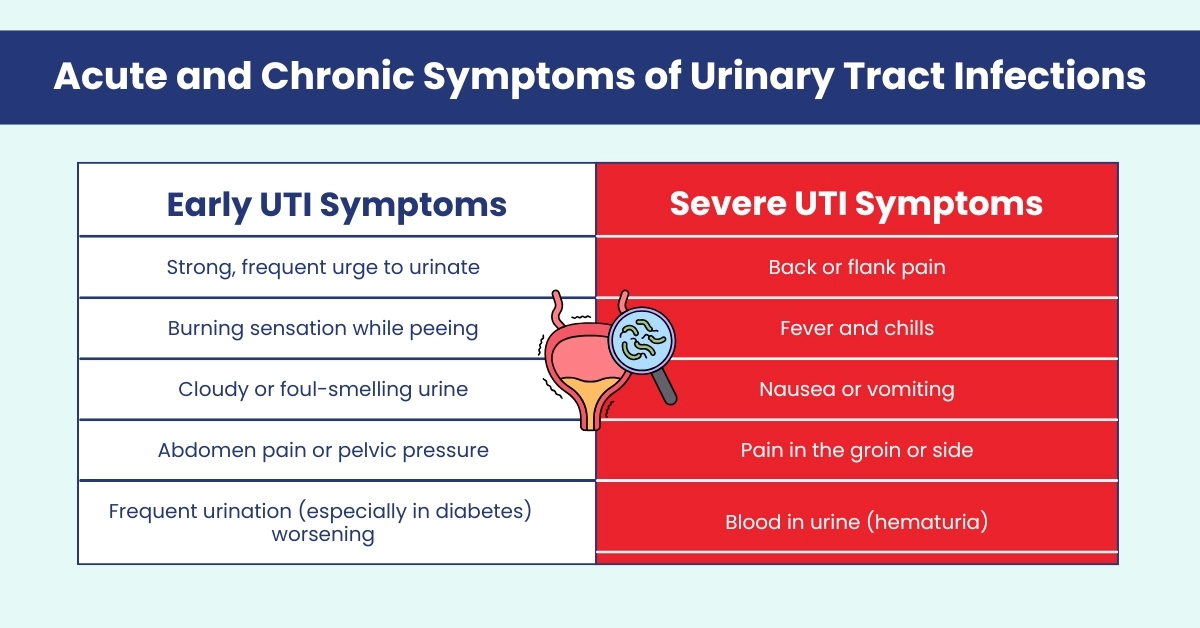
If you’re following all best practices but still notice a strong urine smell, a health issue may be the cause.
Watch for Signs of a Urinary Tract Infection (UTI)
UTIs introduce bacteria that make urine smell foul. Other symptoms include:
– Burning during urination
– Frequent urge to pee
– Cloudy or dark urine
Untreated UTIs can lead to leakage and stronger odors on clothing.
Check for Diabetes-Related Symptoms
High blood sugar causes urine to smell sweet or fruity due to ketones. Other red flags:
– Excessive thirst
– Frequent urination
– Fatigue
Unmanaged diabetes increases urine output and incontinence risk.
Consider Vaginal or Prostate Health
- Women: Bacterial vaginosis or yeast infections can mimic or worsen urine odor.
- Men: An enlarged prostate can block full bladder emptying, leading to dribbling.
👉 See a healthcare provider if odor persists despite clean habits, or if you have pain, discharge, or other symptoms.
Use Smart Odor-Neutralizing Products
Sometimes prevention isn’t enough—existing smells need active treatment.
Apply Enzyme-Based Sprays to Affected Areas
Sprays with live enzymes (like pet odor removers) break down urine molecules:
– Spray inside waistbands, crotch areas, or reusable liners.
– Let dry completely before wearing or washing.
These are more effective than perfumed sprays, which only mask odors.
Add Odor-Fighting Laundry Boosters
Enhance your wash with:
– OxiClean or hydrogen peroxide-based boosters—remove organic residues.
– Detergent pods for sensitive skin—often contain odor-neutralizing enzymes.
– Activated charcoal bags—store clean clothes with them to absorb lingering smells.
⚠️ Avoid scented sprays and powders—they mix with sweat and create worse odors.
Wear Breathable Fabrics to Reduce Moisture

The type of fabric you wear directly impacts how much odor builds up.
Choose 100% Cotton Underwear
Cotton absorbs moisture and allows airflow, reducing bacterial growth. Avoid synthetic materials like polyester, which trap sweat and urine smell.
Opt for Moisture-Wicking Outer Pants
If you’re active or prone to sweating:
– Pick pants with cotton linings or technical moisture-wicking blends.
– Wear loose-fitting styles to improve ventilation.
✅ Best combo: Cotton underwear + breathable pants = less dampness, less odor.
Build Long-Term Prevention Habits
Stay ahead of odor by making small, consistent changes to your routine.
Change Clothes Immediately After a Leak
Even a small wet spot can breed bacteria. Always carry a spare pair of underwear and pants if you’re at risk.
Rotate Your Underwear Daily
Never wear the same pair two days in a row. Rotate at least 5–7 pairs to ensure full drying and airing between uses.
Clean Your Washing Machine Monthly
A dirty drum can transfer odors to clean clothes. Run an empty cycle with white vinegar or a washing machine cleaner every 30 days.
Frequently Asked Questions About Urine Smell in Pants
Why do my pants still smell like urine after washing?
Standard detergents may not break down urine proteins. Use enzyme-based detergent, add baking soda and vinegar, and avoid fabric softeners that trap odors in fibers.
Can medical conditions cause urine smell in pants?
Yes. UTIs, diabetes, vaginal infections, and prostate issues can lead to strong-smelling urine or leakage. See a doctor if odor persists despite hygiene and laundry changes.
Does fabric type affect urine odor?
Absolutely. Synthetic fabrics like polyester trap moisture and smell. Cotton and moisture-wicking materials reduce dampness and bacterial growth.
How can I stop urine leaks during exercise?
Wear incontinence-safe activewear, do daily Kegel exercises, and empty your bladder before working out. Consider using disposable liners during high-impact activities.
What’s the best way to remove old urine odor from clothes?
Soak the item in a mix of cold water, baking soda, and white vinegar for 30 minutes. Wash with enzyme detergent and air-dry in sunlight.
Are scented sprays effective for masking urine odor?
No. Perfumed sprays only cover the smell and can react with sweat to create a worse odor. Use enzyme-based neutralizers instead.
Key Takeaways for Preventing Urine Odor in Pants
Eliminating urine smell from pants requires more than just washing—it involves addressing leaks, improving hygiene, choosing the right fabrics, and watching for health issues. The most effective strategy combines double-voiding, Kegel exercises, cotton underwear, and enzyme-based laundry methods. Use odor-locking incontinence products when needed and always dry clothes thoroughly.
If you’ve made these changes but still notice a strong smell, don’t ignore it. Persistent odor can signal a treatable medical condition like a UTI or diabetes. A quick doctor’s visit could provide a simple fix. With the right habits, fresh, odor-free pants are completely achievable—start today.


