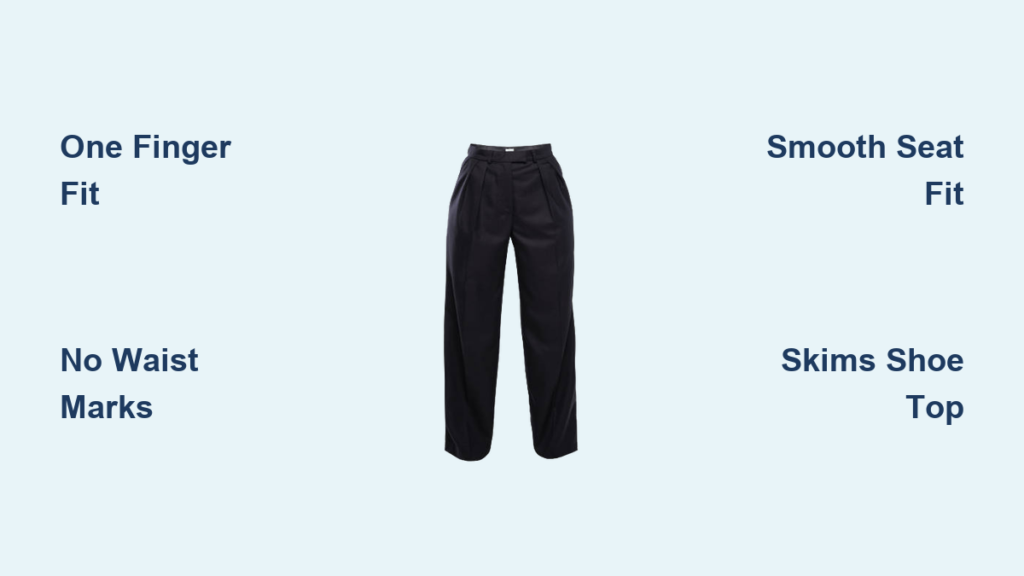
You’ve probably stood in front of the mirror, tugging at your waistband or feeling that pinch around the hips, wondering: how tight are pants supposed to be? It’s a simple question, but the answer shapes your comfort, confidence, and style. Ill-fitting pants don’t just feel awkward—they can ruin an otherwise great outfit.
The ideal fit isn’t about squeezing into the smallest size or choosing loose, baggy styles. It’s about balance: snug enough to stay in place, roomy enough to move freely. Based on expert tailoring principles and biomechanical realities, the perfect pair of pants should feel like a second skin—secure, smooth, and invisible in their fit.
The Four Key Fit Points
Rise, Waist, Hips, Crotch
Every great pair of pants balances four structural zones. Ignore one, and the whole look suffers. These aren’t just style preferences—they’re functional requirements for comfort and proportion.
• Rise affects leg length and silhouette
• Waist determines security and comfort
• Hips allow for movement and sitting
• Crotch enables natural posture shifts
Master these, and your pants won’t just fit—they’ll flatter.
Waist Fit: Snug But Not Tight

How Many Fingers Should Fit?
The golden rule: one to two fingers should fit between your waistband and skin. This is the universal benchmark for proper waist fit.
• Zero fingers? Too tight—restricts breathing and movement
• One to two fingers? Ideal—secure without digging in
• Three or more? Too loose—requires a belt and sags during wear
This isn’t just a measurement—it’s a functional test. If you can’t slide two fingers comfortably under the waistband while standing, the pants are too tight.
Signs of Proper Waist Fit
• Stays in place without a belt
If your pants don’t slide down when unbuttoned, they fit well. Needing a belt to hold them up usually means they’re too loose.
• No skin indentations
A well-fitted waistband supports without leaving red marks or bulges.
• Flat, even fabric
The waistband should lie smoothly around your midsection—no pulling, puckering, or gaps.
• Comfortable sitting and standing
You should transition between positions without tugging or adjusting.
Rise: High vs Low Fit Impact

High Rise Elongates Legs
The rise—the distance from waistband to crotch—dramatically alters your proportions.
• High rise sits about one finger width below the belly button
→ Visually lengthens legs
→ Creates balanced, athletic silhouette
→ Most flattering for all body types
• Low rise sits on the hips
→ Shortens leg appearance
→ Can cause muffin-top or sagging
→ Harder to keep in place
A side-by-side comparison makes the difference obvious: high-rise pants make your legs look longer and your posture more upright.
Can You Fix Low Rise by Pulling Up?
No. Pulling up low-rise pants causes:
• Fabric strain
• Bulging at the waist
• Discomfort
• Unnatural bunching
The rise is built into the pattern. If your pants sit too low, no amount of tugging will fix it. Choose high-rise styles or consider custom tailoring.
Hip Fit: Room for Movement
Hips Expand When Sitting
Your hips can expand by up to 1–2 inches when seated. Pants that feel fine standing may become painfully tight when you sit down.
Proper hip fit means:
• No pulling across the thighs or seat
• Smooth fabric without tension lines
• Full range of motion when walking or bending
If the fabric stretches tightly over your hips, the pants are too small—even if the waist fits.
Relaxed, Not Baggy
The fit should feel comfortable but not loose. There’s a difference between:
• Allowance for movement (good)
• Excess fabric (baggy, sloppy)
When moving, the fabric should drape naturally, not cling or gap.
Crotch Fit: Natural When Sitting
Stretching Is Normal
When you sit, the crotch seam will stretch and shift. This is normal and expected. The key is that it returns smoothly when you stand.
• Too short? Causes discomfort, restricts movement
• Too long? Creates a saggy, unflattering “pooch” when standing
The crotch should be:
• Properly placed when standing—no gaping
• Comfortable when sitting—no pulling or pinching
Don’t Overthink the Crotch
No one else is staring at your crotch. Focus on:
• Standing fit
• Natural movement
• Smooth transitions
A well-cut pair allows for this without issue. For custom trousers, the pattern must account for your body’s unique shape.
Common Fit Problems (And Fixes)
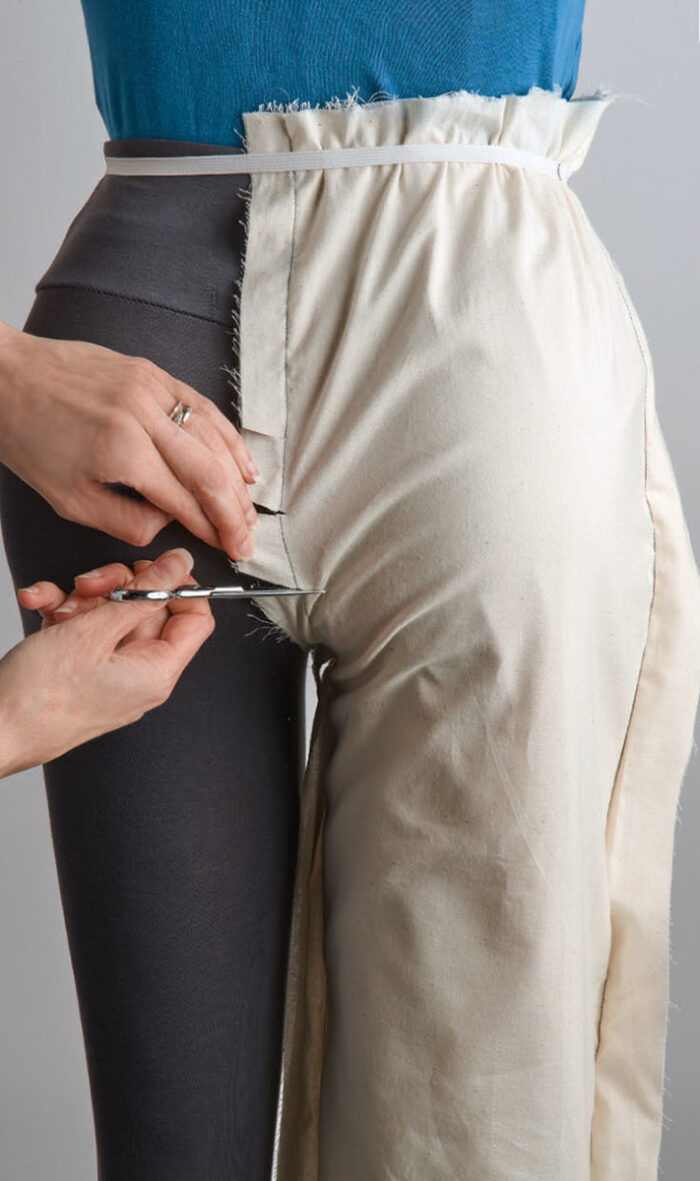
Waist Too Tight or Too Loose
| Issue | Signs | Solution |
|---|---|---|
| Too tight | Can’t fit fingers, indents skin, distorts shape | Size up or tailor out |
| Too loose | Slips down, needs belt, sags | Size down or tailor in |
Tailoring range: Most quality pants can be adjusted 3–4 cm (1.2–1.6 inches) at the waist—taken in or let out.
Low Rise Problems
Low-rise pants that sit below the waist:
• Can’t be pulled up permanently
• Cause discomfort when forced
• Create unflattering bulges
Fix: Switch to high-rise styles or invest in custom-made trousers.
Hip Tightness
Tight across the hips leads to:
• Restricted movement
• Visible pulling
• Uncomfortable sitting
Solution: Choose a larger size or brand with a roomier cut. Tailoring hip width is difficult and often not cost-effective.
Crotch Gaping or Tightness
| Issue | Cause | Fix |
|---|---|---|
| Gaping | Waist too loose, rise too short | Tailor waist, choose better rise |
| Too tight | Wrong size or poor pattern | Size up or try different cut |
How to Test Pants Before Buying
The Finger Test
Step-by-step:
1. Wear your usual underwear
2. Button and zip the pants
3. Try to slide one or two fingers under the waistband
✅ Ideal: Two fingers fit comfortably
❌ Too tight: Can’t fit one
❌ Too loose: More than two fit easily
This quick test tells you more than the size tag ever will.
Movement Test
Don’t just stand still. Test like you live:
• Sit down—do they pull or bind?
• Stand up—do they stay in place?
• Walk—is there resistance?
• Bend slightly—does the crotch gap or stretch?
Your pants should move with you, not against you.
Side-by-Side Rise Comparison
Try a high-rise and low-rise pair back-to-back:
• Notice the difference in leg length
• Observe your posture
• Compare comfort when sitting
The high-rise will almost always look and feel better—longer legs, cleaner lines, better support.
Tailoring: What Can Be Fixed
Waist Adjustments: 3–4 cm Range
Most tailored trousers can be:
• Taken in if too loose
• Let out if too tight (if seam allowance exists)
This range covers minor weight changes or brand inconsistencies.
Pro tip: Always try tailoring the waist before discarding a favorite pair.
Rise Can’t Be Changed
You cannot alter the rise of ready-to-wear pants. It’s part of the original pattern.
If the rise is wrong:
• Choose a different pair
• Opt for high-rise ready-to-wear
• Consider custom tailoring
No tailor can turn a low-rise pant into a high-rise one.
Custom Tailoring: The Ultimate Fix
For perfect fit, go custom. A tailor can:
• Measure your exact proportions
• Design the rise, waist, hip, and crotch to your body
• Ensure natural movement and comfort
Custom trousers eliminate guesswork and deliver a made-for-you fit.
Styling Fixes for Fit Issues
Use Suspenders, Not Belts
If your pants are slightly loose but you love the fit elsewhere, suspenders are the smart solution.
Benefits:
• Keep pants up without tightening the waist
• Prevent sagging
• Add a classic, polished look
• Can be hidden under jackets
Suspenders support from the shoulders, not the waist—ideal for comfort and style.
Belts: A Sign of Poor Fit?
Needing a belt isn’t wrong—but it often means:
• The waist is too loose
• The pants weren’t cut for your shape
A perfectly fitted pair should stay up on its own. If not, the fit needs adjustment.
Key Takeaways for How Tight Pants Should Be
• Waist: One to two fingers should fit snugly under the waistband
• Rise: High rise (one finger below belly button) elongates legs and improves posture
• Hips: Allow 1–2 inches of movement when sitting—no pulling or tightness
• Crotch: Should stretch naturally when seated and return smoothly when standing
Your ideal fit is functional and flattering. Test with movement, use the finger test, and prioritize high-rise styles. When off-the-rack doesn’t work, tailor or go custom. Your body deserves pants that fit like they were made for you.
Frequently Asked Questions About How Tight Pants Should Be
How tight should pants be at the waist?
One to two fingers should fit between your waistband and skin. This ensures the pants stay up without a belt while remaining comfortable. If you can’t fit a finger, they’re too tight. If more than two fit easily, they’re too loose.
Do pants fit differently when sitting?
Yes. Your hips expand by 1–2 inches when seated. Pants that fit well standing should still allow movement when sitting. If they bind or pull, they’re too tight in the hips or crotch.
Can a tailor fix low-rise pants?
No. The rise is built into the pattern and cannot be altered. A tailor can adjust the waist or hips slightly, but cannot convert a low-rise pant into a high-rise one. Choose the correct rise from the start.
Should I wear a belt if my pants fit well?
A perfectly fitted pair should stay up without a belt. If you need a belt to keep them from slipping, the waist is likely too loose. Belts are acceptable but often indicate a less-than-ideal fit.
Are tight pants bad for your health?
Yes. Overly tight pants can restrict digestion, cause nerve compression (like meralgia paresthetica), and lead to skin irritation. Prioritize comfort and movement—your pants should never cause numbness, pain, or breathing difficulty.
Can suspenders help with loose pants?
Yes. Suspenders keep pants up without tightening the waistband, making them ideal for slightly loose trousers. They distribute weight from the shoulders, improve posture, and offer a polished look—especially under jackets.