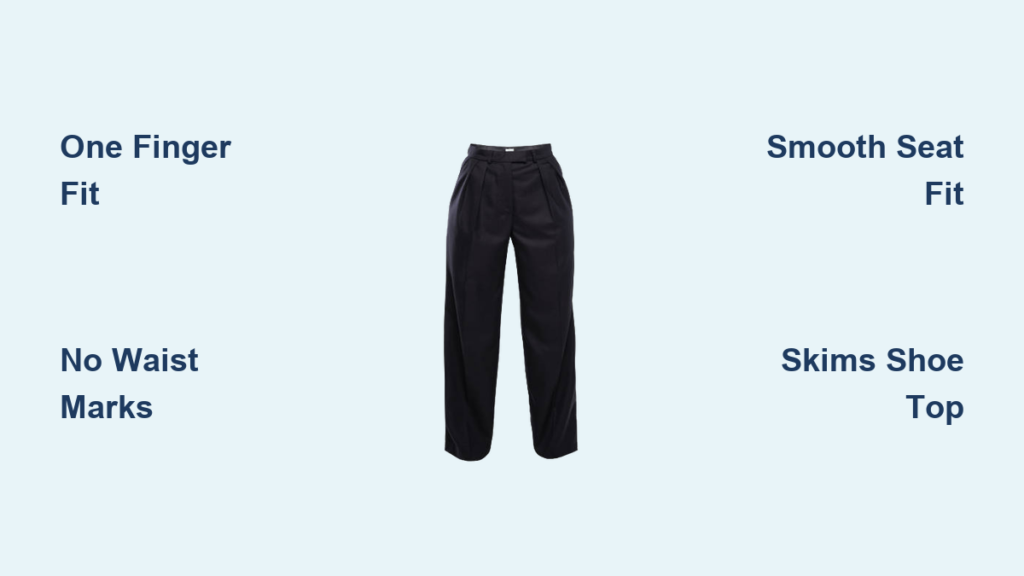
Finding the right fit for pants starts at the waist—but how tight should pants be at the waist? A waistband that’s too tight digs into your skin, leaves red marks, and restricts movement. One that’s too loose sags, gaps, and forces constant adjustments. The ideal fit? Snug, not tight. This means your pants stay in place without a belt for short periods, sit evenly, and allow natural movement. Most experts agree: if you can comfortably fit one or two fingers between your body and the waistband, you’ve found the sweet spot. Whether you’re wearing jeans, chinos, or dress trousers, proper waist fit impacts comfort, posture, and how sharp you look. In this guide, you’ll learn how to test your fit, avoid common mistakes, and understand how waist fit connects to rise, hips, and overall silhouette.
You’ll also discover how small adjustments—like using suspenders or choosing the right rise—can make a big difference. From shopping tips to tailoring limits, this guide covers everything you need to wear pants that feel custom-made.
Snug, Not Tight: The Waist Fit Rule
What “Snug” Really Means
“Snug” means secure, not squeezed. The waistband should rest at your natural waist—just above the hip bones—without pinching or rolling. Think of it like a firm handshake: supportive and present, but not crushing. When properly fitted, your pants will stay up without constant pulling, lie flat against your body, and move with you. This fit ensures comfort whether you’re sitting, walking, or reaching. If you need to hold your breath to button them, they’re too tight.
Why Proper Waist Fit Matters
A well-fitted waist enhances both style and function. It creates a clean, tailored look that flatters your body shape and eliminates gapping or bulging. Pants that fit right drape smoothly and maintain their structure throughout the day. Beyond appearance, correct fit prevents discomfort—like digestive pressure from tight bands or poor posture from sagging pants. It also reduces stress on seams and closures, extending the life of your trousers.
How to Test Your Waist Fit
The One- to Two-Finger Rule
This is the most reliable way to check fit. After zipping and buttoning, slide one or two fingers between your skin and the waistband. If both fit comfortably, the pants are likely well-fitted. If you can’t fit one finger, they’re too tight. If three or more fingers fit easily, they’re too loose. This rule applies to all pant types and is especially helpful when shopping online or trying new brands.
Visual and Movement Checks
Use these real-world tests to confirm fit:
• Check for gapping – No gap at the back means the waist fits your shape
• Look for flatness – The waistband should lie flush, not roll or fold
• Sit down – The pants should stay in place without sliding or pinching
• Walk around – No pulling at the seams or need to hike them up
• Bend forward – The waistband shouldn’t dig in or fall down
If any of these fail, the fit isn’t right—even if the finger test passes.
Common Waist Fit Mistakes

Pants Too Tight at the Waist
Tight waistbands are common, especially in off-the-rack sizes. Warning signs include:
• Red marks on your skin after removing pants
• Difficulty breathing or discomfort after eating
• Fabric pulling at the fly or button
• Pockets that gape outward
• Inability to sit comfortably
Over time, tight pants strain seams and distort the drape, leading to premature wear or blown-out buttons.
Pants Too Loose at the Waist
Loose pants may feel easy at first but cause ongoing issues:
• Constantly pulling them up
• Sagging below the hips
• Excess fabric bunching at the back
• Gapping when you move or sit
• An unpolished, sloppy appearance
If you rely heavily on a belt to keep your pants up, they’re too big. A belt should be a style choice, not a necessity.
Adjusting and Altering Waist Fit
Tailoring Range: How Much Can Be Changed?
Most quality pants can be altered 3–4 cm (about 1.5 inches) at the waist—either taken in or let out. This is enough to fix minor fit issues. Going beyond this risks misaligning pockets, pleats, or side seams. Always consult a skilled tailor to preserve the pant’s structure. Note: waist adjustments are easier than hip or rise changes.
When to Use Suspenders
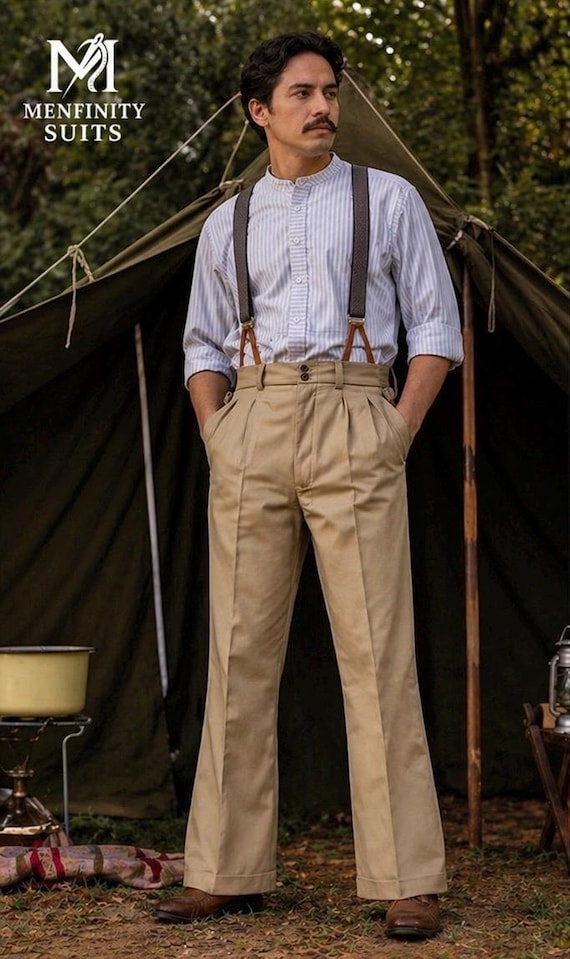
If your waist is between sizes or you’ve lost weight, suspenders are a smart alternative. They:
• Keep pants secure without waistband pressure
• Distribute weight across the shoulders
• Prevent belt loops from stretching
• Add a classic, refined touch to your outfit
Suspenders work best with high-rise pants and eliminate the need for tight waistbands or bulky belts.
Waist Fit and Rise: What’s the Connection?
High-Rise vs. Low-Rise Fit Logic
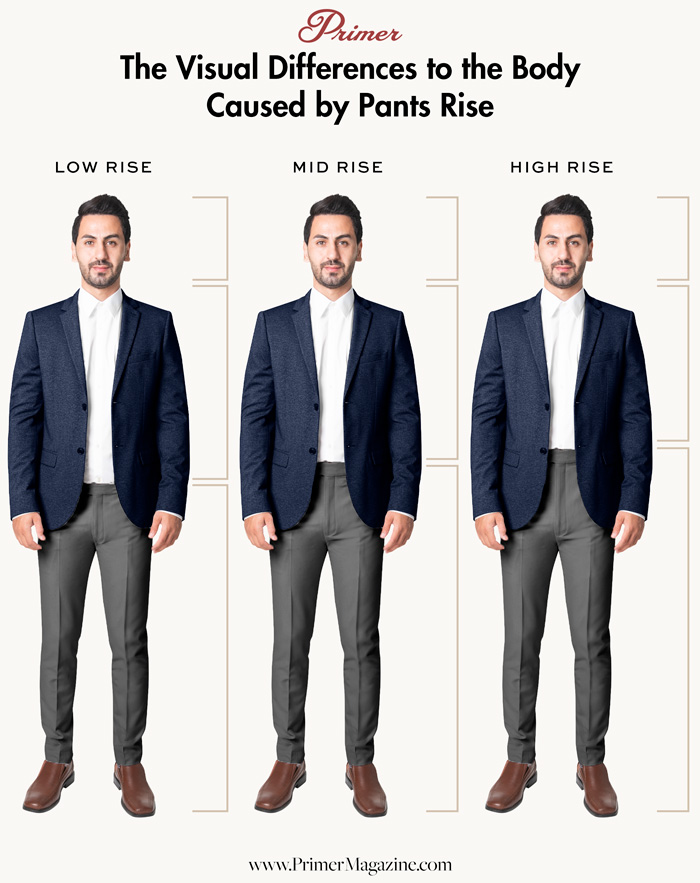
The rise—distance from crotch to waistband—directly affects waist comfort.
• High-rise pants sit at or just below the navel. They offer more support, a longer leg line, and a modern, streamlined look.
• Low-rise pants sit on the hips. They often feel looser at the waist and may need a tighter fit or belt to stay up.
Never force a high rise by pulling up low-rise pants. This causes discomfort, fabric bunching, and an unnatural crotch pull.
Choosing the Right Rise for Your Body
• Shorter torso? High-rise pants can visually lengthen your legs
• Longer waist? Low-rise styles may feel more balanced
• Always match the rise to your natural waist shape—don’t try to “fake” a fit that isn’t built in
Choosing the right rise makes the waist fit feel more natural and secure.
Hips, Seat, and Sitting Comfort
Hips Expand When Sitting
Your hips can expand up to 1–2 inches when seated. Pants that fit perfectly standing may feel tight when sitting if the hip area is too narrow. That’s why hip fit is more critical than waist fit for off-the-rack pants. A slightly loose waist can be altered; tight hips usually can’t.
The Almond-Shaped Cut Advantage
Well-tailored trousers use an almond-shaped crotch seam, not a circular one. This design:
• Adds extra fabric behind the leg
• Lies flat when standing
• Provides room when sitting
• Improves airflow and comfort
This subtle cut is why quality pants feel looser when seated—even if the waistband stays secure.
Length and Break: How They Affect Waist Perception
Trouser Length Influences Proportion
The length of your pants changes how the waist fit appears:
| Break Type | Fit Effect |
|---|---|
| No break | Clean, sharp look. Elongates legs. Best with slim fits. |
| Slight break (1–2 cm) | Modern, balanced. Hides ankle slightly. Works for most body types. |
| Full break (3–4 cm) | Traditional, conservative. Can shorten legs if too bulky. |
Pants with a full break may appear looser at the waist, while no-break styles highlight a precise fit.
Sock Pairing Tips
• No break? Wear no-show or ankle socks to avoid showing skin
• Slight or full break? Choose over-the-calf socks to prevent bare ankle exposure when sitting or walking
Matching socks to length keeps your look polished and intentional.
The 4-Point Fit Checklist
Evaluate These Key Areas Together
Waist fit doesn’t work alone. Use this checklist for total trouser harmony:
- Rise – Sits at natural waist, not too high or low
- Waist – Snug enough to stay up, one or two fingers fit comfortably
- Hips – Room to move, no tightness when walking or sitting
- Length – Correct break for your height and style
If one element is off, the whole look suffers. For example, perfect waist fit with a too-short rise can still cause gapping.
Personal Preference and Fit Evolution
Fit Is Not One-Size-Fits-All
Some prefer a relaxed fit with a slight waist gap and soft drape. Others want slim, tailored precision. Both are valid—style evolves with age, body changes, and comfort needs. The key is intentionality. Know why you’re choosing a certain fit, not just following trends.
Experiment to Find Your Ideal
• Try different brands and cuts
• Wear pants for 10–15 minutes before deciding
• Sit, walk, and bend to test real-world comfort
• Take notes on what works—and what doesn’t
Mistakes are part of the process. The journey to perfect fit is personal, practical, and worth it.
Final Tips for Perfect Waist Fit
When Shopping for Pants
• Prioritize hip and rise fit first—these are harder to alter
• Check for alteration potential: 3–4 cm at the waist is standard
• Look for inlay fabric if you might need lengthening later
• Try without a belt to assess true waist fit
When Wearing and Living in Pants
• Move naturally—your pants should move with you
• Avoid constant pulling—if you’re adjusting every few minutes, the fit is wrong
• Listen to your body—discomfort is a sign, not a challenge to endure
When Altering Pants
• Waist adjustments are doable—up to 3–4 cm
• Hip alterations are limited—get this right at purchase
• Shortening is easier than lengthening—check inlay before buying
Frequently Asked Questions About How Tight Should Pants Be at the Waist
How many fingers should fit in your waistband?
You should be able to fit one or two fingers comfortably between your body and the waistband. This indicates a snug, not tight, fit. If you can fit three or more fingers, the pants are too loose. If you can’t fit one, they’re too tight.
Can pants be too tight even if they button?
Yes. Pants can button but still be too tight. Signs include red marks, difficulty breathing, fabric strain at the fly, or discomfort when sitting. Just because they close doesn’t mean they fit.
Should dress pants stay up without a belt?
Ideally, yes. Well-fitted dress pants should stay up for several minutes without a belt. If they slide down immediately, they’re too loose. A belt should enhance the look, not hold up ill-fitting pants.
Do pants stretch at the waist over time?
Yes, especially cotton, wool, and blended fabrics. Waistbands can loosen slightly with wear. This is why many people buy pants slightly snug, knowing they’ll stretch. However, don’t rely on stretching to fix a poor fit.
Is it better to size up or down in pants?
It’s better to size down in waist only if you can still fit one finger comfortably and the hips allow movement. Sizing up often leads to excess fabric and sagging. Remember: waist can be altered more easily than hips.
How tight should jeans be at the waist?
Jeans should follow the same one- to two-finger rule. Since denim stretches, many prefer a slightly snug fit when new. Avoid jeans that require holding your breath to button or leave deep marks on your skin.
Key Takeaways for How Tight Should Pants Be at the Waist
The perfect waist fit is snug, not tight—secure enough to stay in place, comfortable enough to move freely, and balanced enough to look sharp. Use the one- to two-finger test as your baseline, then confirm with movement checks. Pay attention to rise, hip room, and trouser length, as they all influence how the waist feels and looks.
If your pants gap, sag, or dig in, the fit is off. Minor issues can be fixed with tailoring or suspenders. Major issues mean it’s time to try a different size or cut. With the right fit, your pants won’t just look better—they’ll feel like they were made for you.