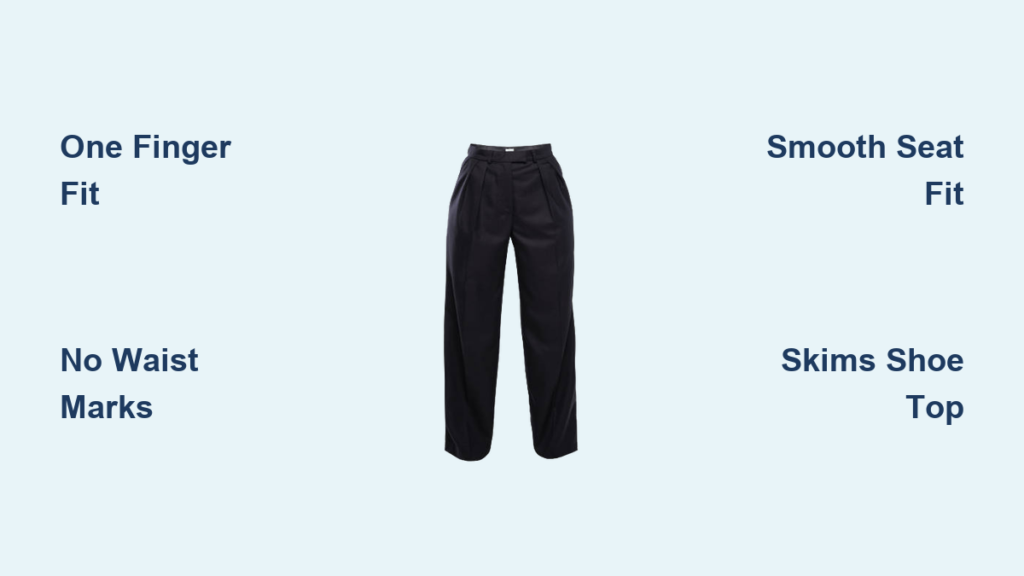
If your compression pants feel like a prison rather than performance gear, you’re not getting the benefits you paid for. The big question—how tight should compression pants be—comes up again and again among athletes, fitness enthusiasts, and recovery users. The answer isn’t “as tight as you can handle,” but rather: snug enough to support, loose enough to move. Properly fitted compression wear feels like a “supportive hug”—firm, even, and functional without cutting off circulation or causing pain. When done right, these garments enhance blood flow, reduce muscle fatigue, and stabilize movement. When too tight or too loose, they cause discomfort, chafing, or even nerve issues.
You’ll learn how to use real-world tests like the one-finger rule and squat check, why brand sizing varies, and how to avoid common myths that lead to poor fit. Whether you’re using compression pants for running, lifting, recovery, or daily wear, this guide ensures you get the full benefits—without the drawbacks.
Snug but Never Painful
The most important rule: compression should feel firm, not painful. True medical- or performance-grade compression improves circulation and reduces muscle oscillation during movement—but it should never cause numbness, restrict breathing, or make you wince.
The “Supportive Hug” Standard
Think of the ideal fit as a supportive hug—tight enough to feel secure, but comfortable enough to forget you’re wearing them. This sensation means the garment is working: applying graduated pressure that supports muscles and aids recovery. If your first reaction is pain or pinching, the pants are too tight. Discomfort isn’t a sign of effectiveness—it’s a warning.
Compression works best when it’s functional, not distracting. If you’re constantly adjusting or feeling restricted, the fit is off.
Functional Fit vs. Fashion Fit
Compression pants are not shapewear. Their job is to enhance performance and speed recovery—not to slim your silhouette. They’re engineered to improve oxygen delivery, reduce muscle vibration, and support circulation. A proper fit enables these benefits; an overly tight fit sabotages them by restricting blood flow and nerve signals.
Ask yourself: Are you wearing these to perform—or just to look compressed? If deep breathing is hard or movement feels limited, the pants have crossed from functional to harmful.
Key Fit Criteria to Check
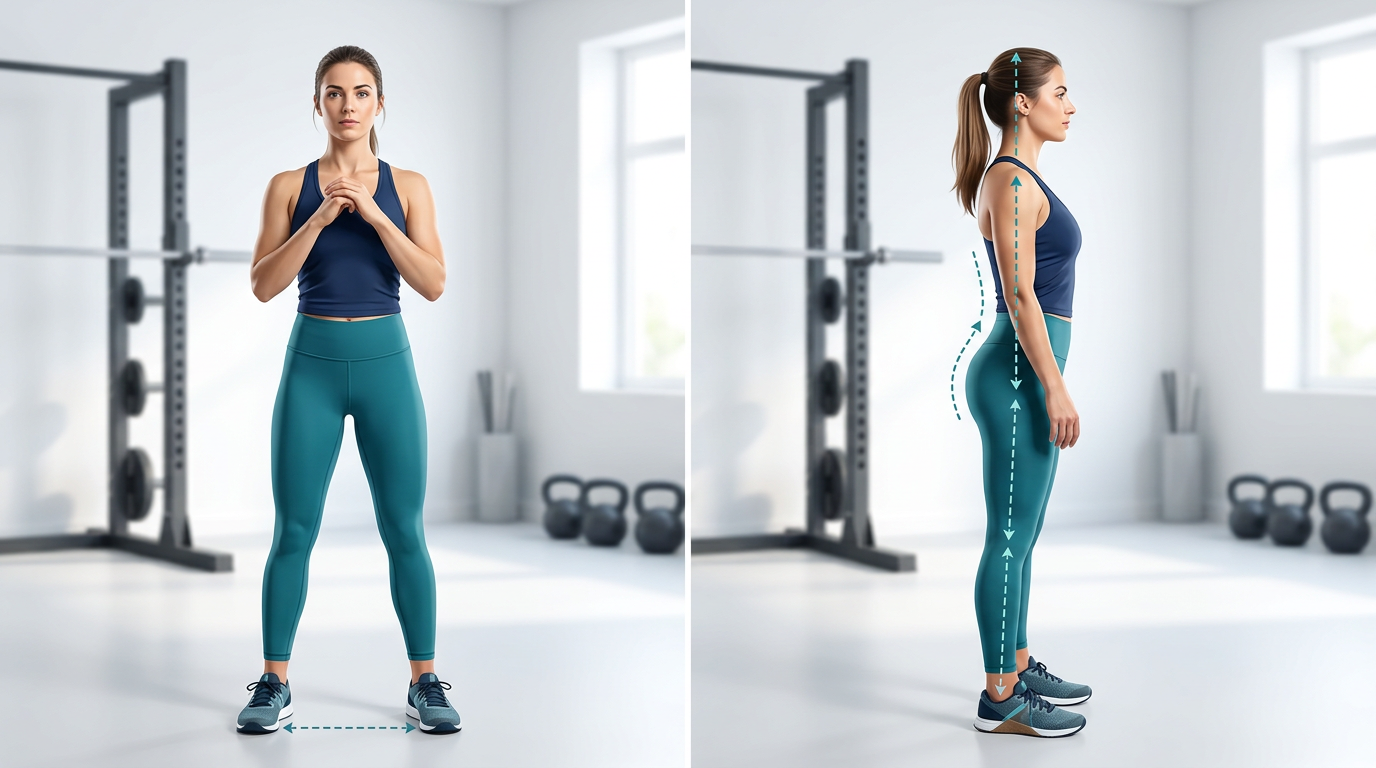
To know if your compression pants fit right, assess them across three areas: pressure, movement, and circulation. Each is essential for safety and performance.
Pressure Should Be Even and Consistent
Good compression feels uniform from waist to calf. There should be no pressure hotspots—especially at the waistband, thighs, or calves. Graduated compression (tightest at the ankle, looser at the thigh) is normal and helpful, but sudden jumps in tightness mean poor fit or design.
Run your hand down the leg while wearing the pants. If one area feels drastically tighter, it may restrict blood flow or cause chafing over time.
Full Range of Motion Is Required
You must be able to squat, lunge, run, and stretch without restriction. Compression pants should move with your body, not against it.
Try this quick test:
• Perform 10 bodyweight squats
• Do a forward fold and touch your toes
• Jump in place 10 times
If any movement feels limited, pinches, or causes the fabric to ride up, the fit isn’t right. The pants should stay in place and feel stable throughout dynamic motion.
Circulation Must Never Be Compromised
This is non-negotiable. Compression enhances circulation—it shouldn’t block it. Watch for these red flags:
• Numbness or tingling in legs or feet
• Coldness in lower limbs
• Heavy, achy legs after removal
• Visible dents or deep marks on the skin
If you experience any of these, take the pants off immediately. Persistent symptoms may require medical attention.
How to Test Your Compression Pants Fit
Don’t guess—test. These simple checks take less than five minutes and show whether your compression pants are helping or hurting.
One-Finger Waistband Test
Slip a single finger under the waistband.
• ✅ One finger fits comfortably = good fit
• ❌ Can’t fit a finger = too tight
• ❌ Two or more fingers fit easily = too loose
This rule applies to most styles and is a reliable first indicator of proper fit.
Squat and Move Test
Put on the pants and perform a series of movements:
1. Do 5–10 bodyweight squats
2. Lunge forward and back
3. Bend over to touch your toes
4. Jump lightly in place
During this routine, check for:
• Pinching at the hips or thighs
• Waistband rolling or slipping
• Fabric bunching behind the knees
• Any discomfort or restriction
If anything feels off, the pants likely don’t fit your body type or activity needs.
Application and Removal Check
Pay attention to how hard it is to put on and take off the pants.
• Slight resistance is normal—compression fabric is tight
• Struggling, pulling, or needing help is not
If you feel like you’re wrestling the garment on, it’s too small. Over time, this can damage the fabric’s elasticity and reduce compression.
Skin Mark Inspection
After wearing the pants for 30+ minutes, remove them and examine your skin.
• ✅ Light, temporary lines that fade within minutes = normal
• ❌ Deep red marks, indentations, or bruising = too tight
Persistent marks indicate excessive pressure, especially around seams or elastic bands. This can lead to skin irritation or nerve compression.
Warning Signs: Too Tight or Too Loose?
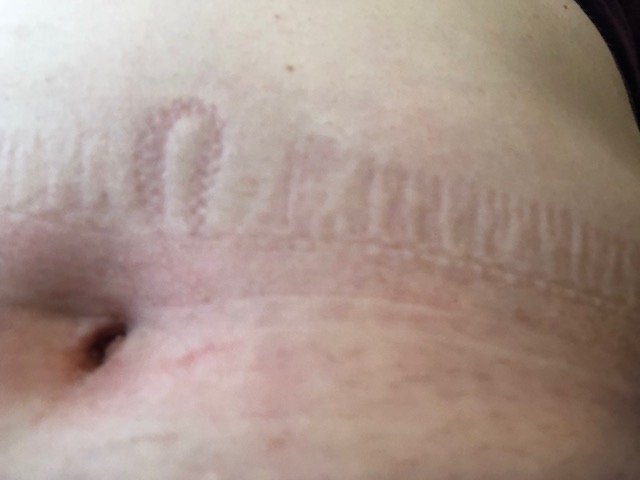
Knowing the difference between snug and too tight can prevent injury and discomfort. Here’s how to spot the red flags.
Signs Compression Pants Are Too Tight
• Difficulty breathing or restricted diaphragm movement
• Numbness, tingling, or “pins and needles” in legs
• Pain or significant discomfort during wear
• Inability to fit one finger under the waistband
• Deep skin impressions that last more than a few minutes
• Fabric stretched thin or showing creases
• Struggling to put on or remove
• Reduced range of motion or joint stiffness
Any of these mean the pants are too tight. Do not continue wearing them. Adjust size or brand immediately.
Signs Compression Pants Are Too Loose
• Pants constantly ride up during activity
• Waistband slides down without support
• Fabric bunches at knees, hips, or thighs
• No noticeable compression or support feeling
• You can fit two or more fingers under the waistband
• Pants shift independently of your body
Loose pants won’t deliver the intended benefits. They may also cause chafing from constant movement and adjustment.
Fit Varies by Brand and Purpose
Not all compression pants are created equal. Fit depends heavily on brand, design, and intended use—so never assume your usual size applies.
Always Use the Brand’s Size Chart
Manufacturers use different sizing standards. A medium in Brand A may fit like a small in Brand B.
Always measure your waist, hips, and inseam and compare them to the specific brand’s chart—not your usual clothing size.
When between sizes:
• Choose smaller for performance (running, training)
• Choose larger for recovery or all-day wear
• Consider reviews: many customers note if a brand runs small or large
Performance vs. Recovery Fit Differences
• Performance compression (for running, lifting, sports):
Snugger fit, designed to stay stable during intense movement
Focus on muscle stabilization and vibration reduction
• Recovery compression (post-workout, travel, rest):
Slightly more forgiving fit
Prioritizes comfort for extended wear
Still provides circulation benefits but with less intensity
Choose based on your activity—not just how they feel standing still.
Fabric and Construction Matter

Even the best size won’t help if the pants are poorly made. Quality materials and smart design ensure comfort, durability, and effective compression.
Look for Breathable, Flexible Fabric
The material should:
• Allow moisture to escape (wicking)
• Stretch in all directions
• Maintain compression after repeated washes
• Feel smooth against the skin (no itching or irritation)
Avoid pants that feel plasticky, stiff, or overly shiny—these often lack breathability and can overheat.
Check Seam and Waistband Design
• Flat or bonded seams reduce chafing
• Wide, gripped waistbands prevent rolling
• No internal tags or rough stitching
• Graduated compression zones (tighter at calves, looser at thighs)
A well-constructed pant stays in place without digging in. Poor design can cause discomfort even in the correct size.
Activity-Specific Fit Tips
Your ideal fit changes depending on what you’re doing. Here’s how to adjust for common uses.
Running and High-Impact Sports
• Must stay completely stable during stride
• No bouncing, riding up, or waistband roll
• Fabric should not bunch behind knees
• Look for targeted muscle support zones (quads, hamstrings)
Test by jogging in place or doing high knees for 30 seconds.
Strength Training and Squats
• No pinching at hip flexors during deep squats
• Waistband must stay flat and secure when bending
• Full hip and knee mobility required
• Avoid styles with tight calf bands if doing lunges or jumps
Try a deep squat hold to check for restriction.
Recovery and All-Day Wear
• Comfort is priority—one finger test still applies
• Slightly looser fit may be acceptable
• Should feel soothing, not restrictive
• Ideal for travel, post-surgery, or long periods of sitting
Avoid anything that leaves marks after short wear.
Avoid These Common Misconceptions
Don’t fall for these myths that lead to discomfort and misuse.
“Tighter Is Better” — False
More pressure doesn’t mean better results. Excessive tightness cuts off circulation, increases injury risk, and can damage nerves. Effective compression is measured, not maximum.
“Pain Means It’s Working” — Dangerous
Pain is your body’s warning signal. Discomfort is not a sign of effectiveness. If it hurts, it’s wrong.
“One Size Fits All” — Myth
Compression wear is highly individual. Your height, weight, muscle mass, and activity level all affect fit. Always size based on measurements, not assumptions.
“Marks on Skin Are Normal” — Partially False
Light, temporary lines? Okay. Deep, lasting dents? No. These indicate dangerous pressure levels.
Frequently Asked Questions About Compression Pants Fit
How tight should compression pants feel when you first put them on?
They should feel snug but not painful. There will be resistance when putting them on, but once worn, they should feel like a second skin—supportive and stable without restricting breathing or movement.
Can compression pants cut off circulation?
Yes, if they’re too tight. Signs include numbness, tingling, cold feet, or deep skin marks. If you notice these, remove the pants immediately. Proper compression enhances blood flow—it shouldn’t block it.
Should compression pants leave marks on your skin?
Light, temporary lines that fade within minutes are normal. Deep, lasting indentations or red marks mean the pants are too tight and may be causing tissue or nerve pressure.
Do compression pants loosen over time?
Yes. Most quality pairs last 30–50 washes before losing elasticity. If they no longer feel supportive or stretch out during wear, it’s time to replace them.
How do I know if I need a larger or smaller size?
Use the one-finger test and movement check. If you can’t fit one finger under the waistband or feel restricted, size up. If the pants ride up, slide down, or feel loose, size down.
Should compression pants be tighter on the calves?
Yes—graduated compression is normal and beneficial. It’s tighter at the ankle and gradually loosens up the leg to help blood flow back to the heart. But the transition should be smooth, not abrupt.
Key Takeaways for Getting the Right Compression Fit
The right compression pants feel like a second skin—present, supportive, and unnoticed during movement. They enhance performance and recovery without demanding attention. Use the one-finger test, movement checks, and skin inspection to confirm fit. Respect brand sizing, prioritize function over fashion, and never ignore pain. When in doubt, size up and test thoroughly. Your body—and your results—will thank you.