
If you’ve ever bought pants online only to find they’re too tight in the waist or too short in the leg, you’re not alone. The truth is, how pants size works isn’t as straightforward as checking a tag. Most people assume a size “34” means 34 inches around the waist—but that’s often wrong. In reality, tagged sizes are typically 2 inches smaller than the actual measurement. This gap between label and reality causes confusion, returns, and frustration. Understanding the “waist x inseam” system, how to measure properly, and why sizes vary by brand can save you time and hassle. This guide breaks down every part of pants sizing—from decoding tags to measuring your favorite pair—so you can buy with confidence, whether in-store or online.
You’ll learn how to measure pants like a pro, why your size 34 might actually be 36 inches, and how fabric stretch changes fit over time. With this knowledge, you’ll stop guessing and start getting the right fit every time. Whether you’re shopping for jeans, chinos, or dress pants, mastering how pants size works turns confusing labels into clear, actionable data.
Waist x Inseam Explained
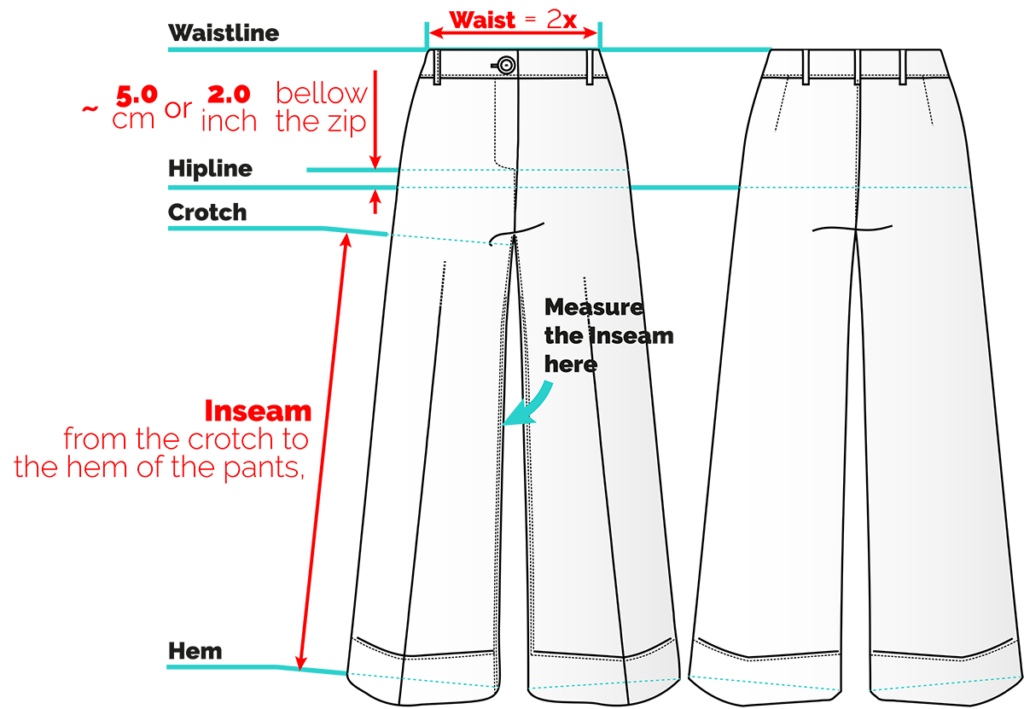
What “34 x 32” Really Means
The standard pants size format—like 34 x 32—refers to two key measurements:
– First number (34): Tagged waist size in inches
– Second number (32): Inseam length in inches
But here’s the catch: a “34” waist doesn’t mean the pants measure exactly 34 inches around. Instead, it’s a reference size. The actual flat measurement from edge to edge is usually closer to 18.5 inches, which doubles to 37 inches when worn. After factoring in fabric stretch and fit preferences, it lands close to a real 36-inch waist.
This system ensures both waist circumference and leg length are accounted for, especially important in men’s chinos, jeans, and dress pants.
Why Inseam Matters for Fit
Inseam length determines where the pant breaks at your shoe. Too short? Gaps appear above your shoes. Too long? Fabric bunches at the ankle.
- 30-inch inseam: Best for heights under 5’6″
- 32-inch inseam: Standard for 5’8″ to 6’0″
- 34-inch inseam: For 6’0″ and taller
Always measure from the crotch seam to the hem on a flat pair of well-fitting pants to find your true inseam.
Tag Size vs. Actual Size
The 2-Inch Sizing Rule
Here’s a hard truth: a size 34 is rarely 34 inches. Most brands design a size 34 to fit a 34-inch waist after stretching, but the initial flat measurement is closer to 36 inches. This 2-inch difference exists for comfort and movement.
Why do brands do this?
– Allows for natural waist expansion after meals
– Accommodates bending and sitting without tightness
– Follows vanity sizing trends—where larger sizes are labeled smaller
So if your waist measures 36 inches with a tape, you likely need a size 34, not a 36.
How Vanity Sizing Changed Pants
Over the past 40 years, pants sizes have inflated. A true 34-inch waist in the 1980s now fits like a 32. This “vanity sizing” makes consumers feel like they’re wearing a smaller size, even if the garment is looser.
Result:
– Size labels no longer match body measurements
– Cross-brand shopping becomes guesswork
– Online returns increase due to fit mismatch
Always rely on actual garment measurements, not the tag.
How to Measure Pants Correctly
Waistband: Stretch & Align
Measuring the waistband wrong leads to bad fits. Here’s the right way:
- Lay pants flat, front and back aligned
- Pinch the waistband ends to remove slack
- Stretch slightly and lay flat along a yardstick
- Measure edge to edge, not seam to seam
Example: A size 34 pair measures 18.5 inches flat, which equals 37 inches when doubled. After 2–3 days of wear, it stretches to 36 inches—perfect for a 34-inch waist.
🚫 Avoid: Laying pants flat without stretching. This compresses the fabric and gives a false reading (e.g., 17 inches flat = too small).
Thigh Circumference at 1 Inch Down
Thigh fit affects comfort and mobility. To measure:
- Fold one leg out of the way
- Lay pants flat
- Measure 1 inch below the crotch seam, straight across
- Use edge to edge, not seam to seam
Why 1 inch down? This is the widest part of the thigh when seated. A proper fit here prevents pulling and restriction.
Example: 13.75 inches flat = 27.5 inches circumference—ideal for a medium build.
Inseam from Crotch to Hem
This determines pant length. To measure:
- Straighten the leg fully
- Start at the inner crotch seam
- Run a soft tape measure down to the bottom edge of the hem
Use a soft tape for accuracy—it bends with the seam. A yardstick works if you straighten the leg completely.
Pro tip: If your current pants break perfectly at the shoe, use that inseam as your baseline.
Hem Width for Leg Opening
Hem width controls the pant’s silhouette:
- Lay pants flat
- Measure the bottom of the leg from edge to edge
Typical values:
– Slim fit: 7–7.5 inches
– Regular fit: 8 inches
– Bootcut: 8.5+ inches
A wider hem allows room for boots; a narrower hem gives a modern, tapered look.
Key Fit Measurements Beyond Waist
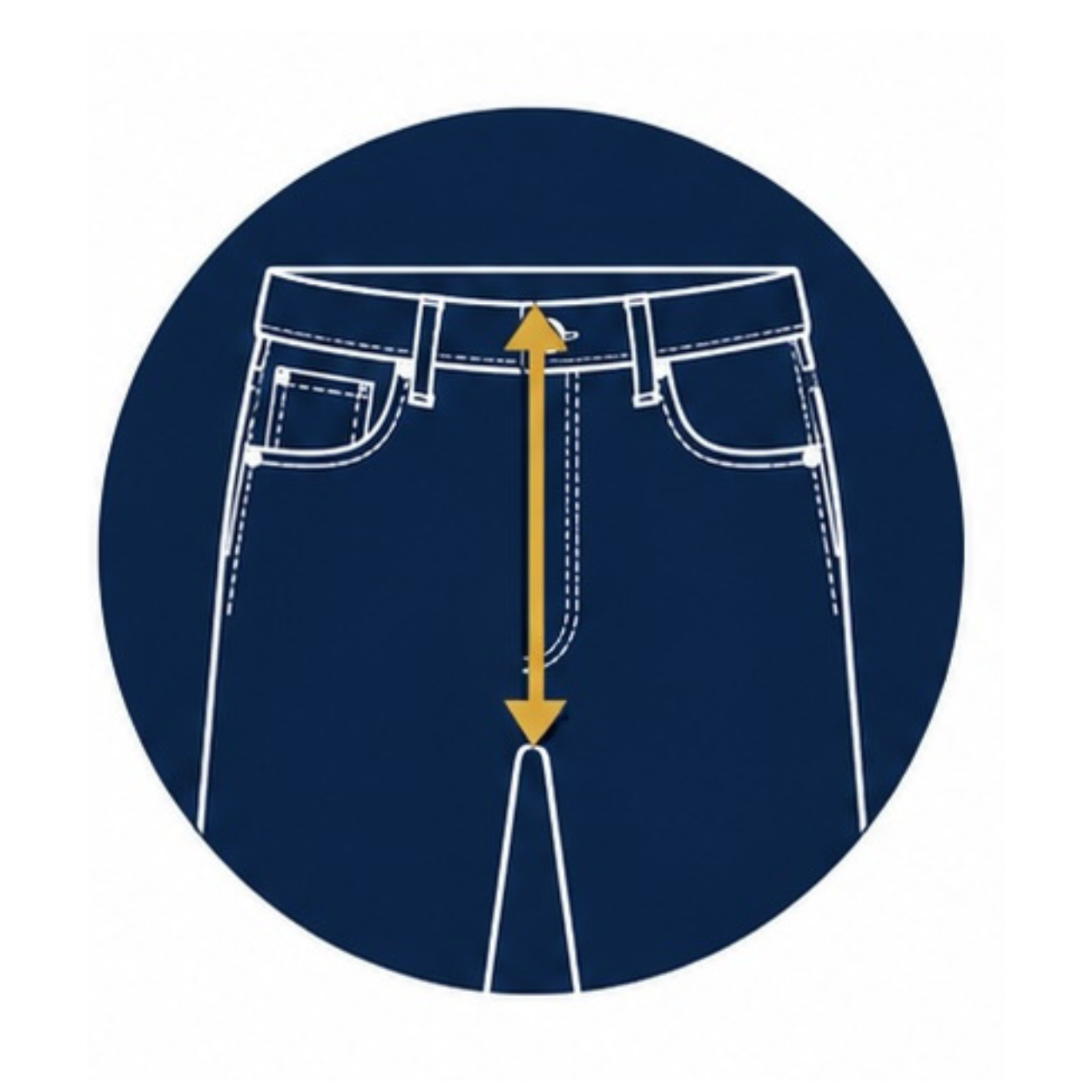
Front Rise: Crotch to Waist (Front)
Front rise affects how high the pants sit and how they drape:
- Start at the front crotch seam
- Measure straight up to the top of the waistband
Example: 12.25 inches = mid-rise
– Low rise: 10–11.5 inches
– Mid rise: 12–13 inches
– High rise: 14+ inches
A longer front rise offers more coverage and comfort when sitting.
Back Rise: Crotch to Waist (Back)
Back rise is usually longer than front rise due to the curve of the buttocks.
- Start at the back crotch seam
- Measure up to the top back waistband
Example: 16.5 inches back vs. 12.25 inches front
This difference ensures the pants follow body contours without pulling or gapping.
Fabric & Fit: How Pants Change With Wear

Sanforized vs. Non-Sanforized Denim
- Sanforized (pre-shrunk): Treated to minimize shrinkage. Feels snug at first but stretches ~1 inch after 2–3 wears.
- Non-sanforized (raw): Can shrink up to 10% after first wash. Must be sized larger initially.
Most off-the-rack pants use sanforized fabric, so expect slight stretch but no major shrinkage.
Break-In Stretch: Expect 1 Inch Gain
New pants feel tight because they haven’t conformed to your body. After wearing:
- Waistband stretches ~1 inch
- Hips and thighs relax slightly
- Fabric molds to your shape
Example: A size 34 starts at 35 inches flat (70 inches doubled), stretches to 36 inches (72 inches doubled)—perfect for a 34-inch waist with room to move.
This is why brands design pants slightly smaller than your actual size.
Brand Variations & Sizing Charts
Why Size 34 Isn’t Always 34
Not all brands follow the same standards. Some list:
- Size 34 = 35 inches (actual waist)
- Others: Size 34 = 36+ inches
This variation exists because:
- Brands target different body types
- Fit preferences vary (slim vs. relaxed)
- Stretch fabrics change sizing logic
Always check the brand’s size chart and compare to a pair you already own.
How to Use a Brand’s Size Chart
- Pull out a well-fitting pair of pants
- Measure waist, inseam, thigh, and rise
- Compare to the brand’s flat garment measurements
- Choose the closest match
Many brands provide exact inch-by-inch specs—use them instead of guessing by tag size.
Common Measurement Mistakes
The Compression Error
Laying pants flat and measuring without stretching flattens the fabric, leading to under-measurement.
- Result: Waist reads 17 inches instead of 18.5
- Mistake: Buying a size too big because “my old pants were 17”
Always stretch and align the waistband on a yardstick for accuracy.
Seam-to-Seam vs. Edge-to-Edge
Measuring from seam to seam cuts off fabric edges, giving a smaller number.
- Thigh measurement error: 12.5 inches (seam) vs. 13.75 inches (edge)
- Waist error: Up to 1.5 inches too small
Always measure edge to edge—this reflects how the garment actually fits.
How to Buy Pants Online With Confidence
Measure Your Best-Fitting Pair
Before ordering online:
- Find a pair that fits perfectly
- Measure:
– Waist (edge to edge, stretched)
– Inseam
– Thigh (1 inch down)
– Rise (front and back) - Save these numbers
Use them to match against product specs—not the tag size.
When to Contact the Brand
If measurements are unclear:
- Send your numbers to customer service
- Ask: “Which size matches these flat measurements?”
- Reputable brands will guide you
This small step prevents returns and ensures a custom-like fit.
Frequently Asked Questions About How Pants Size Works
Why is my size 34 actually 36 inches?
Because most brands build in extra room for comfort and movement. A size 34 is designed to stretch to fit a 34-inch waist, but starts at about 36 inches flat. This accounts for post-meal expansion and sitting without tightness.
How do I measure inseam correctly?
Lay the pants flat, straighten the leg, and measure from the inner crotch seam to the bottom of the hem using a soft tape measure. This gives your true inseam length and helps match pant break to your shoe style.
Should I size up for stretchy pants?
No—sizing up can make them too loose over time. Stretch fabrics (like 2–4% elastane) are designed to fit snug at first and conform to your body. Stick to your measured size unless the brand specifies otherwise.
What does “waist x inseam” mean on jeans?
It means the first number is the waist size (e.g., 34) and the second is the inseam length (e.g., 32). But remember: the actual waist is usually 2 inches larger than the tag. Always check flat measurements.
How much do new pants stretch after wearing?
Expect about 1 inch of stretch in the waistband after 2–3 wears, especially with sanforized denim. Hips and thighs also relax slightly, improving comfort and fit over time.
Can I trust size charts from different brands?
Only if they list actual garment measurements. Many brands use vanity sizing, so a size 34 from one brand may be 35 inches, while another’s is 36. Always compare flat measurements, not just the size number.
Key Takeaways for Understanding How Pants Size Works
Knowing how pants size works removes guesswork and prevents returns. Focus on actual garment measurements—not tag numbers. A size 34 is rarely 34 inches; expect 2 inches of extra room for comfort and stretch. Always measure your best-fitting pair edge to edge, stretch the waistband, and record inseam, thigh, and rise.
Use these numbers when shopping online, and don’t hesitate to contact brands for sizing help. With this approach, you’ll consistently find pants that fit right—no frustration, no hassle, just confidence in every step.


