
White pants can quickly lose their brightness from sweat, detergent buildup, or sun exposure. When regular washing fails, how to bleach white pants becomes a crucial skill for restoring their crisp, clean look. But using bleach incorrectly can damage fabric, cause yellowing, or create holes—especially on blends or delicate materials. This guide shows you how to choose the right bleach, prep your pants, and soak or wash them safely based on fabric type and stain severity.
You’ll learn step-by-step methods for cotton, polyester, and mixed fabrics, plus how to fix common problems like grayness or post-bleach yellowing. With the right approach, you can bring your white pants back to life without risking damage.
Identify Your Pants’ Fabric Before Bleaching
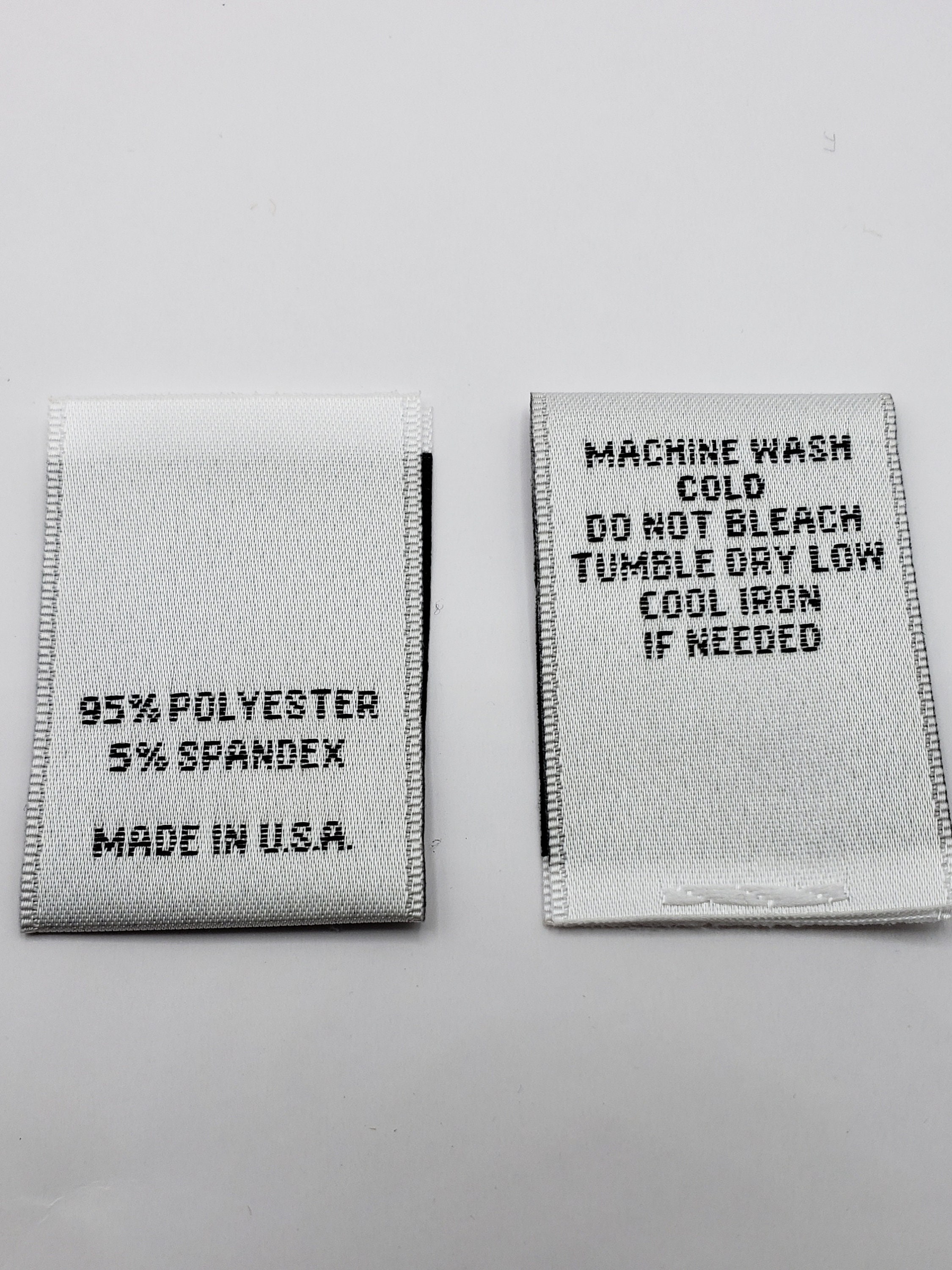
The first step in safely bleaching white pants is checking the fabric content. Using the wrong bleach can weaken fibers or cause irreversible discoloration.
Cotton Pants: Safe for Chlorine Bleach
100% cotton can handle chlorine bleach when used correctly. It’s effective for removing deep stains and yellowing.
• Always dilute bleach—use ½ cup per gallon of water
• Never apply full-strength bleach directly to fabric
• Limit soak time to 8 hours max to prevent fiber damage
Polyester or Spandex Blends: Use Oxygen Bleach Only
Synthetic fabrics like polyester, spandex, or elastane degrade under chlorine bleach. Stick to oxygen-based bleach (e.g., OxiClean).
• Mix 1–2 scoops per gallon of warm water
• Soak for 4–6 hours or overnight
• Safe for whites and won’t harm stretch fibers
Linen and Delicate Fabrics: Patch Test First
Linen yellows easily but is sensitive to harsh chemicals. Always test first.
• Use oxygen bleach only
• Soak no longer than 2–3 hours
• Wash on gentle cycle or by hand
Choose the Right Bleach for Your Pants

Not all bleaches work the same. Match the type to your fabric and discoloration level.
Chlorine Bleach for Severe Yellowing on Cotton
Best for heavily stained or yellowed 100% cotton pants.
• Active ingredient: Sodium hypochlorite
• Removes organic stains, kills odor-causing bacteria, deeply brightens
• Risk: Can weaken fibers or cause holes if overused
✅ Pro Tip: Never mix chlorine bleach with vinegar or ammonia—it creates dangerous fumes.
Oxygen Bleach for Routine Whitening and Blends
Ideal for synthetic fabrics, mild graying, or regular maintenance.
• Active ingredient: Sodium percarbonate
• Breaks down into hydrogen peroxide and soda ash—gentle and eco-friendly
• Safe for septic systems and colors
⚠️ Warning: Works slower than chlorine. Soak overnight for best results.
Pre-Treat Stains and Wash Before Bleaching
Skipping prep leads to uneven results. Always clean and treat stains first.
Remove Common Stains Before Bleaching
Bleach doesn’t lift all stains—pre-treat to avoid setting them.
• Sweat or blood (protein stains): Soak in cold water with enzyme detergent
• Oil or makeup (grease stains): Apply dish soap, gently scrub, then rinse
• Coffee or wine (tannin stains): Blot, then rinse with white vinegar
Run a Detergent-Only Wash Cycle
Wash once without bleach to remove surface grime and residue.
• Prevents chemical reactions that cause discoloration
• Helps bleach penetrate fabric more evenly
• Reduces risk of yellow or gray patches
Soak Pants for Maximum Brightness
For dingy or yellowed pants, soaking is more effective than machine washing alone.
Prepare the Correct Bleach Soak Solution
Match the solution to your fabric type for safe, even whitening.
Chlorine Bleach Soak (Cotton Only)
• 1 gallon warm water + ½ cup chlorine bleach
• Fully submerge pants
• Soak 5–8 hours, no longer
🔍 Visual cue: If water turns dark, replace the solution to maintain effectiveness.
Oxygen Bleach Soak (All Fabrics)
• 1 gallon warm water + 2 scoops oxygen bleach
• Soak 6–12 hours (overnight recommended)
• Ideal for blends, mild yellowing, or odor removal
Monitor Soak Progress Every Few Hours
Check for even whitening and fabric condition.
• Look for consistent brightness across fabric
• If material feels thin or rough, stop immediately
• Rinse thoroughly once desired whiteness is achieved
Wash Pants After Soaking
Even after soaking, a full wash cycle removes leftover bleach and loosened dirt.
Add Bleach During Machine Wash (If Not Soaking)
Use bleach directly in the wash if skipping a soak.
Top-Loading Machines
• Fill with hot water first
• Add bleach during agitation
• Then add pants and detergent
Front-Loading Machines
• Use the bleach dispenser drawer—never pour directly on clothes
• Set temperature to warm or hot (check care label)
• Use high-spin cycle to reduce drying time
Use the Right Water Temperature
Heat boosts bleach power but can damage some fabrics.
• Safe for: Cotton, linen (use hot water, ~120°F / 49°C)
• Avoid for: Polyester, spandex (use warm water, ~90°F / 32°C)
• Always check the care tag
Fix Common Bleaching Problems Fast
Even careful bleaching can go wrong. Here’s how to correct issues quickly.
Why Did My Pants Turn Yellow After Bleaching?
Post-bleach yellowing usually means:
• Hard water minerals: Add ¼ cup white vinegar to the rinse cycle
• Iron in water: Use distilled water or install a filter
• Over-bleaching: Fibers are damaged—stop treatment immediately
How to Fix Gray or Dull Whites
Gray indicates product buildup or mixed fabric reactions.
• Run a detergent-only wash with no fabric softener
• Add ½ cup washing soda to remove residue
• Switch to a high-efficiency detergent if using an HE machine
Stubborn Stains That Won’t Come Out
Target specific stains with these methods.
Grease or Oil Stains
• Apply liquid dish soap (like Dawn) directly
• Wait 10 minutes
• Scrub with a soft brush, then re-soak
Sweat or Deodorant Buildup
• Make a paste: 3 parts baking soda + 1 part water
• Rub into waistband or thigh areas
• Let sit 30 minutes, then re-wash
Dry White Pants the Right Way

Improper drying can undo your whitening efforts.
Air Dry in Sunlight for Natural Brightening
Sunlight acts as a natural bleach and disinfectant.
• Hang pants outside, inside-out
• UV rays help break down remaining stains
• Limit exposure to prevent fiber weakening
Machine Dry on Low Heat
If using a dryer:
• Remove promptly to reduce wrinkles
• Use wool dryer balls instead of softener sheets
• Clean the lint trap to avoid residue transfer
❌ Never use fabric softener—it leaves a waxy coating that attracts dirt and causes future graying.
Prevent White Pants from Yellowing Again
Keep whites bright with simple, consistent habits.
Wash Whites Separately
Mixing colors transfers dyes and oils.
• Sort by fabric type and soil level
• Use color catcher sheets if uncertain
• Avoid overloading the machine
Skip Fabric Softener Completely
It causes buildup that dulls whites over time.
• Replace with ¼ cup white vinegar in the rinse cycle
• Or use wool dryer balls in the dryer
Treat Stains Immediately
The longer a stain sits, the harder it is to remove.
• Blot—don’t rub
• Rinse with cold water first
• Pre-treat before washing
Store in a Cool, Dark Place
Sunlight and heat cause oxidation and yellowing.
• Use breathable cotton garment bags
• Avoid plastic covers
• Keep away from direct light
Know When to Stop Bleaching
Over-bleaching destroys fabric. Watch for these warning signs.
Signs of Over-Bleaching
• Thinning fabric or small holes
• Rough, brittle texture
• Yellow or orange discoloration
• Loose threads or damaged seams
✅ Rule of thumb: Use chlorine bleach only once every 4–6 washes for cotton. Use oxygen bleach for regular whitening.
Try Gentler Whitening Alternatives
If bleach is too harsh, use these safer methods:
• Baking soda + vinegar wash: ½ cup each in a hot water cycle
• Lemon juice + sun: Soak in lemon juice, then dry in sunlight
• Hydrogen peroxide soak: 1 cup in warm water, soak 1 hour
Frequently Asked Questions About Bleaching White Pants
Can I use chlorine bleach on white polyester pants?
No. Chlorine bleach breaks down polyester fibers and can cause yellowing or holes. Use oxygen bleach instead for safe whitening.
How long should I soak white pants in bleach?
For chlorine bleach (cotton only), soak 5–8 hours max. For oxygen bleach (all fabrics), soak 6–12 hours, preferably overnight.
Why do my white pants turn yellow after washing?
Yellowing is often caused by hard water minerals, iron in water, over-bleaching, or fabric softener buildup. Use vinegar in the rinse cycle and avoid softeners.
Can I bleach white pants with spandex?
No—chlorine bleach damages spandex. Use oxygen bleach only and limit soak time to prevent elasticity loss.
Is it safe to mix bleach and vinegar to clean white pants?
No. Mixing bleach and vinegar creates toxic chlorine gas. Never combine bleach with vinegar, ammonia, or other cleaners.
How can I whiten white pants without bleach?
Try oxygen bleach, hydrogen peroxide, baking soda, or a lemon juice soak in sunlight. These are gentler and safer for frequent use.
Key Takeaways for How to Bleach White Pants
Bleaching white pants can restore their original brightness—if done safely and correctly. Always check the care label, identify the fabric, and choose the right bleach type. Use chlorine bleach only on cotton, and oxygen bleach for blends or delicates. Pre-treat stains, soak when needed, and avoid fabric softeners to maintain results.
For best outcomes, wash whites separately, dry in sunlight when possible, and limit bleach use to prevent damage. With consistent care, your white pants can stay crisp, clean, and ready for any occasion.


