
You’re ready to send your project, but every time you go for a high step, your pants tighten at the thigh and restrict your movement. Or worse—after just a few sessions, they’re frayed at the knees or pilling from rock contact. The wrong climbing pants can sabotage your performance and comfort, no matter how strong your technique is. How to choose climbing pants isn’t just about fit—it’s about matching mobility, durability, and climate control to your climbing discipline.
Whether you’re bouldering under the desert sun or approaching a multi-pitch alpine route in damp conditions, your pants need to perform. This guide breaks down exactly what to look for: from 4-way stretch fabrics and gusseted crotches to harness-compatible fits and sustainable materials. You’ll learn how to avoid common mistakes, test pants effectively, and pick the right pair based on your climbing style—so you stay comfortable, protected, and unrestricted when it matters most.
Prioritize Freedom of Movement
Climbing demands dynamic motion. If your pants restrict your range of motion, they’ll hinder performance and increase fatigue.
Choose 4-Way Stretch Fabric for Full Mobility
The most critical feature in climbing pants is 4-way stretch. This fabric moves with your body in every direction—up, down, side-to-side, and diagonally—so you can lunge, twist, and drop-knee without resistance.
Look for blends like:
• Nylon-spandex (e.g., 85% nylon, 15% elastane)
• Polyester-elastane with mechanical stretch
These offer both flexibility and long-term durability. Avoid stiff cotton or non-stretch synthetics.
Pro Tip: Test stretch by simulating climbing moves—do a deep lunge or raise your leg. If the fabric pulls or binds, it’s not stretchy enough.
Skip Baggy Cuts and Bulky Pockets
Loose, cargo-style pants may look rugged, but they catch on harness buckles, gear loops, and rock edges.
Opt for:
• Slim or athletic fit
• Low-profile pockets
• Flatlock seams to reduce chafing
A streamlined design improves precision and prevents snags during technical moves.
Match Pants to Your Climbing Discipline

Your climbing style determines the ideal pant features—don’t use alpine pants for bouldering or yoga-style pants for trad.
Bouldering and Sport Climbing: Lightweight and Flexible
You need maximum breathability and stretch for short, intense efforts in warm weather.
Key features:
• Lightweight fabric (300–400g)
• 18–20% elastane for high mobility
• Gusseted crotch for full range of motion
• Quick-dry material to handle sweat
These pants often resemble athletic wear but are built with durable, abrasion-resistant weaves.
Best Choice: Softshell-style stretch pants with a yoga-inspired cut and reinforced seat.
Trad and Multi-Pitch Climbing: Durable and Weather-Ready
Long routes mean more exposure to rock, weather, and wear. Your pants must endure.
Look for:
• Reinforced knees and seat (double-layered fabric)
• DWR (durable water-repellent) finish
• Zippered pockets to secure gear
• Articulated knees for natural movement
These models are slightly heavier but offer better protection during scree hikes and off-route scrambling.
Pro Tip: Choose midweight pants (400–600g) for all-season versatility and better wind resistance.
Mountaineering and Alpine Climbs: Weatherproof and Abrasion-Resistant
Cold, wind, and sharp ice demand tough, protective pants.
Ideal traits:
• Ripstop nylon with scuff guards on lower legs
• Adjustable cuffs to fit over boots
• Breathable yet wind-resistant fabric
• Option to layer over thermal base layers
Some climbers wear softshell pants over hardshells in variable conditions.
Critical Warning: Never wear cotton—it retains moisture and increases hypothermia risk in cold environments.
Evaluate Fabric Durability
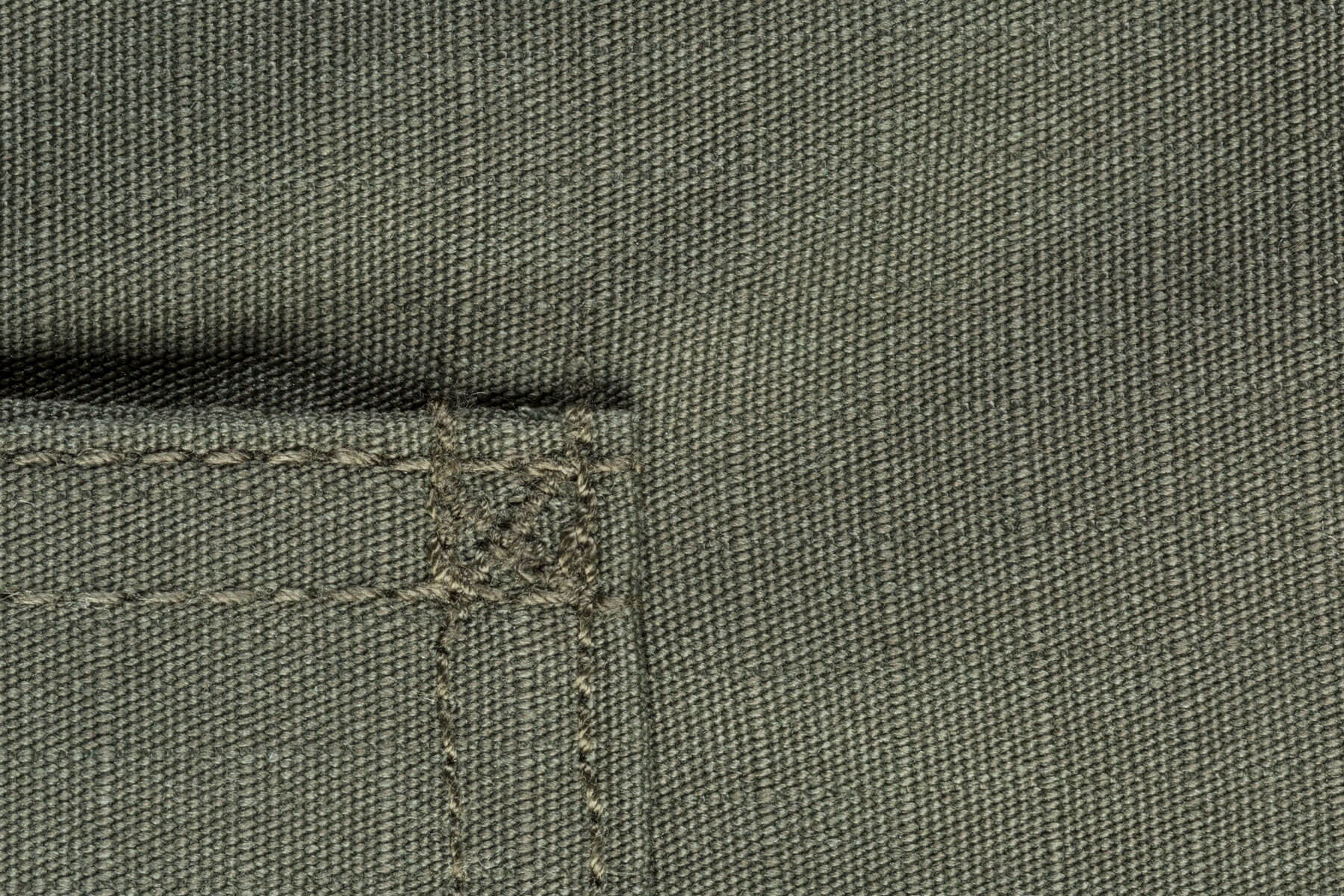
Rock is abrasive. Your pants will drag, scrape, and stretch—choose materials that won’t fail mid-route.
Pick Nylon Over Polyester for Toughness
While both are synthetic, nylon is stronger, more abrasion-resistant, and better at handling UV exposure.
Best options:
• Ripstop nylon (prevents tears from spreading)
• Denier count between 60D and 100D
80D offers the best balance—durable enough for the crag, light enough for movement.
Avoid: Thin fabrics under 60D for trad or alpine use—they wear out quickly.
Inspect Seam Construction for Longevity
Even strong fabric fails if seams are weak.
Check for:
• Gusseted crotch (eliminates stress at the center seam)
• Double-stitched high-stress zones (knees, waistband, crotch)
• Flatlock stitching (reduces chafing and adds strength)
Gusseted crotches are essential—they prevent blowouts during dynamic moves.
Optimize Comfort and Climate Control
You’ll wear these pants for hours. Stay cool in summer and warm in alpine chill with smart ventilation.
Choose Breathable, Moisture-Wicking Fabrics
Avoid tightly woven, non-breathable materials that trap heat and sweat.
Look for:
• Mesh-lined waistbands or inner thigh vents
• Lightweight, quick-dry blends
• Mechanical stretch (stretches without elastane, often more breathable)
Venting side zips are useful on hybrid hiking-climbing pants for temperature regulation.
Pro Tip: Pants with higher airflow help prevent overheating during long approaches.
Consider Weight and Layering Needs
Pants add to your pack weight—especially on long hikes.
Weight categories:
• Lightweight (300–400g): Best for sport climbing and hot climates
• Midweight (400–600g): Ideal for multi-pitch and variable weather
• Heavyweight (600g+): For alpine or winter climbing
Ensure room to layer a base or mid-layer underneath in cold conditions.
Ensure Proper Fit and Adjustability

A perfect pant fits your body and your harness—without pinching, riding up, or restricting movement.
Test Pants With Your Harness On
Always try climbing pants while wearing your harness.
Check for:
• No waistband pinching under harness
• Front pockets remain accessible
• Legs don’t ride up in climbing stance
Common Issue: Pants that fit fine alone but bunch under the harness. Look for lower-rise cuts or harness-friendly waistbands.
Use Adjustable Features for a Custom Fit
Fine-tune your fit with:
• Drawcord waist for on-the-fly adjustments
• Ankle zips or snap cuffs to convert to cropped length
• Articulated knees for natural bend during smears and flagging
These details enhance comfort over full days on the wall.
Consider Sustainability and Ethical Production
More climbers want gear that’s kind to the planet and the people who make it.
Choose Eco-Friendly Materials
Look for:
• Recycled nylon or polyester
• PFC-free DWR (avoids toxic chemicals)
• Bluesign® or OEKO-TEX® certified fabrics
These reduce environmental impact without sacrificing performance.
Pro Tip: Brands that publish factory lists and material sources are more transparent and trustworthy.
Support Ethical Brands
Prioritize companies with:
• Fair Labor Association (FLA) certification
• Repair programs or take-back recycling
• Commitment to fair wages and safe working conditions
Sustainability includes both materials and manufacturing ethics.
Test Pants Before Committing
Never buy climbing pants based on looks alone. Put them to the test.
Simulate Real Climbing Moves
At home or in the store:
• Step onto a chair to mimic high steps
• Practice a drop knee
• Do a deep squat and twist
If the pants bind, ride up, or feel tight, they’re not suitable.
Wear Them on Easy Routes First
Break in new pants on:
• A gym session
• Short boulder problem
• Hike to the crag
Watch for:
• Inner thigh chafing
• Pocket contents shifting
• Overheating during exertion
Red Flags: Pilling, seam stress, or zipper failure after one use mean poor quality.
Avoid These Common Climbing Pant Mistakes
Even experienced climbers get it wrong. Steer clear of these pitfalls.
Don’t Prioritize Style Over Performance
Fashionable cuts and colors don’t matter if the pants restrict movement or rip on rock.
Ask: Can I do a 5.12 overhang in these? If not, keep looking.
Never Trade Mobility for Extra Pockets
Cargo pockets look useful but snag on harnesses and rock.
If you need storage, choose:
• Low-profile zippered thigh pockets
• Harness-accessible waist pockets
• Hidden security pockets
Keep them minimal and streamlined.
Avoid Cotton in Any Form
Cotton absorbs moisture, dries slowly, and loses insulation when wet—making it dangerous in cold or wet conditions.
Stick to 100% synthetic or wool-blend fabrics only.
Key Takeaways for Choosing the Best Climbing Pants
The right climbing pants enhance your performance by combining stretch, durability, and comfort. Focus on 4-way stretch fabric, a gusseted crotch, and a fit that works with your harness. Match the pant weight and features to your climbing style—lightweight for bouldering, durable for trad, and weather-resistant for alpine. Avoid cotton, test thoroughly, and prioritize function over fashion.
Your next pair should move with you, survive the rock, and keep you comfortable all day. Try before you buy, and invest in quality—your climbs will feel smoother, safer, and more enjoyable.
Frequently Asked Questions About Climbing Pants
Can I use hiking pants for climbing?
Yes, but only if they have 4-way stretch, a gusseted crotch, and a slim fit. Most hiking pants lack the mobility and abrasion resistance needed for technical climbing.
Do I need special climbing pants or will yoga pants work?
Yoga pants offer great stretch but often lack durability. For bouldering or gym use, they may suffice. For outdoor climbing, choose reinforced climbing-specific pants.
How tight should climbing pants be?
They should fit snugly but not restrict movement. You should be able to lunge, squat, and twist freely. Always test with your harness on.
Are gusseted crotches necessary in climbing pants?
Yes. A gusseted crotch eliminates seam stress in high-movement areas and prevents blowouts during dynamic moves. It’s a non-negotiable feature for serious climbers.
Can I wear jeans for climbing?
No. Jeans are made of cotton, which absorbs moisture, dries slowly, and restricts movement. They also wear out quickly on rock. Always choose synthetic, stretchy climbing pants.
What’s the best fabric for durable climbing pants?
Ripstop nylon with 15–20% elastane offers the best balance of durability, stretch, and abrasion resistance. Look for 80D denier for all-around performance.


