
You’re at the base of the mountain, ready for your first run—then one fall sends snow pouring into your pants. Or worse, you’re drenched in sweat by midday because your ski pants won’t breathe. The right pair keeps you dry, warm, and moving freely. Knowing how to choose ski pants means understanding waterproofing, breathability, insulation, fit, and safety. This guide breaks down every factor so you can pick the best ski pants for your style, climate, and budget—whether you’re carving groomers, dropping into powder bowls, or touring remote ridgelines.
You’ll learn how to match pants to your skiing type, decode technical specs like Schmerber ratings and RET values, and avoid common buying mistakes. From vent placement to RECCO reflectors, we cover what really matters so you stay comfortable and safe all season long.
Match Your Ski Pants to Your Riding Style

Resort Skiers: Prioritize Flex and Fit
If you ski groomed runs or all-mountain terrain, go for fitted-cut ski pants that move with your body during aggressive turns and deep knee bends. These styles offer streamlined performance without excess fabric flapping in the wind.
Look for between-the-leg vents to dump heat on warm days or during long lift rides. Avoid baggy cuts—they catch wind and reduce control. The Decathlon Slide collection is a great example of precision-fit trousers designed for technical skiing and dynamic movement.
Always try them on with your base layers and boots to ensure unrestricted motion.
Freeride and Freestyle: Choose Durable, Roomy Designs
Freeriders and freestyle skiers need pants that survive crashes, deep powder, and high-speed landings. Opt for loose-fitting, abrasion-resistant models with reinforced lower legs to resist ski edge damage.
Bib pants (overalls) are ideal here—they block snow entry during deep falls and add warmth in cold, off-piste conditions. Many freeride-specific models, like those in Decathlon’s Freeride line, feature rugged fabrics and protective construction built for punishment.
Check for edge guards at the cuffs and double-layer reinforcement at the knees and seat.
Ski Tourers: Pick Lightweight, Functional Pants
Backcountry skiers need lightweight 2-layer fabrics with outside-leg vents for maximum breathability during ascents. These vents release heat more efficiently than inner-leg zips, especially when wearing a harness.
Look for zippered thigh pockets that are easy to access without removing your pack. A streamlined fit reduces bulk and weight, helping you conserve energy on long climbs. Less material means better mobility and less overheating.
Understand Waterproofing: What Schmerber Ratings Mean
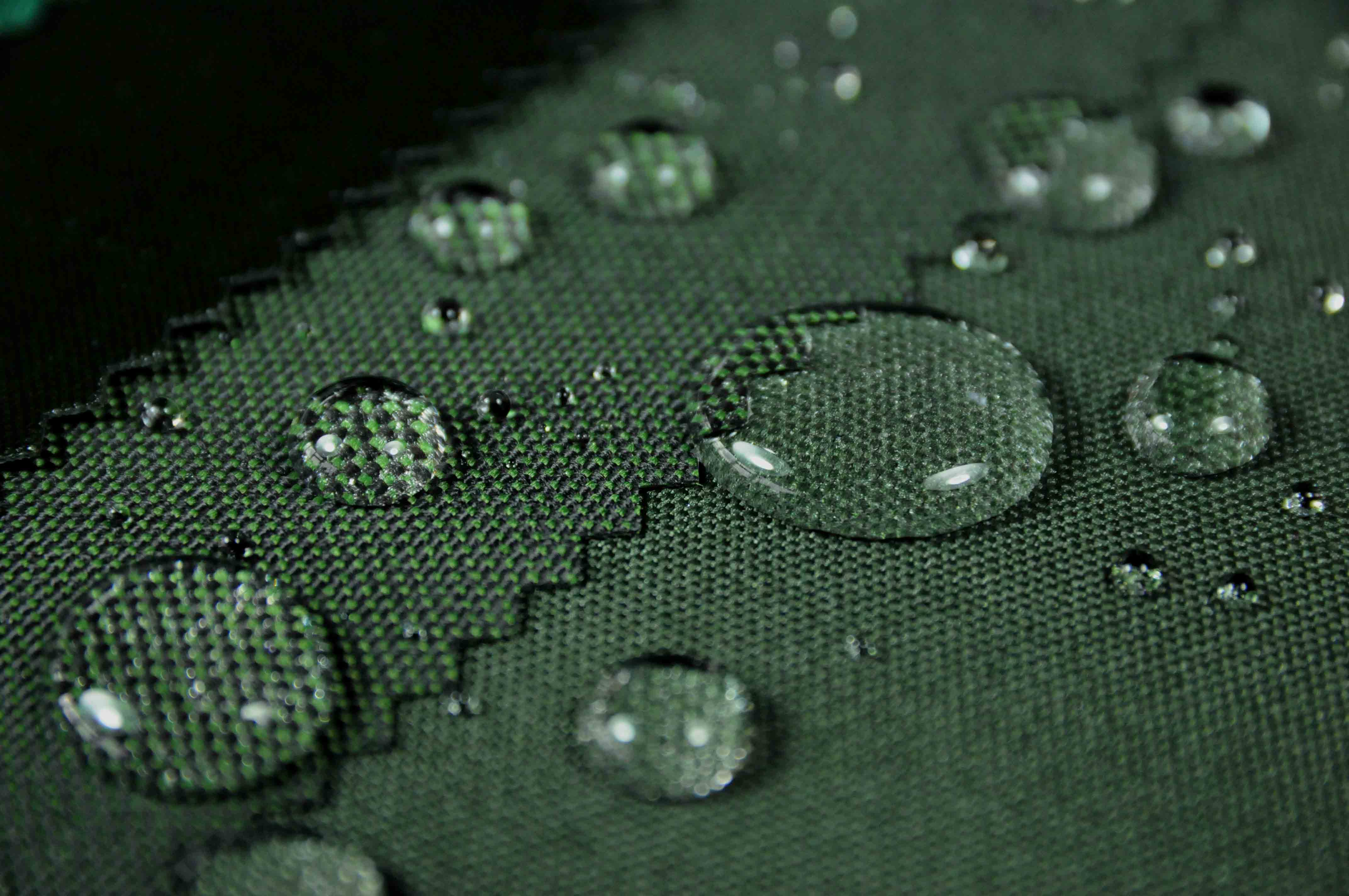
Know the Schmerber Scale for Real Protection
Waterproofing is measured in Schmerber units, where higher numbers mean better resistance to moisture. One Schmerber equals 1mm of water pressure the fabric can withstand.
- 5,000–10,000 Schmerber: Light to moderate protection—good for dry, cold days
- 10,000–20,000 Schmerber: Reliable for wet snow, slush, or stormy conditions
- 20,000+ Schmerber: Maximum defense for heavy rain or deep powder
For most skiers, aim for 10,000+ Schmerber. If you ski in wet climates like the Pacific Northwest or Japan, choose 20,000+.
Choose the Right Fabric Layer for Durability
The number of fabric layers affects performance and price:
3-Layer Fabric
• Most durable and waterproof
• Best for frequent skiers and harsh weather
• Heavier and more expensive
2½-Layer Fabric
• Lightweight with a protective coating
• Good balance of breathability and weather resistance
• Common in mid-range models
2-Layer Fabric
• Outer shell + separate lining
• Affordable but less durable
• Ideal for occasional use or dry climates
Always check the hang tag for waterproof rating, breathability, and layer type.
Maximize Breathability to Stay Dry Inside
RET vs. MVTR: How to Compare Breathability
Even if your legs don’t feel cold, trapped sweat leads to chilling. Two key metrics help you compare breathability:
- RET (Resistance to Evaporative Heat Transfer): Lower is better. RET under 12 = excellent; above 20 = poor
- MVTR (Moisture Vapor Transmission Rate): Higher is better. Look for 10,000+ g/m²/24hrs for high-output days
A breathable membrane keeps moisture moving away from your body.
Use Vents to Control Your Temperature
Vents are essential for regulating heat. Most ski pants include zippers that open to release steam and sweat.
- Between-the-leg vents: Discreet and effective for resort skiing
- Outside/lateral leg vents: Better airflow for touring and high-exertion days
Look for full-length zips (hip to ankle) with mesh lining for comfort. Open them during climbs or warm-ups to avoid overheating.
Pick the Right Insulation for Your Needs

Hardshell Pants: Ultimate Weather Defense
Hardshell ski pants are uninsulated but offer the strongest protection against snow, wind, and moisture. They feature a durable outer shell with a waterproof/breathable membrane.
Best for:
• Skiers who run warm
• Variable conditions with layering
• Storm days and deep powder
Pair with a thermal baselayer and midlayer for full insulation control. Hardshells cost more but last longer and perform better.
Softshell Pants: Mobility and Comfort
Softshell pants use stretchy, woven fabric with windproof and insulating properties. They’re softer and more flexible than hardshells, making them ideal for park riders or those who value freedom of movement.
Pros:
• Excellent breathability
• Greater stretch
• Comfortable for long days
Cons:
• Less waterproof than hardshells
• Not ideal for heavy snow or rain
Best for dry, cold days or high-motion skiing.
Insulated Pants: Warm and Budget-Friendly
Insulated pants come with synthetic lining for built-in warmth. They’re the most affordable option and great for beginners or cold-sensitive skiers.
Look for:
• Full insulation for very cold climates
• Partial insulation (knees and seat) for targeted warmth where snow contact is common
Downsides:
• Less breathable
• Can’t adjust warmth as easily as layering systems
Ideal for:
• Cold beginners
• Short resort visits in freezing temps
• Budget shoppers
Optimize Fit: Waist, Cuffs, and Leg Cut
Adjust Waist and Cuffs for Comfort and Protection
A proper fit starts at the waist. Most ski pants include:
• Elastic waistbands
• Velcro or snap adjusters
• Removable belts
• Suspenders (common on men’s models)
Suspenders keep pants up without tightness, while bib styles offer the most protection in deep snow. Some bibs include a rear zip for easier bathroom breaks.
At the bottom, gaiters should extend over your ski boots to block snow. Check that they fit snugly but don’t pinch. Reinforced cuffs made from tough fabric protect against ski edges—essential for freeride and freestyle use.
Choose the Right Leg Cut for Your Activity
Fit affects both comfort and performance:
• Fitted cut: Best for resort and technical skiing
• Loose/baggy fit: Ideal for freestyle, tricks, and layering
• Streamlined fit: Preferred for ski touring
Try pants on with your ski boots and base layers. You should be able to bend, squat, and reach without restriction.
Prioritize Safety: RECCO and Reinforced Zones

RECCO Reflectors Can Save Your Life
If you ski off-piste or in backcountry zones, RECCO reflectors are essential. This passive system helps rescue teams locate you under snow using radar—no batteries or activation needed.
Important: RECCO is not a replacement for avalanche safety gear. Always carry:
• Avalanche beacon
• Probe
• Shovel
Use RECCO as a backup, not your primary safety tool.
Reinforced Zones Prevent Wear and Tear
High-wear areas like the lower legs and cuffs take the most abuse. Look for:
• Abrasion-resistant fabric (e.g., Cordura or reinforced polyester)
• Double-layer construction at knees and seat
• Edge guards near the hem
These features extend the life of your pants, especially if you’re learning tricks or skiing steep terrain.
Master the Layering System for All Conditions

Use Two-Way Layering for Maximum Flexibility
The most versatile setup combines a waterproof outer shell with a removable insulated liner. This two-way system lets you:
• Wear both layers in cold, wet weather
• Remove the liner when it warms up
• Use the shell alone on mild, dry days
Ideal for variable mountain conditions where temperatures swing between morning and afternoon.
Layer Smartly Under Your Pants
Your base layer matters:
• Merino wool or synthetic fabrics wick moisture
• Avoid cotton—it traps sweat and causes chilling
• Midlayers like fleece tights add warmth without bulk
With the right layers, even un-insulated hardshell pants can handle freezing temps.
Compare Value: Price vs. Performance
Insulated Pants: Best for Occasional Skiers
Insulated models are the least expensive entry point. They’re perfect if:
• You ski occasionally
• You get cold easily
• You’re on a tight budget
But they lack versatility. You can’t remove insulation, so they’re easy to overheat in.
Hardshell and Softshell: Worth the Investment
These cost more but deliver:
• Better waterproofing and breathability
• Longer lifespan
• Greater adaptability across conditions
Worth the investment if you ski frequently or in demanding environments.
Read the Hang Tag to Spot Real Value
Don’t judge by price alone. Check:
• Waterproof rating (mm/Schmerber)
• Breathability (RET or MVTR)
• Fabric layers (2, 2.5, or 3)
• Features (vents, pockets, gaiters)
A $200 pant with 3-layer fabric and full vents may outperform a $300 model with poor breathability.
Frequently Asked Questions About Ski Pants
What’s the difference between hardshell and softshell ski pants?
Hardshell pants are waterproof, durable, and un-insulated—ideal for wet, stormy days. Softshell pants are stretchy, breathable, and wind-resistant but less waterproof. They’re better for dry, cold days or high-motion skiing.
How do I know if ski pants are breathable enough?
Look for a RET under 12 or an MVTR over 10,000 g/m²/24hrs. These indicate excellent breathability. Also check for full-length leg vents to help dump heat during activity.
Should I buy bib or regular ski pants?
Bib pants offer better snow protection and warmth, especially in deep powder or off-piste skiing. They’re popular with freeriders and freestylers. Regular pants are easier to use and better for resort skiing.
Do I need RECCO in my ski pants?
If you ski off-piste, backcountry, or in avalanche terrain, yes. RECCO is a passive reflector that helps rescuers locate you under snow. But it’s not a substitute for a beacon, probe, and shovel.
How should ski pants fit over boots?
They should fully cover your boots with integrated gaiters that stretch over the top. The gaiter should seal snugly without pinching. Reinforced cuffs protect against ski edge damage.
Can I wear jeans under ski pants?
No. Jeans are made of cotton, which absorbs moisture and causes chilling. Always wear moisture-wicking base layers like merino wool or synthetic fabrics for warmth and dryness.
Key Takeaways for Choosing the Best Ski Pants
The right ski pants keep you dry, warm, and mobile—no matter the conditions. Match your pants to your skiing style: fitted cuts for resort, baggy bibs for freeride, and lightweight designs for touring. Prioritize 10,000+ Schmerber waterproofing, low RET or high MVTR breathability, and reinforced cuffs for durability.
Invest in ventilation, gaiters, and RECCO reflectors for safety and comfort. Use a two-way layering system to adapt to changing weather. And always check the hang tag—real value is in specs, not price.
Your next step? Try on your top choices with ski boots and base layers. Move around, squat, and test vent access. When fit, function, and protection align, you’ll have the perfect pair for every run.


