
Leather pants combine bold style with long-lasting durability, making them a standout in any wardrobe. But when dirt, oils, or stains appear, many people make the critical mistake of treating them like regular clothes. How to clean leather pants properly starts with one rule: never machine wash or soak them in water. Leather is a natural material that reacts poorly to moisture, heat, and harsh chemicals. Doing so can lead to cracking, fading, warping, or permanent damage.
The good news? Most light stains and surface grime can be handled safely at home with the right tools. This guide walks you through every step—from spot cleaning and stain removal to conditioning and storage—while highlighting what to avoid. You’ll also learn how to care for different leather types like smooth, suede, and nubuck. Whether your pants are everyday wear or a high-end investment, these proven methods will help you maintain their look and longevity.
Remove Surface Dirt With a Damp Cloth
Wipe Away Dust and Smudges Safely
For everyday dirt, fingerprints, or light stains, a simple wipe-down is often enough. Use a soft, lint-free microfiber cloth lightly dampened with clean water only. The cloth should be barely damp—never wet—to avoid soaking the leather.
Gently wipe high-contact areas like knees, thighs, and waistbands using straight strokes or light circles. After cleaning, dry immediately with a second clean, dry cloth. Leaving moisture behind can cause water spots or stiffness over time.
Never use paper towels—they’re too abrasive and can leave lint. And skip soap, dish detergent, or household cleaners unless they’re specifically designed for leather.
Use a pH-Balanced Leather Cleaner for Stains
Clean Tough Spots Without Damaging the Material
When water isn’t enough, use a pH-balanced leather cleaner made for garments. These formulas lift stains while preserving the leather’s natural oils and finish.
Always do a patch test first on a hidden area—like the inside seam or back waistband. Wait 10–15 minutes to check for discoloration or texture changes.
To clean:
1. Apply a small amount of cleaner to a soft cloth—never directly on the pants.
2. Rub the stain gently in circular motions.
3. Let it sit for 1–2 minutes (follow product instructions).
4. Wipe off any residue with a clean, dry cloth.
5. Allow to air dry away from heat and sunlight.
This method works best on smooth leather. For suede or nubuck, use specialized products instead.
Condition Leather After Every Cleaning Session
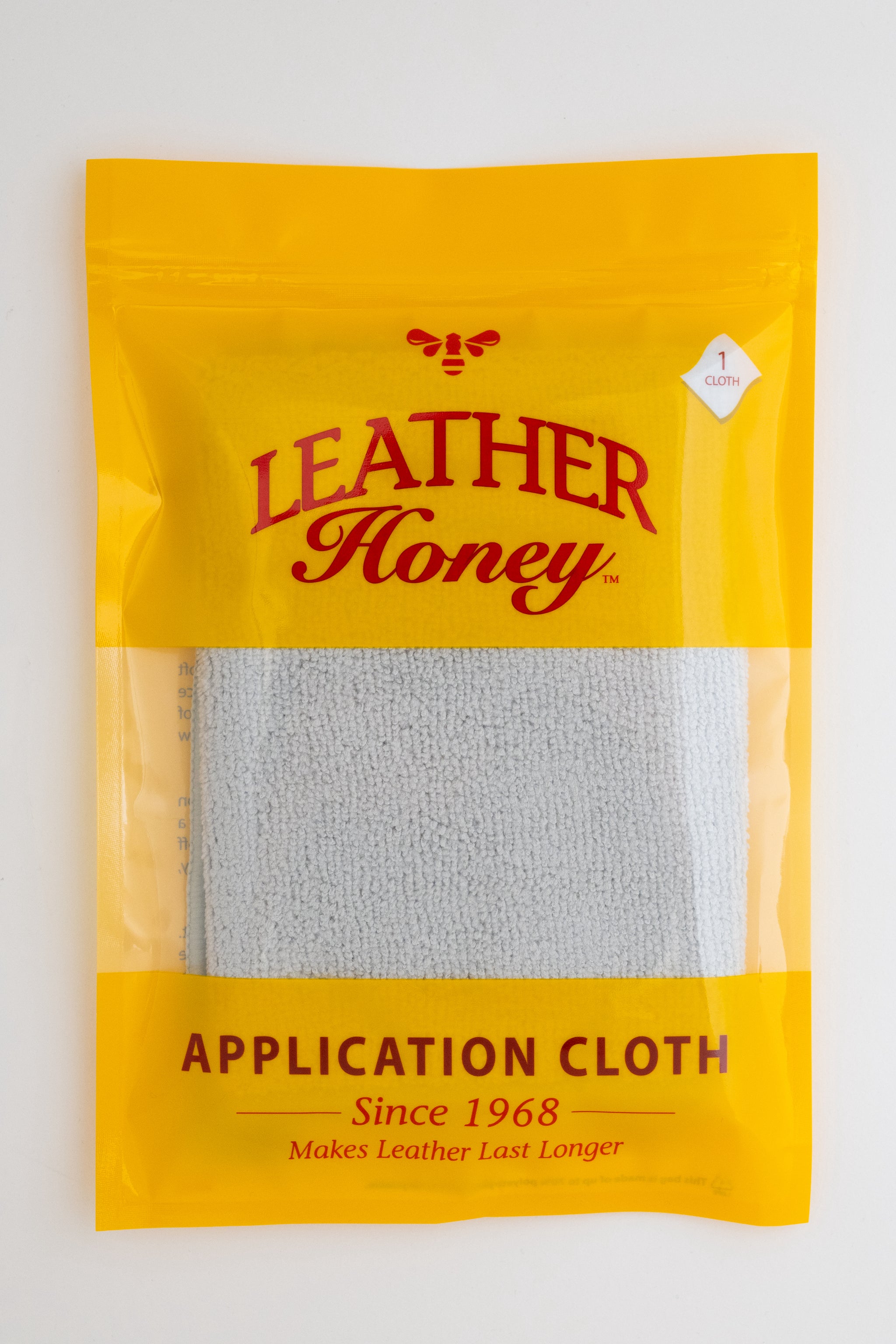
Prevent Cracking and Keep Pants Supple
Cleaning removes more than dirt—it also strips natural oils, leaving leather dry and prone to cracks. Conditioning is essential after every cleaning to restore moisture and flexibility.
Choose the right product for your leather type:
– Smooth leather: Use a cream-based conditioner.
– Suede or nubuck: Use a spray or foam formula designed for textured leather.
Apply a small amount to a clean cloth and rub in gently using circular motions. Don’t oversaturate—just a thin, even layer is needed. Let it absorb for 15–30 minutes, then buff lightly with a dry cloth to revive shine.
For ongoing care, condition your leather pants every 3–6 months, even if not cleaned, to protect against dryness and environmental wear.
Never Machine Wash or Soak Leather Pants
Avoid Irreversible Damage From Water
Putting leather pants in the washing machine or dishwasher is one of the fastest ways to ruin them. The agitation, water, and detergent can destroy the leather’s structure, leading to shrinkage, stiffness, or delamination.
Similarly, never soak leather pants, even for deep stains. Water penetrates unevenly, causing warping, discoloration, and long-term damage. Leather doesn’t absorb water like fabric—it traps it, which can lead to mold or stiffness.
Stick to spot cleaning and professional methods instead.
Stay Away From Harsh Chemicals and Cleaners
Protect Leather From Fading and Brittleness
Avoid using:
– Bleach
– Ammonia
– Strong detergents
– Alcohol-based cleaners
These chemicals strip natural oils, cause fading, and make leather brittle. They can also break down protective coatings, especially on treated or coated leather.
Always use products labeled safe for leather apparel. When in doubt, choose a cleaner specifically made for your leather type.
Air Dry Leather Pants—Never Use Heat
Prevent Cracking and Shrinkage During Drying
After cleaning, never speed up drying with:
– Hair dryers
– Radiators
– Heaters
– Direct sunlight
Heat dries out leather too quickly, leading to cracks, shrinkage, and color loss. Instead, let your pants air dry naturally at room temperature.
Hang them on a wide, padded hanger to maintain shape—avoid wire hangers, which can create creases. Place them in a well-ventilated area, but out of direct light to prevent UV fading.
Drying may take several hours—be patient. Rushing this step risks long-term damage.
Know the Difference: Smooth, Suede, and Nubuck Care
Smooth Leather Cleaning Tips
Smooth (or full-grain) leather has a polished finish and is the most common type. It responds well to standard leather cleaners and conditioners. Wipe spills immediately and avoid prolonged exposure to rain or sweat.
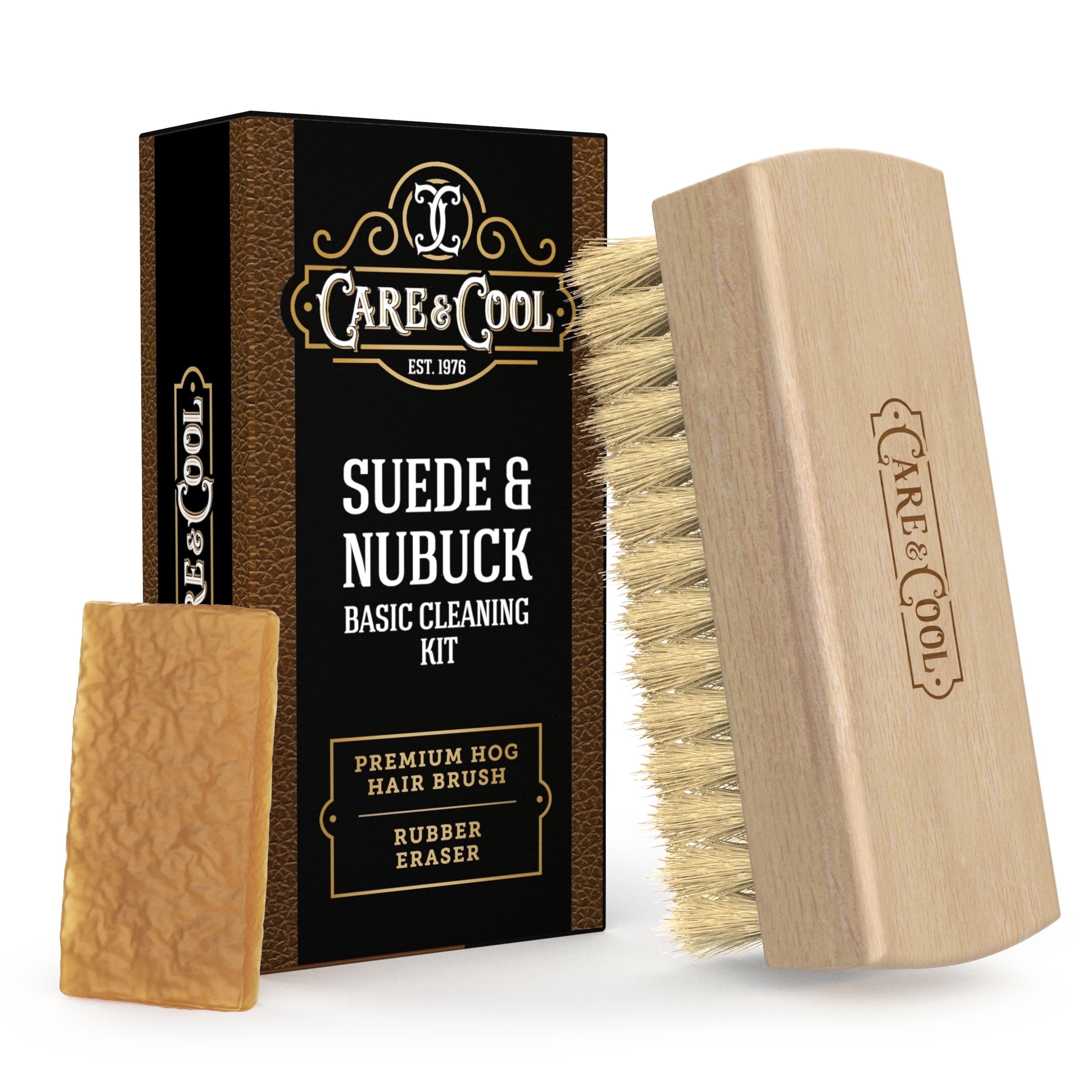
How to Clean Suede Pants
Suede is delicate and requires special care:
– Use a suede brush to lift surface dirt.
– For stains, use a suede eraser or specialized suede cleaner.
– Never use water or standard leather cleaners.
– Apply a suede protector spray before wearing to resist stains.
Nubuck Leather Maintenance
Nubuck looks like suede but is slightly more durable. Still, it needs gentle handling:
– Clean with a nubuck brush or sponge.
– Use nubuck-specific cleaner for stains.
– Lightly rebrush the surface after cleaning to restore texture.
– Apply a nubuck protector spray to guard against future spills.
Using the wrong product can ruin the nap (the soft surface layer), so always verify compatibility.
When to Take Leather Pants to a Professional
Handle Heavy Stains and Delicate Fabrics Safely
If your leather pants are:
– Heavily stained (ink, oil, wine)
– Vintage or aged
– Lined with delicate fabric
– Treated with special finishes (gloss, metallic, etc.)
—then professional cleaning is the safest choice. Experts use solvent-based systems that remove deep grime without water, preserving the leather’s integrity.
They can also recondition, re-dye, or repair minor tears. While more expensive, it’s worth it for high-value or irreplaceable pieces.
Don’t risk damaging expensive pants with guesswork—when in doubt, consult a pro.
Always Check the Care Label First
Follow Manufacturer Instructions to Avoid Damage
Before cleaning, check the care label inside your leather pants. Some brands apply special coatings or finishes that require specific products.
Labels may include:
– “Do not wash”
– “Wipe clean only”
– “Professional cleaning recommended”
– “Avoid water”
Following these guidelines helps prevent damage and keeps warranties intact.
If the label is missing or unclear, assume the pants need minimal moisture and proceed with caution.
Store Leather Pants the Right Way

Prevent Creases, Mold, and Fading
Proper storage is just as important as cleaning. Always store leather pants in a cool, dry place away from:
– Direct sunlight
– Humidity
– Heat sources
Use a breathable garment bag—never plastic, which traps moisture and encourages mildew.
Avoid folding for long periods, as this can create permanent creases. If folding is necessary, pad the folds with acid-free tissue paper.
Hang them in a closet with good airflow, and avoid cramming them between heavy garments that can distort their shape.
Key Steps for Safe Leather Pants Cleaning
Quick Checklist Before You Start
Use this guide before every cleaning:
✅ Check care label
✅ Patch test cleaner or conditioner
✅ Use only leather-safe products
✅ Spot clean with damp cloth (water only)
✅ Use pH-balanced cleaner for stains
✅ Condition after cleaning
✅ Air dry at room temperature
✅ Store properly in breathable bag
🚫 Never machine wash
🚫 Never soak in water
🚫 Never use bleach or ammonia
🚫 Never dry near heat or sun
Following these steps ensures your leather pants stay supple, stylish, and damage-free for years.
Frequently Asked Questions About How to Clean Leather Pants
Can I wash leather pants in the washing machine?
No, you should never machine wash leather pants. The agitation, water, and detergent can cause cracking, warping, or irreversible damage. Always spot clean or seek professional help.
How do I remove stains from leather pants?
For smooth leather, use a pH-balanced leather cleaner on a soft cloth. Gently rub the stain in circles, wipe off residue, and condition afterward. For suede or nubuck, use a specialized cleaner or eraser—never water.
Can I use water to clean leather pants?
Yes, but only a slightly damp cloth for spot cleaning. Never soak or saturate leather with water, as it can cause stiffness, warping, or mold.
How often should I condition leather pants?
Condition every 3–6 months, or after every cleaning. Regular conditioning keeps leather soft, prevents cracking, and protects against environmental damage.
What should I do if my leather pants get wet?
Blot excess moisture with a dry cloth, then let them air dry at room temperature—away from heat and sunlight. Once dry, condition to restore lost oils.
Can I clean suede or nubuck pants at home?
Yes, but only with specialized products. Use a suede brush, eraser, or nubuck cleaner. Never use water or standard leather cleaners, as they can ruin the texture.
Final Tips for Keeping Leather Pants in Top Condition
Cleaning leather pants isn’t about deep washing—it’s about gentle, consistent care. By avoiding water, heat, and harsh chemicals, and using the right products for your leather type, you preserve both appearance and lifespan. Always patch test, condition after cleaning, and store properly. When in doubt, go slow or consult a professional. With the right routine, your leather pants can stay a standout piece in your wardrobe for over a decade.


