
Spilling coffee on white pants is a common and stressful mishap—especially when you’re heading to work, an interview, or a meeting. The dark brown tannin stain stands out sharply against the bright fabric, threatening to ruin your look. But how to get coffee stains out of white pants doesn’t have to be a mystery. With the right steps, most fresh coffee stains can be completely removed. The key is immediate action using cold water, gentle blotting, and household cleaners like dish soap and vinegar. Heat is the enemy: once the pants go through a dryer, the stain sets permanently. This guide walks you through every step—from emergency blotting to final inspection—so you can save your white pants safely and effectively, even if they’re delicate polyester blends with elastane.
You’ll learn proven methods using everyday supplies, avoid common mistakes like using bleach or hot water, and discover when to try commercial removers or professional help. Whether the spill just happened or it’s a few days old (but not heat-dried), this guide gives you the tools to restore your pants to their original crisp condition.
Immediate Action: Stop the Stain from Setting
Blot the Spill Immediately with a White Cloth
As soon as coffee hits your pants, grab a clean, white cloth and gently press it onto the stain. Do not rub—this pushes the liquid deeper into the fibers and spreads the discoloration. Blot firmly but carefully to absorb as much moisture as possible. If you’re not near a sink, keep blotting until no more liquid transfers. Using a white cloth prevents dye transfer, which could create a new stain on your white pants.
Rinse Under Cold Water from the Back
Hold the stained area under cold running water, ideally from the back side of the fabric. This pushes the coffee out rather than driving it deeper. Keep rinsing for 30–60 seconds. Cold water is essential—hot or warm water activates tannins in coffee, locking the stain into the fibers. If the pants are already dry, skip to pre-treatment, but for fresh spills, this step dramatically improves your chances of full removal.
Remove Any Sticky Residue First
If your coffee had sugar, creamer, or syrup, gently scrape off any gummy buildup with a dull spoon or butter knife. This prevents sticky residue from sealing the stain during washing. Do this before applying any cleaning solution to ensure the treatment reaches the fabric directly.
Best DIY Methods for Removing Coffee Stains
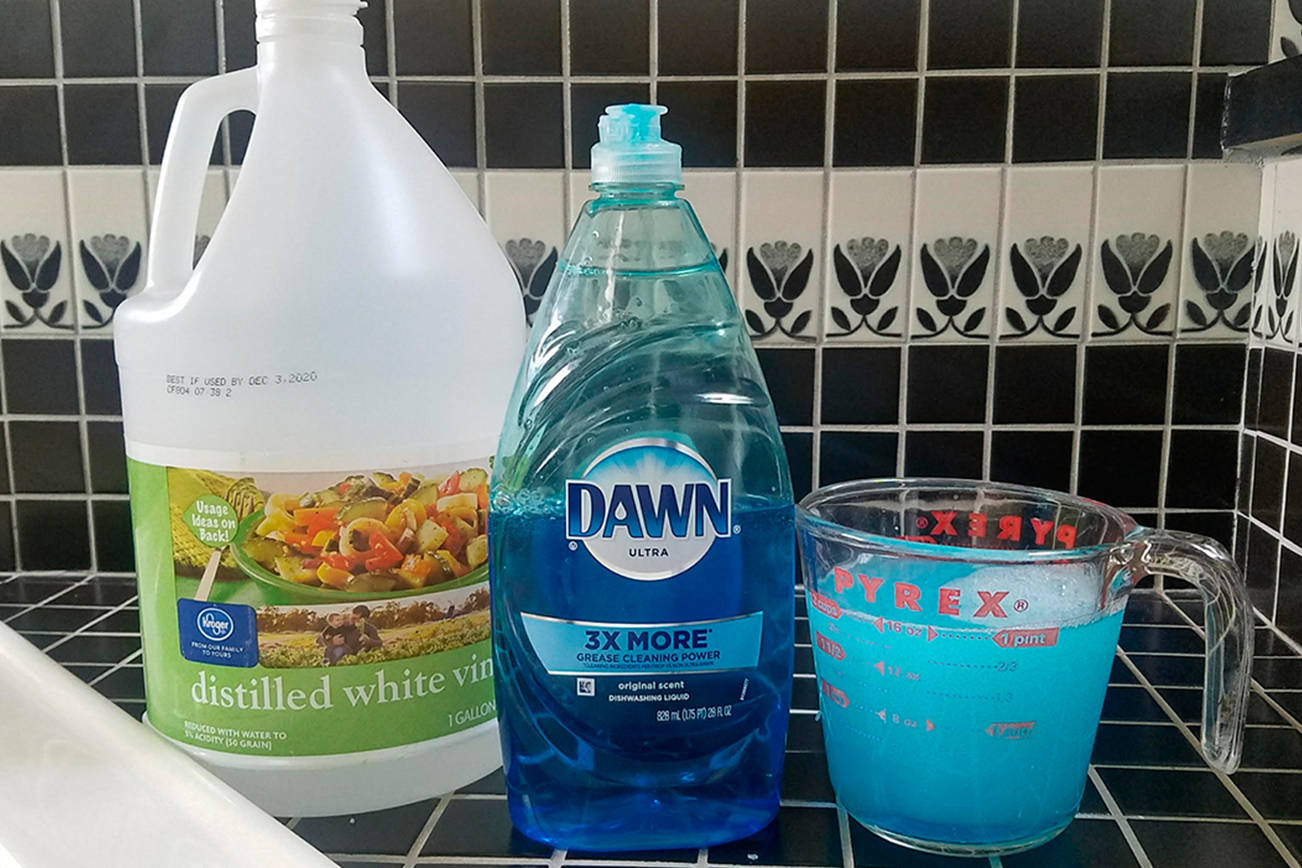
Use a Dish Soap and Vinegar Solution
This is the most effective home remedy for fresh coffee stains. Mix 1 cup of warm water, 1 teaspoon of liquid dish soap, and 1 teaspoon of white vinegar. The dish soap breaks down oils, while vinegar dissolves tannins.
Apply the solution directly to the stain using a clean cloth or spray bottle. Make sure the entire stained area is saturated. Let it soak for 10–15 minutes. Then, gently blot with a white cloth to lift the stain. This method works especially well on polyester blends and delicate white fabrics.
Apply Dish Soap Directly for Quick Treatment
When you’re short on time, skip the mixing. Squeeze a small amount of liquid dish soap directly onto the stain. Gently work it in with your fingers or a soft-bristled brush. Let it sit for 10–15 minutes, then rinse thoroughly with cold water. This method is ideal for light stains and is perfect for on-the-go fixes in office or home settings.
Try a Baking Soda Paste for Lingering Discoloration
If the stain remains after initial treatment, switch to a baking soda paste. Mix baking soda with a few drops of water to form a thick paste. Apply it generously over the stained area and let it sit for 15 minutes. Baking soda acts as a mild abrasive and pigment lifter, helping to draw out residual brown tint. After the wait time, rinse thoroughly with cold water. Repeat if needed before washing.
Washing and Drying: Avoid Permanent Damage
Wash in Warm Water on Gentle Cycle
After pre-treating, place the pants in the washing machine using warm water and regular laundry detergent like Tide. Select the gentle cycle, especially if your pants contain elastane or spandex. Avoid overloading the machine—this ensures proper agitation and cleaning. Add detergent directly to the drum before loading for better distribution.
Never Put Stained Pants in the Dryer
This is critical: Air-dry the pants completely after washing. Do not use the dryer—even briefly—until you’ve confirmed the stain is gone. Heat from the dryer will permanently set any remaining stain, making it nearly impossible to remove later. Hang the pants or lay them flat to dry in a well-ventilated area.
Inspect the Stain Before Repeating
Once fully dry, check the stain under natural light. If it’s still visible, repeat the entire treatment process. Stubborn stains may require 2–3 rounds of cleaning. Only when the stain is completely gone should you consider using a dryer in the future.
Special Care for Polyester and Elastane Blends
Avoid Bleach on Synthetic Fabrics
Many white pants are made from polyester blends with 1% elastane. These fabrics are durable but sensitive to harsh chemicals. Do not use chlorine bleach unless the care label explicitly allows it. Bleach can weaken synthetic fibers and cause white fabric to yellow over time. Stick to gentle, non-bleach solutions for long-term fabric health.
Protect Stretch and Elasticity
Elastane (spandex) provides comfort and fit but degrades under high heat and aggressive scrubbing. Always use cold water for rinsing and gentle agitation when cleaning. Washing on the delicate cycle helps preserve the fabric’s structure and prevents loss of stretch over time.
Use Only White Cleaning Tools
Always use white cloths, paper towels, or brushes when treating stains. Colored materials can transfer dye onto your white pants, creating a new problem. Keep a small stain kit with white supplies in your laundry room or car for emergencies.
Common Mistakes That Make Stains Worse
Using Hot Water Sets the Stain Instantly
Hot water activates tannins in coffee, causing them to bond permanently with fabric fibers. Always use cold water for rinsing and reserve warm water only for machine washing after pre-treatment.
Rubbing Spreads the Stain and Damages Fabric
Rubbing grinds coffee deeper into the fibers and can distort the fabric’s texture. Always blot gently with upward motions to lift the stain without damage.
Skipping the Air-Dry Rule
Putting stained pants in the dryer—even once—is the #1 reason coffee stains become permanent. Air-dry every time until you’re 100% sure the stain is gone. Patience here saves your pants.
When Home Remedies Don’t Work
Try a Commercial Stain Remover
If DIY methods fail, test a commercial stain remover like OxiClean or Shout. Apply according to the label, usually after pre-treating and before washing. Note: one user reported Shout failed on a set coffee stain on polyester blend pants. These products work best on fresh stains and may not penetrate heat-set tannins.
Consider Professional Dry Cleaning
For persistent stains or high-value garments, professional dry cleaning is a smart option. Look for a cleaner experienced with delicate synthetic blends. Professionals use industrial-strength solvents and techniques not available at home. This is especially recommended if the pants are labeled “dry clean only.”
Coffee vs. Ketchup Stains: Use the Right Method

Coffee Stains Are Tannin-Based and Water-Soluble
Fresh coffee stains respond well to dish soap + vinegar solutions and cold water rinsing. No scraping is needed unless there’s dried sugar or cream. The key is quick action and avoiding heat.
Ketchup Stains Contain Oil and Red Pigment
Ketchup has oil and lycopene, requiring scraping first, then rinsing from the back of the fabric. Dish soap cuts the oil, and baking soda paste lifts the red tint. Using vinegar on ketchup may not remove the oil effectively—use the right method for the stain type.
How to Prevent Future Coffee Stains
Switch to a Lidded Travel Mug
Use a spill-proof travel mug with a secure lid. One user reported fewer spills after switching, though they noted it’s “not foolproof.” Avoid open cups when working at a desk or near pets.
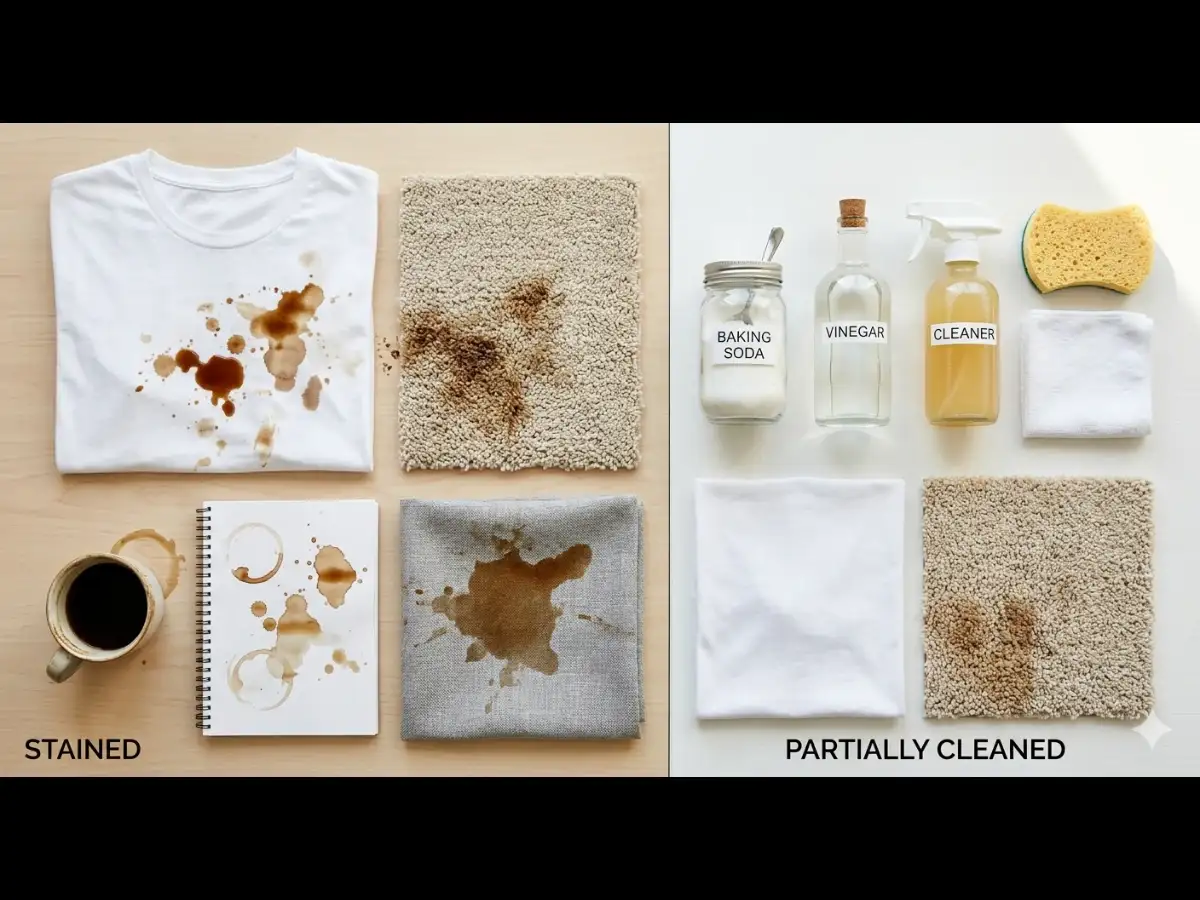
Keep a Stain Emergency Kit Ready
Store a small kit with:
• Liquid dish soap
• White vinegar
• Baking soda
• Clean white cloths
• Soft brush
Keep it in your laundry room, car, or office for quick response.
Carry a Backup Pair of White Pants
One user admitted to keeping a spare pair of white pants in their car due to frequent spills. If you wear white often, this simple habit can save your day.
Frequently Asked Questions About Coffee Stains on White Pants
Can you remove a coffee stain after it’s dried?
Yes, if the pants were air-dried, not machine-dried. Rehydrate the stain with cold water, then apply a dish soap and vinegar solution. Soak for 10–15 minutes and wash. Heat-dried stains are much harder to remove.
Why shouldn’t you use bleach on white polyester pants?
Bleach can damage synthetic fibers and cause white fabric to yellow over time. It’s especially risky on blends with elastane. Stick to non-bleach methods unless the care label says it’s safe.
Does vinegar really remove coffee stains?
Yes. White vinegar breaks down tannins, the compounds that cause coffee stains. Combined with dish soap, it’s one of the most effective home remedies for fresh stains.
How long should I let the cleaning solution sit?
Let the dish soap and vinegar solution sit for 10–15 minutes. This gives it time to penetrate the fabric and lift the stain. For baking soda paste, wait 15 minutes before rinsing.
What if the stain is still visible after washing?
If the stain remains, repeat the entire process. Do not put the pants in the dryer. Stubborn stains may need multiple treatments. If home methods fail, consider professional cleaning.
Can you use OxiClean on white pants with elastane?
Yes, but test in an inconspicuous area first. OxiClean is generally safe on whites, but some formulas may affect synthetic blends. Always follow label instructions and avoid mixing with bleach.
Key Takeaways for Removing Coffee Stains from White Pants
• Act fast: Blot, rinse with cold water, and treat within minutes for best results
• Never use heat: Air-dry only until the stain is completely gone
• Avoid bleach and hot water: They damage synthetic blends and set stains
• Use dish soap + vinegar for fresh stains, baking soda paste for residue
• Repeat if needed: Stubborn stains may require multiple treatments
If you’ve followed all steps and the stain persists, consider professional dry cleaning—especially for delicate or expensive pants. With the right approach, most coffee stains on white pants are fixable. Keep your supplies ready, stay calm, and act quickly: your crisp white look doesn’t have to be ruined by a morning spill.


