
Lint on black pants can instantly ruin a polished look, making even the most expensive outfit appear unkempt. Because dark fabrics show every speck of fluff, dust, and fiber, lint stands out dramatically—especially on commonly worn black trousers. The good news is that removing lint doesn’t require professional cleaning or expensive tools. With simple household items and the right technique, you can restore your black pants to a clean, sharp finish in minutes.
This guide delivers proven, step-by-step methods to remove lint from black pants safely and effectively. You’ll learn which tools work best for different fabrics, how to tackle stubborn or embedded lint, and the most common mistakes to avoid. From quick fixes using a rubber glove to advanced techniques like freezing and fabric shaving, you’ll find a solution tailored to your situation. Plus, you’ll discover how to prevent lint buildup in the first place—keeping your wardrobe looking professional with minimal effort.
Best Lint Removal Tools for Black Pants
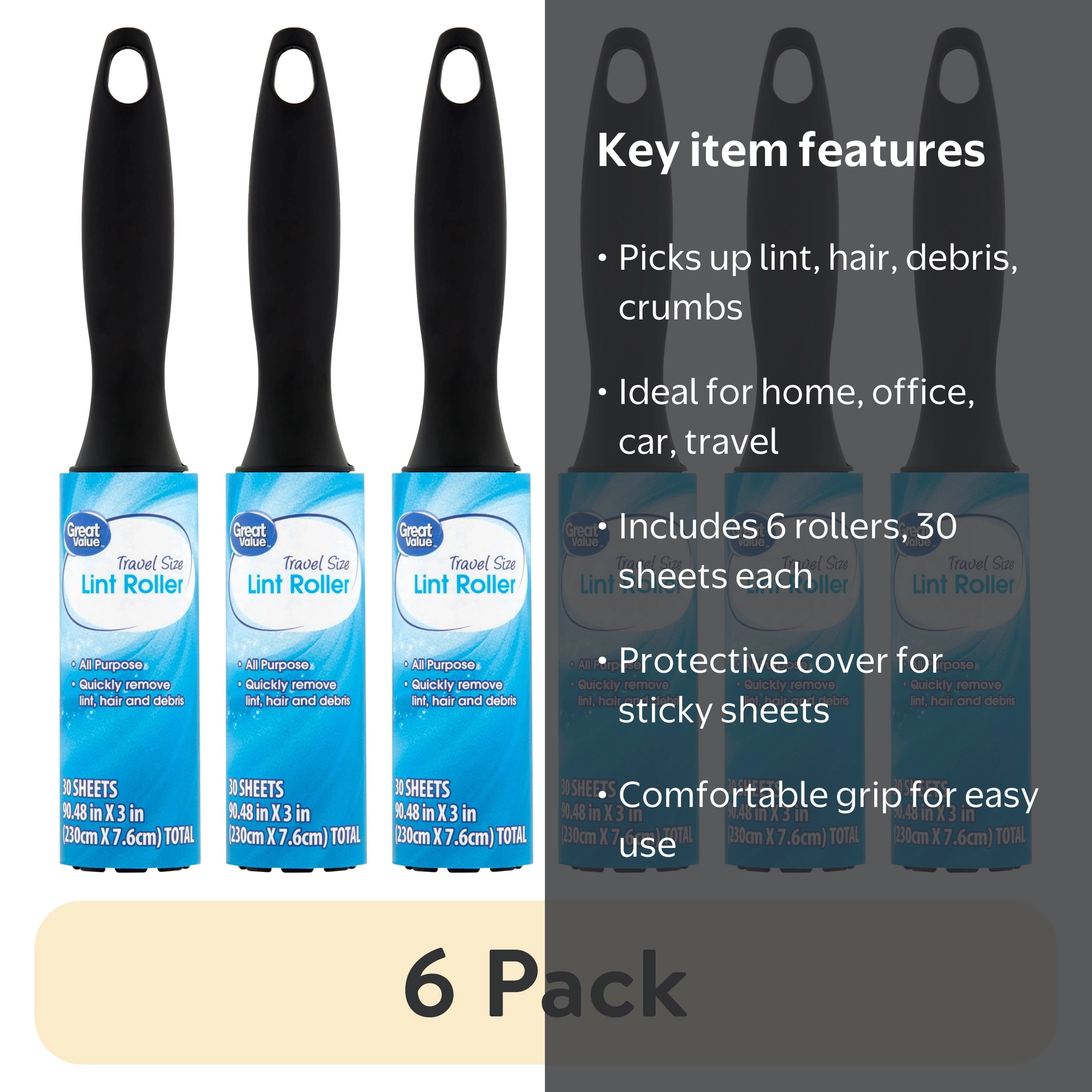
Lint Rollers: Fast and Effective
A lint roller is the fastest way to clean black pants before heading out. Its sticky sheets pick up lint, pet hair, and dust in seconds, making it ideal for last-minute touch-ups.
How to use:
• Lay pants flat on a clean surface
• Roll in one direction using short, overlapping strokes
• Focus on high-lint zones: cuffs, hems, and seams
• Replace sheets when they lose stickiness
Pro tip: Keep a travel-sized lint roller in your work bag or car for instant cleanups before meetings.
Reusable Lint Rollers: Eco-Friendly Option
These rollers use washable or replaceable adhesive pads, offering the same performance as disposable versions without the waste.
Benefits:
• Same lint-picking power
• Lower long-term cost
• Environmentally sustainable
Maintenance: Rinse the roller pad under water or wipe clean after use to preserve stickiness.
Lint Brushes: For Heavy Buildup
A lint brush—especially one with rubber or soft bristles—excels at removing lint from textured or tightly woven fabrics.
Best for:
• Wool or corduroy black pants
• Lint trapped in seams and folds
• Dust and pet hair removal
How to use:
• Brush lightly in one direction
• Clean the brush with a damp cloth after use
• Store in a dry place to prevent mold
Quick DIY Methods (No Special Tools Needed)
Rubber Glove Trick: Always Available
One of the most effective and underrated methods uses a simple dishwashing glove.
How it works:
• Put on a rubber glove
• Run your hand over the pants
• Static from the rubber attracts lint like a magnet
Why it works: The friction lifts fibers without damaging fabric.
Tip: Slightly dampen the glove for better grip on stubborn lint.
Damp Cloth or Sponge Method
A lightly dampened microfiber cloth or sponge removes lint without residue.
Steps:
1. Dampen a clean cloth—never soak it
2. Wipe the fabric in one direction
3. Let pants air dry completely
Caution: Always test on an inside seam first—black fabric may bleed if too wet.
Best for: Cotton, polyester, and blends that tolerate minimal moisture.
Dryer Sheet Touch-Up
Rub a dry dryer sheet over the surface of your pants.
Benefits:
• Removes light lint
• Reduces static
• Leaves a fresh scent
For stubborn lint: Lightly dampen the sheet to boost effectiveness.
Warning: Avoid on silk or wool—fabric softeners can damage delicate fibers.
Tape Method: Emergency Fix
No lint roller? Use tape.
How:
• Press sticky side of duct, packing, or masking tape onto lint
• Peel off—repeat as needed
• For larger areas, wrap tape around your hand (sticky side out)
Downside: Can leave residue on delicate fabrics. Use with caution.
Advanced Techniques for Stubborn Lint
Freezing Method: Loosen Embedded Fibers
When lint is deeply embedded, freezing makes fibers brittle and easier to remove.
Steps:
1. Place pants in a sealed plastic bag
2. Freeze for 1–2 hours
3. Remove and brush with a lint brush or cloth
Why it works: Cold weakens fiber adhesion.
Best for: Cotton, denim, and synthetic blends.
Pumice Stone or Sweater Stone
A dry pumice or sweater stone gently lifts lint and pills from fabric.
How to use:
• Glide lightly over the surface
• Use circular motions for even results
• Brush away debris afterward
Ideal for: Wool, flannel, or thick black pants with pilling.
Avoid on: Thin or delicate fabrics.
Fabric Shaver: Precision Cleaning
An electric fabric shaver removes lint and pills without damaging the material.
Best for:
• Frequent lint issues
• High-maintenance fabrics
• Achieving a like-new finish
Use carefully: Always test on a small area and use light pressure.
Safe Methods by Fabric Type
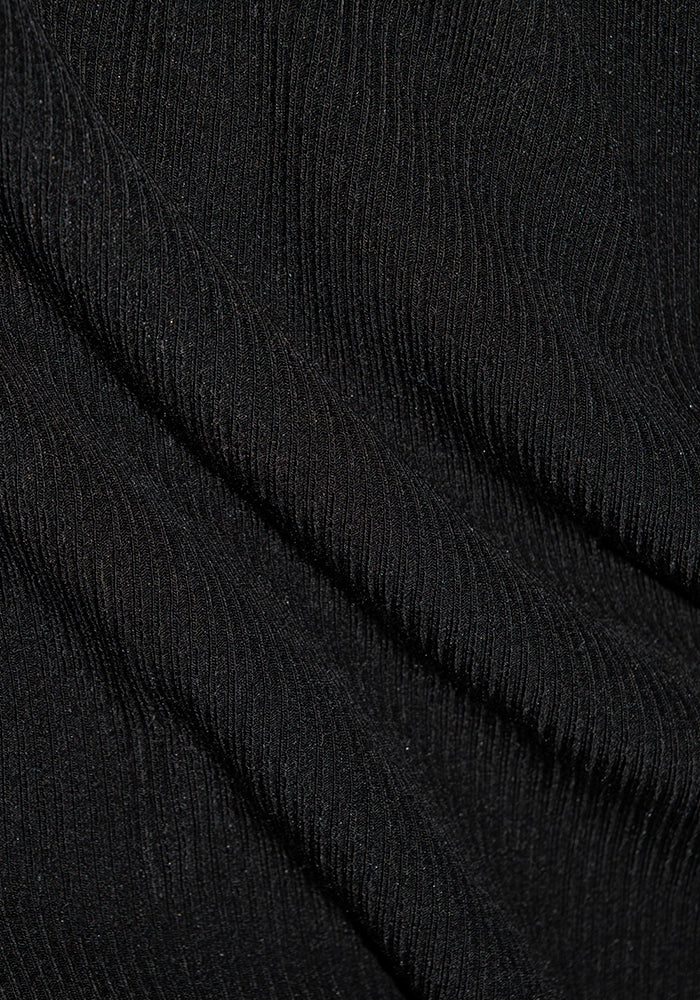
Wool Black Pants
Wool is prone to pilling but delicate to clean.
Safe methods:
• Rubber-bristled lint brush
• Sweater stone
• Fabric shaver (low setting)
• Dry washcloth
Avoid:
• Moisture
• Tape
• Heat
• Fabric softener sheets
Cotton and Denim
Durable and forgiving—most methods work.
Safe methods:
• Lint roller
• Damp cloth
• Hair straightener (low heat, quick pass)
• Freezing method
Hair straightener trick: Clamp it over a linty area for 1–2 seconds—heat loosens fibers, making them easier to brush off.
Warning: Never use high heat or leave the straightener in place.
Synthetic or Blended Fabrics
Polyester and rayon blends resist lint less than cotton but are sensitive to heat.
Safe methods:
• Lint roller
• Damp sponge
• Rubber glove
• Freezing
Avoid:
• High heat
• Excessive moisture
• Aggressive scrubbing
Prevention: Stop Lint Before It Starts

Wash Smart: Reduce Lint at the Source
Lint starts in the laundry. Prevent it with these habits:
• Wash similar fabrics together: Never wash black pants with towels, fleece, or cotton T-shirts
• Turn pants inside out: Protects the outer surface from friction
• Use mesh laundry bags: Shields delicate or frequently linted items
• Don’t overload the machine: Crowded clothes shed more fibers
Dryer Best Practices
Your dryer can make lint worse—or help prevent it.
• Clean the lint trap every time
• Use dryer balls (wool or rubber) to reduce static and lint
• Avoid fabric softener sheets—they can leave residue that attracts lint
• Air-dry when possible: Tumble drying increases lint transfer
Storage Tips
• Store black pants in a clean, dry closet
• Use garment bags for long-term storage
• Avoid plastic bins that trap moisture and attract dust
Critical Mistakes to Avoid
Never Use Heat to Remove Lint
Using a hairdryer, iron, or steamer to “blow off” lint can backfire—heat sets lint deeper into the fibers.
Exception: A hair straightener on low heat for cotton/denim only, used briefly and carefully.
Don’t Soak Black Pants
Excess water can cause black fabric to bleed or fade. Always use minimal moisture and air-dry.
Avoid Tape on Delicate Fabrics
Adhesive can leave residue or pull fibers from wool, silk, or thin blends.
Always Test First
Try any new method on an inside seam or hem before applying it to visible areas.
Frequently Asked Questions About Getting Lint Off Black Pants
Can I use a lint roller on all types of black pants?
Yes, lint rollers are safe for most fabrics including cotton, polyester, and wool. Avoid excessive pressure on delicate materials like silk. Always check the manufacturer’s care label first.
Why do my black pants collect so much lint?
Black pants show lint more because dark colors contrast sharply with light fibers. Lint comes from washing with fuzzy fabrics, dryers, pet hair, and everyday wear.
How can I remove lint without a lint roller?
Use a rubber glove, damp cloth, dryer sheet, or tape. The rubber glove method is especially effective—just run your hand over the fabric to lift lint.
Does the rubber glove method really work?
Yes. The static from the rubber attracts lint and fibers, pulling them off the fabric. It’s a favorite among professionals for its simplicity and effectiveness.
Can I use a fabric shaver on black pants?
Yes, but only on sturdy fabrics like cotton, denim, or wool. Always test on a small area first and use light pressure to avoid damaging the fabric.
How do I prevent lint from coming back after cleaning?
Wash black pants separately from lint-producing items, turn them inside out, use mesh bags, and air-dry when possible. Regular brushing and quick glove rubs help maintain a lint-free look.
Key Takeaways for Keeping Black Pants Lint-Free
Removing lint from black pants is simple when you use the right method for your fabric. Start with a lint roller or rubber glove for quick fixes, and use freezing or a fabric shaver for stubborn buildup. Always test methods on hidden areas first, and avoid heat and excess moisture to protect your clothes.
Prevention is just as important as removal. Wash smart, dry carefully, and store properly to minimize lint from the start. Make lint removal part of your daily routine—just a 30-second glove rub before dressing can keep your pants looking sharp. With these strategies, your black pants will stay clean, professional, and ready for any occasion.


