
You’re ready to head out when you notice a greasy spot on your pants—maybe from cooking, car maintenance, or a messy meal. Oil stains spread quickly, soak deep into fabric, and often survive regular washing. But how to get oil stains out of pants doesn’t have to be a lost cause. With the right approach, even set-in grease can be removed from jeans, dress slacks, and casual wear using common household items.
Acting fast is key. Fresh oil is easier to lift than dried or heat-set stains. This guide gives you step-by-step methods using dish soap, baking soda, cornstarch, vinegar, and rubbing alcohol. You’ll learn how to treat different fabrics safely, avoid common mistakes, and prevent future stains. Whether it’s motor oil, cooking grease, or salad dressing, these proven techniques will help restore your pants—no special tools required.
Immediate Steps to Take After an Oil Spill
Blot the Stain Right Away
As soon as you see the oil, grab a clean paper towel or cloth. Blot gently—don’t rub—to soak up excess grease. Rubbing pushes the oil deeper and spreads the stain. Press down firmly and replace the towel as it absorbs more oil. Keep going until no new grease transfers.
Check the Fabric Care Label
Turn the pants inside out and find the care tag. Look for symbols like “W” (water safe), “S” (solvent only), or “X” (no water). This tells you which cleaning methods are safe. Using water on dry-clean-only fabric can ruin it, so always verify first.
Keep the Stained Area Flat
Avoid folding or creasing the spot. Laying the pants flat prevents the oil from spreading and makes treatment more effective.
Best DIY Methods for Fresh Oil Stains

Use Dish Soap to Break Down Grease
Dish soap cuts through oil, making it ideal for fresh stains.
- Place a paper towel under the stain to catch runoff.
- Apply a few drops of clear liquid dish soap (like Dawn) directly on the spot.
- Gently rub the fabric together for 30 seconds.
- Let sit 10–15 minutes (don’t let it dry).
- Rinse with warm water.
- Launder as usual.
• Best for cotton, denim, and polyester
• Avoid on silk or wool unless labeled water-safe
Apply Baking Soda to Absorb Oil
Baking soda pulls grease out of fibers.
- Sprinkle a thick layer over the stain.
- Wait at least 30 minutes (overnight for heavy stains).
- Brush off with a dry cloth.
- Treat with dish soap and wash.
💡 Pro Tip: Reapply if the stain is large or still greasy.
Try Cornstarch or Talcum Powder
No baking soda? Use cornstarch, baby powder, or talcum powder.
- Cover the stain completely.
- Wait 30 minutes to several hours.
- Shake or brush off.
- Apply dish soap and launder.
🔁 Repeat for deep or old stains.
How to Remove Set-In Oil Stains from Pants
Soak in Vinegar and Treat with Baking Soda
Old stains need extra help.
- Mix 1 part white vinegar with 2 parts water.
- Soak the stained area for 30 minutes.
- Rinse, then sprinkle baking soda on the spot.
- Gently scrub with a soft brush.
- Wash in the hottest water safe for the fabric.
🔥 Heat boosts cleaning power—check the care label first.
Dab with Rubbing Alcohol for Lingering Grease
For stains that remain after washing:
- Test isopropyl alcohol (70%) on a hidden area.
- Dampen a cotton ball and dab the stain.
- Blot with a clean cloth.
- Launder again.
⚠️ Do not use on acetate, rayon, or triacetate.
Fabric-Specific Cleaning Tips

Removing Oil from Denim and Jeans
Denim is tough but can fade.
• Turn jeans inside out before washing
• Use cold water and mild detergent
• Avoid bleach to protect fibers
For tough spots:
- Mix baking soda with water to form a paste.
- Apply to the stain and let dry.
- Brush off and wash.
Cleaning Cotton and Polyester Pants
These fabrics handle most treatments.
• Use dish soap for fresh stains
• Pre-treat old stains with vinegar soak
• Wash in warm water with regular detergent
✅ Always air dry first—heat can set leftover oil.
Handling Delicate Fabrics (Silk, Wool, Linen)
Treat gently to avoid damage.
• Blot oil immediately
• Use cornstarch or talcum powder to absorb grease
• Avoid liquid soaps unless labeled safe
• When in doubt, take to a professional cleaner
Never soak silk or wool in vinegar or alcohol.
When to Use Commercial Stain Removers
Choose a Grease-Fighting Product
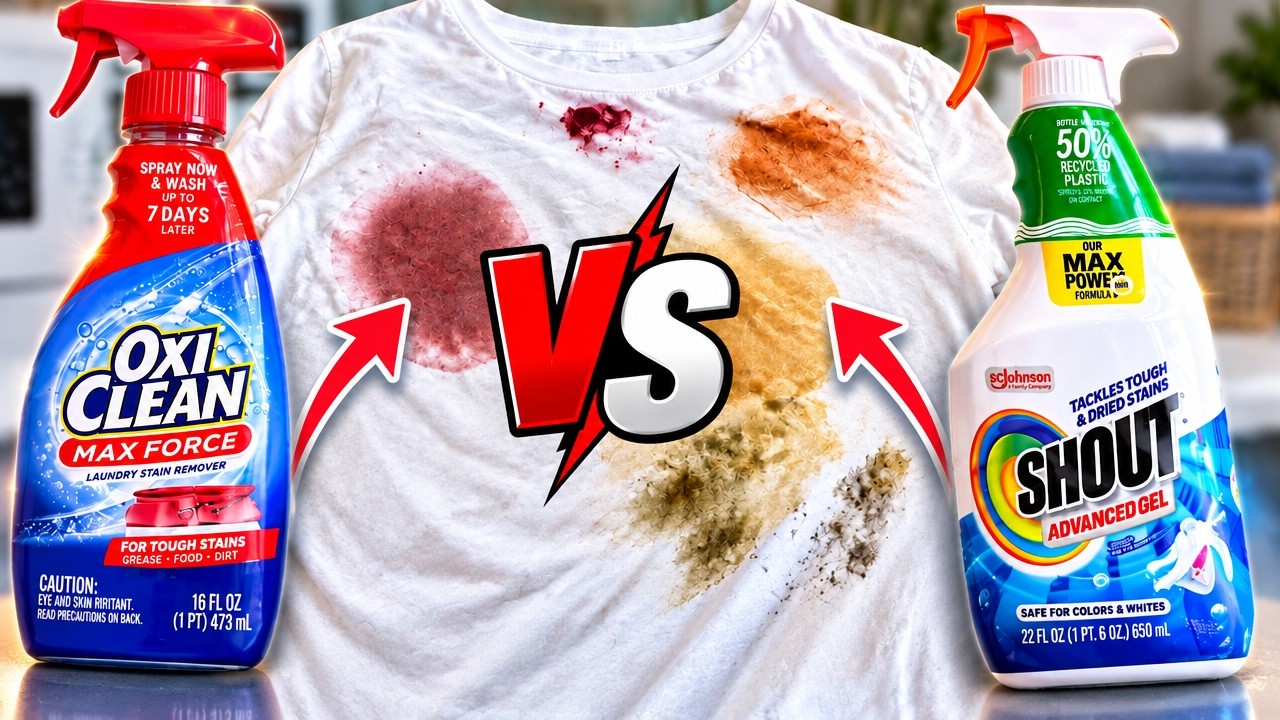
For stubborn stains, try Shout, OxiClean MaxForce, or Zout.
- Spray or apply as directed.
- Wait 5–30 minutes.
- Wash normally.
🔍 Look for labels like “oil remover” or “grease fighter.”
Pick the Right Formula Type
• Sprays: Best for large or light stains
• Gels: Stay in place on thick or vertical fabric—ideal for pants
💡 Always test on a hidden seam to avoid discoloration.
Washing Tips to Ensure Stain Removal
Use the Right Water Temperature
• Hot water: For cotton and heavy fabrics (if label allows)
• Warm water: For synthetics and blends
• Cold water: Safest for colors and delicates
🔥 Never use the dryer until the stain is gone—heat locks in oil.
Add Baking Soda to Your Wash Cycle
Boost cleaning power:
• Add ½ cup baking soda to the detergent compartment
• Helps lift grease and neutralize odors
Run an Extra Rinse for Greasy Loads
If multiple items have oil, add a second rinse cycle to remove all residue.
Common Mistakes That Make Oil Stains Worse
Applying Hot Water Too Early
Heat can “cook” the oil into the fabric. Always start with cold or lukewarm water.
Skipping the Blotting Step
Not blotting first means cleaning a larger area. Always absorb excess oil first.
Drying Pants Before the Stain Is Gone
Even if it looks clean, residual oil can reappear after drying. Air dry and check first.
Using Bleach on Grease
Bleach doesn’t remove oil and can yellow fabric. Only use after the stain is completely gone.
How to Prevent Oil Stains on Pants

Spray Pants with Stain Protector
Use Scotchgard or similar fabric shield.
• Apply evenly and let dry before wearing
• Reapply every few washes
Great for workwear, jeans, or cooking aprons.
Keep a Portable Stain Kit
Pack a small bag with:
• Travel-sized dish soap
• Baking soda packet
• Microfiber cloth
• Stain remover pen
Perfect for travel, grilling, or car repairs.
Change Clothes After Greasy Tasks
If you cook, grill, or work on engines, change right after to avoid transferring oil.
Frequently Asked Questions About Removing Oil Stains from Pants
Can I remove an oil stain after it’s been washed and dried?
Yes, but it’s harder. Scrape off residue, apply dish soap or baking soda paste, let sit, then rewash. Air dry and check before using the dryer again.
What’s the fastest way to remove fresh oil from pants?
Blot excess oil, apply dish soap, rub gently, rinse with warm water, then launder. This works in under 20 minutes.
Does baking soda really remove oil stains?
Yes. Baking soda absorbs grease and lifts it from fabric fibers. It’s most effective on fresh stains but helps with old ones when combined with vinegar.
Can I use vinegar to remove oil from clothes?
Yes. A mix of vinegar and water breaks down old oil. Soak for 30 minutes, then treat with baking soda and wash in hot water if safe for the fabric.
Is dish soap safe for all types of pants?
No. It works well on cotton, denim, and polyester but can damage silk or wool. Always check the care label first.
Should I use hot or cold water for oil stains?
Use cold or warm water at first. Hot water can set the stain. Only use hot water during the final wash if the care label allows.
Key Takeaways for How to Get Oil Stains Out of Pants
Oil stains don’t have to ruin your favorite pants. The secret is quick action: blot excess oil, use dish soap or absorbents like baking soda, and always air dry first to check results. Different fabrics need different care—denim can handle tough cleaning, while silk and wool often need professional help.
For old or stubborn stains, combine vinegar soaks with baking soda or use a commercial grease remover. Avoid common mistakes like using heat too soon or skipping the blotting step. With these methods, most oil stains can be removed at home. Keep this guide handy and save your pants from the donation bin.


