
Linen pants are a summer wardrobe favorite—lightweight, breathable, and effortlessly stylish. But their tendency to wrinkle easily can leave you wondering how to iron linen pants the right way without flattening their natural texture or scorching the delicate fibers. The key lies in using moisture, proper heat, and gentle techniques that respect linen’s unique structure. With the right approach, you can achieve a polished look while keeping your pants soft and breathable.
This guide walks you through every step of ironing linen pants safely and effectively. From setting the correct iron temperature to avoiding common mistakes like ironing dry fabric or skipping the pressing cloth, you’ll learn how to remove wrinkles without shine, stiffness, or damage. Whether you prefer a crisp finish for formal events or a relaxed drape for casual wear, you’ll discover when to iron, when to steam, and when to embrace the crumple.
Set the Right Iron Temperature for Linen
Use High Heat With Caution
Linen is a strong natural fiber that can tolerate high heat, so set your iron to the linen or highest cotton setting (around 445°F / 230°C). This temperature effectively relaxes stiff fibers and removes deep creases with minimal pressure. However, always pair high heat with moisture—either steam or a damp pressing cloth—to prevent scorching.
Never use a dry iron on dry linen. The combination of high heat and no moisture increases the risk of damaging the fibers and creating shiny spots, especially on darker shades.
Test Heat on a Hidden Seam First
Before ironing the entire garment, test the iron on an inconspicuous area like an inside seam or waistband. This is crucial for colored, printed, or blended linen fabrics, which may react poorly to high heat. If you notice discoloration, stiffness, or shine after testing, lower the temperature and increase steam or use a damp cloth instead.
This simple step prevents irreversible damage and ensures your pants maintain their color and texture.
Prepare Linen Pants Before Ironing
Iron When Slightly Damp for Best Results
The ideal time to iron linen pants is while they’re still slightly damp after washing. Hang them to dry for 30–60 minutes until moist but not dripping. Damp fibers are more pliable, making it easier to smooth wrinkles with less heat and pressure.
If your pants are already dry, use a spray bottle to mist them evenly with water. Focus on wrinkled areas like the knees and seat, but avoid soaking the fabric. Iron immediately after dampening for optimal results.
Skip Fabric Softener to Prevent Ironing Issues
Avoid using fabric softener when washing linen. It leaves a residue that coats the fibers, making them harder to iron and more prone to uneven heating or spotting. Over time, this buildup can dull the fabric and reduce absorbency.
Instead, use a mild detergent and add ½ cup of white vinegar to the rinse cycle occasionally. This helps soften fibers naturally and removes mineral deposits without interfering with ironing.
Protect Fabric With a Pressing Cloth

Prevent Shine and Scorch Marks
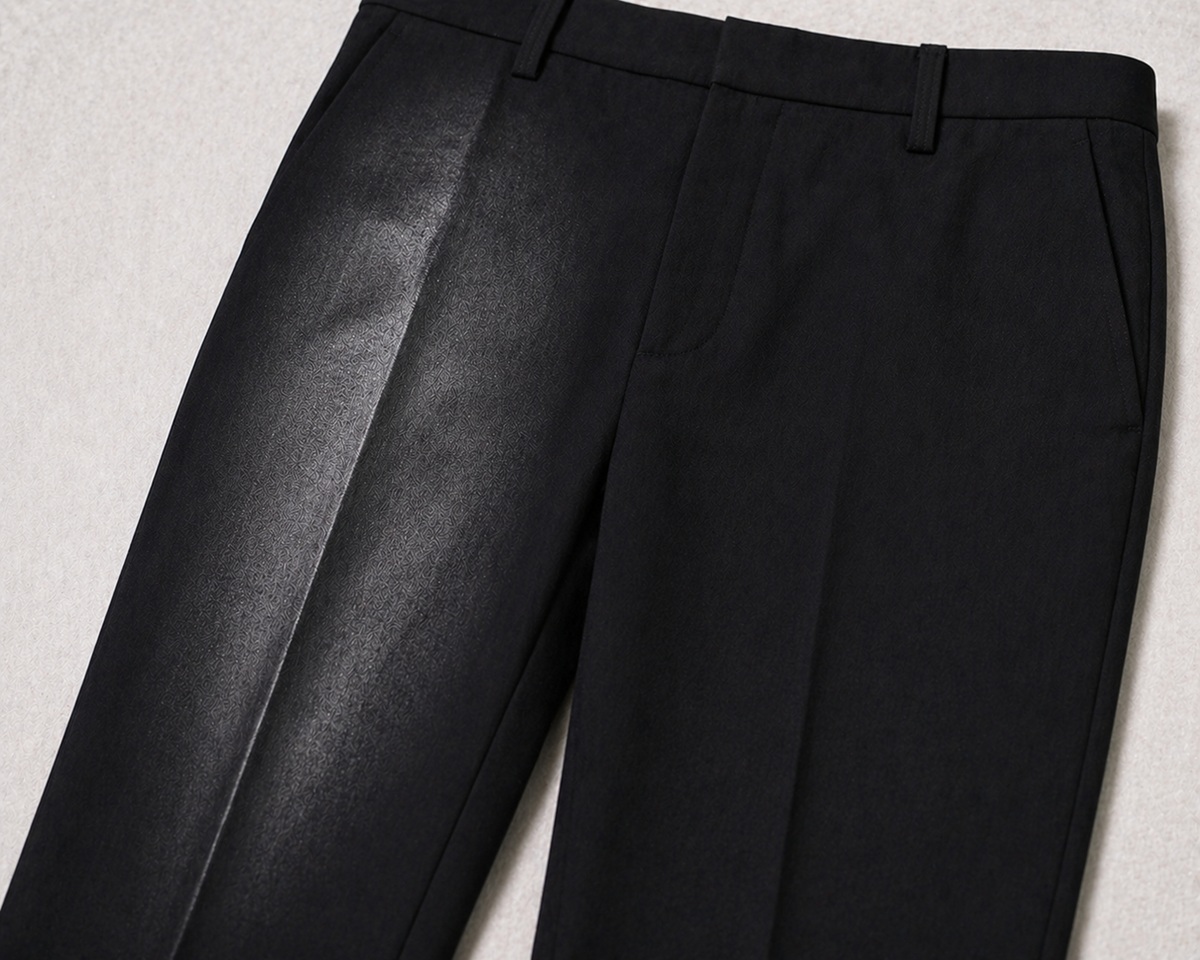
Always place a thin cotton pressing cloth—such as a clean pillowcase or muslin—between the iron and the linen. Direct contact between the hot soleplate and fabric can cause shiny spots, especially on dark or tightly woven linen.
Even irons with non-stick surfaces can create shine under high heat. A pressing cloth acts as a buffer, distributing heat evenly and protecting the outer surface.
Iron Inside Out for Maximum Protection
Turn the pants inside out before placing them on the ironing board. Start by ironing the inner side to remove major creases safely and preserve the outer fabric’s color and texture.
Once the inside is smooth, flip the pants right side out and finish with light, gliding passes using the pressing cloth. This two-step method delivers a professional finish while minimizing wear on the visible surface.
Use Steam Effectively for Wrinkle Removal
Activate Iron’s Steam Function
For stubborn wrinkles, use your iron’s steam burst function. Hold the iron just above the crease, release a burst of steam, then gently press down. The moisture softens the stiff linen fibers, allowing them to be reshaped smoothly.
If your iron has a vertical steam setting, you can also hover it a few inches above hanging pants to relax light wrinkles without direct contact—ideal for quick touch-ups.
Try a Garment Steamer for Gentle Results
A garment steamer is often a safer and more effective alternative to ironing. It uses pure steam to relax fibers without pressure, preserving linen’s natural texture and reducing the risk of shine or flattening.
Simply hang the pants and glide the steamer slowly from hip to cuff. Let gravity help smooth the fabric, and lightly tug seams and hems into place as you go.
Iron Pants in Sections for Even Results
Start With Waistband and Pockets
Begin at the top: lay one leg flat on the ironing board, smoothing the waistband. Iron along the top edge, then work inward from the side seams to avoid creating new creases.
Press pockets flat from the inside first, then lightly over the outside with a pressing cloth to maintain shape without over-flattening.
Move to Front and Back Legs
Iron one leg at a time. Lay it flat, aligning the inseam and outseam. Use slow, gliding motions from the hip to the cuff, following the fabric’s grain.
Pay extra attention to the knee area, where deep creases form from sitting. Gently stretch the fabric taut as you iron to prevent puckering and ensure a smooth drape.
Finish With Cuffs and Creases
For a sharp appearance, press the cuffs last. Fold them precisely and iron with firm, even strokes. If your pants have a front crease, re-crease by folding the leg exactly in half and ironing along the seam line.
Use a tailor’s clapper (a wooden pressing tool) to flatten and set the crease while the fabric is still warm. This gives a crisp, long-lasting finish ideal for formal wear.
Prevent Wrinkles After Ironing
Hang Immediately to Maintain Smoothness
Never fold linen pants while warm. Hang them immediately after ironing on a padded hanger to maintain their shape and prevent new wrinkles.
Let them cool completely before moving or wearing. This allows the fibers to set in their smoothed state and helps the finish last longer.
Store Properly to Minimize Future Wrinkles
Store linen pants either:
• Hung in a breathable garment bag
• Folded loosely in a drawer with tissue paper between folds
Avoid tight hangers or plastic covers that trap moisture. Keep them away from direct sunlight to prevent fading and fiber degradation.
Know When Not to Iron Linen Pants
Embrace the Natural Linen Look
You don’t always need to iron linen pants. The fabric’s tendency to wrinkle is part of its charm—many designers consider soft creases a sign of authenticity and relaxed elegance.
For casual outings, travel, or weekend wear, simply wash, hang dry, and go. A few wrinkles add character and comfort without compromising style.
Choose Steaming for a Quick Refresh
If you want to freshen up your pants without full ironing, steaming is ideal. It removes odors, relaxes light wrinkles, and revives the drape—without flattening the fabric’s texture.
Perfect for quick touch-ups before a dinner date or midday meeting.
Avoid Common Ironing Mistakes
Don’t Iron Dry Linen
Ironing completely dry linen requires higher heat and more pressure, increasing the risk of damage. Always dampen the fabric first—either by misting or ironing while slightly wet.
Don’t Use Excessive Pressure
Linen fibers are strong but can stretch or distort under heavy pressure. Use gentle, gliding motions instead of pressing down hard.
Don’t Skip the Test Patch
Always test heat and steam on a hidden area first. Colored linens, blends, or treated finishes may react poorly to high heat.
Don’t Fold While Warm
Folding hot linen sets in sharp creases that are hard to remove later. Always hang or lay flat to cool.
Frequently Asked Questions About Ironing Linen Pants
Can you iron linen pants without a pressing cloth?
Yes, but it’s not recommended. Ironing without a pressing cloth increases the risk of shiny spots or scorch marks, especially on dark or delicate linen. Always use a thin cotton cloth as a protective barrier.
Should linen pants be ironed inside out?
Yes. Ironing inside out protects the outer fabric from wear, preserves color, and helps remove deep creases safely. Always start on the wrong side, then finish gently on the right side with a pressing cloth.
Is steaming better than ironing for linen?
Steaming is often gentler and more effective for linen. It relaxes wrinkles without pressure, reducing the risk of shine or flattening the fabric’s natural texture. Ideal for quick refreshes or delicate garments.
Why do my linen pants look shiny after ironing?
Shine occurs when high heat and pressure flatten the linen fibers. This is common on dark fabrics. Prevent it by using a pressing cloth, lower heat with more steam, and gentle gliding motions instead of pressing down.
Can I use a fabric softener on linen pants?
No. Fabric softener leaves a residue that makes linen harder to iron and can cause spotting. It also reduces absorbency. Use white vinegar in the rinse cycle instead for soft, clean fibers.
How do I remove creases from folded linen pants?
Hang the pants and use a garment steamer or spray bottle to dampen the creased areas. Then iron with a pressing cloth on high heat with steam. Gently stretch the fabric while warm to restore its original drape.
Key Takeaways for How to Iron Linen Pants
Ironing linen pants doesn’t have to be risky or time-consuming. By using high heat with steam, ironing while slightly damp, and always protecting the fabric with a pressing cloth, you can achieve a crisp, professional look without damage. Work systematically—from waistband to cuffs—and hang immediately after to lock in the smooth finish.
For everyday wear, consider skipping the iron and embracing linen’s natural texture. Steaming offers a great middle ground for freshening up without flattening. Whether you prefer polished or perfectly imperfect, knowing how to care for your linen pants ensures they look great for every occasion. Now that you’ve mastered the technique, wear them with confidence—wrinkled or refined, both are in style.


