
You’ve been eating clean, moving more, and watching what you eat—but your pants still won’t zip. The scale might not budge, but that doesn’t mean you’re failing. Losing a pant size isn’t just about weight loss—it’s about shrinking your waist, reducing bloating, and improving body composition. The good news? You don’t need to lose 20 pounds to drop a size. Most people see results after 10–16 pounds lost, but some notice looser jeans with just a 2-inch waist reduction—even before the scale changes.
This guide reveals the exact science-backed steps to lose a pant size in 4 to 6 weeks using real user results and proven strategies. No crash diets, no 2-hour workouts—just smart nutrition, targeted exercise, and better tracking. You’ll learn how to eat full without overeating, burn fat efficiently, and measure progress that actually matters. Whether you’re starting at a size 10 or 20, these methods work for all body types. Let’s get your clothes fitting better—fast.
Eat Full Without Overeating
Start Every Meal With Non-Starchy Vegetables
Filling up on vegetables before your main course is one of the easiest ways to cut calories without feeling hungry. Broccoli, spinach, zucchini, peppers, and cauliflower take up space in your stomach, reducing how much higher-calorie food you eat later.
Research shows people who eat a salad before their meal consume 20% fewer calories overall. That’s a built-in deficit with zero effort.
How to do it:
• Fill half your plate with raw or cooked veggies before touching protein or carbs
• Snack on cucumber slices, carrot sticks, or bell peppers with hummus
• Aim for 3–5 servings daily—more if you’re still hungry
This habit stabilizes blood sugar, reduces cravings, and supports steady fat loss—especially around the midsection.
Add Healthy Fats to Every Meal
Cutting fat won’t help you lose fat. In fact, healthy fats keep you full, balance hormones, and fuel metabolism. People on moderate-fat diets lose more weight than those on low-fat plans.
Best sources to include daily:
• Avocados (swap for mayo on sandwiches)
• Nuts and seeds (almonds, chia, flax)
• Olive oil and avocado oil (use in dressings or light sautéing)
• Fatty fish (salmon, sardines)
• MCT oil (adds energy and may boost fat burning)
Just a quarter of an avocado or a tablespoon of olive oil per meal increases satisfaction and reduces snacking. One user reported feeling “looser in jeans” within days—thanks to less bloating and steady energy.
Create a 500–700 Calorie Daily Deficit
To lose 1–2 pounds per week, aim for a 500–700 calorie deficit each day. This is safe, effective, and sustainable.
How to calculate it:
1. Use a TDEE (Total Daily Energy Expenditure) calculator
2. Subtract 500–700 calories from your maintenance level
3. Stick to that intake consistently
Example: If you burn 2,000 calories daily, eat 1,300–1,500 calories.
⚠️ Never drop below 1,200–1,500 calories unless supervised. Too little food slows metabolism and leads to rebound weight gain.
Use apps like MyFitnessPal or Lose It! for the first few weeks to stay accurate.
Follow the 80/20 Eating Rule for Long-Term Success
You don’t need perfect eating—just consistent habits. The 80/20 rule means:
• 80% of meals: Whole, nutrient-dense foods (veggies, lean protein, healthy fats, complex carbs)
• 20% of meals: Foods you enjoy (pizza, ice cream, chips)
This prevents binges, reduces guilt, and builds a healthy relationship with food.
Pro tip: If certain foods trigger overeating (like cookies), don’t keep them at home. But don’t ban them forever—enjoy one serving mindfully, then move on.
Balance beats restriction every time.
Burn Fat With Smarter Exercise
Do a 20-Minute HIIT Circuit 3–4 Times Per Week
You don’t need hours in the gym. A 20–30 minute high-intensity circuit 3–4 times per week burns fat fast and keeps your metabolism elevated for hours.
Try this 8-move routine:
1. Jumping Jacks – 45 sec
Full-body warm-up, raises heart rate
2. Weighted Squats – 45 sec
Use dumbbells or kettlebells; engage glutes and quads
3. Skaters – 45 sec
Lateral jumps for hips and coordination
4. Push-Ups – 45 sec
On knees or toes; keep core tight
5. Kettlebell Swings – 45 sec
Hinge at hips, drive with glutes—don’t use arms
6. X-Jumps – 45 sec
Jump in an “X” pattern for agility (modify with regular jumps if needed)
7. Plank – 45 sec
Hold straight line; don’t let hips sag
8. Football Run (High Knees) – 45 sec
Stay low, pump arms and knees fast
How to structure it:
• Complete all 8 exercises back-to-back (no rest)
• Rest 1 minute after each round
• Repeat for 3–4 rounds
• Finish with 5–10 minutes of stretching
This routine builds lean muscle, torches calories, and improves body composition—key for slimming your waist and tightening your glutes.
Walk 30 Minutes Daily for Sustainable Fat Loss
You don’t need intense workouts to lose fat. Walking is the most underrated fat-loss tool—it’s low-impact, doable every day, and effective.
Brisk walking (3.5–4 mph) burns 150–250 calories in 30 minutes, depending on weight and pace. Do it daily and you’ll create a 1,000+ calorie weekly deficit—that’s over a pound of fat per month, just from walking.
Maximize results:
• Walk after meals to lower blood sugar
• Add hills or intervals (1 min fast, 2 min slow)
• Use a pedometer—aim for 8,000–10,000 steps/day
One user dropped a pant size in 5 weeks just by walking daily and cutting processed foods.
Strength Train 2 Days Per Week to Reshape Your Body

Muscle burns more calories at rest. Strength training reshapes your body even if the scale stalls.
Focus on compound movements:
• Squats
• Lunges
• Push-ups
• Rows
• Deadlifts (or kettlebell swings)
Sample routine (2x/week):
• 3 sets of 10–12 reps per exercise
• Rest 60 seconds between sets
• Use dumbbells, resistance bands, or body weight
One user went from a size 14 to 12 after 13 pounds lost—but strength training made her clothes fit better before the size drop.
Track What Actually Shows Progress
Measure Your Waist and Hips Weekly

The scale lies. Measurements don’t. A 2-inch waist reduction often happens before you drop a size.
How to measure:
• Waist: At the narrowest point, usually just above the belly button
• Hips: Around the widest part of your buttocks
• Use a soft tape measure
• Measure first thing in the morning, same day each week
Track results in a notebook or app. Even if weight is stable, a shrinking waist means fat loss is happening.
One user lost 18 pounds but didn’t drop a size until 16 pounds in—measurements showed progress long before.
Try On Old Clothes Every 2 Weeks
Numbers are useful, but how clothes fit is the real test. Keep a pair of “goal jeans” (a size too small) and try them on every 2 weeks.
Don’t force them—just see how they feel. Looser at the waist? Easier to zip? That’s progress.
Clothing fit improves before full size reduction, especially when you build muscle and lose visceral fat.
Reduce Bloating to Feel Looser Fast
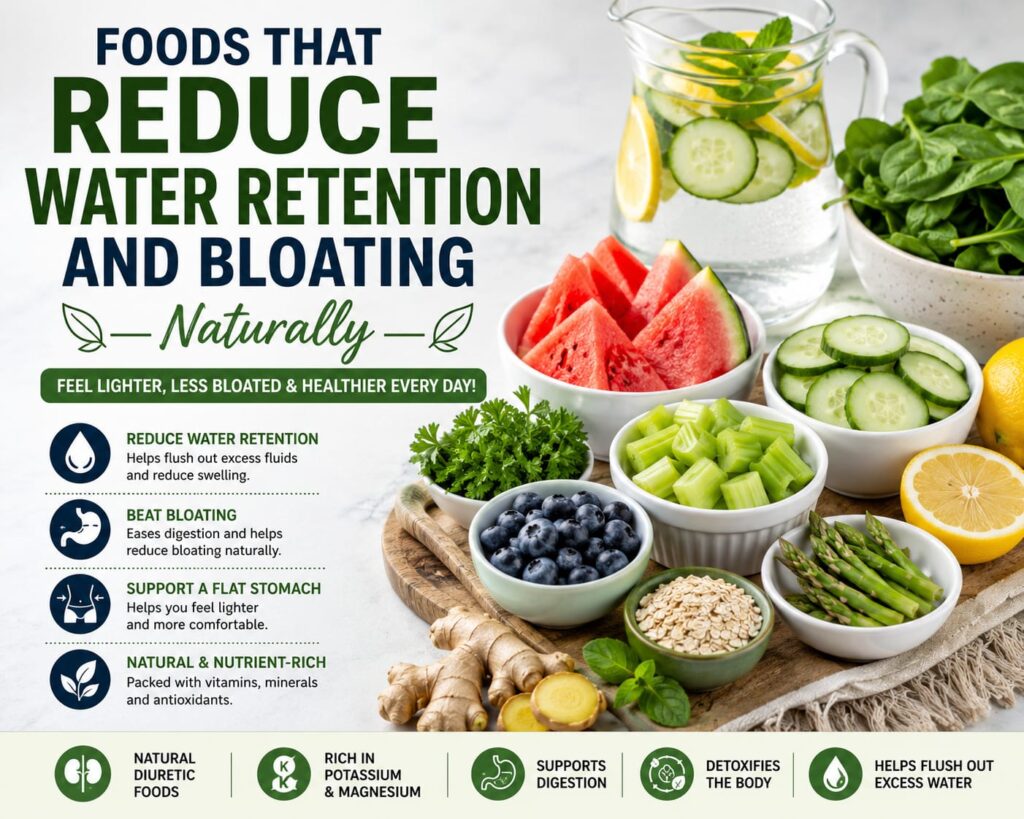
You can lose fat but still feel puffy. Cutting processed foods, salt, and sugar reduces water retention fast.
One user felt “looser in clothes” within days of eating more protein and veggies—before significant weight loss.
Reduce bloat by:
• Drinking more water (it helps flush excess fluid)
• Eating potassium-rich foods (bananas, spinach, sweet potatoes)
• Limiting packaged snacks and fast food
Why the Scale Might Not Move (But You’re Still Winning)
Belly Fat Is Stubborn—But Not Impossible
If you carry weight in your midsection, you may need to lose closer to 16 pounds to drop a size. Visceral fat is responsive to diet and exercise.
Speed it up by:
• Avoiding sugary drinks and refined carbs
• Prioritizing protein (30g per meal)
• Managing stress (high cortisol increases belly fat)
One user needed 16 lbs lost to go from size 14 to 12—but saw a 2-inch waist reduction at 12 lbs.
Muscle Gain Can Mask Scale Loss
Strength training builds muscle, which weighs more than fat. You might lose inches but not pounds—and that’s a win.
Your body composition improves: less fat, more muscle, tighter shape.
Example: A woman lost 11 lbs but didn’t drop a size—until she added squats and lunges. Muscle reshaped her hips and thighs, making pants fit better.
Clothing Style Changes How Fit Feels
A high-waisted, stretchy pair of jeans will feel looser than a rigid, low-rise pair—even at the same size.
Tip: When measuring progress, wear the same pair of pants each time—preferably non-stretch denim.
Also, remember that brand sizing varies. A size 12 in one brand may fit like a 10 in another.
Realistic Timeline and Expectations
Most People Drop a Size in 4–6 Weeks
With consistent effort, most people lose a pant size in 4 to 6 weeks.
What to aim for:
• Lose 10–16 pounds (varies by starting point)
• Reduce waist by 2+ inches
• Improve energy, sleep, and clothing fit
One user went from size 16 to 14 after 15 lbs lost—in 5 weeks—by combining walking, strength training, and the 80/20 diet.
Stay Consistent, Not Perfect
You don’t need flawless habits. Consistency beats perfection.
Miss a workout? Eat pizza? That’s okay. Just get back on track with the next meal or workout.
The 80/20 rule ensures you stay in the game long-term. Extreme diets fail because they’re unsustainable.
Focus on progress, not perfection.
Maintain Results With Sustainable Habits
Once you drop a size, keep it off by maintaining:
• Daily movement (walking, stretching)
• Protein and veggie-rich meals
• Regular strength training
• Mindful eating
Avoid crash diets or extreme workouts—they lead to rebound weight gain.
Frequently Asked Questions About Losing a Pant Size
How much weight do you need to lose to drop a pant size?
Most people drop a size after losing 10–16 pounds, but this varies by body type, fat distribution, and starting size. Some notice changes with just a 2-inch waist reduction.
Why haven’t I gone down a size after losing 10 pounds?
You may carry weight in your midsection, which requires more loss to see changes. Water retention, muscle gain, or clothing style can also delay visible size drops—even if fat loss is happening.
Should I track the scale or measurements?
Track both, but measurements are more reliable for pant size progress. Waist and hip changes often happen before the scale moves.
How quickly can I lose a pant size?
With consistent diet and exercise, most people see results in 4–6 weeks. Walking daily, eating vegetables first, and strength training speed up visible changes.
Do I need intense workouts to lose a pant size?
No. Walking 30 minutes daily is highly effective. HIIT and strength training help accelerate results, but consistency with any movement matters most.
Can I lose a pant size without losing weight?
Yes. Building muscle and losing fat can reshape your body without changing the scale. Reduced bloating and water retention also make clothes fit better fast.
Key Takeaways for Losing a Pant Size Fast
Dropping a pant size in 4–6 weeks is realistic with the right plan. You don’t need to starve or spend hours in the gym. Focus on eating vegetables first, adding healthy fats, and creating a 500–700 calorie deficit. Combine 20-minute HIIT circuits, daily walking, and strength training 2x/week to burn fat and reshape your body.
Track waist and hip measurements weekly and try on old clothes every 2 weeks—these show progress before the scale does. Remember, body composition matters more than weight. Muscle gain, reduced bloating, and fat loss all contribute to looser jeans.
Stay consistent, not perfect. Use the 80/20 rule to avoid burnout. Once you hit your goal, maintain it with sustainable habits—because long-term success isn’t about quick fixes, it’s about lasting change.


