
Tight pants digging into your abdomen after a meal? You’re not alone. Stomach pain from tight pants is a surprisingly common issue, especially when restrictive waistbands compress your digestive organs. This pressure can slow digestion, worsen bloating, and even trigger acid reflux or cramping. For people with endometriosis, IBS, or GERD, the discomfort can be intense and disruptive. The good news is relief doesn’t require drastic measures—simple changes like loosening your waistband, switching clothes, or adjusting habits can bring fast results.
In this guide, you’ll learn how to stop stomach pain from tight pants in minutes, prevent it with smarter clothing choices, and recognize when it might signal a deeper health issue. From immediate fixes to long-term wardrobe strategies, these actionable steps will help you stay comfortable—without sacrificing style.
Remove or Loosen Tight Pants Immediately

The fastest way to relieve stomach pain from tight pants is to eliminate abdominal pressure. Continuing to wear constrictive clothing delays digestion and increases discomfort.
Unbutton, Unzip, or Remove Constricting Garments
As soon as you feel pain, unbutton or unzip your pants to release pressure on your abdomen. If you’re in public and can’t change, even loosening the top button helps. Use a fabric waistband extender—a small, discreet tool that adds an extra inch of room—to instantly reduce tightness without removing your pants.
Change Into Loose, Non-Elastic Clothing
Switch to soft, non-binding pants like sweatpants, drawstring trousers, or stretchy leggings. These allow your stomach to expand naturally and ease bloating. Many people with endometriosis or IBS report immediate relief after changing into soft-waisted, elastic-free options.
Apply Heat and Rest Comfortably

Reducing strain on your abdomen helps your body recover from compression and supports digestion.
Use a Heating Pad on Low Setting
Place a heating pad or warm towel on your lower abdomen for 15–20 minutes. Gentle heat relaxes tense muscles and improves blood flow, easing cramps caused by pressure. Avoid high heat or falling asleep with the pad on.
Lie Down with Legs Elevated
Lie on your back with your knees bent or legs raised slightly on a pillow. This position reduces pressure on your stomach and aids digestion. If you have acid reflux, prop your upper body up with a pillow to prevent stomach acid from rising.
Perform Gentle Stretches and Movements
Light movement counteracts the stagnation caused by tight clothing and helps relieve bloating.
Try Child’s Pose or Seated Forward Bend
Gentle yoga poses like child’s pose or seated forward bend stretch your lower back and relieve tension around your waist. Hold each pose for 20–30 seconds while breathing deeply to enhance relaxation.
Walk Slowly for 5–10 Minutes
A short, slow walk stimulates digestion and reduces gas buildup. Movement also prevents blood from pooling in compressed areas. Avoid intense exercise until the pain passes.
Switch to Comfort-Focused Clothing
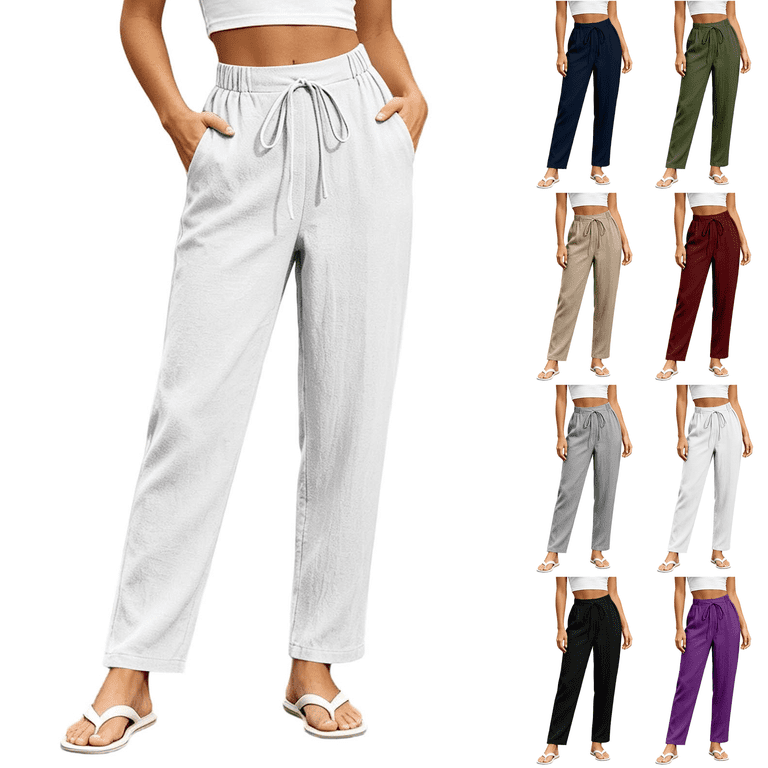
Preventing future pain means replacing tight, elastic-heavy pants with supportive, non-constrictive alternatives.
Choose Drawstring or Soft Waistband Pants
Opt for high-waisted pants with drawstrings instead of elastic. These distribute pressure evenly and avoid digging into your abdomen. Many people with endometriosis find these styles far more comfortable than traditional waistbands.
Wear Stretchy Leggings Without Elastic
Look for four-way stretch leggings with wide, soft tops and no elastic. Some styles include built-in liners that stay in place without squeezing. Brands using bamboo or cotton blends offer breathability and reduce skin irritation.
Use Waistband Extenders as a Quick Fix
Keep fabric-based waistband extenders in your bag or desk. They’re affordable, invisible under clothes, and add instant relief to tight jeans or work pants. Avoid plastic clips—they can pinch or break.
Optimize Fabric and Fit for Long-Term Comfort

Smart fabric and fit choices prevent recurring pain and keep you comfortable all day.
Prioritize Natural, Breathable Fabrics
Choose cotton, bamboo, or TENCEL™ over polyester or nylon. Natural fibers let your skin breathe and reduce moisture buildup, which can worsen discomfort. They’re especially helpful during bloating or hormonal shifts.
Test Fit at the End of the Day
Your body retains more fluid and bloats in the evening. Try on new pants after dinner to ensure they fit when you’re most swollen. A good fit allows two fingers to slide comfortably between the waistband and your skin.
Avoid Low-Rise or High-Compression Styles
Low-rise pants press on hip bones and create pressure points. High-compression shapewear or “slimming” jeans restrict digestion and worsen bloating. Choose mid-rise or high-waisted designs that sit above the hips without squeezing.
Prevent Future Discomfort with Smart Habits
Relief isn’t just about clothing—it’s about building habits that support abdominal health.
Avoid Tight Clothing After Eating
Wait 1–2 hours after meals before wearing snug pants. Your stomach expands during digestion, and compression can cause reflux or cramping. Plan outfits around your schedule: wear looser clothes post-meal.
Stay Hydrated and Limit Bloating Triggers
Drink plenty of water to reduce water retention and bloating. Limit gas-producing foods—like beans, carbonated drinks, and broccoli—when you’ll be in tight clothing.
Build a “Comfort Wardrobe” for Sensitive Days
Keep a set of loose, soft clothes for bloating, menstruation, or flare-ups. Having easy access to pain-free options reduces stress and keeps you active without discomfort.
Know When to See a Doctor
Occasional pain from tight pants is normal—but persistent symptoms may point to an underlying condition.
Pain Persists After Changing Clothes
If stomach pain continues after removing tight garments, it could signal IBS, endometriosis, a hernia, or GERD. Track your symptoms: note timing, duration, and whether clothing is always a trigger.
Watch for Red Flag Symptoms
Seek medical advice if you experience:
– Severe or worsening abdominal pain
– Nausea, vomiting, or fever
– Visible swelling or bulging at the waistline
– Pain during menstruation that disrupts daily life
These could indicate conditions needing diagnosis and treatment.
Discuss Clothing Sensitivity With Your Provider
Many people with endometriosis or pelvic floor dysfunction report that any elastic around the waist becomes unbearable during flare-ups. Let your doctor know if clothing-related pain affects your quality of life. They may refer you to a specialist or suggest adaptive clothing.
Long-Term Wardrobe Strategy
Make lasting changes to reduce reliance on quick fixes and improve daily comfort.
Start a Gradual Wardrobe Transition
Replace one or two tight pairs of pants each month with comfort-first alternatives. Focus on versatile pieces for work, errands, or social events. Many brands now offer endo-friendly or adaptive designs online.
Invest in Quality, Stretchy Basics
Spend more on well-made pants with soft, durable waistbands. Look for:
– Adjustable drawstrings
– Side zippers or snap closures
– Wide, non-rolling bands
– Front-button styles with roomy rises
These features improve long-term wearability and reduce pain.
Modify Existing Pants for Better Fit
Learn simple sewing skills to replace stiff elastic with soft drawstrings or add fabric panels to tight waistbands. Even minor alterations can make favorite pants pain-free.
Frequently Asked Questions About Stomach Pain from Tight Pants
Why do tight pants cause stomach pain?
Tight pants compress the abdomen, restricting stomach expansion after eating and slowing digestion. This pressure can trigger bloating, cramping, and acid reflux. For people with endometriosis or IBS, the discomfort is often severe due to increased abdominal sensitivity.
Can tight pants cause digestive problems?
Yes. Compression from tight waistbands can interfere with normal digestive function, leading to bloating, gas buildup, and delayed gastric emptying. It may also worsen acid reflux by increasing pressure on the stomach.
What are the best pants to wear for stomach pain?
The best options include drawstring pants, soft-waisted leggings, maternity-style trousers, and high-waisted styles with non-elastic bands. Look for breathable fabrics like cotton or bamboo and avoid low-rise or high-compression designs.
How can I quickly relieve stomach pain from tight jeans?
Unbutton or unzip your jeans immediately. Use a waistband extender or change into loose clothing. Apply a heating pad, lie with legs elevated, or take a short walk to ease discomfort.
Are waistband extenders effective for stomach pain?
Yes. Fabric-based waistband extenders add instant room to tight pants without removing them. They’re discreet, affordable, and ideal for work or social events when changing isn’t possible.
When should I see a doctor for clothing-related stomach pain?
See a doctor if pain continues after removing tight clothes, or if you have severe symptoms like vomiting, fever, or visible swelling. Persistent pain may indicate IBS, endometriosis, a hernia, or GERD.
Key Takeaways for Managing Stomach Pain from Tight Pants
Stomach pain from tight pants is more than just discomfort—it can disrupt digestion and worsen chronic conditions. Start with immediate relief: unbutton or remove tight clothing, apply heat, and rest. Switch to soft, non-elastic waistbands made from natural, breathable fabrics to prevent future pain.
Build a comfort wardrobe for sensitive days and avoid tight clothing after meals. If pain persists despite these changes, consult a healthcare provider to rule out underlying issues like endometriosis or IBS. By choosing comfort without sacrificing style, you can stay pain-free all day, every day.


