
Sitting down and feeling moisture seep through your pants is more common than you think—but it doesn’t have to be normal. Butt sweat on clothing happens when heat, friction, and poor airflow trap moisture between your skin and clothes. This dampness leads to stains, chafing, odor, and serious confidence hits—especially if you sit for long hours at work, in a wheelchair, or during travel. The gluteal area is naturally prone to sweating, but with the right strategies, you can stop butt sweat on pants for good.
You don’t need to suffer in silence. From breathable fabrics and clinical antiperspirants to cooling seat cushions and lifestyle tweaks, proven solutions exist. This guide combines real-world tips, medical insights, and tested methods to help you stay dry and comfortable all day. Whether you’re dealing with mild dampness or severe sweating (hyperhidrosis), you’ll learn how to take control—starting today.
Choose Moisture-Wicking Underwear and Pants

Your clothing choices directly impact how much sweat soaks into your pants. Cotton may feel soft, but it holds onto moisture like a sponge, making sweating worse.
Skip Cotton for High-Sweat Days
Cotton absorbs sweat but dries slowly, creating a damp environment that increases chafing and bacterial growth. While breathable in cool conditions, it’s a poor choice when you’re active or sitting for hours.
Wear Performance Fabrics That Pull Sweat Away
Switch to materials designed to move moisture off your skin:
– Polyester blends – Lightweight and quick-drying
– Bamboo fibers – Naturally antimicrobial and breathable
– Mesh-lined underwear – Boosts airflow where you need it most
– Technical athletic fabrics – Used in moisture-wicking boxer briefs
Pro Tip: Look for labels like “Coolmax,” “Dry-Excel,” or “moisture-wicking.” These fabrics outperform cotton and help keep your pants dry.
Wear Loose, Breathable Clothing to Reduce Heat
Tight jeans, leggings, or slim-fit trousers press your skin together, trapping heat and activating sweat glands in the buttocks.
Opt for Relaxed Cuts That Allow Airflow
Loose clothing helps in three ways:
– Reduces skin-on-skin friction
– Lets air circulate under your clothes
– Prevents heat buildup in sensitive areas
Visual Cue: If your pants leave deep marks on your hips or thighs after sitting, they’re too tight and likely worsening sweat.
Apply Antiperspirant to Your Lower Back and Buttocks
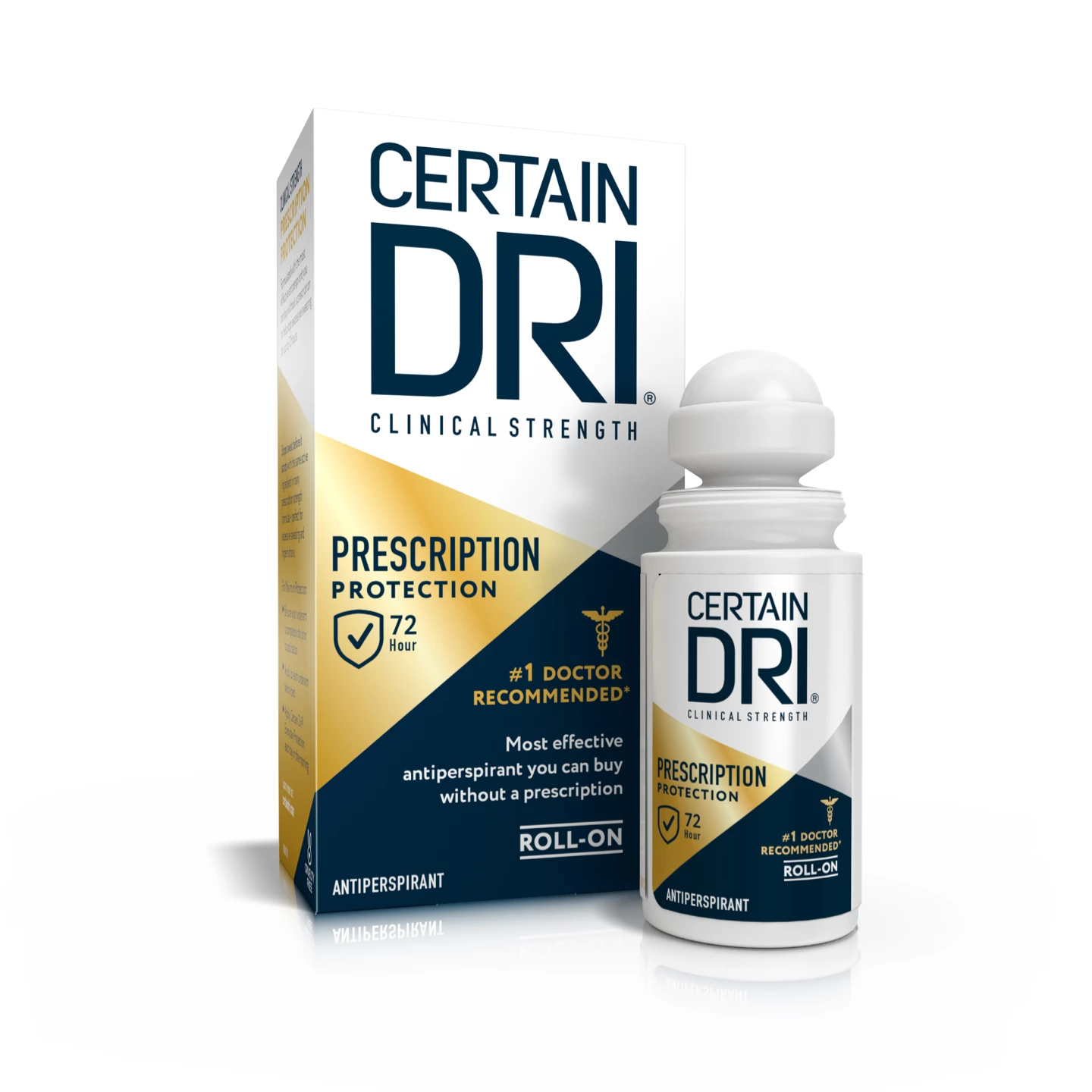
Antiperspirant isn’t just for underarms. It works on any sweat-prone area—including the crease of your butt and lower back.
Use Clinical-Strength Products Like Certain Dri
These contain aluminum chloride, which temporarily blocks sweat glands.
How to Apply:
1. Dry your skin completely after showering
2. Apply a thin layer to the lower back and butt crease
3. Use every morning for lasting protection
Warning: Do not apply to broken or irritated skin. If redness occurs, switch to a sensitive-skin formula.
Use Talc-Free Powder to Absorb Moisture

Powder reduces dampness and friction—key for preventing both sweat stains and chafing.
Pick Cornstarch or Baking Soda-Based Powders
These talc-free options are safer and effective:
– Cornstarch powder – Absorbs sweat naturally
– Baking soda blends – Neutralize odor and moisture
– Anti-chafing balms – Create a protective barrier
Application Tip: Lightly dust the area after drying and before dressing. Too much powder can clump and irritate skin.
Upgrade to a Breathable Seat Cushion
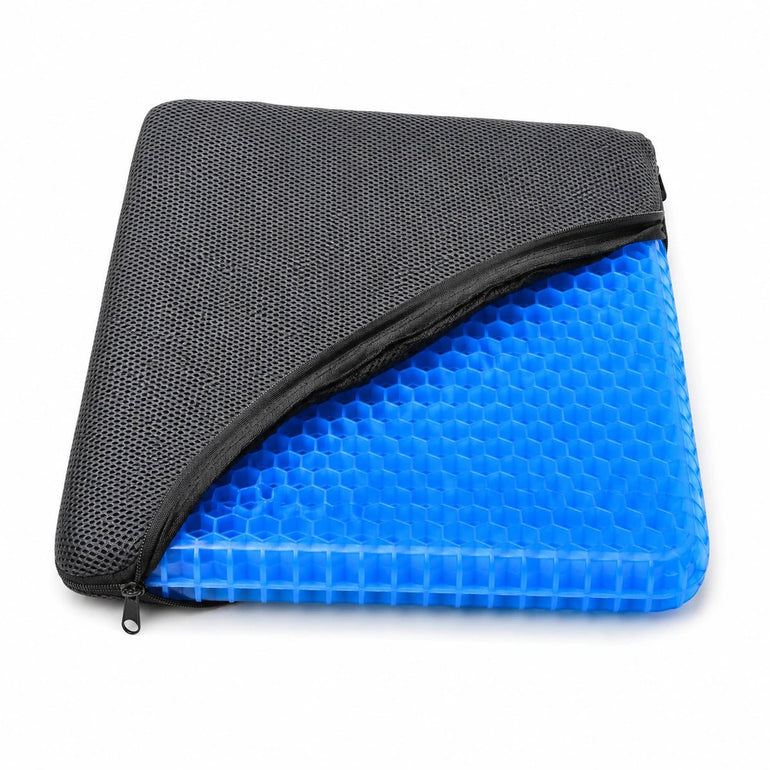
If you sit for hours, your chair or car seat plays a big role in sweat control. Standard cushions trap heat—breathable ones prevent it.
Choose Cushions with Cooling Features
Look for:
– Mesh fabric covers – Allow air to pass through
– Open-cell foam – Doesn’t hold heat
– Gel layers – Provide active cooling
– Airflow channels – Promote circulation
Real-World Result: One user reported a 70% reduction in sweat using a mesh-backed gel cushion with a clip-on fan.
Carry a Discreet Dryness Emergency Kit
Even with prevention, sweat happens. Be ready with a small kit to manage it fast.
Pack These Essentials in Your Bag
Keep on hand:
– Travel antiperspirant
– Moisture-absorbing wipes
– Spare pair of underwear
– Microfiber towel
– Disposable seat liners
Pro Tip: Wrap a cooling towel around your waist during long outings. It’s lightweight and pulls heat away from your core.
Use Portable Cooling Devices to Lower Body Heat
Reducing your overall body temperature cuts down sweating—even when seated.
Try These Active Cooling Tools
- Clip-on fans – Attach to bags, belts, or wheelchairs
- Cooling vests – Worn under clothes to regulate heat
- Cooling towels – Soak in water and drape around your neck
Best For: Hot environments, outdoor work, or long drives. Even a small fan can make a noticeable difference.
Avoid Sweat-Triggering Foods and Drinks
What you consume affects your sweat levels. Some foods stimulate your nervous system and increase perspiration.
Cut Back on These Common Triggers
- Caffeine (coffee, energy drinks)
- Alcohol
- Spicy foods
Try This: Eliminate one at a time to see if your butt sweat improves.
Maintain a Healthy Weight to Reduce Skin Friction
Excess weight increases skin-on-skin contact in the glutes and thighs, trapping heat and moisture.
Weight Management Helps You Stay Drier
- Less skin contact = less friction and heat
- Better airflow between body folds
- Lower core body temperature
Even modest weight loss can reduce sweating in seated areas.
Drink More Water to Regulate Sweating
It seems counterintuitive, but staying hydrated helps your body cool itself efficiently—reducing excessive sweat.
How Hydration Helps
- Keeps your natural cooling system working
- Prevents overheating that triggers sweat
- Flushes out odor-causing toxins
Daily Goal: Aim for 8–10 glasses. Skip sugary drinks and excess caffeine.
Take Standing Breaks Every 30 Minutes
Sitting too long compresses your glutes, traps heat, and blocks airflow. A quick stand-up breaks the cycle.
Follow the 30-Minute Rule
Every half hour:
– Stand up
– Stretch your legs
– Let air flow under your clothes
For Office Workers: Set a timer or use a smartwatch reminder. Take calls standing or walk to get water.
Clean and Dry Your Seat Cushion Weekly
A dirty or damp cushion holds bacteria and moisture, making sweat and odor worse over time.
How to Clean Your Cushion
- Remove the cover if washable
- Wipe foam or gel with mild soap and water
- Air dry completely before reuse
Warning: Never use a cushion that smells musty or feels damp—it can cause skin irritation.
See a Doctor If Sweat Disrupts Your Life
If over-the-counter fixes don’t work, you may have hyperhidrosis—a medical condition causing excessive sweating.
Signs You Need Medical Help
- Sweat soaks through clothes daily
- Interferes with work or social confidence
- Causes rashes or skin infections
- Doesn’t improve with lifestyle changes
Try Prescription Treatments for Severe Sweating

When OTC methods fail, doctors offer stronger solutions.
Botox Injections for Long-Term Relief
- How it works: Botox blocks nerve signals to sweat glands
- Effectiveness: Reduces sweating for 4–6 months
- Best for: Chronic, disruptive butt sweat
Note: Administered by a dermatologist; requires multiple injections.
Consider Iontophoresis for Full-Body Sweat Control
This non-invasive treatment uses water and mild electrical currents to reduce sweat production.
How It Works
- Hands or feet sit in water with a low current
- Sweat glands become less active over time
- Can help reduce overall sweating, including the buttocks
Drawback: Requires regular sessions and special equipment.
Build a Morning Routine to Stay Dry All Day
Prevention starts the moment you wake up. A consistent routine sets you up for success.
Your Anti-Sweat Morning Checklist
- Shower with antibacterial soap – Reduces odor-causing bacteria
- Dry thoroughly – Pat your butt and crease completely dry
- Apply antiperspirant – On lower back and glutes
- Dust with powder – Use a light layer of cornstarch-based option
- Wear moisture-wicking underwear – Never skip this step
- Choose breathable pants – Avoid tight or synthetic layers
Consistency is key: Do this daily, even on low-activity days.
Combine Multiple Strategies for Best Results
No single fix works for everyone. The most effective results come from layering solutions.
Real-World Success Example
A wheelchair user combined:
– Moisture-wicking boxer briefs
– Mesh gel cushion
– Morning antiperspirant
– Clip-on fan
– Cooling towel
Result: 70% less sweat, no stains, and better comfort during long outings.
Avoid These Common Butt Sweat Mistakes
Even with the right tools, people make errors that worsen the problem.
- Wearing damp clothes – Change immediately after sweating
- Ignoring cushion hygiene – Damp pads breed bacteria
- Using cotton underwear – Retains moisture
- Skipping antiperspirant – It works outside the armpits
- Waiting until you’re wet – Prevention beats cleanup
Key Takeaways for Staying Dry and Confident
Staying dry isn’t about perfection—it’s about consistency and smart habits.
Proven Tips for Long-Term Success
- Start dry, stay dry: Begin your day with clean, dry skin and the right clothes
- Be proactive: Use antiperspirant and powder before sweating starts
- Carry backups: Wipes and spare underwear save the day
- Cool your environment: Fans, AC, and shade matter
- See a doctor if needed: Don’t suffer in silence
Frequently Asked Questions About Butt Sweat on Pants
Why does my butt sweat so much when I sit?
Sitting traps heat and limits airflow, activating sweat glands in the glutes. Tight clothes, poor fabric choices, and prolonged sitting make it worse. Using breathable clothing, antiperspirant, and cooling cushions can significantly reduce it.
Can antiperspirant be used on the buttocks?
Yes. Clinical-strength antiperspirants like Certain Dri can be safely applied to the lower back and butt crease. Apply to dry skin at night or in the morning. Avoid using on broken or irritated skin.
What kind of seat cushion reduces butt sweat?
Look for cushions with mesh covers, open-cell foam, gel layers, or airflow channels. These allow ventilation and reduce heat buildup. Mesh-backed gel cushions are especially effective for long sitting periods.
Does drinking water help reduce butt sweat?
Yes. Staying hydrated helps your body regulate temperature efficiently, reducing excessive sweating. Aim for 8–10 glasses daily and avoid dehydrating drinks like alcohol and caffeine.
Can diet affect how much my butt sweats?
Yes. Caffeine, alcohol, and spicy foods can stimulate your nervous system and increase sweating. Reducing or eliminating these may help decrease sweat production in sensitive areas.
When should I see a doctor about butt sweat?
See a doctor if sweat soaks through clothes daily, causes skin issues, or affects your confidence and daily life. You may have hyperhidrosis, which can be treated with prescription antiperspirants, Botox, or iontophoresis.
Practical Next Steps to Stop Butt Sweat on Pants
You now have a complete action plan to stop butt sweat on pants—from clothing and hygiene to medical options. Start with one change: swap cotton underwear for moisture-wicking fabric, apply antiperspirant to your glutes, or invest in a breathable seat cushion. Build from there. With consistency, you can stay dry, comfortable, and confident—no matter how long you sit.


