
You’ve invested in quality pants—jeans that fit just right, dress slacks that elevate your look, and cozy leggings you live in. But if they’re crumpled at the bottom of a drawer or stretched out on a flimsy hanger, you’re shortening their lifespan and making your mornings harder. The good news? How to store pants doesn’t have to be complicated. With the right techniques, you can save space, prevent wrinkles, and make getting dressed faster.
This guide breaks down the most effective ways to store every type of pant—jeans, dress pants, chinos, leggings, and more—using proven folding, hanging, and rolling methods. You’ll learn which techniques work best for your closet setup, whether you’re organizing a walk-in wardrobe or maximizing a tiny apartment closet. From Marie Kondo’s vertical folding to the crotch-through hanger trick, we’ll show you exactly how to keep your pants in top shape—without wasting time or space.
Match Storage Method to Fabric and Use
Choose Based on Fabric Type
How to store pants effectively starts with understanding the material. Different fabrics react differently to pressure, gravity, and folding. Using the wrong method can lead to stretched waistbands, permanent creases, or misshapen legs.
- Dress pants & tailored slacks: Hang by the waistband using slim, non-slip hangers to preserve creases
- Jeans: Hang with belt-loop or crotch-through methods, or fold vertically in drawers
- Chinos & cotton pants: Fold or roll to prevent deep creases
- Leggings & yoga pants: Use the envelope fold to maintain elasticity
- Stretchy or delicate fabrics: Always fold—never hang
Hanging stretchy fabrics can distort their shape, while heavy denim may sag if improperly supported.
Organize by Frequency of Wear
Your daily routine should shape your storage layout. Use priority zoning to keep essentials within reach:
- Daily wear: Store at eye level in closet or front of drawer
- Occasional wear: Place on mid-level shelves or secondary drawers
- Seasonal or rarely worn: Rotate into labeled, breathable bins under the bed or on high shelves
This system ensures you’re not digging through off-season jeans to find your go-to chinos.
Hang Pants the Right Way
Use Slim, Non-Slip Hangers
Flimsy wire or plastic hangers cause pants to slip and create unsightly dents in waistbands. Slim, non-slip hangers made of wood or thick rubber-coated plastic grip fabric gently and save space in crowded closets.
Avoid wide suit hangers unless your pants have structured waistbands. For most casual and denim styles, slim is better.
Hang by the Waistband—Never the Legs
Hanging pants by the legs stretches the fabric. Gravity pulls down on the cuffs, distorting the leg shape over time. Always hang by the waistband to preserve fit and structure.
Exception: Heavy pants like thick jeans can be hung folded in half with clamps at the cuffs for stability.
Best Hanger Types for Different Pants
Prevent Waistband Creases with Clippy Hangers
Clippy hangers work well for lightweight chinos or dress slacks, but the clips can leave dents. Fix this with a simple hack:
- Cut a thick piece of cardboard from a shipping box
- Slide it over the waistband
- Clip the hanger over the cardboard
The cardboard spreads the pressure, preventing creases while keeping pants secure.
Pro Tip: Label the cardboard with the pant size or color for quick identification.
Use Clamp Hangers for Heavy Pants
Clamp hangers offer strong grip but should not clamp the waistband—this can cause slippage. Instead:
- Fold pants in half
- Clamp at the cuff end
- Hang vertically
This method is ideal for double-rod closets. It keeps heavy pants secure and prevents stretching.
Warning: Always test clamp strength with heavy denim—weak clamps can fail.
Best Ways to Hang Jeans
Half-Fold, Belt-Loop Hook Method
Keep jeans upright and visible with this space-efficient technique.
Steps:
1. Fold jeans in half, bringing ankles to waist
2. Align the belt loops so they stack
3. Hook the hanger through both layers of loops
4. Flip the legs inside to form a compact roll
Result: Jeans hang neatly with back pockets showing—easy to identify and grab.
Best for: Jeans with sturdy belt loops
Accordion Fold (Third-Point Hanger)
Maximize space with this hybrid folding-hanging method.
Steps:
1. Fold jeans in half at the waist
2. Position the hanger one-third of the way up the waistband
3. Gently fold the fabric toward the hanger like an accordion
4. Hook through the folded waistband
Flip the final section inward for neatness or outward for easier access.
Tip: Practice with an old pair first—this method takes coordination.
Crotch-Through Hanger Trick
For a clean, shirt-like hang that shows off the front of your jeans.
Steps:
1. Button the jeans
2. Slide the hanger into the crotch seam
3. Drape one leg over the hanger bar, then the other in the opposite direction
Result: Jeans hang flat, front-facing—ideal for display or small closets.
⚠️ Caution: Only use with sturdy denim. Avoid this method for stretchy, thin, or delicate jeans—it can damage the crotch seam.
Fold Pants for Drawers Like a Pro
Marie Kondo-Style Vertical Folding
Create uniform, stackable rectangles that stand upright—making every pair visible.
Steps:
1. Lay pants flat, front side up
2. Fold in half vertically (left over right)
3. Fold legs up to the waist
4. Flip the top half down over the bottom, like closing a book
Result: A compact, stable rectangle perfect for drawer dividers.
Best for: Dress pants, chinos, and shallow drawers
Roll & Tuck for Maximum Visibility
Turn jeans into upright “cans” that stand on end—no more digging.
Steps:
1. Button the jeans
2. Fold in half, tucking the crotch inward to create a straight edge
3. Fold legs up halfway
4. Perform three tight roll folds upward
5. Stand upright in drawer
Result: Easy access, no wrinkling, and full visibility.
Pro Tip: Use this in deep drawers where folded pants would get buried.
Envelope Fold for Leggings
Keeps stretchy pairs together and prevents unraveling.
Steps:
1. Lay flat, tuck crotch inward to form a straight line
2. Fold up about halfway
3. Flip the top third down like a letter flap
4. Open the flap and tuck the lower half inside
Result: A sealed, upright package that resists shifting.
Bonus: Works great for yoga pants, bike shorts, and other stretchy bottoms.
Roll Pants to Save Space

Roll Tightly for Travel or Small Closets
Rolling is the most space-efficient method—ideal for packing or tight spaces.
Steps:
1. Lay pants flat
2. Fold in half lengthwise
3. Start rolling from the waist down to the cuffs
4. Secure with a rubber band or place in a packing cube
Result: Up to 50% more space saved vs. folding.
Best for: Travel, dorm rooms, or under-bed storage
Avoid for: Dress pants—rolling can cause deep creases
Organize with Smart Storage Systems

Use Drawer Dividers for Vertical Storage
Stacking folded pants flat leads to “laundry avalanche” every time you pull one out. Store them vertically like files.
How to do it:
– Use adjustable drawer dividers
– Place folded or rolled pants upright
– Arrange by type, color, or frequency
Benefits:
– See every pair instantly
– No more digging
– Prevents wrinkles from heavy stacking
Pro Tip: Buy expandable dividers that fit any drawer size.
Keep Shelves Neat with Shelf Dividers
Folded pants on shelves slump without support. Shelf dividers keep stacks upright.
Install vertical dividers between:
– Jeans on the left
– Chinos in the middle
– Dress pants on the right
Label each section for faster access.
Use Over-the-Door Organizers
Short on closet or drawer space? Over-the-door shoe organizers are a game-changer.
- Hang on the back of any door
- Store one pair per pocket
- Ideal for lightweight pants, leggings, or gym wear
Bonus: Transparent pockets let you see contents at a glance.
Try Rolling Carts for Portability
For small apartments or shared spaces, a rolling cart with drawers offers flexible storage.
- Place under a desk or beside the bed
- Use for seasonal or casual pants
- Roll away when not in use
Style Tip: Choose a metal cart with a modern finish—it doubles as decor.
Store Off-Season Pants Properly
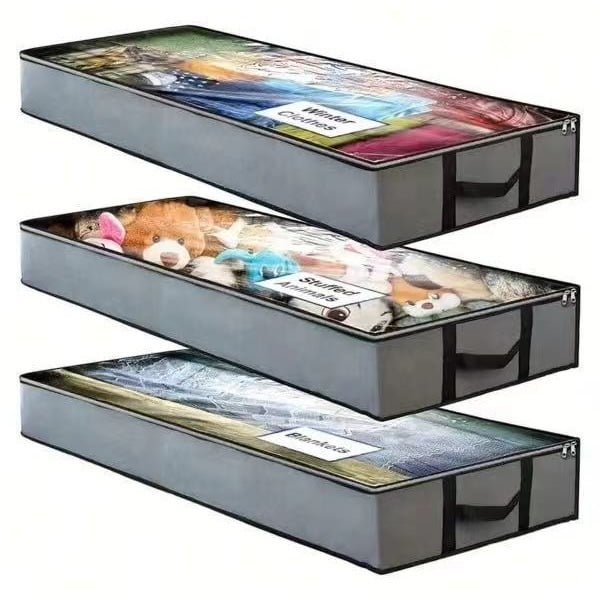
Use Labeled, Breathable Bins
Don’t let winter jeans clutter your summer closet. Rotate seasonally.
Steps:
1. Clean all pants before storage
2. Fold or roll (avoid hanging long-term—can stretch)
3. Place in labeled, breathable bins
4. Store under the bed or on high shelves
Avoid plastic bags—they trap moisture and cause mildew.
Rotate Clothing Twice a Year
Set calendar reminders to switch seasonal pants every March and September.
- Bring summer chinos to the front
- Move heavy denim to storage
- Check for damage or stains before storing
This keeps your closet fresh and functional year-round.
Avoid Common Pants Storage Mistakes
Never Hang Pants by the Legs
It seems convenient, but hanging by the cuffs stretches the fabric. Over time, legs become misshapen and loose. Always hang by the waistband—or use cuff-clamping for heavy pants.
Don’t Overcrowd Drawers or Closets
Packed shelves cause wrinkles and make it hard to find what you need. Leave 20% empty space in drawers and closets for airflow and easy access.
Keep Pants Away from Sunlight and Moisture
Direct sunlight fades fabric. Damp areas invite mildew. Store pants in cool, dry, dark spaces—and never leave them in a gym bag for days.
Optimize Storage by Space Type
Small Apartments: Go Vertical and Roll
When space is tight:
– Roll jeans and store in bins
– Use over-the-door organizers
– Hang pants with rotating rods
Maximize every inch—go vertical whenever possible.
Travel Packing: Roll for Efficiency
Rolling beats folding for suitcases.
Why:
– Saves space
– Reduces wrinkles
– Easier to unpack
Pair with packing cubes to keep rolled pants organized by outfit.
Walk-In Closets: Create Functional Zones
Turn a walk-in closet into a system:
- Top shelves: Seasonal storage in labeled bins
- Eye-level rods: Frequently worn pants, hung
- Lower shelves: Folded stacks with dividers
- Doors: Over-the-door organizers for accessories or light pants
Add lighting and mirrors to make it functional and inviting.
Key Takeaways for How to Store Pants
- Match method to fabric: Hang dress pants, fold leggings, roll jeans for travel
- Use slim, non-slip hangers to prevent stretching and slippage
- Store vertically in drawers for visibility and easy access
- Rotate seasonally using labeled, breathable bins
- Avoid common mistakes: hanging by legs, overcrowding, using plastic bags
Your storage method should match your lifestyle. If you’re always in a rush, prioritize visibility and access. If space is tight, focus on compactness. Try one method at a time, stick with what works, and build a system that lasts.
Frequently Asked Questions About How to Store Pants
Should I hang or fold my jeans?
Fold jeans if storing in drawers to prevent stretching. Hang only if using proper techniques like the belt-loop hook or crotch-through method with sturdy denim.
How do I prevent wrinkles when folding pants?
Use the Marie Kondo method for flat, even folds. Store vertically in dividers to avoid stacking pressure. Avoid overfilling drawers.
Can I hang leggings?
No. Hanging stretchy fabrics like leggings can distort their shape. Always fold them using the envelope fold to maintain elasticity.
What’s the best way to store pants in a small closet?
Roll jeans and store in bins, use over-the-door organizers, install shelf dividers, and hang pants with slim hangers. Go vertical to maximize space.
How often should I rotate my pants seasonally?
Rotate twice a year—around March and September. Clean all items before storing and inspect for stains or damage.
How do I keep folded pants from falling over?
Use drawer or shelf dividers to create compartments. Store pants vertically like files, and avoid stacking more than 5–6 pairs high.


