
Sweatpants that have become too tight—whether from shrinking in the wash, changes in your body, or poor initial fit—don’t need to be tossed. With the right techniques, you can stretch them back into comfort. Whether you’re dealing with slightly snug thighs, a constricting waistband, or shortened legs, stretching sweatpants is a practical, cost-effective alternative to buying new ones. The key lies in understanding your fabric type and applying the correct method: wet soaking, steam, heat-setting, or mechanical stretching. Cotton blends respond well to moisture and heat, while spandex-infused fabrics may only allow temporary relief. This guide breaks down proven, step-by-step methods based on fabric composition, target areas, and desired results—so you can restore your favorite pair without damage.
You’ll learn how to safely stretch cotton, polyester, and spandex blends using household tools and simple techniques. From warm water soaks to steam ironing and furniture-assisted stretching, each method is tailored to fabric weight and problem area. We’ll also cover how to prevent future shrinkage and when to consider professional tailoring. By the end, you’ll know exactly how to stretch sweatpants for a better fit—saving money and extending the life of your go-to loungewear.
Identify Your Sweatpant Fabric Type
Cotton Fleece and Cotton-Polyester Blends
Most sweatpants are made from cotton fleece, typically an 80/20 cotton-polyester blend. This fabric has moderate natural elasticity (2–5%) but responds well to stretching when wet or heated. Cotton fibers swell and relax in water, allowing realignment. Polyester adds durability and slight stretch (up to 15%), but resists permanent change unless heat is applied. For best results, use warm water (30–40°C) and air dry in a stretched position.
Spandex and Performance Fabrics
Sweatpants with 3–10% spandex offer built-in stretch and recovery. While comfortable, these are harder to permanently stretch because spandex snaps back. Avoid aggressive methods—focus on wearing them damp or using body movement (squats, lunges) to ease tightness. High heat can damage spandex, so skip boiling water or high-heat ironing.
How Fabric Weight Affects Stretching Success
Lightweight sweatpants (150–200 GSM) stretch more easily than mid- or heavy-weight (300+ GSM) versions. Heavier fabrics require longer soaking or heat-assisted methods. Use this guide:
| Weight | Best Method |
|---|---|
| Lightweight | Cold water soak |
| Mid-weight | Warm water + air drying |
| Heavy-weight | Steam + heat-setting |
Prepare Sweatpants for Stretching
Measure Key Dimensions Before Starting
Record these measurements:
– Waist (flat and stretched)
– Inseam length
– Thigh and hip width
– Leg opening
This helps track progress and avoid over-stretching. Aim for no more than 1–3 inches of increase, depending on fabric. Over-stretching can cause seam distortion or fiber damage.
Gather Essential Stretching Tools
You’ll need:
• Basin or sink
• Warm water (not hot)
• Hair conditioner or fabric softener
• Clean towels
• Spray bottle
• Measuring tape
• Clothespins or clips
• Optional: garment steamer, iron, water bottles for weight
Avoid boiling water or bleach—these can shrink or damage fibers.
Check for Fabric Damage
Inspect for:
• Pilling or thinning
• Faded color
• Stretched-out elastic
• Seam stress
If fabric is worn, stick to gentle methods. Damaged fibers won’t stretch evenly and may tear.
Use Water-Based Stretching Methods
Warm Water Soak for Cotton Sweatpants
Best for: Cotton and cotton-polyester blends needing 5–8% size increase.
- Fill a basin with warm water (30–40°C / 86–104°F).
- Add 1/4 cup fabric softener or 2 tbsp hair conditioner.
- Submerge sweatpants for 20–30 minutes.
- Gently press out water—do not wring.
- Roll in a towel to remove excess moisture.
- Proceed to stretch while damp.
Why it works: Warmth relaxes cotton fibers; conditioner reduces friction, letting them slide into a new shape.
Cold Water Soak for Minor Tightness
Best for: Slight tightness or delicate fabrics.
- Soak in cold water (15–20°C) for 30–60 minutes.
- Add conditioner for extra softening.
- Remove, press dry with towel.
- Stretch manually and air dry flat.
Expect 2–5% stretch. Ideal for one-size adjustments.
Vinegar Solution to Restore Shrunken Sweatpants
Best for: Restoring shrunken cotton sweatpants.
- Mix 1/4 cup white vinegar per liter of cool water.
- Soak for 20–30 minutes.
- Rinse thoroughly.
- Stretch and dry in desired shape.
Vinegar helps break down stiffness from detergent buildup and gently relaxes fibers.
Apply Steam and Heat Stretching Techniques
Steam Stretch for Quick, Lasting Results
Best for: Cotton blends needing 5–10% stretch.
Using a garment steamer:
1. Hang sweatpants on a hanger.
2. Steam entire garment, focusing on tight areas.
3. While hot and damp, pull fabric outward.
4. Hold for 30 seconds, then release.
5. Repeat and air dry in stretched position.
Using a steam iron:
1. Dampen fabric lightly with spray bottle.
2. Set iron to cotton (150–180°C).
3. Iron area while pulling with your free hand.
4. Hold stretch until fabric cools.
Heat sets fibers in the new, expanded configuration.
Hair Dryer Heat-Setting for Small Areas
Best for: Small areas like cuffs or waistbands.
- Dampen target area.
- Stretch to desired size.
- Apply high heat with hair dryer (4–6 inches away) for 30–60 seconds.
- Hold until cool.
Avoid direct contact with synthetic fabrics—overheating can melt fibers.
Try Mechanical Stretching Methods

Manual Pulling for Immediate Relief
Best for: Minor tightness or maintenance.
- Hold waistband with both hands.
- Pull outward steadily for 30 seconds.
- Repeat 5–10 times around the waist.
- Move to thighs and legs—pull widthwise at widest points.
- Release slowly to prevent snap-back.
Do this daily for gradual improvement.
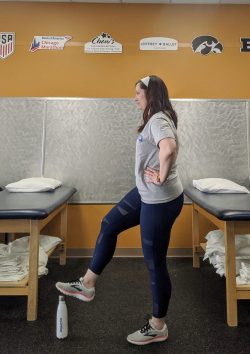
Wear and Move to Stretch Sweatpants
Best for: All fabrics, especially spandex blends.
- Put on sweatpants (they may be tight).
- Perform 10–15 squats or lunges.
- Sit with legs extended for 10 minutes.
- Walk around for 20–30 minutes.
- Repeat over 2–3 days.
Body heat and movement naturally expand fibers. Most effective after a warm shower.
Furniture-Assisted Stretching for Even Expansion
Best for: Waist or leg width.
- Drape waistband over chair back.
- Insert rolled towels or books into legs.
- Leave for several hours or overnight.
- For length: hang from waist, add weights to hems.
Gravity and pressure gently stretch fabric without risk.
Fix Specific Problem Areas
Fix a Tight Waistband
Ribbed or elastic waistbands have natural stretch but can lose elasticity.
For elastic waistbands:
1. Remove drawstring.
2. Soak waist area in warm water.
3. Stretch over ironing board edge.
4. Use a waistband stretcher tool if available.
5. Heat-set with iron (low steam) to lock in size.
For drawstring styles:
• Replace with a longer cord after stretching.
Aim for 1–3 inches of extra room—over-stretching can ruin recovery.
Lengthen Shortened Legs
Best method: Weighted hanging.
- Dampen sweatpants with spray bottle.
- Hang from waistband on a hanger.
- Attach 1–3 lbs (e.g., water bottles) to each hem.
- Let hang for 6–12 hours or overnight.
- Air dry completely.
Repeat if needed. Expect up to 2 inches of gain.
Widen Thighs and Hips
Best method: Insertion stretching.
- Dampen thigh area.
- Insert a foam block or rolled towel into each leg.
- Size should exceed current thigh width.
- Leave until fully dry (4–8 hours).
- Remove and test fit.
Work on one leg at a time for even results.
Loosen Calf and Ankle Cuffs
Best for: Tapered or rib-knit cuffs.
- Use a plastic water bottle or jar.
- Dampen cuff slightly.
- Insert bottle and push up to calf.
- Leave for 2–4 hours.
- Remove and check fit.
For ribbed cuffs, stretch by hand while damp and heat-set with iron.
Use Commercial Tools to Stretch Sweatpants

Fabric Stretching Sprays for Easier Expansion
Available at fabric stores, these sprays contain silicone or glycerin to reduce fiber friction.
How to use:
1. Spray on tight areas.
2. Wait 5–10 minutes.
3. Stretch manually or with inserts.
4. Air dry.
DIY alternative: Mix 1 cup water, 1 tbsp conditioner, and 1 tsp glycerin.
Waistband Stretchers for Consistent Results
Adjustable tools ($15–40) that expand waistbands.
Steps:
1. Dampen waistband.
2. Insert stretcher.
3. Adjust to target size.
4. Leave until dry.
5. Remove and test.
Ideal for recurring tightness.
Blocking Mats and Pins for Symmetrical Stretching
Used in knitting, these help maintain even stretch.
- Lay sweatpants on mat.
- Stretch to measurements.
- Pin edges with T-pins.
- Air dry.
Ensures symmetrical results.
Prevent Shrinkage and Maintain Stretched Fit
Wash Sweatpants the Right Way
To avoid future shrinkage:
• Use cold water (≤30°C).
• Choose gentle cycle.
• Turn inside out.
• Use mild detergent.
• Skip bleach.
Dry Without Losing Your Stretch
• Air dry flat in stretched position.
• If using a dryer, use low heat and remove while damp.
• Never over-dry—this weakens fibers.
Store Sweatpants Properly
• Fold, don’t hang (hanging stretches shoulders and waist).
• Store in a cool, dry place.
• Avoid cramming into tight drawers.
Troubleshoot Common Stretching Problems
Fabric Springs Back After Stretching
Cause: Fibers weren’t heat-set or dried improperly.
Fix: Re-soak, stretch, and dry in position. Use heat-setting for cotton.
Uneven Stretching
Cause: Inconsistent pressure.
Fix: Use blocking tools or pins to maintain symmetry.
Seam Distortion or Puckering
Cause: Over-stretching at seams.
Fix: Stretch fabric panels, not seams. Focus on areas between stitching.
Color Fading
Cause: Water too hot or harsh chemicals.
Fix: Use cooler water. Add vinegar to set colors.
Fabric Tears or Thinning
Cause: Excessive force or weak fibers.
Stop immediately. If damaged, consider tailoring or repurposing.
When to See a Professional
Tailoring for Major Size Adjustments
If DIY methods fail or you need more than 2 inches of room:
• A tailor can let out seams or add fabric panels.
• Costs: $20–50 for waist or leg adjustments.
• Best for expensive, sentimental, or lined sweatpants.
Signs You Need Expert Help
• Fabric is damaged or torn
• Elastic is broken
• Multiple attempts failed
• Complex construction (zippers, linings)
Professionals have industrial tools and expertise to modify without ruining the garment.
Frequently Asked Questions About Stretching Sweatpants
Can you permanently stretch sweatpants?
Yes, cotton and cotton-polyester blends can be permanently stretched using warm water soaks, steam, and heat-setting. Spandex blends may only offer temporary relief due to high fiber recovery.
How much can you stretch sweatpants?
Most cotton sweatpants can stretch 1–3 inches depending on fabric. Polyester blends allow 1–2 inches. Spandex blends stretch easily but snap back. Over-stretching risks seam damage.
Does hot water shrink or stretch sweatpants?
Hot water (above 40°C) can shrink cotton sweatpants. However, a controlled hot water soak (50–60°C) followed by stretching can relax fibers for expansion—use with caution.
Can you stretch sweatpants by wearing them?
Yes. Wearing damp sweatpants and moving (squats, walking) uses body heat and motion to gently stretch fibers. Most effective for spandex blends and minor tightness.
How do you stretch sweatpants without water?
Use mechanical methods: wear and move, manual pulling, furniture-assisted stretching, or steam. These work well for spot adjustments or moisture-sensitive fabrics.
Will stretching ruin the fabric?
Not if done correctly. Avoid boiling water, excessive force, or high heat on synthetics. Stretch gradually and stop if you see thinning, tearing, or seam stress.
Key Takeaways for Stretching Sweatpants Successfully
Stretching sweatpants works best on cotton-based fabrics using a combination of moisture, heat, and time. Spandex blends offer less permanent change—focus on wearing techniques. Always test methods on a small area first, and stretch gradually. With patience and the right approach, you can revive your favorite pair and extend its life by years.
For best results, follow the soak, stretch, dry, wear cycle: treat the fabric, stretch it to size, air dry in position, then wear it in. Repeat as needed. If home methods don’t work, consider professional tailoring—especially for high-value or complex garments.


