
You’ve found a pair of pants that look sharp on the rack—tailored, modern, and flattering. But after zipping them up, you’re already tugging at the waistband or feeling pressure with every step. These aren’t just minor annoyances; they’re red flags. Wearing pants that are too tight can lead to discomfort, restricted movement, and even long-term health issues like poor circulation or digestive problems. The key is knowing how to tell if pants are too tight before you commit to wearing them all day.
Thankfully, there are clear, objective signs you can check in seconds—no guesswork needed. From skin impressions and mobility tests to wrinkle patterns and pocket behavior, this guide walks you through every physical and visual clue that reveals a poor fit. Whether you’re shopping for jeans, chinos, or suit pants, you’ll learn how to spot tightness early, avoid common fitting mistakes, and choose styles that balance style with comfort. By the end, you’ll be able to assess any pair of pants with confidence—right in the fitting room.
Check for Waistband Discomfort

Watch for Skin Impressions
If your pants leave deep grooves or red lines around your waist within minutes of wearing them, they’re too tight. A well-fitted waistband should rest at your natural waistline without pressing into your skin. When the fabric digs in, it’s not just uncomfortable—it can compress your abdomen and affect digestion over time.
Persistent marks that last more than a few minutes after removing the pants are a strong indicator of excessive pressure. This is especially common in low-rise or slim-fit styles that sit below the natural waist. If you notice indentations, consider sizing up or choosing a pair with stretch.
Avoid Chafing and Bunching
Tight pants often cause chafing around the hips and inner waistband, particularly during movement. This friction can lead to irritation or even skin damage with prolonged wear. You may also see bulging fabric at the waist or hips—this happens when the material is stretched beyond capacity and starts to pucker or roll.
Bunching isn’t just a comfort issue; it signals that the pants are fighting your body’s shape. Smooth, flat fabric distribution is essential for both appearance and long-term wearability. If the waistband rides up or fabric bunches unnaturally, the fit is off.
Test Mobility and Movement
Perform the Sit-Down Test
The sit-down test is one of the most reliable ways to assess fit. After zipping up, sit in a chair. If you feel pressure on your stomach, struggle to get comfortable, or immediately want to unzip, the pants are too tight.
Sitting increases abdominal pressure, making waistband tightness more obvious. If your pants restrict you in this basic position—common in offices or restaurants—they’re not suitable for daily wear. A properly fitting pair should allow you to sit without discomfort or constant adjustment.
Walk and Bend Naturally
Move around: take steps, climb stairs, or bend over to pick something up. If you feel pulling across the thighs, seat, or crotch, the pants limit your range of motion. This pulling is often caused by narrow leg openings, insufficient thigh room, or a low-rise cut that rides up.
Even if the pants look good standing still, poor function defeats the purpose. Don’t ignore mobility issues—your clothing should support your movement, not hinder it.
Analyze Wrinkles and Fabric Tension

Identify Inward-Facing Wrinkles
Pay close attention to wrinkle direction. Inward-facing wrinkles—those that fold toward the inside of your leg—are a clear sign of tightness. They form because the fabric is under tension, stretching to accommodate your body.
These are different from natural creases at the knee. Wrinkles across the seat, thighs, or crotch mean the pants are pulling too hard. This strain not only looks unprofessional but also accelerates wear and tear in high-stress areas.
Look for Seam Strain
Inspect the seams, especially around the crotch and back pockets. If they appear stretched, puckered, or distorted, the pants are too tight. Seams should lie flat and follow your body’s contours without strain.
Stretched seams compromise durability and appearance. Once fabric loses its shape, it rarely recovers. If the stitching looks like it’s under pressure, the pants won’t last.
Use the Pinch Test at the Waist
Measure Fabric Give
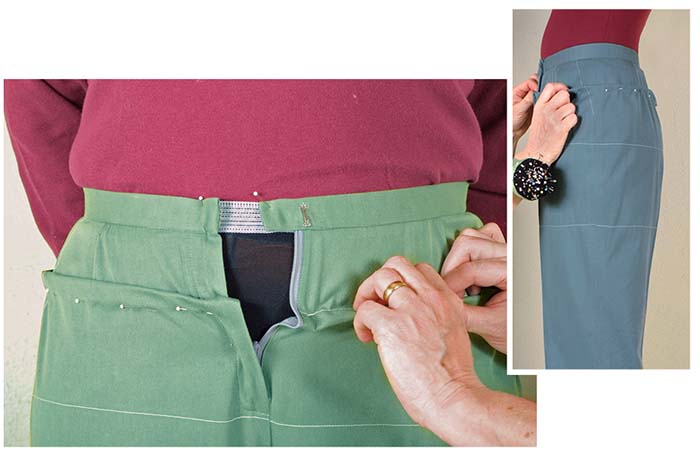
Place your fingers at the small of your back and pinch the waistband fabric. If you can’t grab any fabric, the pants are too tight. If you can pinch more than an inch, they may be too loose.
The ideal fit allows you to pinch ½ to 1 inch of fabric. This ensures the pants stay in place without squeezing. It’s a quick, objective way to confirm whether the waistband fits your body, not just the label size.
Balance Snugness and Comfort
A well-fitting pair should feel snug but not restrictive. You should be able to zip and button without straining, but not so easily that you could step into them unfastened. That’s the “robe test” in reverse—if you can slip into your pants without unzipping, they’re too loose (“baggage”). If you have to suck in to close them, they’re too tight.
Inspect Pockets for Fit Clues

Spot Visible Pocket Outlines
If you can see the shape of your phone or wallet through the front fabric, the pants are too tight. This is especially common in the thigh area, where stretched fabric reveals contents and creates an unpolished look.
Tight fabric over pockets leads to premature wear and a sloppy appearance. Well-fitted pants keep items discreet and fabric smooth.
Watch for Flaring Side Pockets
When side pockets flare outward like “ears,” it means the pants are riding up due to tightness. This distorts your silhouette and creates gaps between the pocket and your leg.
Properly fitted pants keep pockets flat and aligned with your hips. No flaring, no bulging—just clean, sharp lines.
Conduct the Fly Test
Assess Sitting Pressure on the Fly
After zipping up, sit down and notice how the fly feels. If it digs into your abdomen or causes discomfort, the pants are too constrictive. This is common in slim-fit or low-rise styles that sit below the natural waist.
Over time, tight flies can cause zippers to sag or separate, leading to embarrassing malfunctions. If you’re constantly adjusting, the fit is wrong.
Monitor Zipper Slippage
If your zipper keeps coming down throughout the day—even without movement—it’s a sign the pants are too tight at the seat and hips. The fabric pulls downward when you move, dragging the fly with it.
Frequent re-zipping isn’t just inconvenient; it indicates a fundamental fit issue that tailoring often can’t fix.
Evaluate Crotch and Ankle Fit
Fix Crotch Bunching Early
Excess fabric bunching in the crotch means the pants are too tight in the rise—the distance from front to back through the legs. This creates discomfort and unflattering wrinkles that no amount of tailoring can fully correct.
Unlike waist or length adjustments, crotch fit is hard to alter. If it feels tight or rides up (“plumber’s crack”), the pants simply don’t match your body shape.
Prevent Ankle Bunching
Pants that bunch over your shoes usually indicate incorrect length or leg width. While this often means they’re too long, it can also mean the cut is too loose at the ankle.
For a clean look, the pant leg should break slightly at the shoe or roll neatly. If it’s pooling, consider hemming—or switching to a tapered or slim-straight cut for better proportion.
Recognize Long-Term Health Risks
Avoid Digestive and Circulation Issues
Wearing tight pants regularly can lead to bloating, acid reflux, and reduced blood flow to the lower body. The waistband compresses the abdomen and may pinch nerves or restrict circulation in the legs.
Symptoms like numbness, tingling, or swelling after wearing tight pants are red flags. These aren’t just temporary—they can contribute to long-term musculoskeletal problems.
Prevent Posture and Back Pain
Tight pants can force you into an unnatural stance, shifting your pelvis forward or limiting hip movement. Over time, this alters your gait and posture, potentially leading to chronic back or hip pain.
Your clothing should support your body, not fight against it. If you find yourself walking differently or adjusting your stance, it’s time to reassess your fit.
Know When to Size Up or Change Style
Try a Larger Size or Stretch Fabric
If multiple fit tests fail—the pinch test, sit-down test, wrinkle check—it’s time to size up. Don’t assume your size is fixed; brands vary widely in cut and measurement.
Alternatively, opt for pants with 2–4% elastane or spandex for added stretch. These offer better mobility and comfort, especially for all-day wear.
Choose a Better-Fitting Cut
Not all body types suit slim or skinny fits. If you consistently struggle with tightness in the thighs or seat, try straight-leg, relaxed-fit, or modern-cut pants. These styles provide more room where you need it while maintaining a sharp appearance.
The right cut enhances both comfort and confidence. Prioritize fit over trend—well-fitted pants always look better than trendy ones that pinch.
Follow Essential Fit Rules
Apply the Six-Check Fit Standard
Use this quick checklist to confirm proper fit:
• Waistband sits comfortably at natural waist
• No red marks or skin indentations
• Full range of motion when walking, sitting, bending
• No inward-facing wrinkles or seam strain
• Pockets lie flat, no flaring or visible outlines
• Zipper stays up, no constant re-zipping needed
When all six align, you’ve found a winner.
Prioritize Neutral Colors and Tailoring
Stick to neutral tones like navy, gray, olive, or beige for maximum versatility. These pair easily with any shirt and create a polished, timeless look.
Even perfectly sized pants may need minor tailoring—hemming, waist adjustment—for a custom feel. A small investment in fit pays off in confidence and longevity.
Frequently Asked Questions About How to Tell If Pants Are Too Tight
How do I know if my pants are too tight at the waist?
If your pants leave red marks, dig into your skin, or make it hard to breathe or sit comfortably, they’re too tight at the waist. You should be able to zip and button without straining, but not so easily that you can slip into them unfastened.
What do tight pants look like when worn?
Tight pants often show inward-facing wrinkles, strained seams, flaring pockets, and visible outlines of pockets or skin. The fabric pulls across the thighs and seat, and the waistband may ride up or cause bulging.
Can tight pants cause health problems?
Yes. Regularly wearing tight pants can lead to digestive issues like bloating and acid reflux, poor circulation causing numbness or tingling, and posture problems that result in back or hip pain over time.
How much room should there be at the waist of pants?
You should be able to pinch about ½ to 1 inch of fabric at the waistband. Any less means the pants are too tight; more than an inch suggests they’re too loose.
Why does my zipper keep falling down?
If your zipper slips down frequently, the pants are likely too tight in the seat and hips. The fabric pulls downward with movement, dragging the fly with it. This is a sign of poor fit, not faulty hardware.
Should pants be tight when you first try them on?
No. Pants should feel snug but not restrictive. If you have to suck in your stomach to button them, they’re too small. A proper fit allows comfort and movement without constant adjustment.
Key Takeaways for How to Tell If Pants Are Too Tight
Knowing how to tell if pants are too tight comes down to comfort, movement, and appearance. Listen to your body—red marks, chafing, and restricted motion are clear warnings. Use simple tests like the pinch, sit-down, and fly checks to assess fit objectively.
The right pair should feel like a second skin—supportive, flexible, and invisible in its fit. When in doubt, size up, choose stretch fabric, or switch to a roomier cut. Prioritize long-term comfort and health over short-term style. Well-fitted pants don’t just look better—they let you move, breathe, and live without adjusting.


