
Tucking pants into shoes is often seen as a fashion misstep—but in reality, it’s a practical solution with clear rules. Whether you’re trudging through a foot of snow in New York City or working a construction site, tucking can protect your clothing and improve safety. The key is knowing when it’s acceptable, what footwear works best, and how to do it without looking sloppy. This guide breaks down the real-world logic behind tucking pants into shoes, backed by commuter experiences, cultural insights, and style experts.
You’ll learn the exact conditions that make tucking not just okay—but necessary. We’ll cover which boots support the look, how to fold your pants properly, and why doing it on a dry day in dress boots is a major style red flag. Whether you’re protecting $500 wool trousers or just trying to survive winter, this is your definitive guide to tucking with purpose.
When It’s Acceptable to Tuck Pants into Shoes
Tucking isn’t inherently wrong—it depends entirely on context. The debate isn’t about the act itself, but the reason behind it. In extreme weather or hazardous jobs, tucking is expected. As a fashion statement? That’s where opinions split.
For Snow, Mud, or Wet Conditions
If you’re walking through snow, mud, or slush, tucking your pants into shoes is essential. Waterlogged pants lead to salt stains, fabric damage, and ruined footwear. One commuter in NYC explained: “I currently have my suit pants tucked in Hunter’s because I had to walk a mile in a foot of snow.” In these situations, practicality overrides fashion. The rule of thumb: if you need boots, you can tuck.
During Physical Work or Outdoor Labor
On construction sites, farms, or any job with moving machinery, loose pant legs pose a tripping or entanglement hazard. Tucking prevents accidents and keeps debris out of your shoes. This isn’t about style—it’s safety. If your work requires durability and protection, tucking is not only acceptable—it’s standard practice.
In Specific Fashion Subcultures
The “hipster” aesthetic has adopted tucking as a deliberate style choice. While some mock it as the “smelly hipster” look, it’s recognized in streetwear and denim communities like StyleForum’s SW&D subforum. However, outside these circles, it can appear out of place or overly contrived. Use caution unless you’re intentionally aligning with that vibe.
Best Shoes and Boots for Tucking
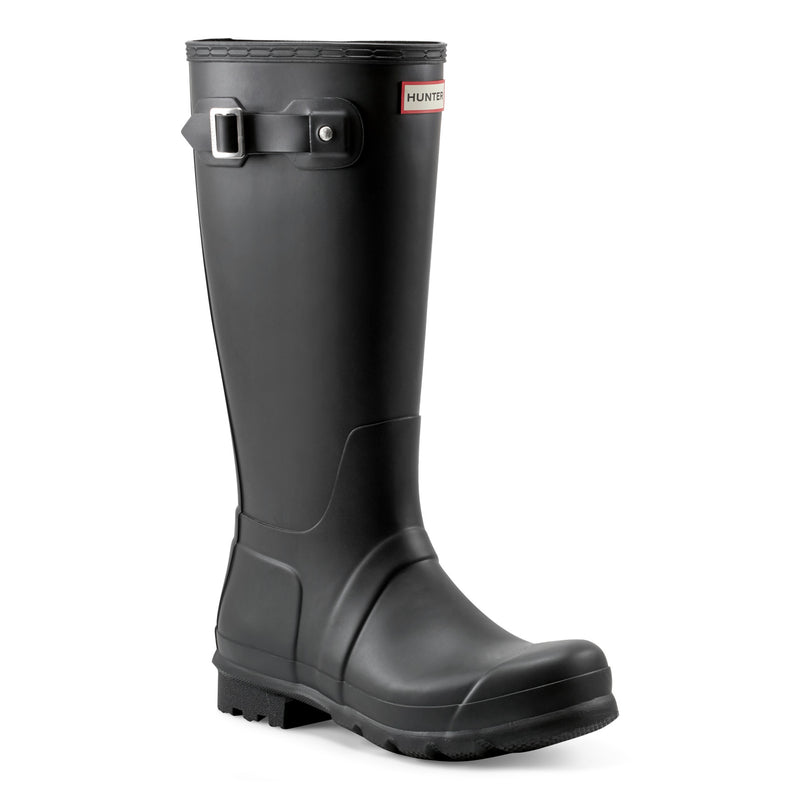
Not all footwear supports tucking. The right boot makes the difference between a clean, intentional look and a messy, awkward one. Choose styles designed for function and fit.
Wellington Boots (Wellies)
Hunter wellingtons are ideal for tucking. Their tall, waterproof design protects against snow and rain, and their wide shaft accommodates folded pant legs without bunching. Popular in urban areas, they pair surprisingly well with dress pants when commuting—especially when staying dry is the priority.
Tall Zip-Up Galoshes
Clunky 12-inch zip-up galoshes are practical for daily tucking. The zipper allows quick changes, and the height shields your pants from deep snow. These are common in high-snow regions like Syracuse, where over 100 inches of snow in a season makes protection essential.
Ugg-Style Tall Boots
Soft, tall Ugg-style boots can work for casual tucking. They’re best with slim or tapered pants to avoid bulk at the ankle. While not structured like work boots, they offer enough coverage for light snow or damp conditions.
Avoid Lace-Up Dress Boots on Dry Days
Tucking dress pants into lace-up boots when it’s dry is widely considered a fashion mistake. These boots aren’t built for tucking, and doing so distorts the pant leg, creates wrinkles, and looks out of place in professional settings. Save the tuck for weather emergencies only.
How to Tuck Pants into Shoes Properly
Tucking haphazardly looks sloppy. A neat tuck protects your pants and maintains a sharp appearance. Follow these steps for a clean, functional result.
Step 1: Choose the Right Pants
Not all pants tuck well. Opt for:
• Slim-fit or tapered trousers – They slide smoothly into boots
• Wool or synthetic blends – These resist water better than cotton
• Darker colors – Hide salt stains and minor dirt more effectively
Avoid baggy jeans or wide-leg pants—they bunch up and look unprofessional when tucked.
Step 2: Fold or Roll the Cuff Neatly
Don’t just shove the pant leg down. Instead:
1. Pull the pant leg straight down over the shoe
2. Fold the bottom edge up once (about 1 inch) to create a clean hem
3. Gently push the folded section into the boot shaft
This prevents fraying, reduces creasing, and gives a more intentional appearance.
Step 3: Adjust for Comfort and Fit
Ensure the tuck doesn’t pinch your ankle or restrict movement. The fabric should sit snug but not tight. If the boot is too narrow, consider sizing up or switching to a wider-opening style like zip-up galoshes.
Step 4: Test the Tuck While Standing
Stand up and walk a few steps. The tuck should stay in place without slipping down or puffing out. If it bulges, the pants may be too wide or the boot too small. Adjust accordingly.
Cultural and Regional Differences in Tucking
What’s acceptable in one country may be frowned upon in another. Cultural norms play a big role in how tucking is perceived.
Italy: Fashion-Forward and Accepting
In Italy, tucking even high-end wool pants into boots is more socially acceptable. A Ferragamo sales associate in Madrid recommended it, noting it’s common practice in Italy. Italian fashion often embraces bold combinations, so tucking can be seen as stylish rather than sloppy.
Spain: Proceed with Caution
The same salesperson warned: “You might actually get hit” for doing it in Madrid. This hyperbolic comment highlights that tucking is culturally sensitive. In more traditional European cities, it may be viewed as inappropriate or even provocative.
United States: Weather-Dependent Norms
In NYC and Syracuse, deep snow makes tucking a practical norm. Commuters don’t question it—they do it to protect expensive clothing. But in drier climates or milder seasons, tucking is often seen as odd unless tied to workwear or subcultural fashion.
Alternatives to Tucking Pants into Shoes
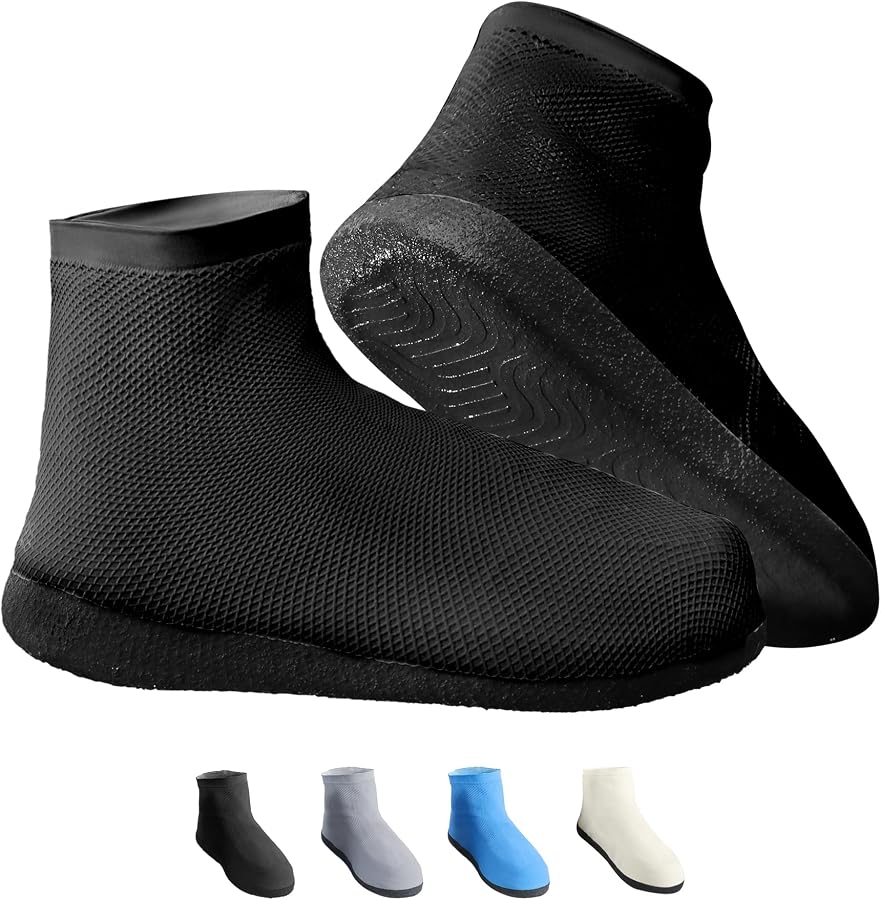
If you want to avoid tucking altogether, several smart alternatives preserve both your pants and your professional image.
Keep Extra Shoes at Work
Mr. Lee from Syracuse recommends keeping 3 pairs of dress shoes at the office. Wear rugged boots for the commute, then change upon arrival. This keeps your work clothes clean and avoids the tuck entirely.
Wear Commute-Only Pants
Some opt for less valuable pants—like “mom jeans”—during bad weather. While this avoids damage, it sacrifices style. As one user noted, “I look better than 99% of the people at my company on any given day,” proving that overall grooming matters more than one detail.
Use Waterproof Overshoes or Boot Covers
Galoshes go over regular shoes and protect them without requiring tucks. They’re discreet, easy to remove indoors, and perfect for business settings where appearance matters.
Style vs. Function: Know the Difference
The biggest mistake is confusing utility with fashion. Tucking should serve a purpose—not just be a trend.
Utility First: Protection Over Presentation
When avoiding snow, mud, or workplace hazards, tucking is never a fashion choice—it’s protection. No one criticizes a firefighter for tucking their uniform, and no commuter should be shamed for protecting their suit. If the weather demands boots, the tuck follows.
Style Second: Know Your Audience
Using tucking purely as a fashion statement remains controversial. Outside of hipster or streetwear circles, it’s often seen as trying too hard. If you’re not part of a subculture that embraces the look, wear it only when necessary.
Best Practices for Tucking Pants into Shoes
Follow these do’s and don’ts to stay functional without sacrificing dignity.
Do:
• Tuck in snowy, muddy, or wet conditions
• Use tall, waterproof boots like Wellies or galoshes
• Fold pants neatly to avoid creases
• Change into clean shoes and pants at work when possible
• Follow local cultural norms
Don’t:
• Tuck dress pants into lace-up boots on dry days
• Let bulky fabric bunch at the ankle
• Assume it’s acceptable everywhere—context matters
• Use tucking as a default style move without purpose
Frequently Asked Questions About Tucking Pants into Shoes
Is it okay to tuck pants into boots?
Yes, when it’s for practical reasons like snow, mud, or work safety. Tucking to stay dry or avoid hazards is universally acceptable. Doing it as a fashion statement is controversial and best reserved for specific subcultures.
Should I tuck dress pants into boots?
Only in bad weather. If you’re wearing Hunters or galoshes to commute through snow, tucking is fine. But avoid tucking dress pants into lace-up boots on dry days—it looks out of place and damages the pant line.
How do you tuck pants without wrinkles?
Fold the pant cuff up about 1 inch before tucking. This creates a clean edge and reduces creasing. Use slim-fit pants and boots with wide shafts to minimize friction and bunching.
Can you tuck jeans into boots?
Yes, especially slim or tapered jeans. Avoid baggy or wide-leg styles—they bunch up and look messy. Tucking jeans is common in work settings or during winter commutes.
Is tucking pants into boots a hipster trend?
It’s associated with the “hipster” aesthetic in some fashion circles. However, the look originated from utility, not style. While embraced in streetwear communities, it’s still seen as odd in mainstream or conservative environments.
Should I untuck my pants when I get inside?
Ideally, yes. If you’re at work or in a formal setting, untuck and change into dry shoes if possible. This maintains professionalism and prevents tracking in snow or mud.
Key Takeaways for Tucking Pants into Shoes
Tucking pants into shoes isn’t about breaking rules—it’s about knowing which ones apply. In a blizzard, no one cares if your suit pants are tucked; they care if you arrive dry and presentable. In a boardroom, neatness and tradition rule. The key is intentionality: tuck when it serves a purpose, not just because it looks cool.
Follow the utility test: if you need boots, you can tuck. Choose the right pants and boots, fold neatly, and respect cultural norms. When in doubt, keep a spare pair of shoes at work or use overshoes. Whether you’re navigating a foot of snow in NYC or strolling through Florence in Ferragamos, let function guide your choice—and always be ready to adapt.


