
You pull your favorite linen pants from the laundry only to find they’ve shrunk—too tight at the waist, too short in the leg, or stiff and uncomfortable. It’s a common frustration, especially since linen is sensitive to heat and improper care. The good news? You can often reverse the damage using a simple, low-cost method that relaxes the fibers and restores much of the original fit.
The most effective way to unshrink linen pants is with a lukewarm water and hair conditioner soak, followed by careful stretching while damp. This technique works because conditioner softens the rigid flax fibers, allowing them to be gently pulled back into shape. In this guide, you’ll learn how to safely restore your pants, avoid common mistakes, and decide when to try alternatives like hemming or professional tailoring. Whether your pants shrank in the wash, dryer, or after dyeing, this step-by-step plan gives you the best chance to save them.
Diagnose the Cause of Shrinkage
Why Linen Pants Shrink After Washing
Linen is made from flax fibers that are strong but inflexible when dry. Unlike stretchy synthetics, linen has minimal give—and once exposed to heat, the fibers can permanently contract. The most common causes include:
- Hot water washing, which tightens the fabric weave
- Tumble drying with heat, which sets shrinkage permanently
- Aggressive machine agitation, which stresses the fibers
- Dyeing processes, which can alter fiber structure and cause tightening
Heat is the biggest enemy. Once linen goes through a hot cycle—especially in the dryer—the fibers “lock” into a smaller form, making recovery difficult but not impossible.
Check for Fabric Blends
Not all linen pants are 100% linen. Blends react differently to shrinking and stretching:
- Linen-cotton blends: Often respond well to soaking and stretching
- Linen with viscose or rayon: May feel stiff when wet but can still benefit from conditioner treatments
- Pure linen: Less elastic, so results may be limited
Always check the care label. If your pants contain viscose, expect a different texture when wet—but don’t give up on restoration.
Set Realistic Recovery Goals
Full restoration isn’t guaranteed, but noticeable improvement is possible. Success depends on:
- How long the pants have been shrunk
- The severity of shrinkage
- Whether heat was used (especially in drying)
- The quality and weave of the fabric
Most users report better fit in waist and length, especially with multiple treatments. Think progress, not perfection.
Use the Conditioner Soak Method
This is the most effective and safest method to unshrink linen pants. Hair conditioner softens the fibers, making them pliable enough to stretch back toward their original size.
Prepare a Lukewarm Soaking Solution
Fill a clean sink or basin with lukewarm water—never hot, as heat worsens shrinkage. Add 1 to 3 tablespoons of hair conditioner (a basic, non-volumizing formula works best). Alternatively, use a gentle fabric softener.
Swirl the water to mix. The solution should look milky, coating the fabric to loosen stiffened fibers.
Soak for 30 Minutes to 3 Hours
Submerge the pants completely. Push them down gently to ensure full saturation.
- Minimum soak time: 30 minutes
- Recommended soak time: 2–3 hours (especially for stubborn shrinkage or blends)
Longer soaking allows deeper fiber relaxation. Some try overnight soaks, but watch for color bleeding or odor.
Gently Remove and Squeeze Out Water
Lift the pants slowly from the water. Do not wring, twist, or yank—this can damage the weave.
Instead, press the water out with your hands, squeezing gently along the legs and waistband. Treat the fabric like wet paper: firm but careful.
Roll in a Towel to Remove Excess Moisture
Lay the pants flat on a clean, dry towel. Roll the towel tightly around them, like a jelly roll. Press down or walk on it lightly to absorb water.
This step makes stretching easier without dripping. Unroll and move immediately to stretching.
Stretch Damp Pants to Restore Fit

Timing matters: stretch while damp, not dripping wet.
Stretch Inseam and Waist While Wearing
Put the pants on if possible. Move around—bend your knees, squat, walk in place. Your body heat and motion help fibers reposition.
If wearing isn’t practical, lay flat and stretch by hand:
- Pull the inseam downward to regain length
- Gently tug the waistband outward to restore waist size
- Hold each stretch for 1–2 minutes to let fibers reset
Repeat 2–3 times per area.
Reshape and Air-Dry Flat
Lay the pants flat on a dry towel or drying rack. Smooth them into shape—align seams, straighten legs, and ensure even length.
- Do not hang—gravity can stretch legs unevenly
- Do not use a dryer—heat reverses all progress
Let air-dry completely, away from sunlight or heat sources.
Repeat the Process if Needed
One round may not be enough. If the pants are still too tight:
- Repeat the entire soak-and-stretch process
- Increase soak time to 3 hours
- Use a bit more conditioner
Multiple treatments often yield cumulative improvement. Patience pays off.
Avoid These High-Risk Mistakes

Some popular hacks can ruin your pants. Avoid these at all costs.
Never Use a Dryer
Heat is the enemy. Even a few minutes in a dryer can permanently set shrinkage. Always air-dry linen flat.
Skip the Hot Water
Warm is okay. Hot is not. Hot water tightens fibers and makes unshrinking nearly impossible.
Don’t Wring or Twist the Fabric
This stresses the weave and can lead to pilling, thinning, or distortion. Always squeeze gently.
Avoid Hanging Wet Pants
Hanging pulls the fabric downward, stretching the legs while leaving the waist tight. The result? Sagging knees and uneven fit.
Try These Alternative Techniques
If the conditioner method gives only partial results, try these supportive strategies.
Steam Iron With a Pressing Cloth
A low-heat steam iron can help relax fibers—but with risks.
- Use steam only, not direct contact
- Place a pressing cloth between iron and fabric
- Test on an inside seam first
Steam can loosen tight areas, but too much heat locks in shrinkage. Use sparingly.
Use Wrinkle Release Spray
Spray a commercial wrinkle releaser (like Downy Wrinkle Releaser) on slightly damp pants.
- Helps relax minor tension
- Won’t fix major shrinkage
- Best used after soaking, as a finishing touch
Lightly tug the fabric while spraying for slight added stretch.
Stretch During a Cool Wash
If you catch shrinkage early, stretch the pants while damp from a cool wash.
- Gently pull the legs and waist
- Lay flat to dry in stretched position
- Less effective alone, but helpful as a follow-up
When to Hem Instead of Stretch
If stretching fails and the pants are only slightly too long, hemming might be the smarter move.
Why Hemming Is a Smart Alternative
- Gives a clean, tailored finish
- Prevents fraying with proper stitching
- Can be reversed by a tailor if you later regain size
Even if the waist is tight, a hem can salvage the look while you focus on stretching the top.
DIY vs. Professional Hemming
- DIY: Use iron-on tape or hand-stitch for a quick fix
- Tailor: Best for precision, especially with delicate weaves
For high-value or designer linen pants, professional hemming ensures quality.
Consult a Tailor for Stubborn Shrinkage
If home methods fail, a tailor may offer solutions you can’t.
What a Professional Can Do
- Assess fabric integrity
- Perform professional reshaping (if possible)
- Offer invisible mending or length adjustment
- Reconstruct seams for better fit
Some tailors use steam presses and blocking techniques not safe for home use.
When to See a Tailor
| Situation | Recommendation |
|---|---|
| Pants are expensive or sentimental | See a tailor |
| Multiple DIY attempts failed | Consult a pro |
| Fabric feels brittle or damaged | Professional assessment needed |
| Unsure about fabric content | Get expert advice |
A tailor’s evaluation costs little and could save your favorite pants.
Prevent Future Shrinkage
Once restored, protect your linen pants from shrinking again.
Wash in Cool Water on Gentle Cycle
Always use cold or lukewarm water and a gentle cycle. Avoid harsh detergents.
Air-Dry Flat Every Time
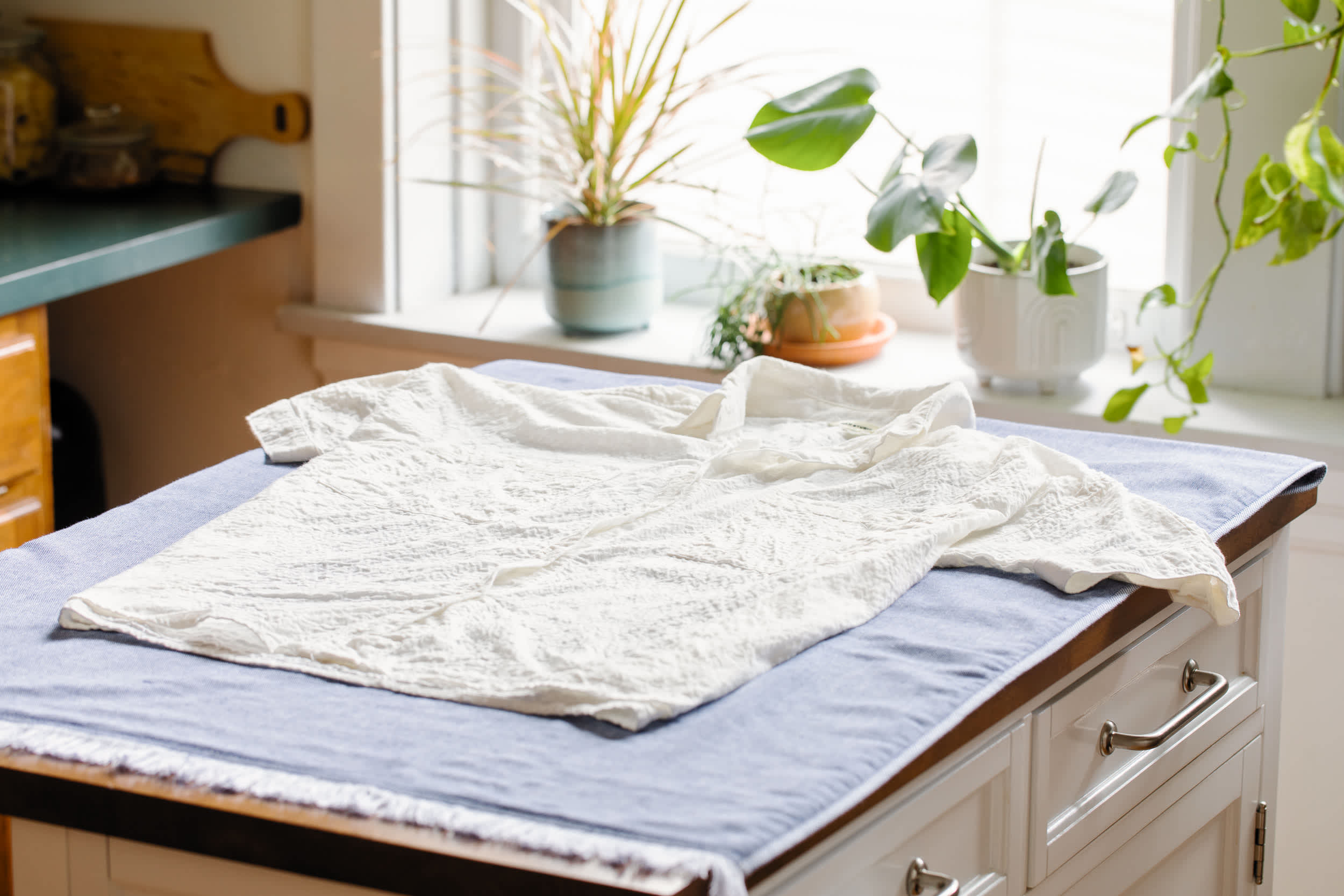
Never put linen in the dryer. Lay flat on a towel, reshaping as it dries.
Store in a Breathable Space
Hang or fold in a cool, dry place. Avoid plastic bags—linen needs to breathe.
Follow Care Label Instructions
If it says “dry clean only,” consider professional cleaning to preserve shape.
Key Takeaways for Unshrinking Linen Pants
The conditioner soak and stretch method is your best shot at restoring shrunk linen pants. Success depends on using lukewarm water, avoiding heat, and stretching while damp. Most users see noticeable improvement in waist and length, especially after multiple treatments. Be patient—linen responds slowly but can recover significantly with care.
If stretching doesn’t fully work, consider hemming for a polished look or consult a tailor for high-value garments. Prevention is key: always wash in cool water and air-dry flat. With proper care, your linen pants can stay comfortable and stylish for years.
Frequently Asked Questions About Unshrinking Linen Pants
Can you really unshrink linen pants?
Yes, you can often restore much of the original fit using a lukewarm water and conditioner soak, followed by gentle stretching while damp. While linen has limited elasticity, this method relaxes the fibers enough to regain size, especially in the waist and inseam. Full restoration isn’t guaranteed, but noticeable improvement is common.
How long should I soak linen pants to unshrink them?
Soak for at least 30 minutes, but 2–3 hours is recommended for better results. Longer soaking allows deeper fiber relaxation, especially for blends or stubborn shrinkage. Some try overnight soaks, but monitor for color bleeding or odor.
Can I use fabric softener instead of hair conditioner?
Yes, a gentle fabric softener works as a substitute. Both products soften fibers and help them become pliable for stretching. Use 1–3 tablespoons in lukewarm water. Avoid harsh chemicals or strong fragrances that could damage the fabric.
Why shouldn’t I hang linen pants to dry?
Hanging wet linen can cause uneven stretching due to gravity. The legs may stretch out while the waist stays tight, leading to sagging knees and distorted fit. Always lay flat on a towel or drying rack to maintain shape.
What if the conditioner method doesn’t work?
If stretching fails, consider hemming if the pants are only slightly too short. For high-value or sentimental pieces, consult a professional tailor. They may use steam pressing or seam reconstruction to improve fit. Multiple soak-and-stretch attempts often yield better results over time.
Can heat ever help unshrink linen?
No—heat is the enemy. Hot water or a dryer can permanently set shrinkage. Even steam ironing carries risk. If used, apply steam only with a pressing cloth and test first. Avoid direct heat at all costs.


