
Ankle pants are a modern wardrobe staple that strike the perfect balance between polished and relaxed. Designed to end at or just above the ankle, they highlight one of the slimmest parts of your leg, creating a clean, flattering silhouette. When styled correctly, ankle pants elevate your look with subtle sophistication—especially in spring and summer, when lighter fabrics and bare-ankle styling dominate men’s fashion. The key to mastering this trend lies in fit, footwear pairing, and sock strategy. Whether you’re dressing for the office, a casual outing, or a smart-casual event, knowing how to wear ankle pants confidently can transform your entire aesthetic.
In this guide, you’ll learn the exact rules for pairing ankle pants with socks and shoes, avoid common styling mistakes, and discover how to use this small but powerful detail to express your personal style. From choosing the right tapered cut to selecting socks that enhance—not ruin—your outfit, every step matters. Let’s break down how to wear ankle pants like a fashion-savvy pro.
Choose the Right Silhouette for a Sharp Look
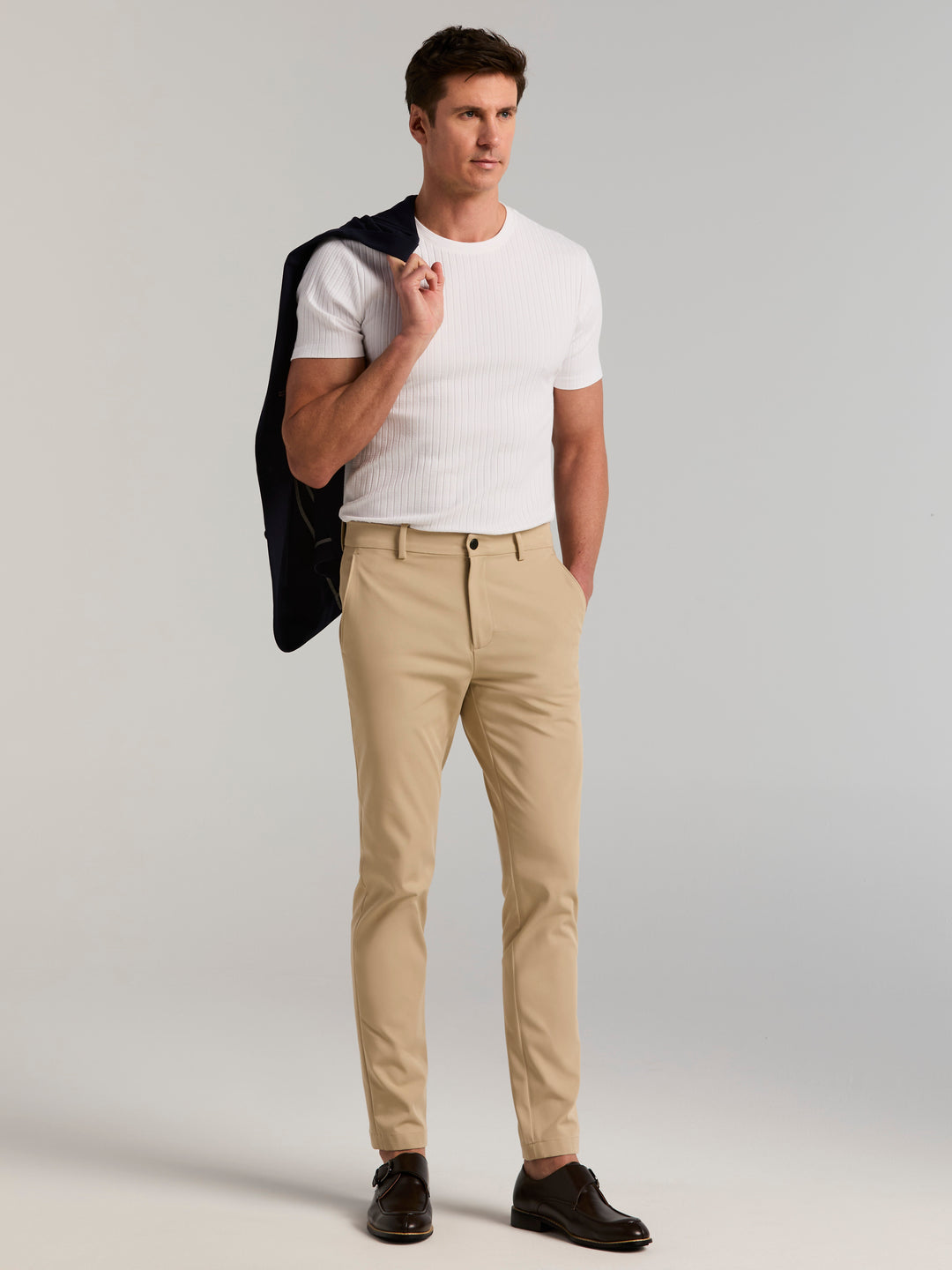
Opt for Slim Tapered Fit
A slim, tapered cut is essential for a sharp ankle pant look. This silhouette narrows gently from thigh to ankle, ending cleanly at the top of the shoe. It creates a streamlined profile that complements both casual and formal styles. Avoid baggy or overly loose cuts—these disrupt the visual flow and make legs appear shorter. A well-fitted tapered pant ensures the hem sits precisely where it should: at the ankle bone.
Tailored chinos, dress trousers, or modern cotton blends work best. The goal is a clean drape with minimal fabric pooling. If your pants bunch or drag, they’re too long or too wide. Get them hemmed if needed—this small investment pays off in daily confidence.
Avoid Wide-Leg Styles with Socks
Wide-leg ankle pants are harder to style, especially when socks are involved. The volume of the leg opening can overwhelm the foot, making the outfit look unbalanced. When paired with socks, the contrast between wide fabric and narrow ankle often results in a dowdy or sloppy appearance. If you prefer wide-leg designs, stick to barefoot-friendly footwear like loafers with no-show socks—or reserve them for sock-free settings.
Even in relaxed fashion, proportion matters. A wide leg calls for minimalist footwear and no sock exposure. Otherwise, the lower half of your body appears disjointed.
Prioritize Clean Hemlines
The pant hem should end cleanly at the ankle—no dragging, bunching, or excessive stacking. A crisp break (or no break at all) keeps the look modern. For tailored trousers, consider getting them hemmed to your exact height. This ensures consistency across different shoes and prevents an unkempt look. A sharp edge also makes sock details more intentional and stylish.
When standing, the pants should graze the top of your shoe or stop just above it. If they cover the shoe’s vamp entirely, they’re too long. If they ride high, exposing too much ankle, they may look ill-fitting. Aim for that sweet spot: a one-inch gap above the shoe.
Match Socks to Your Shoes Like a Pro
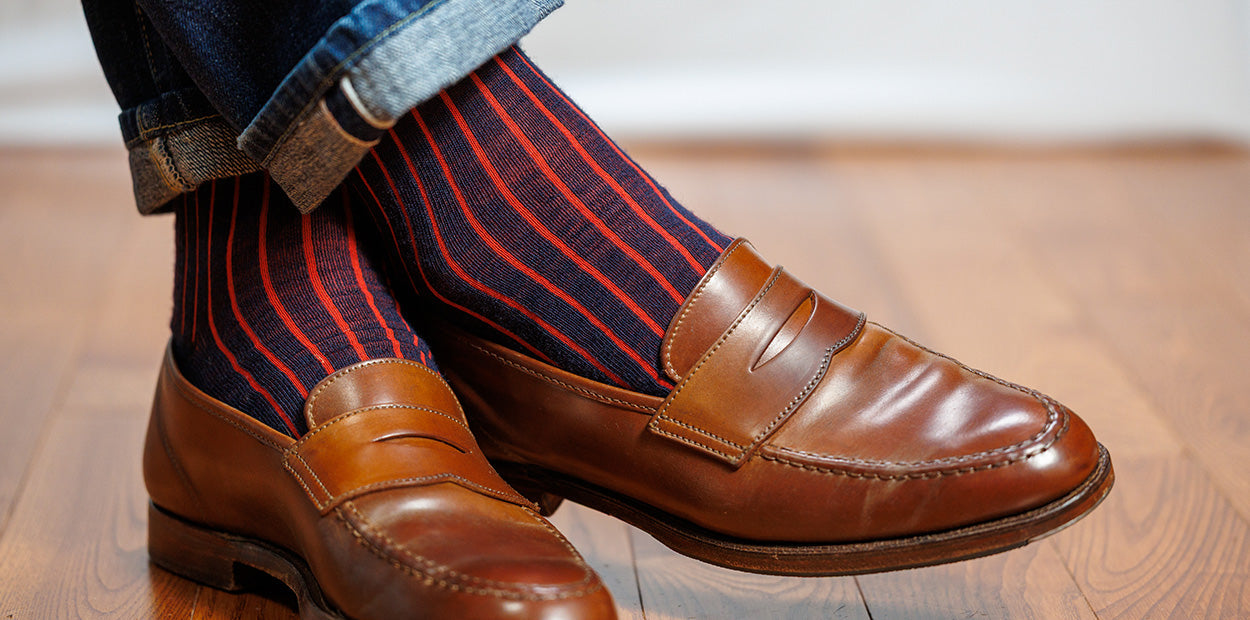
Wear Dress Socks with Leather Shoes
When wearing ankle pants with dress shoes (like oxfords, derbies, or brogues), always pair them with dress socks. These are typically made from fine cotton, merino wool, or silk and come in solid or subtly patterned designs. They should reach mid-calf to remain hidden when sitting but still show a sliver when standing. Never wear sports socks with leather shoes—they ruin the formality and look out of place.
Dress socks in navy, charcoal, burgundy, or muted patterns complement tailored looks. They add refinement without drawing attention. The key is subtlety: your socks should whisper style, not shout it.
Pair Sports Socks with Sneakers
For casual outfits with sneakers, go for sports socks—moisture-wicking, breathable, and often cushioned. These can be crew-length or low-cut, depending on the sneaker height. Ankle or low-top sneakers work best with no-show or low-cut sports socks that peek just slightly above the shoe. This adds a pop of color or texture without overwhelming the look.
Stick to white, gray, or black for neutral outfits. For bolder ensembles, match a colored sock to your shirt or cap. Just avoid thick athletic socks with slim sneakers—they create visual bulk.
Use No-Show Socks for Barefoot Style
To achieve a barefoot effect with loafers or low-top sneakers, wear no-show socks or foot covers. These sit below the ankle and stay invisible during movement. They provide hygiene and comfort while maintaining the illusion of going barefoot. Choose neutral tones (beige, gray, black) to blend with your skin or shoe color. Make sure they stay in place—slipping socks ruin the clean aesthetic.
Look for styles with silicone grips or elastic bands to prevent slippage. Test them by walking and sitting—your socks should not crawl up or disappear into your shoe.
Style the Ankle Gap Intentionally
Turn Socks into a Statement
The small gap between your pant hem and shoe is prime real estate for style expression. Use colorful, patterned, or textured socks to add personality. A bold stripe, geometric design, or contrasting hue can elevate a simple outfit instantly. Just ensure the sock color complements your shirt, shoes, or accessories to avoid clashing.
For example, navy pants with brown shoes can pair with rust-colored socks for a warm contrast. Or go monochrome: light gray pants with gray socks and white sneakers for a sleek, tonal look.
Keep Movement in Mind
Sit down and cross your legs before finalizing your outfit. If your socks ride down or become overly visible in an awkward way, adjust the length or fit. The goal is for socks to be seen intentionally when standing, not accidentally when seated. Hidden ankle bands or silicone grips help keep no-show socks in place.
Movement tests are crucial. What looks sharp in a mirror may fail in real life. Always check how your socks behave when sitting, walking, or climbing stairs.
Coordinate with Seasonal Trends
Ankle pants shine in spring and summer, when lighter fabrics like cotton, linen, and chambray are in style. Pair them with breathable socks in seasonal colors—pastels, brights, or floral patterns for summer; earth tones and deeper hues for transitional weather. This keeps your look fresh and contextually appropriate.
In winter, switch to heavier knits and darker tones, but maintain the ankle break. Wool-blend ankle pants with dark socks and Chelsea boots can extend the trend into cooler months.
Build Complete Outfits with Confidence
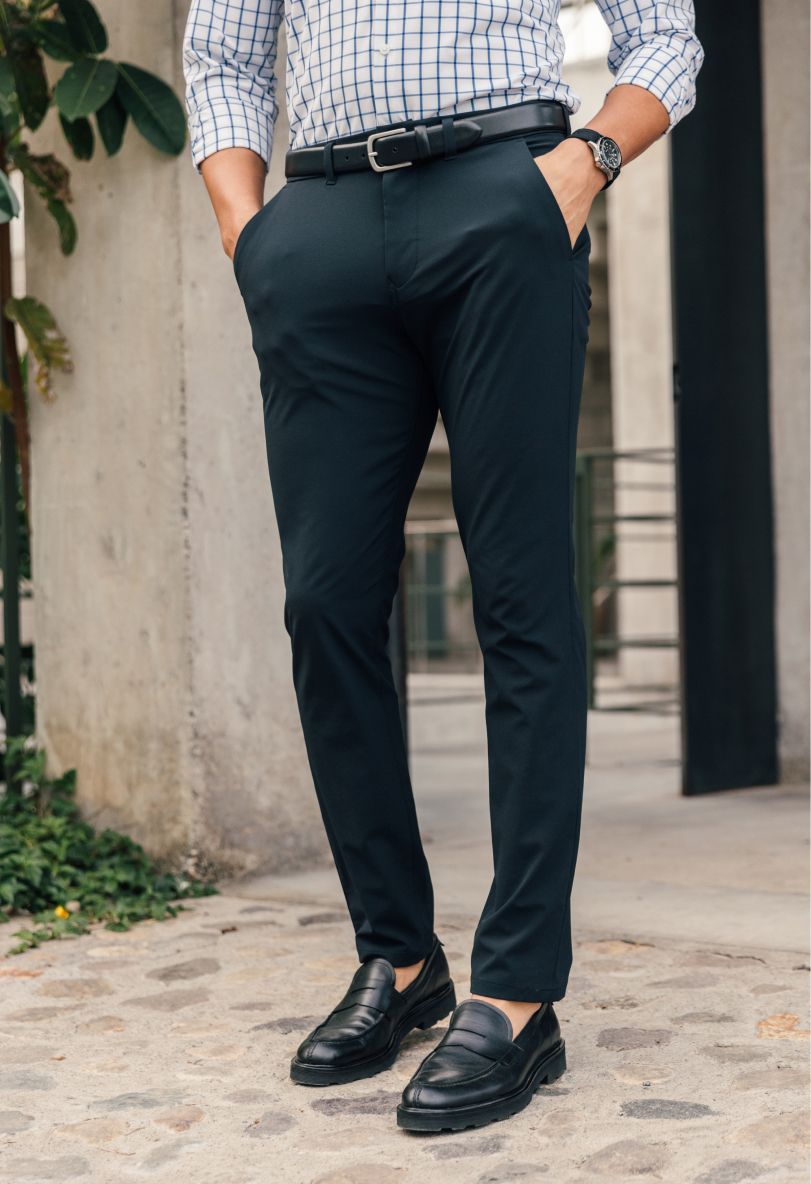
Dressy Look: Ankle Pants + Dress Shoes
For a sharp, office-ready or dinner-appropriate outfit:
• Pants: Slim navy or charcoal ankle trousers
• Shirt: Crisp white or light blue button-down
• Shoes: Black or brown leather oxfords
• Socks: Navy, burgundy, or patterned dress socks (mid-calf)
This combination exudes confidence and attention to detail. The visible sock adds a touch of flair without sacrificing professionalism.
Casual Look: Ankle Pants + Sneakers
For weekend errands or casual meetups:
• Pants: Beige or olive chino ankle pants
• Top: Plain or striped T-shirt, or a short-sleeve camp collar shirt
• Shoes: White leather sneakers or canvas shoes
• Socks: Low-cut sports socks in white, gray, or a fun color
Keep the palette balanced—let either the top or the socks be the focal point, not both.
Smart-Casual Look: Ankle Pants + Loafers
For brunch, travel, or creative workplaces:
• Pants: Gray or stone-colored tapered trousers
• Top: Light sweater, polo, or unbuttoned shirt over a T-shirt
• Shoes: Penny loafers or driving moccasins
• Socks: No-show socks or invisible foot covers
This look blends comfort and elegance. The absence of visible socks keeps it relaxed, while the clean pant line maintains polish.
Avoid Common Mistakes That Ruin the Look
Don’t Wear Sports Socks with Dress Shoes
This is a cardinal rule. Sports socks (thick, athletic, logo-heavy) clash with the refined look of leather shoes and tailored pants. They suggest a lack of coordination and can instantly downgrade your appearance. Stick to dress socks in formal or semi-formal settings.
Even a small logo or bright stripe can break the illusion of polish. When in doubt, go neutral.
Don’t Let Socks Show Excessively When Seated
If your socks climb up your calf or become highly visible when you sit, they’re too long or poorly fitted. This disrupts the clean lines ankle pants are meant to create. Test your outfit in motion—walk, sit, cross your legs—to ensure everything stays in place.
Socks should only appear when standing, and even then, just a hint. Overexposure kills the intentional aesthetic.
Don’t Pair Wide-Leg Ankle Pants with Visible Socks
As emphasized earlier, wide-leg ankle pants already draw attention to the lower leg. Adding visible socks can create visual clutter and imbalance. If you must wear wide-leg styles, go sock-free with loafers or mules, or use no-show socks that stay completely hidden.
The wider the pant leg, the more minimalist the footwear and sock strategy should be.
Key Takeaways for Styling Ankle Pants Successfully
Mastering how to wear ankle pants comes down to precision and intention. Focus on three core elements: a slim tapered fit, correct sock-to-shoe pairing, and thoughtful ankle gap styling. These details define whether your look reads as sharp or sloppy.
Always test your outfit in real-life scenarios. Sit down, walk around, and check your reflection from multiple angles. The best-dressed men aren’t just stylish—they’re practical. Invest in a few quality socks for different occasions, and don’t overlook the power of a good hem.
Your next step? Pull out your ankle pants and try one of the outfit formulas above. Start with a simple sneaker-and-chino combo, then experiment with bolder sock choices. With these rules, you’ll wear ankle pants with confidence all season long.
Frequently Asked Questions About How to Wear Ankle Pants
Should ankle pants touch the shoes?
Ankle pants should either lightly graze the top of the shoe or stop just above it—about one inch. They should not drag on the ground or create a large gap. The ideal length creates a clean break at the ankle, enhancing leg proportions without looking too short or too long.
Can I wear ankle pants with socks?
Yes, but only with the right socks. Pair dress socks with leather shoes and sports socks with sneakers. Avoid thick athletic socks with formal shoes. For a barefoot look, use no-show socks or foot covers that stay hidden.
What shoes go best with ankle pants?
The best shoes for ankle pants are loafers, oxfords, derbies, and low-top sneakers. These styles allow the ankle and sock to show without overwhelming the leg line. Avoid bulky boots or high-tops, which can shorten the leg and clash with the cropped length.
How do I stop my no-show socks from slipping?
Choose no-show socks with silicone grips or elastic ankle bands. Look for styles labeled “stay-put” or “non-slip.” Make sure they fit snugly and aren’t stretched out. Test them by walking and sitting—if they vanish into your shoe, they’re too small.
Are wide-leg ankle pants hard to style?
Yes, wide-leg ankle pants are more challenging, especially with socks. The volume at the ankle can look unbalanced and draw unflattering attention. Stick to slim tapered cuts for easier coordination, or wear wide-leg styles with sock-free footwear like loafers or mules.
Can I wear ankle pants in winter?
Yes, but choose heavier fabrics like wool blends or corduroy. Pair them with ankle boots or Chelsea boots and dark, warm socks. Keep the hem above the shoe to maintain the ankle break. This extends the trend into colder months without sacrificing style.


