
Polyester pants are a go-to for their durability, resistance to wrinkles, and long-lasting wear. But when they start feeling tight—after washing, weight changes, or a poor initial fit—many people search for ways to stretch polyester pants without ruining them. Unlike cotton or spandex, polyester is a synthetic fabric with very little natural give, making it resistant to stretching. However, by using the right combination of moisture, heat, and gentle tension, you can achieve a slight but noticeable improvement in fit—typically up to 1–3%. This guide walks you through proven, low-risk techniques to safely stretch polyester pants and restore comfort, so you can keep wearing your favorite pair.
Wet Stretching Method for Polyester Pants
The wet stretching method is the safest and most effective way to stretch polyester. Soaking the fabric helps relax the synthetic fibers, allowing for controlled reshaping without damage.
Soak in Lukewarm Water with Fabric Softener
Fill a clean basin with lukewarm water—never hot, as high temperatures can shrink or melt polyester. Add a few drops of mild detergent or fabric softener to help loosen the stiff fibers. Submerge the pants completely and let them soak for 15 to 30 minutes. Fabric softener enhances results by coating fibers and reducing resistance to stretching.
Gently Squeeze and Stretch While Damp
Remove the pants and gently squeeze out excess water. Never wring or twist, as this can distort the fabric. While still damp, begin stretching in key areas:
• For tight waist or hips: Pull horizontally from the side seams
• For short length: Stretch vertically along the inseam
• For tight thighs: Gently pull across the leg panels
Hold each stretch for 10–15 seconds, release, then repeat 2–3 times per area. Use steady, even pressure—never yank or jerk the fabric.
Secure and Air Dry to Set the New Shape
Lay the pants flat on a clean towel or hang them, using clothespins, clips, or light weights to maintain the stretched shape. For waist expansion, pin the waistband slightly open. Allow the pants to air dry completely—this locks in the new shape. Avoid hanging by the waistband alone, as it can cause sagging.
Pro Tip: Repeat the process once if needed, but avoid over-soaking or aggressive stretching to prevent fiber fatigue.
Steam Stretching Technique for Tight Polyester Areas
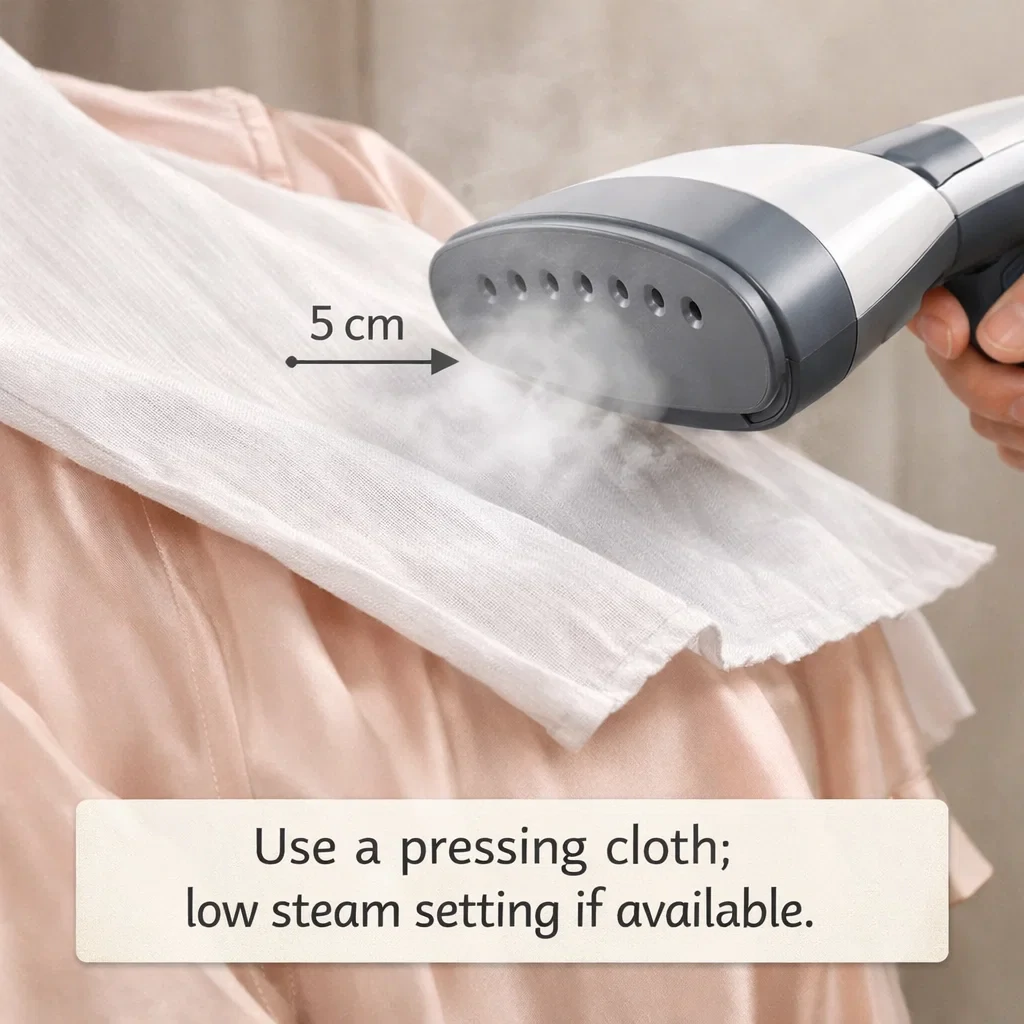
Steam takes advantage of polyester’s thermoplastic nature, temporarily softening fibers so they can be gently stretched. This method works well but requires caution to avoid melting.
Use a Steamer or Iron on Low Heat
Set a handheld steamer or iron to the synthetic or low-heat setting. Polyester melts at 250°F (121°C), so never use high heat. Hold the garment taut and apply steam to the target area. As the fabric warms, gently pull in the desired direction.
Stretch While Applying Steam in Small Sections
Work on one area at a time—like the waistband or thigh. While steaming, use your other hand to pull and hold the fabric for a few seconds. Move slowly and keep the iron or steamer in constant motion to prevent overheating.
Always Use a Pressing Cloth for Protection
Never press a dry iron directly on polyester. Always place a thin cotton cloth (like a hand towel or muslin) between the iron and fabric. This prevents shiny spots, scorching, or melting.
Warning: Test on an inside seam first. If the fabric stiffens or develops a glossy sheen, stop immediately.
Iron with Damp Cloth for Targeted Stretching
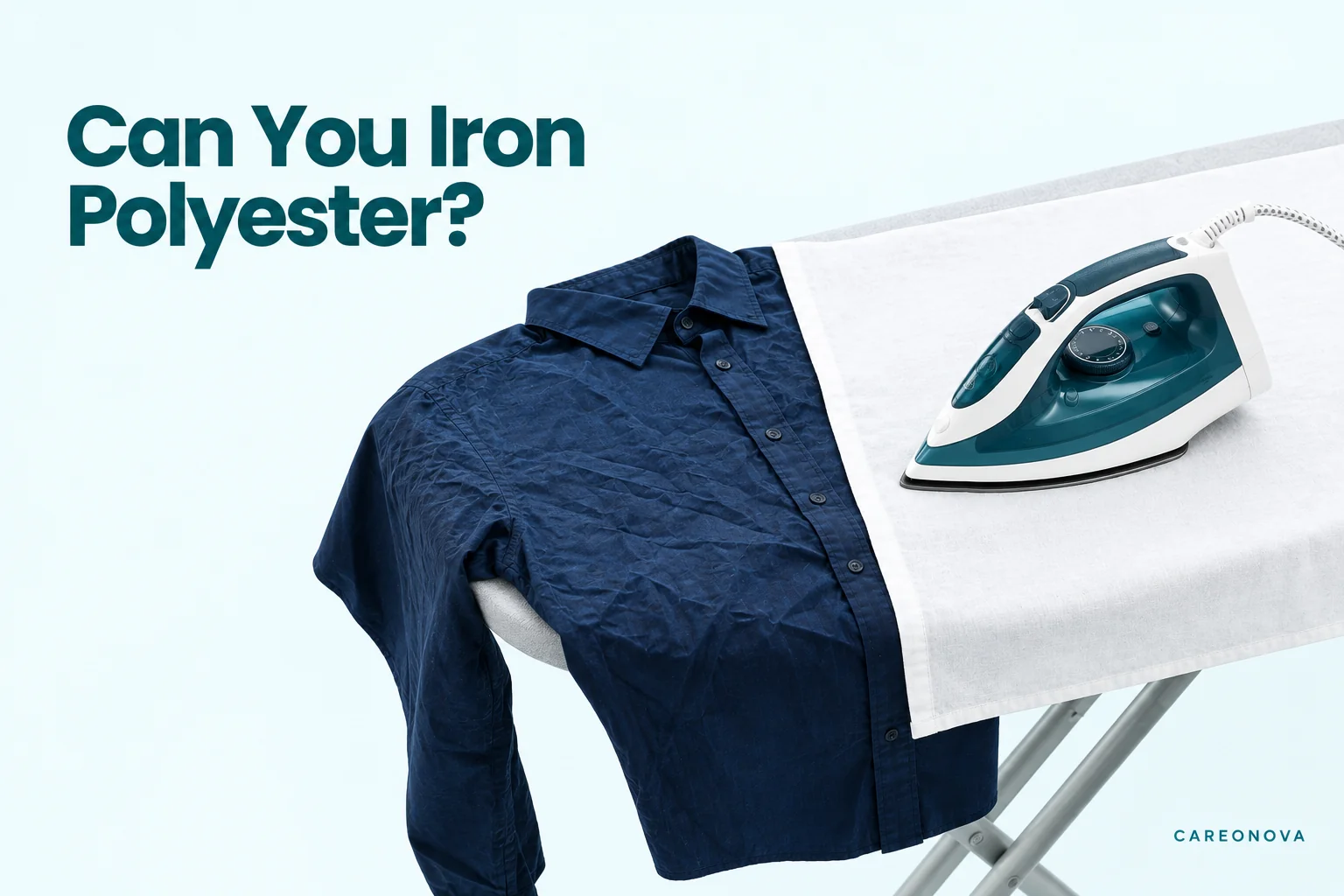
This method is ideal for minor adjustments to tight waistbands, cuffs, or seams where full soaking isn’t necessary.
Prepare a Damp Protective Barrier
Dampen a clean cotton cloth—like a hand towel—and lay it over the area you want to stretch. Set your iron to the polyester/synthetic setting (low heat only).
Press and Pull Simultaneously
Gently press the iron over the damp cloth while pulling the fabric slightly underneath. The moisture and low heat relax the fibers, allowing minor expansion. Hold the stretch for a few seconds, then release. Repeat as needed, always moving the iron to avoid heat buildup.
Best for: Small, stubborn areas that need slight loosening.
Wear Polyester Pants While Damp for Natural Reshaping
For slight tightness, wearing the pants while damp can help them conform to your body shape over time.
Soak and Squeeze Before Putting On
Soak the pants in lukewarm water for 15–20 minutes, then squeeze out excess water. Put them on while still damp.
Move and Stretch Naturally with Body Heat
Perform light movements like walking, squatting, or gentle yoga stretches. Your body heat and motion help the fibers adapt slightly as they dry. Wear for 1–2 hours, then remove and let air dry fully.
Note: Results are modest. One user reported it “worked a little, but not much.” Best used in combination with wet stretching.
Use a Garment Stretcher for Structured Polyester Pants

For stiff or tailored pants, mechanical stretchers offer consistent, hands-free expansion—especially for tight waistbands.
Insert and Expand Gradually Overnight
Lightly mist the waistband with water, then insert a plastic or foam waistband stretcher. Adjust it to apply gentle outward pressure. Leave in place overnight or for several hours.
Ideal for Heavyweight or Tailored Pants
This method works best on structured polyester pants where hand-stretching is impractical. It’s also effective for jeans with polyester blends.
Alternative: Use safety pins and a wire hanger to stretch waistband corners—though less precise.
Stretch Polyester-Spandex Blends More Easily

Pants with polyester and spandex (elastane) stretch more readily due to the elastic content.
Focus on Heat and Moisture for Elastic Recovery
Spandex responds well to heat and moisture. Use the wet or steam method, then stretch and hold. The spandex will expand more easily than pure polyester.
Avoid Overstretching to Preserve Elasticity
Even with spandex, overstretching can break elastic fibers. Stretch gradually and stop if resistance increases. These blends often recover well but lose bounce if abused.
Prevent Damage and Lock in Stretch Results
Preserving fabric integrity is just as important as the stretching process.
Never Use High Heat or Dryers
Never put polyester in a high-heat dryer or expose it to direct high heat. This can reverse stretching, shrink the fabric, or cause melting. Always air dry or use low heat if necessary.
Test Methods on Hidden Seams First
Before applying any technique, test on an inside seam. Check for discoloration, melting, or texture changes. If damage occurs, stop and consider professional help.
Secure Shape During Drying
After stretching, pin, clip, or weigh the pants to maintain the new shape as they dry. This helps “set” the fibers in their new position.
When to Consult a Tailor Instead of DIY
Some fit issues go beyond what home stretching can fix.
Seek Professional Help If
• Pants are expensive, tailored, or structured
• You need more than a 1–3% size increase
• Seams can be let out for extra room
• Waistband replacement or fabric inserts are needed
Tailors can use seam adjustments, fabric bonding, or panel inserts to resize without damaging the material—offering better, longer-lasting results.
Care Tips to Maintain Stretched Polyester Pants
Once you’ve achieved the desired fit, proper care helps preserve it.
Wash in Cold Water Only
Always wash polyester pants in cold water to prevent shrinkage. Hot water can tighten fibers and undo your stretching efforts.
Air Dry or Use Low Heat
Skip the high-heat dryer. Tumble dry on low or, better yet, air dry flat or hanging.
Store with Supportive Hangers
Hang pants on wide, padded hangers or fold them to avoid stress on seams and waistbands. Avoid prolonged exposure to heat sources like radiators.
Realistic Expectations and Final Tips for Stretching Polyester
Accept the 1–3% Stretch Limit
Polyester stretches only 1–3%—enough for comfort, not a full size change. Significant tightness likely requires tailoring, not stretching.
Combine Methods for Best Results
Start with wet stretching, then use targeted steam for stubborn areas. For waistbands, add a garment stretcher overnight. This layered approach maximizes effectiveness safely.
Avoid Common Stretching Mistakes
• ❌ Wringing the fabric – causes distortion
• ❌ Using high heat – risks melting
• ❌ Aggressive pulling – leads to pilling or permanent deformation
• ❌ Skipping the test patch – can result in irreversible damage
Final Note: Patience and gentleness win. Multiple light attempts beat one forceful pull. If in doubt, consult a tailor—especially for valuable garments. With the right approach, you can refresh the fit of your polyester pants and keep them in rotation longer.
Frequently Asked Questions About Stretching Polyester Pants
Can you really stretch 100% polyester pants?
Yes, but only slightly—typically 1–3%. Polyester has minimal elasticity, so stretching is limited. Using moisture, heat, and gentle tension can help relax fibers for minor fit improvements, but don’t expect a full size change.
Does heat help stretch polyester?
Yes, because polyester is thermoplastic, meaning heat softens the fibers temporarily. Use steam or low-heat ironing with a damp cloth to stretch safely. Never use high heat—polyester melts at 250°F (121°C).
How do you unshrink polyester pants?
Soak in lukewarm water with fabric softener for 20–30 minutes. Gently stretch the damp fabric in all directions, then secure and air dry flat. This can reverse minor shrinkage caused by heat exposure.
Can you use a dryer to stretch polyester?
No. Never use a high-heat dryer, as it can shrink or melt polyester. Always air dry or use low heat. Stretching should happen while the fabric is damp, not in the dryer.
Will stretching polyester damage the fabric?
It can, if done aggressively. Overstretching, high heat, or wringing can cause pilling, distortion, or fiber damage. Always stretch gently and test methods on hidden areas first.
Are polyester-spandex blends easier to stretch?
Yes. The spandex (elastane) content adds elasticity, making these blends much more responsive to stretching. Use the same moisture and heat methods, but stop if resistance increases to avoid breaking elastic fibers.
Key Takeaways for Stretching Polyester Pants Successfully
• Polyester stretches only 1–3%—manage expectations
• Wet stretching is the safest and most effective method
• Always use lukewarm water, low heat, and gentle tension
• Never use high heat or wring the fabric
• Test methods on hidden seams before full application
• Combine techniques for best results
• For major fit issues, consult a tailor
With patience and care, you can safely stretch polyester pants to improve comfort and extend their life. Start gentle, protect the fabric, and know when to call in a professional.


