
Chino pants are a wardrobe essential—versatile, polished, and effortlessly stylish. But no matter how premium the fabric or on-trend the color, how chino pants fit can make or break your entire look. Too loose, and you appear sloppy; too tight, and comfort vanishes. The right fit strikes a balance: clean lines, natural movement, and a silhouette that enhances your shape without restriction.
Understanding how chino pants should fit goes beyond just waist size. It’s about the harmony between five key zones: waist, seat, thigh, calf, and length. A well-fitting chino sits just right on the hips, hugs the body without clinging, and ends cleanly at the shoe. Whether you’re dressing for the office, a casual weekend, or a smart-casual event, mastering chino fit ensures you look put-together with zero effort.
This guide breaks down every aspect of chino fit using expert-backed principles, real-world diagnostics, and actionable steps—so you can shop with confidence and wear with pride.
Waist: Sit Just Above the Hip Bone
Button Closes Without Strain or Gaping
Chinos should rest just above the hip bone, not at the natural waist or low on the hips. This mid-rise position offers stability and a clean drape. If you’re constantly adjusting or needing a belt, the waist is too big. If the button pulls or digs in, it’s too small.
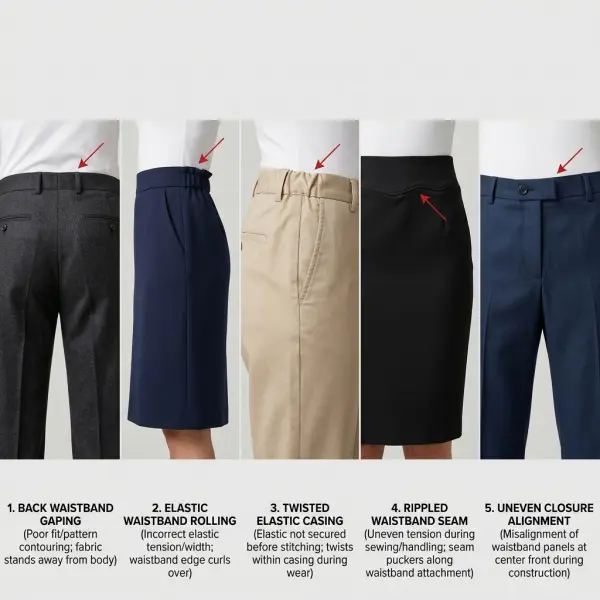
A properly fitting waist stays in place during movement—sitting, bending, walking—without slipping or pinching. The closure should feel secure but not tight, with no back gaping or front bulging.
Measure Standing for Best Accuracy
Always measure your waist while standing with an empty stomach. That’s when your waistline is narrowest. Some prefer a looser fit for comfort, but excess fabric creates a “poofy” look. Aim for snug enough to stay put, loose enough to breathe.
Pro Tip: Try the “one-finger test.” You should fit one finger between your skin and the waistband. More than that? Size down.
Seat: Snug Without Pulling or Sagging
No Wedgies or Fabric Pooling
The seat should follow your body’s shape—snug enough to avoid sagging, but not so tight it causes a wedgie or seam strain. If fabric bunches at the back, the pants are too big. If they pull when you walk, they’re too small.
This area is hard to alter. Tailors can make minor adjustments, but reshaping the seat is expensive and often ruins the pant’s structure. Your best move: get it right when you buy.
Test Fit by Walking and Sitting
Stand in front of a mirror, then walk a few steps and sit down. Watch for:
– Fabric pulling across the back
– Gaping at the waistband
– Visible tension lines
If any of these happen, the seat doesn’t fit. Size up if it’s tight; size down if it sags.
Thigh: Light Hug With 1–1.5 Inches of Fabric

Pinch Test Confirms Ideal Thigh Fit
Chinos aren’t skinny jeans. The thigh should hug lightly, allowing full range of motion. A reliable rule: you should be able to pinch 1 to 1.5 inches of fabric at the mid-thigh.
Too loose? Fabric pools at the knees, creating a baggy look. Too tight? Pockets flare, and sitting feels restrictive. Both ruin the chino’s clean line.
Check Movement and Pocket Distortion
Sit down and cross your legs. Does the fabric pull? Do the pockets lift? If yes, the thighs are too tight. If there’s excess fabric, consider sizing down or tailoring.
When in doubt, size up. Tailors can take in extra fabric, but they can’t add it back. A slightly roomier fit also preserves pocket function and comfort.
Calf: Tapered for a Streamlined Look

Choose Tapered Over Straight Leg
Tapered chinos are the modern standard. They narrow slightly from thigh to ankle, creating a balanced, proportionate silhouette. Paired with loafers, sneakers, or dress shoes, they elongate the leg and prevent a top-heavy appearance.
Straight-leg chinos can work, but they often look boxy or outdated, especially on shorter frames. If you prefer straight cuts, ensure they’re not overly wide—otherwise, they’ll overwhelm your lower half.
Avoid Flaring or Tight Cuffs
The pant leg should follow your shoe’s outline without bunching or flaring. If the cuff flares outward, the cut is too wide. If it hugs the ankle too tightly, it’s too narrow.
Budget Tip: Tapered styles save money. They require fewer alterations and look sharp right off the rack.
Length: Zero Break Is the Modern Standard
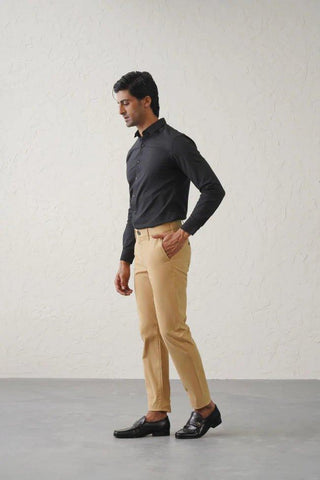
Pants Should Graze the Top of Your Shoe
Length is the most overlooked fit detail. Today’s ideal is zero break—the chino just touches the top of your shoe with no fabric folding over.
This clean finish enhances proportion, works with or without socks, and pairs perfectly with loafers, oxfords, and minimalist sneakers. It looks sharp whether you’re standing, walking, or sitting.
Fix Long Pants with Rolling or Hemming
If your chinos pool on the ground:
– Roll them temporarily (try inside-out rolling for a cleaner look)
– Tailor for permanent fix—hemming is one of the easiest and most affordable alterations
Avoid excessive stacking or multiple breaks—they add visual weight and look dated.
Visual Cue: From the side, the crease should end at the shoe’s top line, not drape over it.
Pocket Bulge: Keep the Back Smooth
Slim Wallet Prevents Visible Bump
A thick wallet in the back pocket creates a visible bulge that disrupts the chino’s clean line. This is especially noticeable in slim-fit styles or when walking.
The solution? Switch to a slim card case. It reduces bulk and keeps the silhouette smooth. Bonus: it’s harder to pickpocket.
Button Pockets for Clean Lines
Keep your back pocket buttoned. It minimizes bulge, secures your items, and maintains the pant’s intended shape. If the button strains when seated, the fit is too tight.
Do not size up just for wallet space. That compromises the entire fit. Instead, adapt your carry—choose a wallet that fits the pants, not the other way around.
Fabric Choice: Stretch vs. 100% Cotton
3% Spandex Adds Flexibility
Many modern chinos blend 97% cotton with 3% spandex for stretch. This improves mobility and comfort, especially in slim fits.
But stretch fabric can still show pocket bulge and may relax over time. Always test fit after wearing for 10–15 minutes to see how the fabric settles.
100% Cotton Offers Structure
Pure cotton chinos hold their shape better but offer less give. They may feel stiff at first but break in naturally. Ideal for classic, structured looks.
Wear Tip: Try both styles. Stretch for all-day comfort; cotton for durability and polish.
Fit Test: 7-Point Check Before Buying
Perform a Full Movement Assessment
Before purchasing, run through this checklist:
- Waist: Sits above hip bone, no belt needed
- Seat: Snug, no gaping or wedgies
- Thigh: 1–1.5 inches pinchable fabric
- Calf: Tapered, no flaring
- Length: Zero break when standing
- Movement: Walk, sit, stretch—no restriction
- Pockets: Check with wallet, both static and in motion
Take Photos for Honest Feedback
Snap pictures from front, side, and back—standing and sitting. Compare with and without wallet. This reveals issues you might miss in the mirror.
Community Tip: Post photos online for feedback. Fresh eyes catch what you overlook.
Tailoring: Fix Length, Not Seat
Hemming Is the Best Investment
Length is the easiest fix. A simple hem to achieve zero break transforms the look. Cost: typically $15–$30.
Tailors can also take in excess fabric at the thighs or waist if you sized up. But they can’t add fabric if it’s too tight.
Avoid Reshaping the Seat
Reshape the seat? Not recommended. It’s complex, expensive, and often ruins the pant’s structure. Invest in the right size from the start.
Rule of Thumb: Size up when unsure. Tailors can tighten, but not expand.
Fit Styles: Match Your Lifestyle
Style-First: Slim and Tapered
- Fitted through seat and thigh
- Sharp taper at calf
- Zero break length
- Requires slim wallet
- Best for fashion-forward looks
Comfort-First: Roomier Fit
- Slight “poofiness” accepted
- More fabric for movement
- May have slight break
- Prioritizes ease over sharp lines
Utility-First: Function Over Form
- Straight leg for mobility
- Full pocket access
- No adaptation to accessories
- Rejects “wear the pants” mindset
Bottom Line: Fit is personal. Choose based on lifestyle, not trends.
Common Fit Problems and Fixes
| Problem | Sign | Solution |
|---|---|---|
| Waist too big | Needs belt constantly | Size down |
| Waist too small | Button strains | Size up |
| Seat too tight | Wedgie, pulling | Size up |
| Seat too loose | Fabric pools | Size down |
| Thigh too loose | Pooling at knees | Size down or tailor |
| Thigh too tight | Pockets flare | Size up or let out seams |
| Calf too wide | Flaring at ankle | Choose tapered |
| Length too long | Fabric on ground | Hem or roll |
| Pocket bulge | Visible wallet bump | Slim wallet, button pocket |
Use this table as a quick diagnostic tool when shopping or assessing current chinos.
Key Takeaways for Perfect Chino Fit
5 Zones to Master
- Waist: Above hip bone, no belt
- Seat: Snug, no sagging
- Thigh: 1–1.5 inches pinchable
- Calf: Tapered, balanced
- Length: Zero break, grazes shoe
3 Must-Do Actions
- Try before you buy—sit, walk, bend
- Check pockets with wallet
- Take photos for review
2 Long-Term Wins
- Invest in quality chinos that fit from the start
- Choose tapered styles to reduce future alterations
Final Note: How chino pants fit isn’t just about measurements—it’s about movement, proportion, and confidence. The best chinos feel like they were made for you, because they follow your body without fighting it. Whether you prioritize style, comfort, or utility, use this guide to find the fit that works for your life. When in doubt: size up, tailor the length, and let your chinos elevate every outfit.
Frequently Asked Questions About Chino Fit
How high should chinos sit on your body?
Chinos should sit just above the hip bone. This mid-rise position offers stability and a clean drape. They shouldn’t rest at your natural waist or sag below your hips. A proper fit stays in place without needing a belt.
Should chinos be tight or loose?
Chinos should be snug but not tight. They should hug your body lightly—especially in the seat and thighs—without restricting movement. You should be able to pinch 1–1.5 inches of fabric at the thigh and move freely when sitting or walking.
Do chinos need to be tapered?
Tapered chinos are the modern standard and recommended for most builds. They create a balanced, streamlined silhouette that works well with loafers, sneakers, and dress shoes. Straight-leg chinos can look boxy, especially if overly wide.
How long should chinos be?
Chinos should have zero break—they should just graze the top of your shoes with no fabric folding over. This clean length enhances proportion and works with or without socks. If they’re too long, get them hemmed or roll the cuffs temporarily.
Why do my chinos bulge in the back?
Back bulge is usually caused by a thick wallet in a back pocket. Switch to a slim card case and keep the pocket buttoned to maintain a smooth silhouette. Avoid sizing up just for wallet space—it ruins the overall fit.
Can you tailor chinos easily?
Yes, but only in certain areas. Hemming for length is simple and affordable. Tailors can also take in excess fabric at the waist or thighs. However, reshaping the seat is difficult and expensive—get that right when you buy.


