
Wrinkled pants can ruin a polished outfit, but you don’t need an iron or dry cleaner to fix them. How to steam pants the right way is faster, safer, and more effective than traditional ironing—especially for suits, delicate fabrics, or last-minute touch-ups. With just a garment steamer and the right technique, you can achieve crisp creases and wrinkle-free trousers in minutes. Whether you’re using a full-size or handheld steamer, this guide walks you through every step: from proper hanging and crease formation to handling delicate materials and avoiding common mistakes.
You’ll learn how to create professional-looking results at home, why steaming beats ironing and dry cleaning, and how to maintain your steamer for long-term use. Whether you’re preparing for a job interview or freshening travel-wrinkled chinos, mastering the art of steaming ensures your pants always look sharp—without heat damage or chemical exposure.
Hang Pants Correctly Before Steaming
Secure with a Hanger and Clasp Attachment
Always hang pants on a sturdy hanger using the built-in pegs to keep legs aligned. For dress or suit trousers, attach the clasp accessory from your steamer to hold the fabric taut. This prevents shifting and ensures clean, straight creases. The clasp is essential when forming front and back crease lines—keeping the fabric stretched eliminates bunching and delivers a tailored finish.
Hold from Cuff for Fast Touch-Ups
If using a handheld steamer, flip the pants and hold them from the cuff. Let gravity help smooth the fabric as you steam from waist to hem. This method works well for quick wrinkle release before heading out. Use your free hand to gently stretch the fabric and avoid creating new creases during the process.
Test Fabric on Low Heat First
Before full steaming, test a hidden area—like an inner seam—using the LOW setting. This is critical for dark, delicate, or unknown fabrics that may react poorly to moisture or heat. If the fabric shows no damage and wrinkles relax, proceed confidently. Never skip this step with silk, wool, or embellished materials.
Fill Steamer with Distilled Water Only
Prevent Mineral Buildup with Distilled Water
Always use distilled water from the grocery store to fill your steamer. Tap water contains minerals that build up inside the unit over time, reducing steam output and potentially clogging the nozzle. Distilled water prevents scale deposits, extends your steamer’s lifespan, and avoids white residue on your pants.
Check Water Level and Heat-Up Time
Ensure the water level is between the MIN and MAX lines. Overfilling risks leaks; underfilling can cause overheating. Let the steamer heat up fully—most models take 30–60 seconds—before beginning. Never operate the steamer without water.
Create Sharp Creases on Dress Trousers
Steam Along the Front and Back Crease Lines
To achieve a sharp, professional crease, run the steamer head slowly and steadily along the front crease of each leg, from waist to hem. Apply even pressure and maintain a consistent motion. Repeat for the back crease on both legs. This technique gives suit trousers a tailored, crisp look without an iron.
Use Overlapping Strokes for Uniform Results
Move the steamer in smooth, overlapping strokes to ensure full coverage. This prevents missed spots and ensures even moisture distribution. Keep the steamer moving—never hold it in one place—to avoid soaking the fabric or creating water marks.
Steam All Four Creases for a Polished Finish
Dress pants typically have four creases: front and back on each leg. For a fully refined appearance, don’t skip the back creases. Treat each leg identically to maintain symmetry and balance in the final look.
Remove Clasp for Full-Surface Final Pass
Steam Entire Leg After Creasing
Once creases are set, remove the clasp attachment. Now steam the entire surface of each leg using broad, overlapping strokes. This final pass removes any remaining micro-wrinkles and ensures the fabric lies flat. Work from top to bottom or bottom to top, depending on how the pants are hung.
Keep Fabric Taut with Your Free Hand
Use your free hand to gently stretch the fabric taut as you steam. This improves wrinkle release and delivers a smoother finish. Avoid pulling too hard, especially on stretch or delicate fabrics, to prevent distortion.
Fix Stubborn Wrinkles in Heavy Fabrics
Slow Down for Wool, Denim, and Tweed
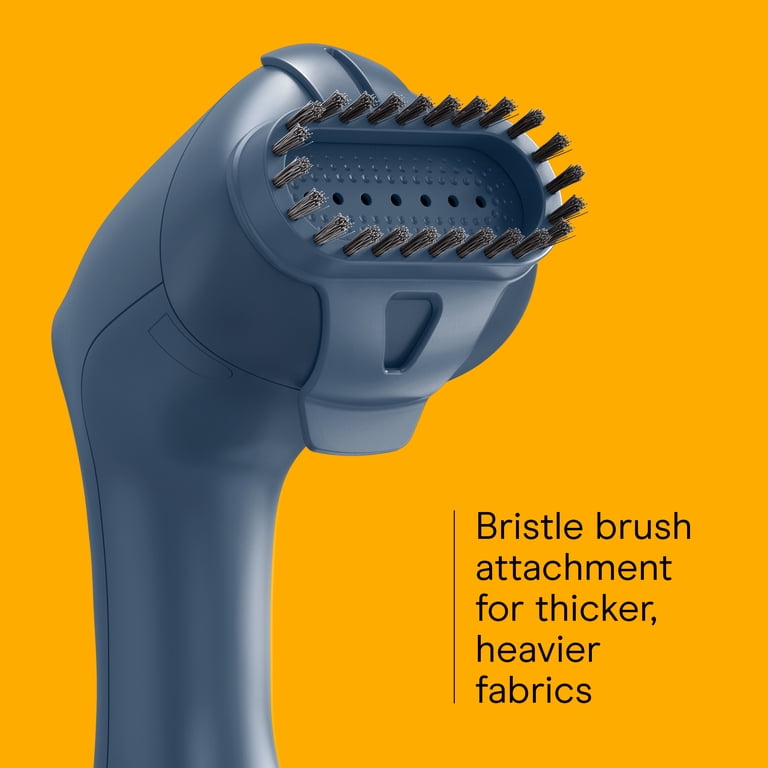
Thick fabrics like wool, denim, or tweed resist wrinkles and may need slower, repeated steaming. Pass the steamer head multiple times over tough spots, holding it slightly closer (but never touching) to increase steam penetration. Patience is key—rushing leads to incomplete results.
Use Bristle Fabric Brush for Better Penetration
Attach the bristle fabric brush to lift fibers and allow steam to penetrate deeper. This tool is ideal for suit trousers, overcoats, or winter pants. Gently brush while steaming—don’t scrub—to avoid damaging the fabric.
Use Ironing Board Only as a Last Resort
If wrinkles persist after persistent steaming, move the pants to an ironing board. Use a pressing cloth and low heat to avoid scorching. However, in most cases, proper steaming with attachments will eliminate the need for ironing.
Protect Delicate and Embellished Fabrics
Turn Beaded or Sequined Pants Inside Out
Never steam beaded, sequined, or bedazzled pants from the outside. Turn them inside out and steam only from the reverse side. This protects embellishments from heat damage, melting, or loosening. The steam will still relax wrinkles without risking decorations.
Keep Steamer 1–2 Inches Away from Delicates
For silk, rayon, or thin wool, keep the steamer 1–2 inches from the fabric. Use the LOW setting and move quickly. These fabrics can scorch or develop water spots if overexposed. Always test first and avoid direct contact.
Choose the Right Steamer and Tools
Full-Size Steamer for Best Performance
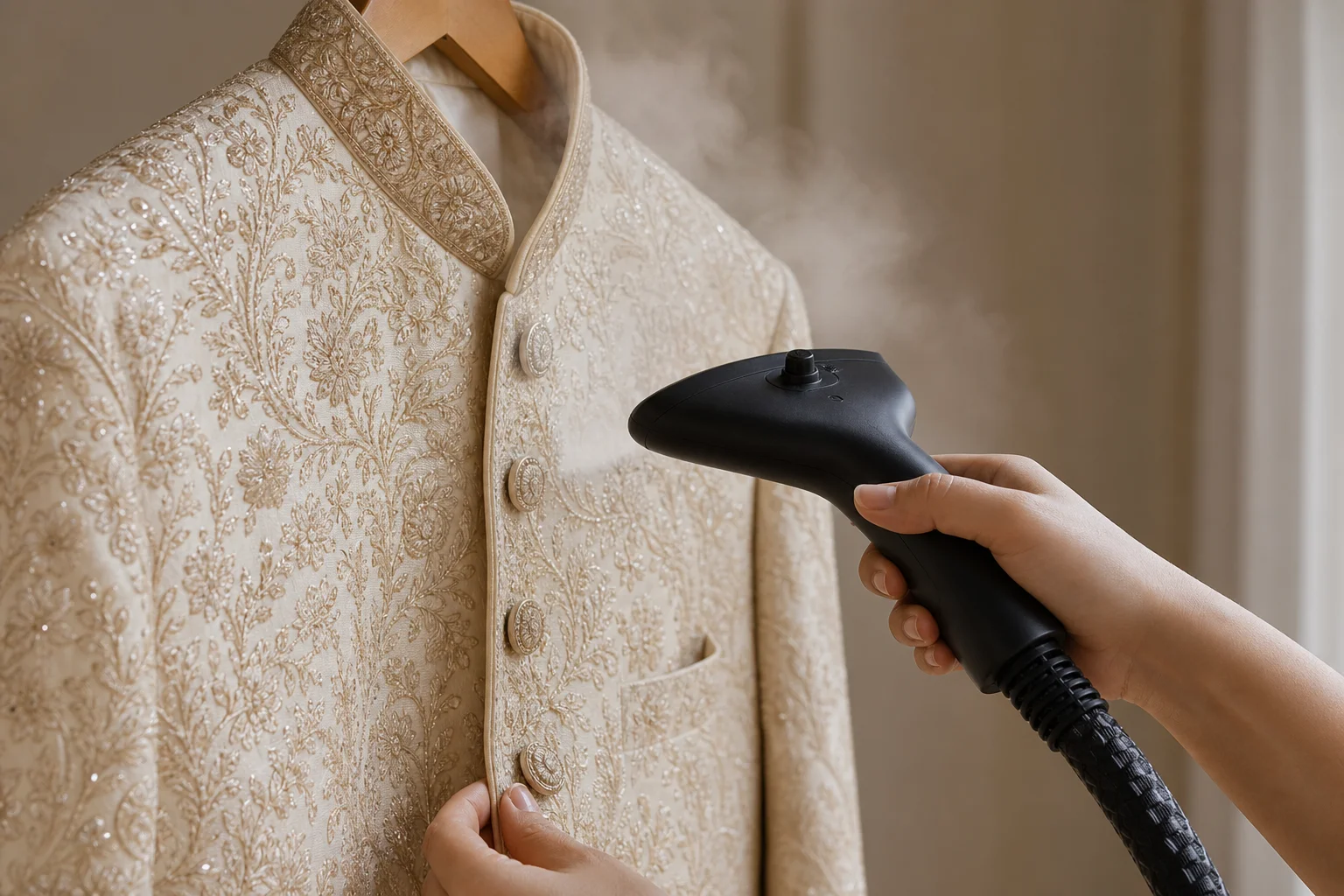
A full-size garment steamer with attachments is ideal for complete trouser care. It offers more power, larger water capacity, and tools like the clasp and bristle brush for professional results. Best for regular use and suit maintenance.
Handheld Steamer for Quick Fixes
A handheld steamer like the Supreme VacuSteam™ is perfect for fast touch-ups. Lightweight and portable, it’s great for travel or last-minute smoothing. Just hold the pants from the cuff and steam while hanging. Not ideal for sharp creases, but excellent for wrinkle release.
Know What Attachments You Need
• Clasp attachment: Holds pants taut for creasing
• Bristle fabric brush: Helps steam penetrate heavy fabrics
• No attachment: Best for final full-surface pressing
Not all steamers come with every tool—check what’s included before buying.
Why Steaming Beats Ironing and Dry Cleaning
Avoid Shiny Finish and Scorch Marks
Unlike ironing, steaming won’t leave a shiny gloss on wool or cotton. It also eliminates the risk of scorch marks from excessive heat. Steam works by relaxing fibers, not pressing them flat with heat and pressure.
Gentler on Fabric Over Time
Steaming gently restructures fabric, restoring its original shape without damaging fibers. Ironing can degrade fabric over time, especially with repeated high heat. Steaming is safer for suits, dress pants, and delicate materials.
Skip Dry Cleaning: Save Money and Time
Dry cleaning uses harsh chemicals that break down fabric and fade colors. Steaming is a chemical-free alternative that’s faster, cheaper, and more sustainable. Refresh pants at home in minutes—no drop-off or waiting.
No Ironing Board Required
One of the biggest advantages? No ironing board needed. Steam pants while they hang, saving space and setup time. Perfect for small apartments or busy mornings.
Follow the 4-Step Steaming Process
Step 1: Prepare and Hang Trousers
Hang pants on a sturdy hanger. Attach the clasp to keep legs taut. Fill steamer with distilled water and let it heat up.
Step 2: Form Sharp Creases
Run steamer slowly along front and back crease lines. Use steady, even motion. Repeat for all four creases.
Step 3: Do Final Full-Surface Pass
Remove clasp. Steam entire leg with overlapping strokes. Keep fabric taut for smooth finish.
Step 4: Inspect and Wear
Check for any missed wrinkles. Hang briefly to air out if needed. Pants are now crease-perfect and ready to wear.
Try the 30-Second Handheld Steaming Hack
Flip, Hold, and Steam for Fast Results
For a 30-second wrinkle fix, flip pants and hold from the cuff. Use a handheld steamer to glide from waist to hem. Let gravity smooth the fabric. Ideal for cotton chinos or travel-wrinkled dress pants.
Best for Last-Minute Touch-Ups
This method won’t create sharp creases, but it removes light wrinkles fast. Keep a handheld steamer in your closet or travel bag for emergencies.
Avoid Common Steaming Mistakes
Never Use Tap Water
Tap water causes mineral buildup that clogs your steamer and leaves white spots on fabric. Always use distilled water—it’s cheap and widely available.
Don’t Hold Steamer in One Spot
Keeping the steamer still can soak the fabric and create water stains. Always keep it moving in smooth, downward strokes.
Always Test First on Unknown Fabrics
Unknown fabrics can react badly to steam. Always test on a hidden area first, especially with dark or delicate materials.
Don’t Rush Heavy Fabrics
Thick wool or denim needs patience. Multiple slow passes are better than one fast attempt. Use the bristle brush for better results.
Maintain Your Steamer for Longevity
Empty Water After Each Use
Don’t leave water sitting in the reservoir. Empty it after every session to prevent stagnation and mineral deposits.
Clean Nozzle Regularly
If steam output weakens, the nozzle may be clogged. Wipe it with a damp cloth or use a pin to clear blockages. Some models have self-cleaning functions.
Store Steamer Upright
Keep your steamer upright in a dry place. Coiled cords and hanging hoses prevent kinks and extend lifespan.
Key Takeaways for Perfectly Steamed Pants
• Steam from top to bottom for consistent flow
• Use overlapping strokes to avoid missed spots
• Hold fabric taut with your free hand
• Let pants hang 1–2 minutes after steaming to settle
• Steam suit jackets with pants for a coordinated look
Steaming is faster, safer, and smarter than ironing. With the right technique, you can keep your pants looking sharp, structured, and professional—without heat damage or chemical exposure. Whether you’re prepping for a meeting or refreshing travel-wrinkled trousers, steaming delivers better results in less time.
Frequently Asked Questions About How to Steam Pants
Can you steam pants without a steamer?
No, you need a garment steamer to properly steam pants. While some try using a shower or kettle, these methods lack control and can damage fabric. A handheld or full-size steamer delivers safe, consistent steam for effective wrinkle removal.
How long does it take to steam a pair of pants?
It takes 5–10 minutes to fully steam a pair of dress trousers using a full-size steamer. Quick touch-ups with a handheld steamer take as little as 30 seconds for light wrinkles.
Can steaming shrink pants?
Steaming alone won’t shrink pants if done correctly. However, excessive heat or prolonged exposure on sensitive fabrics like wool can cause slight shrinkage. Always use the LOW setting and keep the steamer moving.
Should you steam pants inside out?
Only steam pants inside out if they have beads, sequins, or embellishments. This protects decorations from heat damage. For plain fabrics, steaming the right side is safe and effective.
Do you need to hang pants after steaming?
Yes, let pants hang for 1–2 minutes after steaming to allow moisture to evaporate and fabric to settle. This prevents new wrinkles and ensures a smooth, professional finish.
Can you use tap water in a garment steamer?
No, always use distilled water. Tap water contains minerals that build up in the steamer, reduce performance, and can leave white residue on your pants. Distilled water is inexpensive and protects your device.


