
Slime on your pants? You’re not alone. Whether it’s from a child’s craft session or an accidental brush with a goo-covered surface, slime sticks—literally. The good news: you can remove it completely if you act correctly. The key is avoiding the biggest mistake people make: using heat. Hot water or tossing the pants in the dryer too soon locks the slime in place, turning a fixable mess into a permanent stain. This guide gives you a step-by-step, proven method to get slime off pants safely—without damaging the fabric. You’ll learn how to dry, scrape, treat, and wash your way to clean clothes, plus what to do when the stain won’t budge. Follow these steps, and your pants will look like new.
Dry the Slime Completely
Before touching the stain, let the slime dry. This is non-negotiable. Wet slime spreads and seeps deeper into fabric fibers. Drying makes it brittle and easy to remove in chunks. Patience here saves time later.
Why Drying Works
Dried slime loses its sticky grip. It becomes flaky and lifts off instead of smearing. Depending on the fabric and slime type, drying can take 1–4 hours. Place pants flat in a well-ventilated area, away from sunlight or heat sources. Do not speed this up with a hairdryer or heater—heat activates slime adhesives.
Ice Hardening for Wet Slime
Can’t wait for air drying? Use ice. Place an ice cube or cold pack directly on the slime for 5–10 minutes. The cold hardens the slime instantly, mimicking the dried state. Once solid, proceed to scraping. This method is ideal for fresh spills or when time is short.
Scrape Off Excess Slime
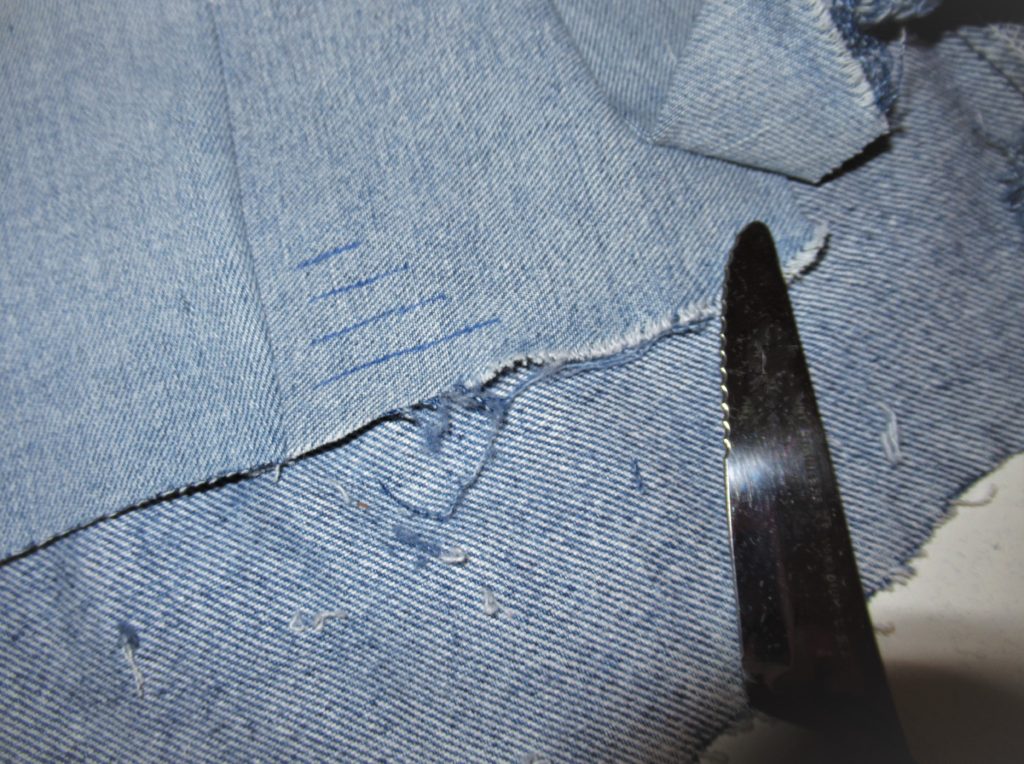
Once dry or hardened, remove as much slime as possible. This reduces the amount of residue left in the fabric, making the next steps more effective.
Use a Spoon or Butter Knife
Grab a spoon or dull butter knife. Gently scrape the surface using light pressure. Work from the edge of the slime patch inward. Lift, don’t press—pushing can grind particles deeper into the weave. For textured fabrics like denim, angle the tool to reach grooves.
Avoid Sharp Objects
Never use scissors, box cutters, or razor blades. These can cut threads and leave permanent damage. Stick to blunt tools only. If the slime resists, reapply ice rather than increasing pressure.
Rinse with Cold Water
After scraping, flush the area with cold water. This step pushes remaining particles out of the fabric instead of locking them in.
Rinse from the Backside
Hold the stained area under cold running water, but from the back. This forces slime out, not deeper in. Use a sink or showerhead. Keep water pressure low to avoid spreading. Continue for 1–2 minutes or until water runs clear.
Never Use Hot Water
Heat melts slime, activating its adhesive properties. This turns a surface stain into a bonded one. Even warm water risks setting the stain. Cold only—no exceptions.
Apply Dish Soap to Break Down Slime
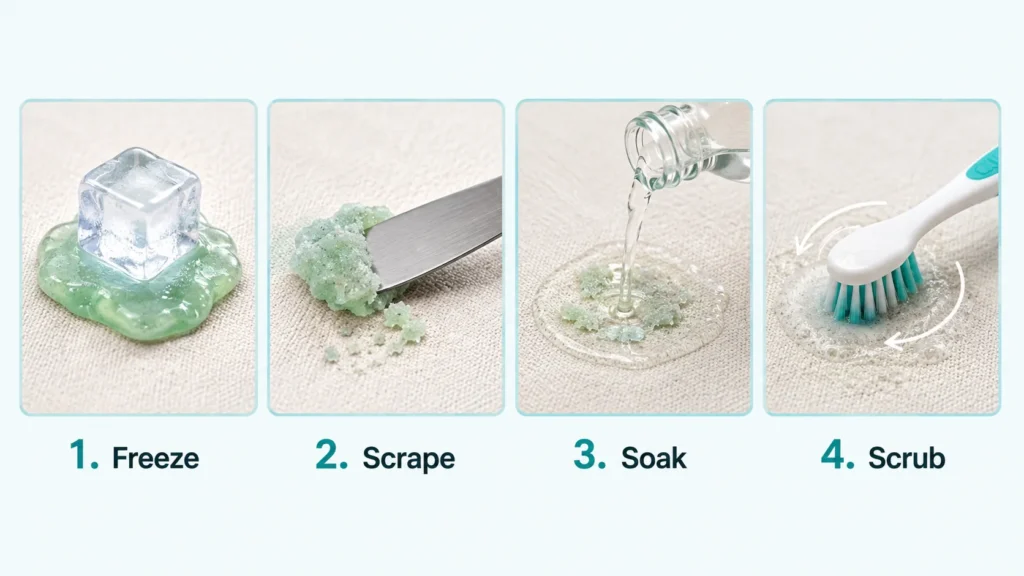
Dish soap is your best weapon. It’s designed to break down oils and sticky residues—exactly what slime is made of.
Use Dawn or Degreasing Soap
Dawn is recommended for its powerful surfactants. Apply a dime-sized drop directly to the stain. Gently rub the fabric together or use a soft toothbrush to agitate. Let it sit for 5–10 minutes. This gives the soap time to penetrate and loosen the slime.
How Dish Soap Breaks Down Slime
Slime contains polymers and oils that cling to fibers. Dish soap surrounds these molecules, breaking their bond with the fabric. The surfactants lift the residue so it can be rinsed away. This is why dish soap outperforms laundry detergent alone.
Machine Wash in Cold Water Only
Now wash the pants in the machine. Use cold water and your regular laundry detergent.
Wash Settings to Use
Set the washer to cold water, normal cycle. Add detergent as usual. The pre-treatment with dish soap does the heavy lifting—this wash removes the rest. Avoid overloading the machine so pants can move freely.
Check Before Drying
This is the most critical step. Never put the pants in the dryer until you’ve confirmed the stain is gone. Heat sets any remaining slime permanently. After washing, inspect the area. If residue remains, repeat the dish soap treatment and wash again. Air dry until the stain is fully removed.
Fix Stubborn Slime Stains on Pants

Some slime types—like glitter, butter, or magnetic slime—leave behind residue that resists standard cleaning.
Soak Overnight in Cold Soapy Water
For tough stains, soak the pants in a basin of cold water with 1–2 tablespoons of dish soap. Let it sit for 6–8 hours or overnight. Agitate occasionally. Then wash as usual. This deep soak loosens embedded particles.
Handle Glitter and Butter Slime
• Glitter slime: After drying and washing, use a lint roller or tape to pick up leftover glitter.
• Butter slime: Higher oil content means more dish soap is needed. Reapply 2–3 times before washing.
• Magnetic slime: Contains iron particles. After cleaning, check for rust spots. Treat with a rust remover if needed.
Prevent Permanent Damage to Your Pants
Avoid these common mistakes that ruin pants during slime removal.
No Heat—Ever
Never use hot water, a dryer, iron, or steamer on a slime stain. Heat is the #1 reason removal fails. Even if the stain looks gone, skip the dryer until you’re 100% sure.
Don’t Rub the Stain
Rubbing spreads slime across fibers. Always blot or dab when cleaning. Use a clean cloth to press down, lift, and repeat. This absorbs without smearing.
Test Cleaners First
Before applying any solution—especially vinegar or rubbing alcohol—test it on a hidden area like the inner seam. Some fabrics, especially synthetics or delicates, can discolor or weaken.
Clean Other Surfaces After Slime Transfer
Slime often transfers from pants to carpets, furniture, or hair. Here’s how to handle it.
Remove Slime from Carpet
- Scrape off dried slime with a spoon.
- Apply ice to harden any soft residue, then scrape again.
- Dab with cold water and a few drops of dish soap.
- Blot dry with a towel.
- Vacuum once fully dry.
Clean Upholstery Safely
- Scrape excess slime gently.
- Test dish soap solution on a hidden spot.
- Dab (don’t soak) the stain with a microfiber cloth.
- Blot with a dry cloth.
- Let air dry—no heat.
Get Slime Out of Hair
- Apply coconut, olive, or baby oil.
- Wait 5–10 minutes.
- Comb from ends to roots with a wide-tooth comb.
- Shampoo thoroughly.
- Condition to restore moisture.
Choose the Right Fabric Approach for Slime Removal
Different pants need different care. Know your fabric before treating.
Cotton and Denim
Tough and absorbent. Can handle full treatment: scraping, dish soap, cold wash. Denim may need extra scrubbing due to texture.
Synthetics (Polyester, Nylon)
More delicate. May require multiple cold soaks. Always test dish soap first—some blends react poorly.
Delicates (Silk, Wool)
Do not machine wash. Blot with cold soapy water, then take to a professional cleaner. These fabrics can shrink or lose texture.
Athletic Wear
Moisture-wicking fabrics are sensitive. Check the care label. Use minimal soap and avoid soaking. Rinse thoroughly to prevent chemical buildup.
Prevent Future Slime Stains on Pants
Stop the problem before it starts.
Create a Slime Play Zone
Designate a hard-surface area (like a kitchen table or garage floor) for slime play. Use a washable mat. Keep it away from carpets and furniture.
Dress for Mess
Have kids wear old clothes or aprons when playing with slime. Long sleeves and pants made for play reduce direct contact.
Keep Supplies Ready
Store a slime cleanup kit: dish soap, cold water spray bottle, spoons, and microfiber cloths. Quick action prevents dried-on messes.
Frequently Asked Questions About How to Get Slime Off Pants
Can you get dried slime out of pants?
Yes, dried slime is actually easier to remove than wet slime. Once dry, it becomes brittle and can be scraped off in chunks. Follow up with cold water, dish soap, and a cold wash for complete removal.
What is the fastest way to remove slime from clothing?
The fastest method is the ice-hardening technique. Apply a cold pack for 5–10 minutes, scrape off the hardened slime, then treat with dish soap and rinse with cold water. Wash immediately in cold water.
Does Dawn dish soap really work on slime stains?
Yes, Dawn is highly effective. Its degreasing formula breaks down the oils and polymers in slime. Apply directly, let sit for 10 minutes, then rinse and wash. It outperforms most laundry stain removers.
Why shouldn’t you use hot water on slime stains?
Hot water melts the slime, activating its adhesive properties. This causes it to bond permanently with fabric fibers. Always use cold water to prevent setting the stain.
What should you do if the slime stain remains after washing?
Do not dry the pants. Reapply dish soap, let it soak in cold water for several hours or overnight, then wash again. Repeat until the stain is gone. Inspect carefully before any heat exposure.
Can vinegar remove slime from pants?
Vinegar may help break down some slime components, but it’s not as reliable as dish soap. Always test on a hidden area first, as vinegar can weaken or discolor certain fabrics.
Key Takeaways for Removing Slime From Pants Safely
• Always let slime dry or use ice to harden it before scraping.
• Use a spoon or butter knife—never sharp tools.
• Rinse with cold water from the backside to push residue out.
• Apply dish soap (Dawn works best) and let it sit before washing.
• Wash in cold water and inspect before drying—heat sets stains.
If the stain persists, repeat the process or soak overnight. Prevention is key: use play zones and old clothes. With the right method, your pants can survive even the stickiest slime attack. Act fast, stay cold, and clean smart.


