
You’re bracing against a biting wind, your toes already tingling with cold—yet you’re dressed in thick jeans. What’s missing? The secret isn’t just one heavy pair of pants; it’s how to layer pants for winter effectively. Unlike bulky outerwear, smart layering traps heat without sacrificing mobility. Whether you’re hiking in sub-zero temps or commuting through a snowy city, mastering winter pant layering keeps you warm, dry, and agile. This guide breaks down the science of heat retention, fabric choices, fit essentials, and real-world combinations—so you can build the perfect cold-weather legwear system. No more frozen legs or sweaty discomfort. Just warmth that works.
This article walks you through every step of building an efficient leg layering system. You’ll learn which materials trap heat best, how to avoid moisture buildup, and what combinations work for running, hiking, or standing in the cold. We’ll also cover common mistakes, care tips, and activity-specific setups—so you stay comfortable no matter how low the thermometer drops.
Why Layering Pants Beat Single-Layer Pants
Wearing a single thick pair of pants often leads to overheating, moisture buildup, or insufficient insulation. Layering solves this by creating microclimates of warmth between garments. Each layer has a specific job: the base wicks moisture, the mid-layer insulates, and the outer layer protects. Together, they adapt to changing conditions—something rigid denim or cotton sweatpants can’t do.
How Layering Traps Heat Efficiently
Your body heats the air between layers, and snug-fitting fabrics prevent that warm air from escaping. Think of it like a thermos: the vacuum seal holds heat. In pants, a tight base layer holds warmth close to the skin, while looser outer layers add insulation without compressing the warm air pockets. This system outperforms even heavy single-layer pants in extreme cold.
Avoiding Moisture Buildup in Cold Weather
Sweat is a silent enemy in winter. Wet fabric conducts heat away from your body 25 times faster than dry fabric. Base layers made of moisture-wicking materials pull sweat away before you feel damp. Without this, you risk chilling rapidly during rest periods—especially after exertion like shoveling snow or skiing.
Choose the Right Base Layer Material

The foundation of any winter pant system is the base layer. It sits against your skin and manages moisture and initial warmth. Choosing the wrong fabric can sabotage your entire setup.
Merino Wool vs Synthetic Fabrics
Merino wool is a top-tier choice for base layers. It naturally regulates temperature, resists odor, and wicks moisture even when wet. It’s soft, non-itchy, and performs well in both dry and damp conditions. However, it’s pricier and slower to dry than synthetics.
Synthetic fabrics like polyester or nylon are affordable, quick-drying, and highly effective at wicking sweat. They’re ideal for high-intensity activities like running or snowshoeing. However, they can retain odors over time and lack the natural temperature regulation of wool.
• Merino excels in multi-day outdoor trips due to odor resistance
• Synthetics are better for short bursts of activity and frequent washing
• Both outperform cotton and should be your go-to choices
Pro Tip: For extreme cold or multi-day trips, merino wool base layers are worth the investment. For short commutes or gym sessions, synthetics offer great value.
Avoid Cotton at All Costs
Cotton is a winter hazard. It absorbs moisture and holds it, leaving you damp and cold. Once wet, cotton loses all insulating properties. Never wear cotton long johns or sweatpants as a base layer in freezing conditions. The phrase “cotton kills” isn’t an exaggeration in outdoor safety circles.
Pick the Correct Base Layer Fit
Fit is just as important as fabric. A poorly fitting base layer compromises warmth, comfort, and performance.
Snug but Not Restrictive
Base layers should fit like a second skin—close enough to wick moisture efficiently but not so tight they cut off circulation. Look for four-way stretch fabrics that move with your body. If you can pinch more than an inch of fabric on your thigh, it’s too loose.
Seamless Designs Prevent Chafing
Seams in high-friction areas (inner thighs, waistband) can cause irritation, especially under outer layers. Opt for flatlock or seamless construction to reduce rubbing during walking, skiing, or climbing.
Add a Mid-Layer for Extra Insulation
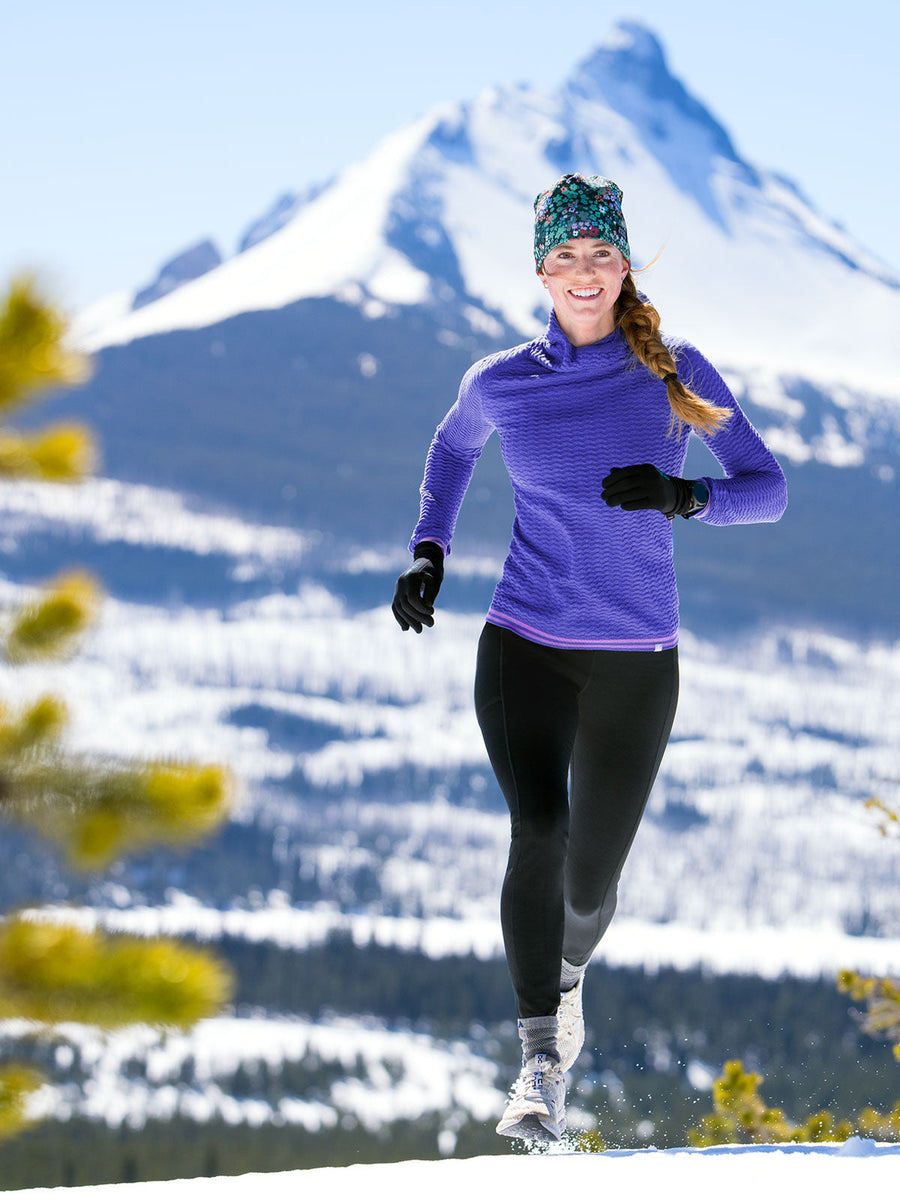
Not all conditions require a mid-layer, but when temperatures drop below freezing or wind chill kicks in, adding one boosts warmth significantly.
Fleece-Lined Leggings or Thermal Pants
Fleece-lined leggings are lightweight and provide excellent insulation. They’re ideal under snow pants or workwear. Polar fleece retains warmth even when wet and dries quickly. Look for mid-weight fleece (200–300 grams) for balanced warmth and breathability.
When to Use Down or Synthetic Insulated Pants
For static activities in extreme cold—like ice fishing or winter camping—insulated pants add serious warmth. Down offers the best warmth-to-weight ratio but loses insulation when wet. Synthetic insulation (like PrimaLoft) performs better in damp conditions and is easier to care for.
Rule of Thumb: Use insulated pants only as an outer or mid-layer when you’re not moving much. During activity, they can cause overheating.
Select a Windproof and Water-Resistant Outer Layer

The outer layer protects you from the elements. It should be durable, breathable, and allow freedom of movement.
Softshell vs Hardshell Pants
• Softshell pants are flexible, breathable, and water-resistant. Ideal for active use like hiking or snowshoeing. They block wind and shed light snow but aren’t fully waterproof.
• Hardshell pants are fully waterproof and highly windproof. Best for heavy snow, sleet, or prolonged exposure. However, they’re less breathable and can trap moisture if not vented properly.
Features to Look For
• Zippered vents on the thighs help release heat during exertion.
• Adjustable cuffs seal out snow and drafts.
• Reinforced knees and seat increase durability for outdoor work or play.
Match Layers to Your Activity Level
Your movement dictates how many layers you need. The more active you are, the less insulation you require—and the more critical breathability becomes.
High-Intensity Activities (Running, Skiing, Shoveling)
• Base layer only: Lightweight merino or synthetic tights.
• Outer layer: Windproof softshell or breathable ski pants with vents.
• Avoid mid-layers unless temps are below 20°F (-7°C).
Overdressing leads to sweating, which cools rapidly when you stop. Stay slightly cool at the start—you’ll warm up quickly.
Low-Intensity or Static Activities (Commuting, Ice Fishing, Standing Outside)
• Base layer: Mid-weight merino or thermal synthetic.
• Mid-layer: Fleece pants or insulated thermal wear.
• Outer layer: Waterproof snow pants or insulated work pants.
These activities don’t generate much body heat, so extra insulation is essential.
Layering for Kids and Special Needs
Children lose heat faster than adults due to their higher surface-area-to-body-mass ratio. They also struggle to communicate discomfort.
Dress Kids in One Extra Layer
A good rule: add one more layer than an adult wears. For example, if you’re wearing base + outer, a child should wear base + mid + outer. Use fleece-lined tights under snow pants and avoid bulky socks that restrict boot fit.
Consider Mobility and Comfort
For elderly users or those with mobility issues, choose easy-on/easy-off designs with stretchy waistbands and minimal seams. Soft, non-restrictive fabrics prevent discomfort while still providing warmth.
Common Layering Mistakes to Avoid
Even experienced outdoorspeople make these errors—don’t let them ruin your winter comfort.
Wearing Too Many Tight Layers
Compression isn’t insulation. Squeezing multiple tight layers cuts off circulation and reduces warmth. Only the base layer should be snug. Mid and outer layers should allow airflow and movement.
Ignoring the Feet and Waist Seal
Cold air sneaks in at the ankles and waist. Tuck base layers into warm socks and ensure outer pants cover your boots. Use gaiters in deep snow to block slush and wind.
Layering Without Ventilation Options
If your outer pants lack vents, you can’t regulate temperature. Always choose pants with pit zips or thigh zips—or plan to remove a layer before overheating.
Real-World Winter Layering Combos
Here are proven combinations for different scenarios.
Urban Commute (20–35°F / -7 to 2°C)
• Base: Merino wool long johns
• Outer: Water-resistant chinos or softshell pants
• Bonus: Add thin thermal socks and insulated boots
This combo looks professional while keeping legs warm and dry.
Winter Hiking (10–25°F / -12 to -4°C)
• Base: Synthetic moisture-wicking tights
• Mid: Fleece-lined leggings
• Outer: Ventilated softshell hiking pants
Use zippered vents on ascents; close them during breaks.
Extreme Cold Camping (-10 to 10°F / -23 to -12°C)
• Base: Mid-weight merino wool
• Mid: Down-insulated pants
• Outer: Heavy-duty hardshell snow pants
Wear only the base layer inside the sleeping bag to avoid moisture transfer.
Care and Maintenance of Layered Pants
Proper care extends the life and performance of your layers.
Washing Base Layers Correctly
• Wash in cold water with mild detergent.
• Avoid fabric softeners—they clog moisture-wicking fibers.
• Air dry or use low heat to preserve elasticity.
Storing Insulated Pants
Never compress down pants long-term. Store them loosely in a large cotton sack to maintain loft. Synthetic layers can be folded but avoid damp storage to prevent mildew.
Key Takeaways for How to Layer Pants for Winter
• The right layering system uses moisture-wicking base layers, insulating mid-layers, and protective outer shells.
• Avoid cotton and overly tight fits to prevent heat loss and discomfort.
• Match your layers to your activity level—less insulation for high exertion, more for static situations.
Test your setup at home before heading out. If you’re too warm indoors, you’ll overheat outside. Always carry a packable mid-layer in case temperatures drop unexpectedly.
Frequently Asked Questions About How to Layer Pants for Winter
What is the best base layer material for winter pants?
Merino wool and synthetic fabrics like polyester are the best choices. They wick moisture, regulate temperature, and retain warmth even when damp. Merino offers superior odor resistance; synthetics dry faster and are more affordable.
Can I wear jeans as an outer layer in winter?
Jeans can work in mild cold if layered over a thermal base, but they offer poor wind and water resistance. For wet or windy conditions, replace them with softshell or waterproof pants for better protection and breathability.
How do I stop cold air from entering at the ankles?
Tuck your base and mid-layers into warm, tall socks and wear outer pants that extend over your boots. Use gaiters in deep snow or slush to seal the gap and block wind.
Should I wear long underwear under snow pants?
Yes. Snow pants protect from wind and moisture but aren’t enough alone. Always wear a moisture-wicking base layer underneath. Add a mid-layer if temperatures are below freezing or you’ll be inactive.
Can I layer leggings under regular pants for winter?
Yes. Fleece-lined or thermal leggings add warmth under jeans, chinos, or joggers. Choose snug, non-bulky styles so your outer pants fit comfortably and allow movement.
How many layers of pants should I wear in freezing weather?
Most people need two to three layers in freezing weather:
• Base layer (thermal long johns)
• Optional mid-layer (fleece pants)
• Outer layer (water-resistant or insulated pants)
Adjust based on activity level and wind chill.


