
You’ve invested in a sharp suit, but if your pants don’t fit right, the whole look falters. Too tight, and you’re stiff and uncomfortable. Too loose, and you look sloppy. So how tight should suit pants be? The answer isn’t about squeezing into a smaller size—it’s about balance. Your suit pants should feel secure at the waist, skim your thighs without clinging, and taper cleanly to your shoes. This guide breaks down the exact fit standards—from the two-finger rule to the ideal break—so you can achieve a polished, proportionate silhouette that moves with you.
Whether you’re buying off-the-rack, renting for a wedding, or investing in custom tailoring, you’ll learn how to spot a perfect fit, avoid common mistakes, and make smart adjustments. We’ll cover waist tightness, seat and thigh fit, leg taper, and how to match your pants to your shoes for a balanced, modern look.
Waist Fit: Snug But Not Restrictive

Two-Finger Rule for a Secure Waistband
The most reliable test for waist tightness is the two-finger rule: you should be able to fit two fingers comfortably between your body and the waistband. This ensures the pants stay in place without digging in. If you can’t fit two fingers, they’re too tight. If three or more fit easily, they’re too loose. This rule applies whether you wear a belt or suspenders and works across all body types. The goal is a snug fit that doesn’t restrict breathing or movement.
Natural Waist Position for a Clean Silhouette
Suit pants should sit at or just below the navel—not on the hips like jeans. This higher position supports better posture and creates a cleaner drape. Tuxedo pants go even higher, fitting at the natural waist (above the belly button), and typically lack belt loops. The waistband should feel secure but not tight, allowing you to sit and stand without constant adjustment. If the pants slide down, they’re too loose. If they leave red marks, they’re too tight.
Warning Signs of a Poor Waist Fit
If your pants pull diagonally from the front pockets, the waist is too tight. If fabric bunches at the hips or the waistband rides up when you sit, they’re too loose. A waistband that constantly slips down means the pants don’t fit, even if they button. These visual cues ruin the clean lines of your suit. Remember: no slide, no flare—the pants should stay up without distorting your shape.
Seat and Thigh Fit: Tailored, Not Tight

Light Contact in the Seat for a Clean Drape
The back of the pants should lightly touch your body—no gaps, no pulling. If the fabric sags or forms horizontal wrinkles, the seat is too loose. If it stretches tightly across your back or creates tension lines, it’s too tight. A well-fitted seat moves with you, maintaining a smooth line whether you’re standing or sitting. This is especially important for sitting through meetings or long events.
Soft Skimming Fit Through the Thighs
The ideal thigh fit is soft skimming—the fabric gently follows your leg’s contour without clinging. You should be able to walk, sit, and cross your legs without strain. If the pants feel tight when you move or create vertical creases, they’re too snug. If they bag or wrinkle, they’re too loose. Avoid pants that are tight in the thigh but wide at the calf—they create an unintentional bell-bottom effect that looks outdated and throws off your proportions.
Maintain the Inverted Triangle Shape
Modern suit pants should follow an inverted triangle shape: snug through the thigh, gradually tapering from the knee to the ankle. Even relaxed-fit pants need a slight taper to avoid overwhelming your frame. This clean line keeps your silhouette balanced and modern. A straight leg that’s tight in the thigh but wide at the calf disrupts proportion and makes legs appear shorter.
Leg Taper and Proportion: Matching Pants to Shoes
Taper Begins at the Knee for a Streamlined Look
A well-fitted suit pant narrows from the knee down, creating a sleek, tailored appearance. Slim-fit pants have a more dramatic taper; classic fits have a subtler one. The leg opening should be wide enough to drape cleanly over your shoes but not so wide that it flares. This taper prevents the pants from looking boxy and keeps your lower half balanced.
Match Pant Width to Shoe Style
Proportion is key. Slim shoes—like Italian loafers or dress sneakers—pair best with slim, tapered pants and a no-break or slight break. Heavier shoes, such as Goodyear-welt oxfords or Allen Edmonds, need slightly wider legs to avoid making your feet look disproportionate. If your pants are too tight and your shoes too bulky, the imbalance distracts from your outfit. Always consider how your pants and shoes work together.
Easy Taper Adjustments for a Custom Fit
Tapering is one of the easiest and most affordable tailoring jobs—usually $15–$20. If your pants are too wide at the ankle, a tailor can narrow them for a cleaner look. But don’t try to fix waist or thigh fit yourself; those alterations are complex and can ruin the fabric. Focus on getting the top half right first, then tailor the legs.
The Break: How Pants Drape Over Shoes
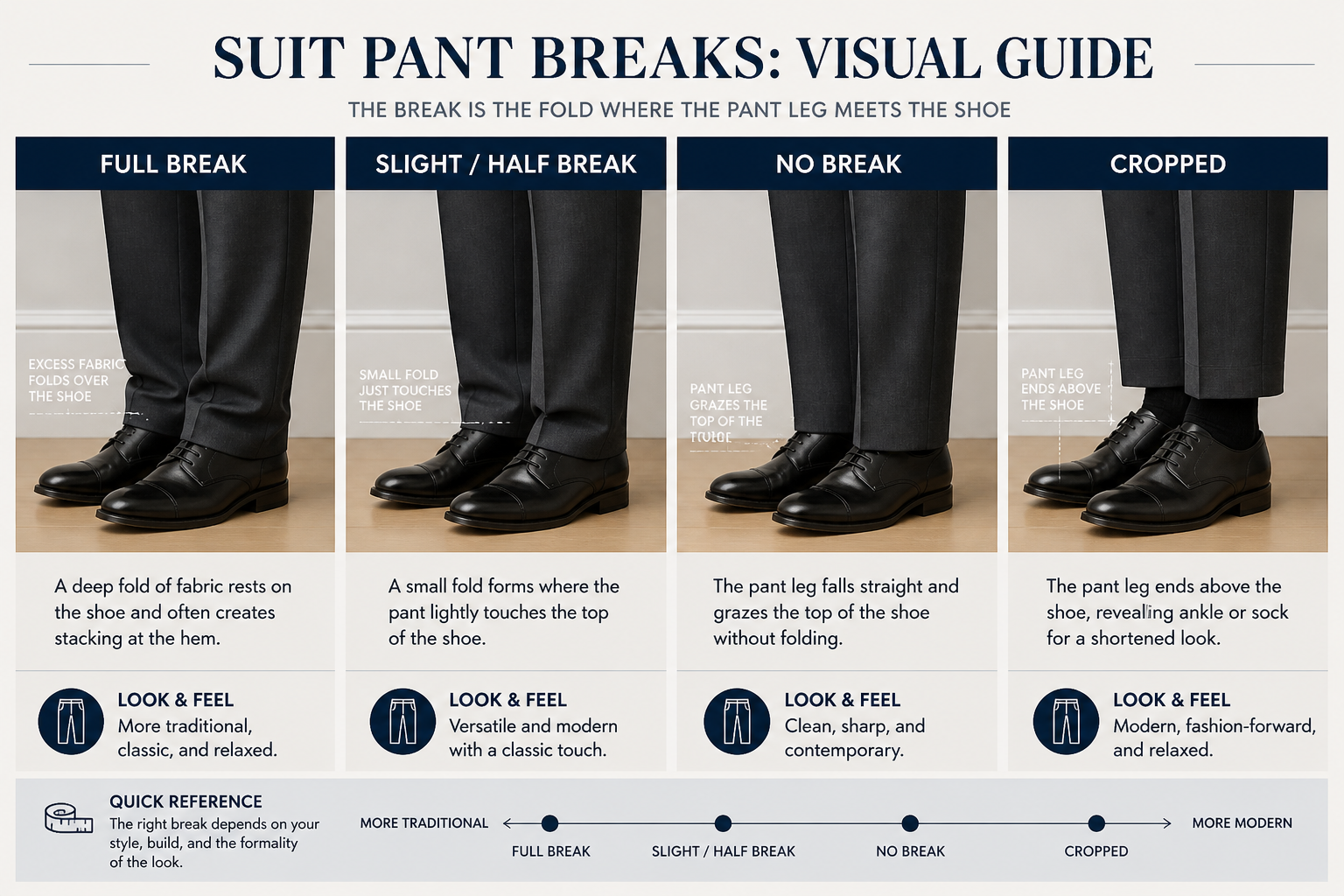
No Break: Modern and Clean
A no break means the pant hem grazes the top of the shoe with no fold. This sharp, cropped look works best with slim, lightweight footwear and tapered pants. It’s modern and intentional, often seen in fashion-forward or warm-weather styling. Avoid this style with thick-soled or wide shoes—it can make the pants look too short.
Slight to Half Break: Classic and Versatile
The quarter or half break is the most popular choice. The fabric lightly folds once over the shoe, creating a balanced, traditional look. It works for most body types, shoe styles, and occasions. This break requires a slightly longer inseam and a bit more room in the leg to prevent pulling. It’s the go-to for business meetings, weddings, and everyday wear.
Full Break: Avoid This Outdated Look
A full break—where the fabric bunches heavily over the shoe—looks sloppy and outdated. It adds visual weight to the lower half and can make you appear shorter. Unless you’re going for a vintage aesthetic (and even then, with caution), skip the full break.
Length: Getting the Hem Right
Ideal Pant Length by Fit and Body Type
Pant length should complement your shoe and build:
– Slim fit, no break: Hem ends at the ankle, 1–2 inches above the shoe
– Classic fit, half break: Hem rests on the shoe with a single fold
– Taller builds: Slightly longer length to maintain proportion
– Shorter builds: Slim or tapered cuts help elongate legs
Fixing Length Issues
If pants are too long, turn them inside out and fold the excess fabric up—then have them hemmed. Temporary fixes like iron-on hem tape work in a pinch. If they’re too short, options are limited. You can try cuffing (only appropriate for casual trousers), but the best solution is a new pair with the correct inseam.
Signs Your Suit Pants Are Too Tight

Movement Restriction Is a Red Flag
If you can’t sit comfortably, cross your legs, or walk without feeling pressure, the pants are too tight. Pay attention to the crotch and thighs—constant strain means poor fit. Tight pants also restrict blood flow and can cause discomfort during long wear. A suit should enhance your confidence, not limit your movement.
Visual Warning Signs of a Poor Fit
Look for:
– Diagonal creases from the front pockets (waist too tight)
– Vertical lines down the thighs (fabric stretched)
– Rising waistband when sitting (pants too small)
– Pleats or pockets flaring out (seat too tight)
These signs indicate the pants are distorting your shape. Even if they button, they’re not fitting correctly.
When to Replace, Not Alter
Some issues can’t be fixed. If the waist or thighs are too tight, altering them may compromise the fabric or structure. Pants with a baggy seat but tight thighs often can’t be adjusted effectively. In these cases, replace rather than repair. Custom-fit pants eliminate these problems by matching your exact measurements.
Tuxedo Pants vs. Suit Pants: Key Differences
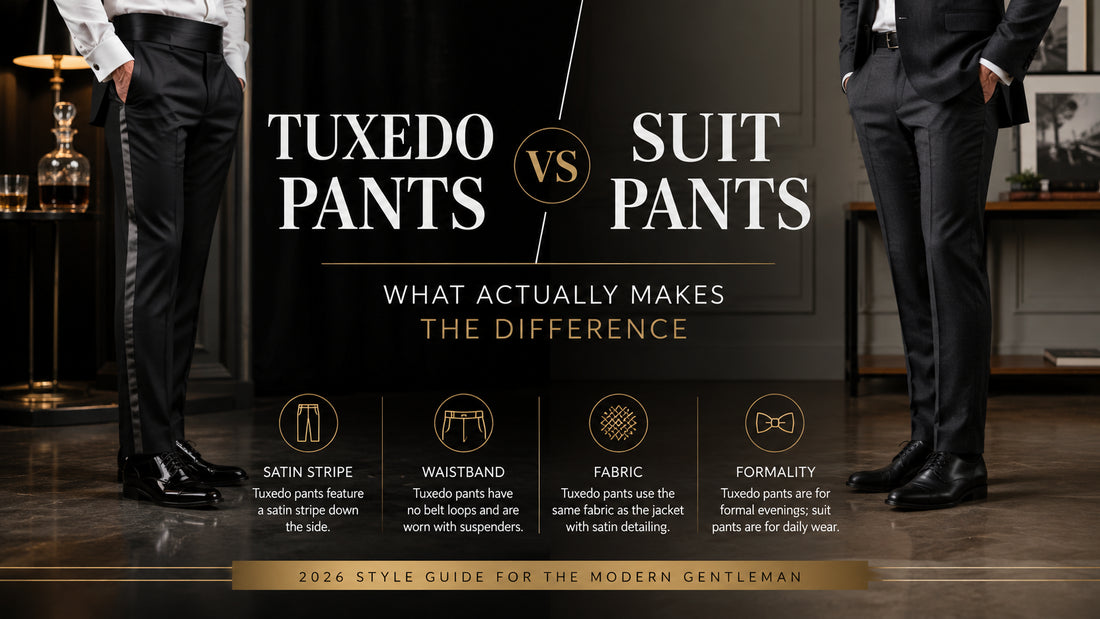
No Belt Loops on Tuxedo Pants
Tuxedo pants don’t have belt loops—they’re designed for suspenders. The waistband sits higher, at the natural waist, and fits snugly but comfortably. This creates a cleaner line and prevents the “belt bulge” that can ruin a formal look.
Fit and Break Differences
Tuxedo pants often have a classic or half break, emphasizing tradition and elegance. Suit pants offer more flexibility—no break for modern style, half break for versatility. The tighter fit of tuxedo pants ensures a precise, formal silhouette, while suit pants can be more relaxed depending on the occasion.
Tailoring: Fix What You Can
Focus on Waist and Thigh First
The hardest parts to alter are the waist and thighs. These areas involve complex seamwork and can affect the entire structure of the pants. Always prioritize a good base fit here. If the pants are too tight in the seat or hips, tailoring may not save them.
Easy Fixes: Taper and Hem
Tapering and hemming are simple, affordable adjustments. A tailor can narrow the legs and set the perfect break in under an hour. These small changes make a big difference in how the pants look and feel. Don’t skip this step—even designer pants often need hemming.
DIY Quick Fixes
- Baggy seat? Use a safety pin to tighten the waistband temporarily.
- Too long? Fold the inside and wear them until you can get them hemmed.
- Too short? Iron-on hem tape adds an inch temporarily—but it’s not a long-term fix.
For formal events, always consult a professional tailor. A perfect fit matters when you’re in the spotlight.
Fit by Body Type: What Works Best
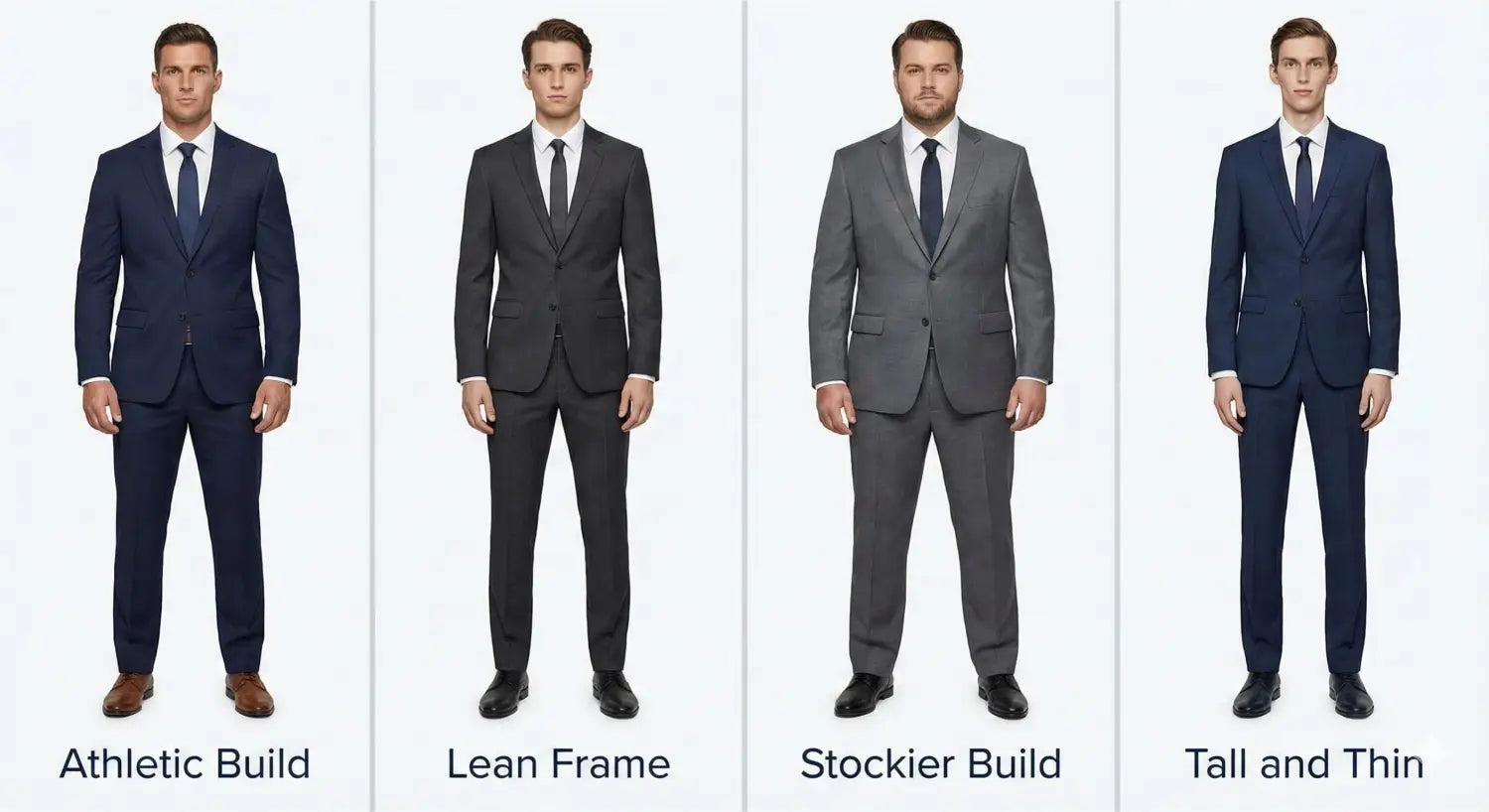
Athletic Build
Choose slim-fit pants with a taper. They highlight your proportions without clinging. Avoid baggy styles that hide your shape.
Broad or Big Build
Opt for flat-front pants with a straight leg. They create a clean, balanced look. Pleats can add room without looking sloppy.
Slim Build
Slightly tapered or pleated pants add volume and prevent a drowned look. Avoid ultra-skinny fits—they can make you appear too thin.
Tall Build
Pleated pants work well, allowing for longer inseams and a comfortable fit. They drape better and maintain proportion.
Short Build
Slim or tapered fits elongate the legs. Avoid wide legs or full breaks that shorten your silhouette.
Frequently Asked Questions About Suit Pants Fit
How many fingers should fit in the waistband of suit pants?
You should be able to fit two fingers comfortably between your body and the waistband. This ensures a secure fit without restriction. If you can’t fit two fingers, the pants are too tight. If three or more fit easily, they’re too loose.
Should suit pants touch your shoes?
Yes, but the amount of contact depends on the break. A no break means the hem grazes the top of the shoe. A half break means the fabric lightly folds once over the shoe. Avoid full breaks, which create excess bunching.
Can suit pants be too tight in the thighs?
Yes. If the pants create vertical creases or restrict movement when walking or sitting, they’re too tight in the thighs. This not only looks awkward but can also cause discomfort and fabric wear over time.
Do tuxedo pants fit tighter than suit pants?
Yes. Tuxedo pants are typically snugger and higher-waisted, designed for a precise formal silhouette. They lack belt loops and are meant to be worn with suspenders for a clean, streamlined look.
How much does it cost to taper suit pants?
Tapering suit pants usually costs $15–$20. It’s one of the most affordable and impactful tailoring adjustments, especially for achieving a modern, tailored look.
Should I cuff suit pants?
Cuffing is generally not appropriate for suit pants—it’s a casual detail best reserved for chinos or jeans. Stick to a clean hem that matches your desired break.
Key Takeaways for Getting Suit Pants Fit Right
The perfect suit pants fit isn’t about squeezing into the smallest size—it’s about proportion, comfort, and confidence. Focus on the waist and thighs first: use the two-finger rule, ensure light contact in the seat, and aim for soft skimming through the thighs. Then refine the leg taper and break to match your shoes. A well-fitted pair elevates your entire look, making you appear polished and professional.
If you’re unsure, see a tailor. A $20 hem or taper can transform an average suit into a standout one. Whether you’re buying, renting, or custom-fitting, prioritize fit over fashion. When your pants move with you and complement your build, you’ll look—and feel—your best.


