
Getting pants to hit just right at the ankle can transform your entire outfit. How pants fit at the ankle affects your silhouette, perceived height, and overall polish. Too long, and they drag on the floor; too short, and they look like a sizing mistake. The key lies in mastering the pant break—the way the fabric folds (or doesn’t) over your shoe.
There are four main ankle fits: no break, slight break, full break, and cropped. Each sends a different style message and works best with specific shoes, body types, and occasions. The golden rule? Always try pants on with your shoes. What looks perfect barefoot may pool or gap once you’re dressed. In this guide, you’ll learn exactly how pants should fit at the ankle across styles, how to pick the right break for your build, and how to avoid the most common fit mistakes.
Pant Breaks: The 4 Fit Types
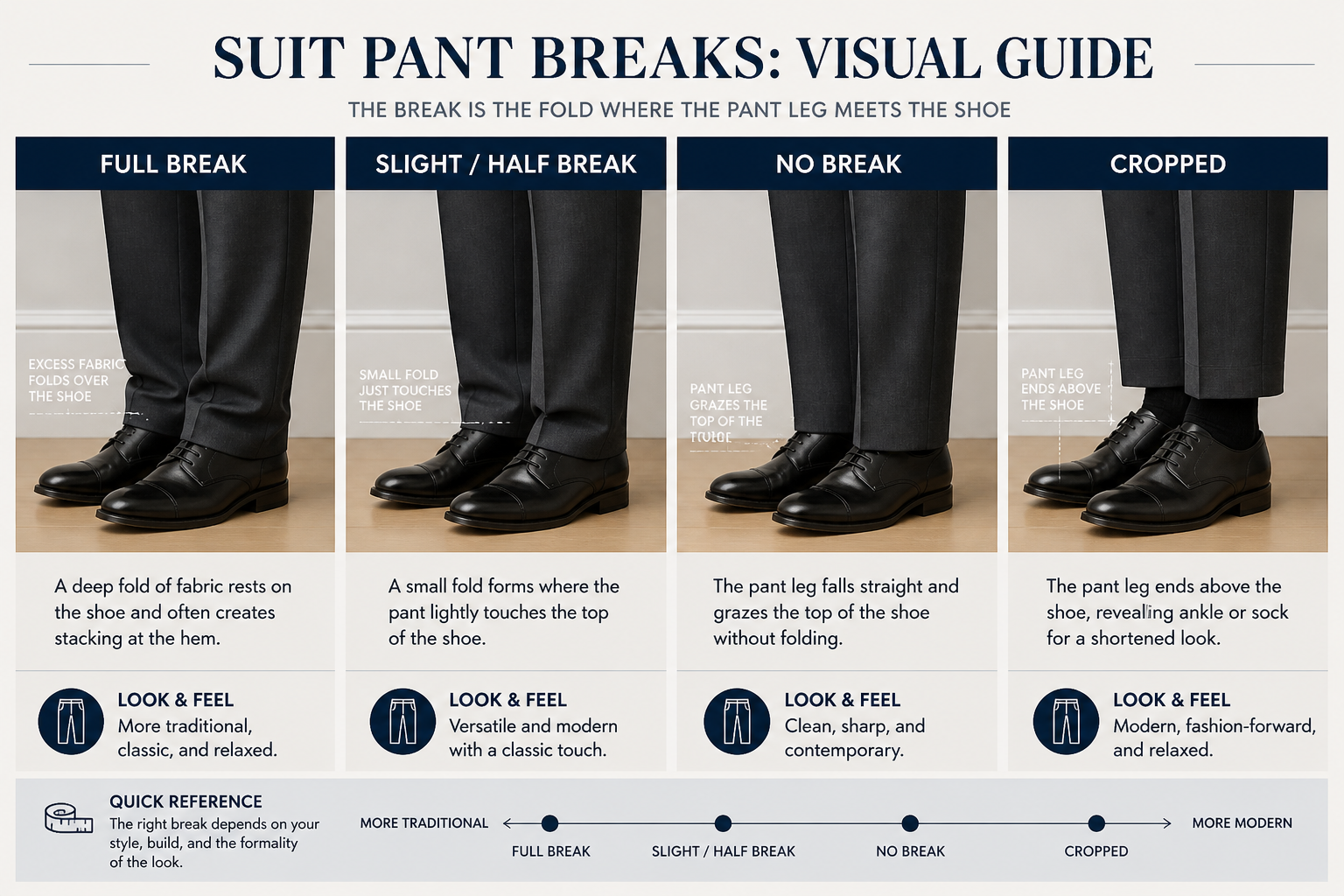
No Break – Clean & Modern
A no break means the pant hem just touches the top of your shoe with no crease. The front and back of the leg sit flush with the shoe, showing the full front. This fit creates a sleek, elongated leg line and is ideal for slim suits, modern chinos, and casual wear with sneakers.
Best for:
• Slim or tapered pants
• Sneakers, loafers, or low-profile dress shoes
• Shorter men aiming to appear taller
Avoid if:
• You wear thick socks regularly
• Your pants lack taper—can look unintentionally short
Pro tip: The back hem should lightly graze the top of the heel. If it rides up and exposes your ankle when you walk, it’s too short.
Slight Break – The Gold Standard
Also called a half break, this is the most versatile and widely recommended fit. The front hem creates a single, subtle crease at the toe box. The back hem hits around mid-heel. It’s polished without being fussy—perfect for business, formal events, or everyday wear.
Best for:
• Dress pants and chinos
• Most body types
• Dress shoes, loafers, or boots
Why it works: It strikes the perfect balance between modern and classic. Not too short, not too long—just intentional.
Warning: More than one crease means too much length. You’ve crossed into full break territory.
Full Break – Classic & Conservative
A full break features a deep fold where fabric stacks on the shoe. The hem covers the back of the shoe and pools slightly at the front. This traditional style is common in vintage tailoring and conservative settings.
Best for:
• Taller men
• Full-cut or pleated trousers
• Formal overcoats or double-breasted suits
Downsides:
• Can shorten the leg visually
• Fabric may drag on wet surfaces
• Looks outdated if not styled correctly
Only choose this if you want a classic, old-school look—and your tailor knows how to manage the excess fabric.
Cropped & Ankle-Length – Casual & Stylish
Cropped pants end at the ankle bone or 1–4 inches above it. They’re intentionally short, showing off socks or ankles. Common in fashion-forward chinos, jeans, and summer wear.
Best for:
• Warm weather
• Loafers, espadrilles, or clean sneakers
• Tapered or slim silhouettes
Styling tips:
• Pair with no-show or ankle socks for a clean look
• Wear with heels or wedges to elongate legs
• Avoid if your ankles are wide—can emphasize bulk
Danger zone: Pants that end between full-length and cropped—these look like a mistake, not a style choice.
How Fit Changes by Pant Type

Dress Pants: Match Formality to Break
Dress pants should reflect the occasion. The ankle fit sets the tone.
No Break for Modern Suits
Slim, modern suits often use a no break to emphasize sharp lines. Works best with narrow lapels and minimal padding. Ideal with oxfords or monk straps.
Slight Break for Business Wear
The go-to for office settings. Paired with derbies or loafers, it says “professional but not stiff.” Always check the back hem—should hit mid-heel.
Full Break for Traditional Style
Found in British tailoring or wide-leg suits. Use only if you’re tall or wearing high-waisted trousers. Too much break on a shorter frame shortens the leg.
Chinos: Flexibility with Limits
Chinos are versatile—can go no break, slight break, or cropped.
• Classic fit: Slight break with loafers
• Casual weekend: No break with sneakers
• Summer style: Cropped 2 inches above ankle with boat shoes
Note: Many chinos have adjustable inlays. If too short, a tailor can let them down. Too long? Hem them.
Jeans: Minimal Stack Only
Jeans should lightly touch the shoe with little to no break.
• Slim or straight jeans: No break or slight break
• Bootcut: Slight stack over boots
• Avoid: Heavy pooling—it looks unkempt unless you’re going for a relaxed streetwear vibe
Wash tip: Raw denim shrinks. Wear jeans before hemming to account for shrinkage.
Joggers & Athletic Pants: Above the Ankle
Designed for movement, joggers should sit at or above the ankle.
• No break is standard
• Cuffs or ribbed hems help keep them in place
• Pair with high-tops or sporty sneakers
Never wear joggers with dress shoes—clashes in formality.
Tapered Ankle Pants: Sleek by Design
Tapered pants narrow at the ankle, creating a streamlined look.
• Should fit snugly but not pinch
• Works with no break, slight break, or cropped lengths
• Side view matters: If they look “cut off,” hem them up slightly (½ inch)
Pro tip: Tapered pants with heels elongate legs—great for petite frames.
Shoe Pairing: What Works Where

Sneakers – Go No Break or Cropped
Sneakers demand a clean hem.
• Low-tops: No break or cropped
• High-tops: Slight break or cuffed hem
• Avoid: Full break—looks cluttered
Best combo: Slim chinos, no-show socks, white sneakers.
Loafers – Slight Break or No Break
Loafers are stylish but show sock lines.
• No break: Modern, sockless look
• Slight break: Classic, with over-the-calf socks
• Never: Full break—hides the shoe’s design
Bonus: Penny loafers with no break = timeless summer style.
Dress Shoes – Slight Break Wins
Oxfords, derbies, and monk straps look best with a slight break.
• Front: One small crease
• Back: Mid-heel contact
• Socks: Shouldn’t gap when sitting
Exception: Patent leather or formal shoes can go no break for red carpet style.
Boots – Minimal Stack
Ankle boots (chukkas, Chelsea, etc.) work with slight break.
• Hem should sit just above or lightly on the boot
• Avoid: Fabric bunching over the shaft
For tall boots, pants should go over (jeans) or under (slim dress pants).
Heels & Wedges – Adjust for Height
Heels change your leg line—so adjust pant length.
• Higher heels = shorter pant length possible
• Ideal: Hem hits at ankle bone when standing in heels
• Tapered ankle pants + wedges = leg-lengthening magic
Styling hack: A half-tuck with a heel and ankle pants looks polished and intentional.
Body Type: What Works for You

Shorter Frames – Elongate with No Break
If you’re under 5’8″, no break or slight break helps legs look longer.
• Wear high-rise pants to extend the leg line
• Pair with monochrome shoes and pants
• Avoid full break—adds visual weight at the ankle
Pro tip: Cuff jeans instead of cropping—keeps proportions balanced.
Taller Builds – Full Range of Options
Tall men (6’+) can pull off full break without shortening legs.
• Slight break: Most flattering for daily wear
• Full break: Works with wide-leg or pleated styles
• Cropped: Great for summer, but keep it intentional
Watch for: Pants that gap at the back when walking—means poor rise or hip fit.
Athletic & Broad Hips – Tapered Fit
Muscular legs need room in hips but clean at the ankle.
• Choose pants with tapered leg
• Aim for no break or slight break
• Avoid full break—adds bulk
Fabric matters: Stretch blends move better and reduce bunching.
Narrow Ankles – Play with Cropped Styles
Slim ankles allow for cropped or ankle-grazing lengths.
• 4 inches above ankle can look sharp
• No risk of “pant swallowing foot” effect
• Show off slim footwear
But avoid mid-calf lengths—they break the leg awkwardly.
How to Measure & Test Fit
Measure with Shoes On
Never judge length barefoot.
- Wear the shoes you’ll pair with the pants
- Stand straight on a flat surface
- Pin the hem where you want it to fall
- Walk and sit to test comfort and movement
Check:
• Front crease (for break)
• Back hem at heel
• No dragging or heel catching
Signs of a Good Fit
• Hem stays in place
• One small crease (for slight break)
• No fabric pooling
• Comfortable when sitting
• Looks intentional from all angles
Common Mistakes to Avoid
• Too long: Fabric bunches, drags, wears out
• Too short: Shows too much sock, looks cheap
• In-between length: Looks like a tailor error
• Ignoring shoe height: Heels change everything
Quick fix: Use hem tape or temporary cuffs until you visit a tailor.
Tailoring: Fix It Right
Hemming for Perfect Length
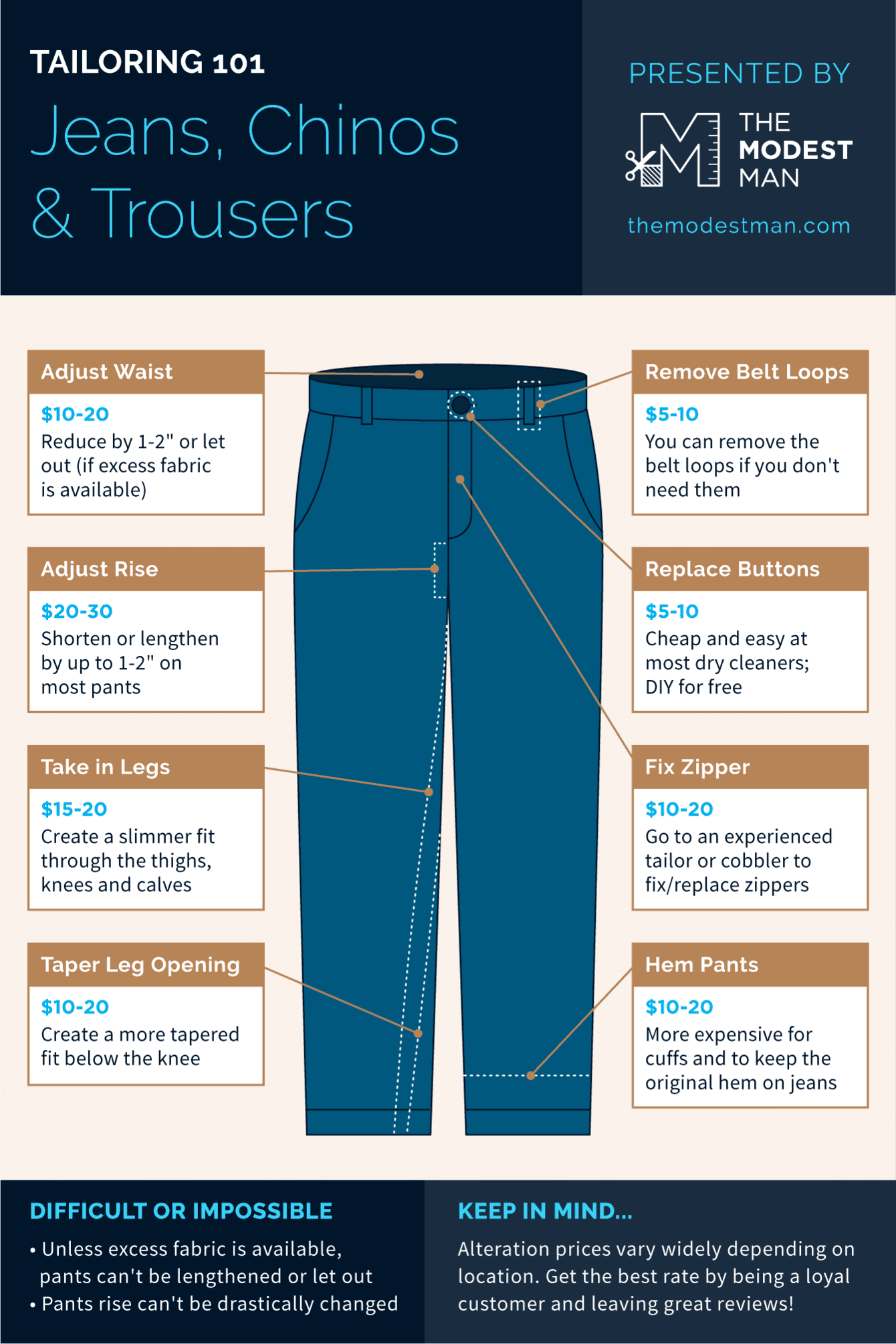
Most pants can be altered.
• Dress pants: Often have extra fabric (inlay) inside—can be let down if too short
• Too long: Hem up by ½ to 2 inches
• Cropped pants: Can be lengthened slightly if inlay exists
Cost: $15–$30 at most alteration shops.
Waist & Hip Adjustments
• Waist: Can be taken in by 3–4 cm
• Hips: Harder to alter—buy correct size
• Crotch: Pulls when sitting—normal; extra room improves comfort
Tip: Use suspenders if waist fits when buttoned but sags later.
When to Tailor
• Pants are close but not perfect
• You own multiple pairs of the same shoe
• You want a custom, polished look
Never wear “almost right” pants daily—fix them.
Rise & Proportion: The Hidden Factors
High Rise = Longer Legs
High-rise pants (at or above the natural waist) visually elongate the leg.
• Pairs perfectly with ankle-length or cropped styles
• Creates a balanced torso-to-leg ratio
• Works with heels or flats
Avoid low-rise—they shorten legs and cause muffin top.
Proportion Rules
• Hems should hit at the narrowest part of the ankle
• Longer legs can handle more length
• Shorter torsos? High rise helps balance
Golden rule: Fit should look deliberate, not accidental.
Frequently Asked Questions About How Pants Fit at the Ankle
How short is too short for pants at the ankle?
Pants are too short if they expose more than 1–2 inches of ankle when standing. If the back hem lifts off the heel or shows your socks excessively, it’s too short. The key is intentionality—cropped is stylish, but an accidental short length looks sloppy.
Should dress pants touch the shoe?
Yes, dress pants should lightly touch the shoe. A slight break—one small crease at the front—is ideal. This creates a polished, professional look. No break works for modern styles, but avoid full pooling unless you’re going for a traditional, conservative aesthetic.
Can I wear cropped pants to the office?
Yes, if styled correctly. Wear cropped chinos or tapered trousers with loafers or low heels. Pair with a blazer or structured top for a professional finish. Avoid overly casual fabrics like jersey or sweatpant material.
Do jeans need a break?
Jeans should have minimal to no break. Slim and straight styles should lightly graze the shoe. Avoid heavy stacking unless you’re aiming for a relaxed streetwear look. Bootcut jeans can have a slight stack over boots.
How does heel height affect pant length?
Heel height changes your leg line. Higher heels shorten the leg visually, so pants may need to be slightly longer. Always try pants on with your intended shoes. A hem that hits the ankle bone when wearing heels is ideal.
What if my pants fit everywhere except the length?
Tailoring is the best solution. Most dress pants and chinos have extra fabric inside the hem (inlay) that can be let down if too short. If too long, hemming costs $15–$30. Don’t settle for “almost right”—a perfect length elevates your entire look.
Key Takeaways for How Pants Should Fit at the Ankle
The way pants fit at the ankle defines your silhouette and style. From no break to full break, each option has its place—but slight break remains the most versatile and flattering for most people. It works across body types, shoe styles, and occasions. When in doubt, go for a small crease at the front and mid-heel contact at the back.
Fit is about intentionality. Whether you choose cropped, no break, or full break, your pants should look deliberate, not accidental. Always try them on with your shoes, walk around, and sit down to test comfort. And when needed, visit a tailor—small adjustments make a big difference.
Your perfect ankle fit isn’t just about length. It’s about proportion, shoe pairing, and confidence. Wear what fits you, not just the trend. When your pants hit the ankle just right, you don’t just look better—you feel sharper, taller, and more put together.


