
If your snow pants pinch at the waist, restrict your stride, or let snow sneak down your boots, they’re not fitting right. Properly fitting snow pants are critical for staying warm, dry, and mobile on the mountain. So, how are snow pants supposed to fit? They should allow full movement, accommodate base and mid-layers, seal out snow at the cuffs, and stay securely in place without constant adjustment. A well-fitting pair feels almost invisible—no tugging, no bunching, and no cold surprises.
Too many skiers and snowboarders assume their regular clothing size translates directly to snow gear, but that often leads to discomfort and performance issues. Fit varies widely between brands and styles, and your body shape matters more than the number on the tag. The real goal is function over fashion—prioritizing mobility, insulation, and weather protection. This guide breaks down every aspect of snow pant fit, from waist adjustments to cuff positioning, and gives you practical steps to find the perfect pair, whether you’re shopping in-store or online.
Waist Fit That Stays Secure
Pass the Two-Finger Test for Snug Comfort
Your snow pants should sit at your natural waist and allow two fingers between the waistband and your skin. This ensures a secure seal without cutting off circulation or causing pressure during long wear. If you can’t fit two fingers, the pants are too tight. If more than three fit easily, they’re too loose and may slide down when you bend or sit.
Avoid pants that gap at the back waist, especially when you reach forward or squat. This is common for people with wider hips and narrower waists, particularly women. Gaps let in snow and cold air, undermining both comfort and protection. If your pants gap even with adjustments, consider switching to a different style.
Choose Bib Pants to Eliminate Waist Gaps
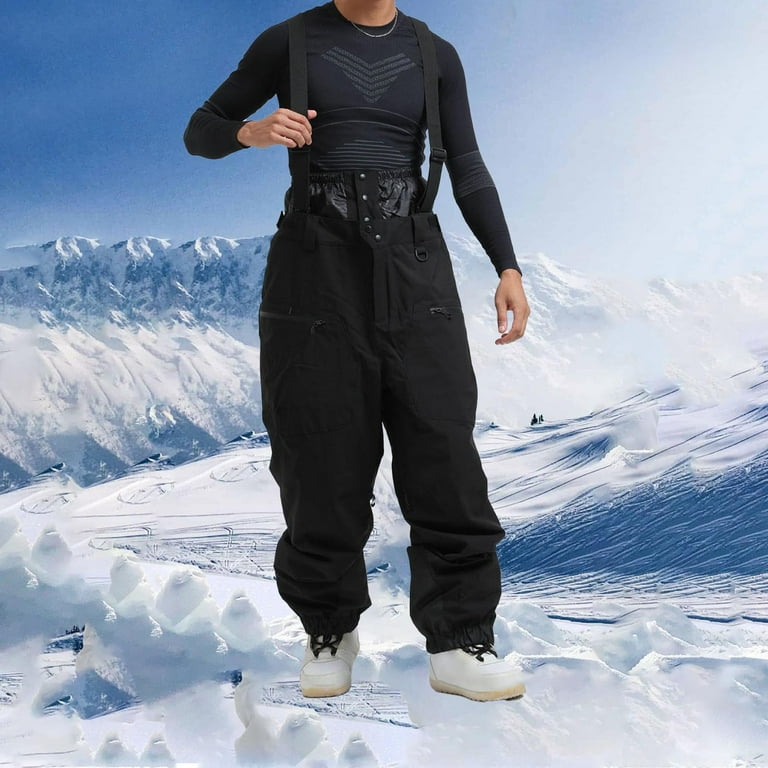
Bib-style snow pants (also called overalls) solve most waist fit problems. With shoulder straps, they stay securely in place regardless of your hip-to-waist ratio. They also prevent snow from entering when you fall, making them ideal for deep powder or aggressive skiing.
Bibs are highly recommended for:
– Skiers with hourglass or pear-shaped figures
– Anyone who struggles with waistband slippage
– Cold-weather riders needing extra core insulation
Many high-performance and kids’ models come in bib style, and some brands (like Patagonia and Burton) offer removable suspenders for added versatility.
Use Stretch Belts or Suspenders for Better Hold
If you prefer traditional waistband pants, stretchy belts or suspenders can improve fit. The Arcade belt—a favorite among skiers—is stretchable, durable, and won’t dig in. It works especially well with pants that have Velcro waist adjustments, helping close gaps without over-tightening.
Built-in or add-on suspenders redistribute weight from the waist to the shoulders, reducing pressure and improving stability. Unlike rigid belts, stretch belts move with your body, maintaining a secure fit during dynamic movements.
Consider Tailoring for Minor Adjustments
If a pair fits everywhere except the waist, a seamstress may be able to help. Adding elastic or a hidden drawcord can improve fit, especially on soft-shell pants. However, avoid altering Gore-Tex or waterproof membranes unless done by a professional—punctures can compromise waterproofing.
Size Smart: Don’t Rely on the Tag
Always Check Brand-Specific Size Charts
Never assume your size is consistent across brands. Columbia, Patagonia, Obermeyer, and Burton all cut differently. A medium in one brand may fit like a small or large in another. Always consult the manufacturer’s size chart, using your actual waist and inseam measurements—not just height and weight.
For example:
• Columbia Bugaboo pants often run slightly large, with generous Velcro waist adjusters
• Patagonia offers roomy thigh and hip space, great for layering
• LL Bean tends to run large—some users size down
• Obermeyer has a more tailored, streamlined fit
When Between Sizes, Size Up
If you’re between sizes—say, a women’s 6/8 or men’s 32/34—size up. This gives you room for base layers and mid-layers, especially if you’re wearing insulated pants. Going up prevents tightness that compresses insulation and reduces warmth.
For shell pants (non-insulated), sizing up is less critical but still helpful if you plan to wear thick fleece layers underneath.
Match Fit to Your Body Type
Your body shape matters more than the number on the tag:
• Tall and lean? Look for long inseams or “tall” sizes
• Shorter or petite? Standard adult pants may be too long. Consider kids’ ski pants—they’re often cut proportionally shorter with narrower waists
• Curvy or athletic build? Prioritize brands with stretch fabric or gusseted crotches for mobility
Cuff Fit: Block Snow at the Boot

Position Cuffs Just Above the Boot
The pant cuff should sit just above your ski or snowboard boot, not tucked inside or dragging on the ground. This allows snow to slide off naturally and prevents it from working its way inside. If the cuff covers the top of your boot, snow can get trapped and melt, leading to wet socks.
When standing flat, there should be no bunching or tension at the ankle. The pant should drape smoothly over the boot’s tongue.
Adjust Cuffs for a Secure Seal
Most snow pants have adjustable cuffs with Velcro, snap buttons, or elastic drawcords. When testing fit:
• Loosen all adjustments first
• Put on your boots and simulate a skiing stance
• Fasten the cuff snugly—enough to block snow, but not so tight it restricts movement or cuts off circulation
Avoid over-tightening, which can create pressure points and reduce blood flow to your feet.
Layering Without Restriction

Wear the Right Base Layers
What you wear under your snow pants affects fit and comfort. Opt for moisture-wicking fabrics like merino wool or synthetic blends. Avoid cotton—it retains sweat and makes you cold.
Best options:
• 3/4-length base layers: End above the boot, preventing bunching and blisters
• Fleece-lined tights or midweight wool: Ideal for cold days
• Compression layers (e.g., CW-X): Support muscles and manage moisture
• Running tights or workout leggings: Work well under shell pants
Never tuck base layers into your boots—this causes friction, discomfort, and blisters.
Match Layers to Your Pant Type
Your layering strategy depends on whether your pants are insulated or shell:
• Insulated pants: Wear one lightweight or midweight base layer. Adding too much bulk can make pants feel tight and reduce breathability.
• Shell pants (non-insulated): Layer up—start with a running tight, then add a fleece tight in very cold conditions.
Shell pants offer more flexibility in fit and temperature regulation, making them popular with backcountry skiers and active riders.
Test Fit Before You Buy
Try On With Real Ski Gear
Always try on snow pants before buying, especially if it’s your first pair. Wear the same base layer you’d ski in—usually just lightweight leggings and a t-shirt. Avoid thick hoodies or jeans, which distort the fit.
Once on, perform these movement tests:
• Squat deeply—like you’re adjusting a binding
• Twist side to side—simulate turning on skis
• Lunge forward—check for tightness in the thighs or crotch
If you feel pulling or restriction, the pants are too small or poorly cut for your body.
Simulate Full Layering
To test layering room, add a light fleece or hoodie under the pants’ waistband. This mimics actual use and ensures the waist won’t dig in when you’re fully dressed.
Check the pocket placement too—make sure they’re accessible when wearing a jacket and backpack.
Buy Online With a Smart Strategy
If buying online:
• Use retailers with free returns (e.g., REI, Sierra Trading Post)
• Order multiple sizes to try at home
• Keep tags on and test with boots and layers
• Return what doesn’t work
Many skiers buy two sizes, test them, and send one back—this is especially smart for first-time buyers.
Fix Common Fit Issues
Fix Waist Gaps With Proven Solutions
If your pants gap at the back waist even with adjustments:
• Switch to bibs—they eliminate the issue
• Use a stretch belt like Arcade to close the gap
• Add suspenders if the pants have loops
• Visit a tailor for minor adjustments (best for non-waterproof fabrics)
Solve Tightness When Layered
If your pants feel tight when layered:
• Size up, especially with insulated models
• Switch to shell pants for more room
• Wear thinner base layers (e.g., ultralight merino instead of fleece)
Adjust for Wrong Length
Pants that drag or ride up ruin the experience:
• Look for brands offering short, regular, and long inseams
• Consider kids’ pants if you’re petite—many adults use them successfully
• Avoid hemming snow pants—this can damage waterproof seals
Key Takeaways for Proper Snow Pant Fit
A well-fitting pair of snow pants should feel comfortable and functional from the first run to the last. Focus on:
• Full mobility—you should be able to squat, twist, and lunge without restriction
• Room for layers—without compressing insulation or restricting movement
• Secure waist fit—snug but not tight, with no gaps
• Proper cuff position—just above the boot, not tucked in or dragging
The best snow pants don’t call attention to themselves. When you’ve found the right fit, you’ll forget you’re wearing them—except for how warm, dry, and free you feel on the mountain.
Frequently Asked Questions About Snow Pant Fit
How tight should snow pants be at the waist?
Snow pants should be snug but not tight at the waist. You should be able to fit two fingers between the waistband and your skin. This ensures a secure seal without restricting movement or circulation. If the pants gap or slide down, they’re too loose.
Should snow pants go over or under ski boots?
Snow pants should go over the top of your ski or snowboard boots, not tucked inside. The cuff should sit just above the boot to allow snow to slide off and prevent moisture from entering.
Can I wear regular leggings as a base layer under snow pants?
Yes, as long as they’re made of moisture-wicking fabric like merino wool or synthetic blends. Avoid cotton. 3/4-length leggings are ideal—they end above the boot to prevent bunching and blisters.
Do I need to size up for insulated snow pants?
Yes, size up if you’re between sizes, especially with insulated pants. Insulation compresses when tight, reducing warmth. Sizing up ensures room for layers and maintains breathability.
Are bib snow pants worth it?
Yes, especially if you have a smaller waist and larger hips, fall often, or ski in deep snow. Bibs eliminate waist gaps, keep snow out, and stay securely in place without constant adjustment.
Can I alter snow pants if they don’t fit perfectly?
Minor adjustments like adding elastic or a drawcord are possible on soft-shell pants. However, avoid altering waterproof membranes like Gore-Tex unless done by a professional, as punctures can compromise waterproofing.


