
You’ve just pulled your leather pants from storage or the dryer, only to find deep creases and stubborn wrinkles. Your instinct might be to grab the iron—but stop right there. Ironing leather pants is risky and can permanently damage the material if done incorrectly. Unlike fabric, leather reacts poorly to direct heat and pressure, which can lead to cracking, discoloration, or a dull, ruined finish.
Still, minor wrinkles can be smoothed—if you proceed with extreme caution. The safest methods avoid direct ironing altogether. Steaming, conditioning, and gentle reshaping are far more effective and less dangerous. That said, if you’re dealing with thin, flexible, or costume-grade leather and must use an iron, it can be done—under strict conditions. This guide walks you through safe wrinkle removal techniques, explains why heat is dangerous, and shows you how to prevent future creasing.
Use Low Heat Only
High heat destroys leather. It dries out natural oils, causes cracking, and can melt synthetic coatings. If you must use an iron, set it to the lowest possible temperature—no higher than “silk” or “synthetic” mode. Never use steam, high heat, or a dry iron directly on the surface.
Why Low Heat Matters
Leather is animal hide treated with oils and finishes that degrade under heat. Even a few seconds of excessive heat can scorch the surface or warp the fibers. The goal isn’t to press out wrinkles like cotton—it’s to gently relax the leather without damaging its integrity.
- Maximum safe temp: Below 110°F (43°C) surface contact
- Avoid steam function: Moisture inside the iron can leak and stain or stretch leather
- Iron must be dry: Any water residue increases the risk of spotting or warping
Excessive heat causes long-term brittleness, making future cracking more likely—even if damage isn’t visible immediately.
Test First on Hidden Area
Before touching visible sections, test your iron on an inconspicuous spot—like the inside waistband or back seam.
- Set iron to lowest setting
- Place a thick cotton cloth over the test area
- Glide iron lightly for 2–3 seconds
- Wait 24 hours to check for dulling, discoloration, or texture change
If the leather looks damaged, do not proceed. Switch to steaming or conditioning instead. Even a slight loss of shine indicates surface degradation.
Protect Leather with a Barrier Cloth
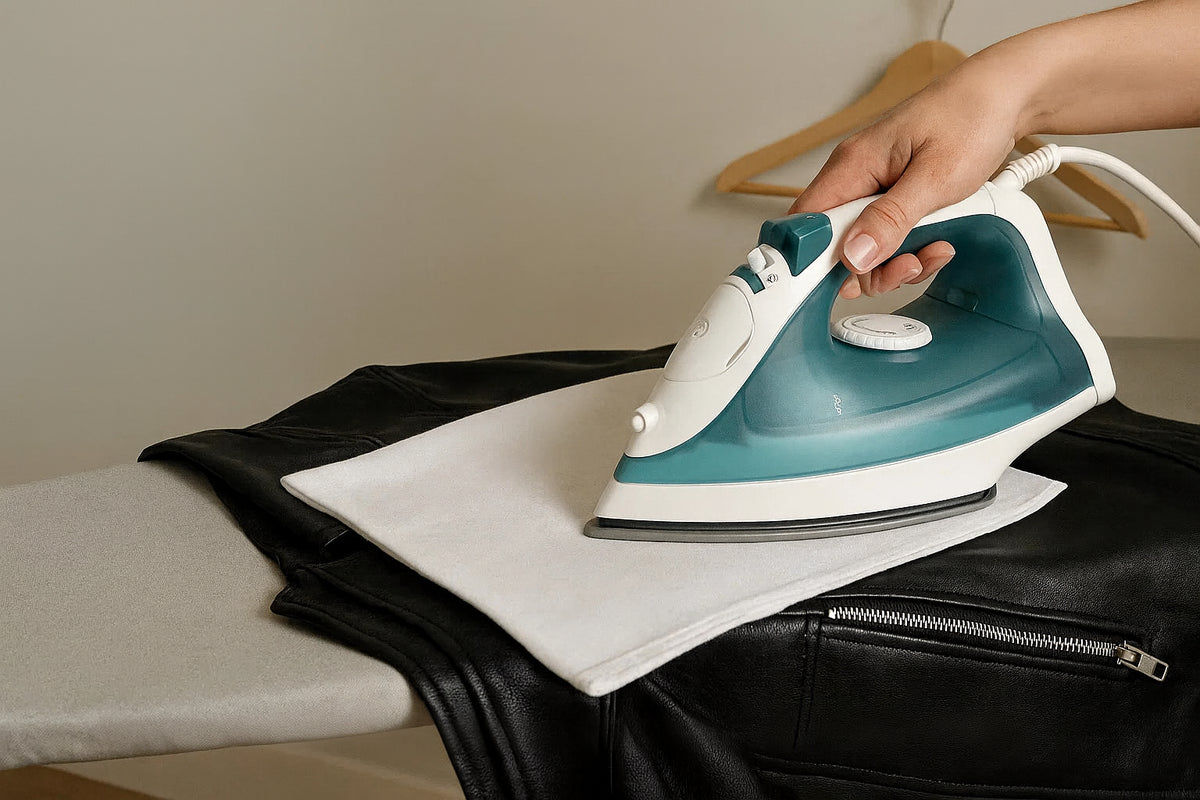
Never let the iron touch leather directly. Even low heat can leave shiny patches, scorch marks, or permanent indentations. A barrier cloth is non-negotiable.
Choose the Right Protective Layer
Use one of these materials between the iron and leather:
- Thick cotton towel (clean and dry)
- Pressing cloth (used in tailoring)
- Cotton T-shirt or pillowcase (double-layered)
Avoid thin fabrics, synthetics, or anything damp—these offer little protection and may melt or transfer moisture.
How to Apply the Barrier
- Lay pants flat on an ironing board or heat-safe surface
- Smooth out the wrinkled section by hand
- Cover the area completely with the cloth
- Iron using light, sweeping motions—never press down hard
Check under the cloth every few seconds. If the leather feels warm to the touch, stop and let it cool. Overheating can cause irreversible stiffness.
Ironing vs. Steaming: Which Works Better?
While ironing carries high risk, steaming is the safer, more effective alternative for removing wrinkles from leather pants. It uses moist heat without direct contact, helping the fibers relax naturally.
Why Steaming Wins
- No direct pressure or scorch risk
- Moisture helps leather fibers expand and smooth
- Works well on knees, hips, and waistbands where creases form
- Preserves finish and color better than ironing
One user reported steaming gave “better results” than ironing on thin costume leather, with no damage after repeated use.
How to Steam Leather Pants
- Use a handheld garment steamer or upright steamer
- Hold 4–6 inches away from the surface
- Move in slow, sweeping motions over wrinkled areas
- Gently pull or shape the leather with your free hand
- Let dry completely before wearing or storing
⚠️ Caution: Avoid steaming delicate finishes (glossy, patent, or embossed). Test first on an inside seam.
Safe Alternatives to Ironing
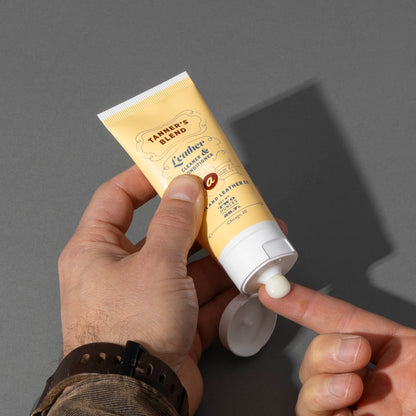
You don’t need heat at all to fix wrinkles in leather pants. These zero-risk methods are recommended by experienced users and leather-care professionals.
Damp Cloth and Hand Pressure
For light creases, this method avoids heat entirely.
- Dampen a clean cotton cloth—not wet, just slightly moist
- Place over the wrinkle
- Use your hand to gently smooth the area
- Let air dry completely (8–12 hours)
The moisture softens the fibers, allowing them to reshape naturally.
Warm Room Air Method
Passive and safe, this works for mild storage wrinkles.
- Hang pants in a warm (not hot) room—like a bathroom after a shower
- Keep away from radiators or direct sunlight
- Leave for 12–24 hours
Heat from the air helps fibers relax without drying out the leather.
Leather Conditioner + Hand Shaping
This is the gold standard for wrinkle reduction and long-term care.
- Apply a quality leather conditioner (like Lexol or Bick 4) to wrinkled areas
- Massage in with fingers, stretching and smoothing gently
- Let absorb for 15–30 minutes
- Wipe off excess with a dry cloth
- Wear the pants or hang them to help reshape
Conditioning restores lost oils, prevents cracking, and makes leather more pliable—reducing future wrinkles.
Gravity and Weight Method
For deep creases, let physics do the work.
- Hang pants vertically on a wide, padded hanger
- Attach light weights (like socks filled with coins) to the hems
- Leave for 2–3 days
The downward pull gradually straightens folds without heat or moisture.
Know Your Leather Type
Not all leather is the same. Some can tolerate gentle heat; others will crack at the first touch of warmth.
Thin, Flexible Leathers (Low-Risk)
- Found in costume pants, fashion pieces, or budget brands
- More forgiving of heat and manipulation
- Often made from lambskin or goatskin
- Can be cautiously ironed only with barrier and low heat
Even then, steaming or conditioning is still safer.
Thick, High-Quality Leathers (No Ironing)
- Includes cowhide, lambskin jackets, and designer pieces
- Prone to finish dulling and structural damage
- Should never be ironed or steamed
- Seek professional care for wrinkles
One user ironed a leather belt successfully but noted the finish turned dull—a common side effect even when done “correctly.”
Prevent Future Wrinkles

The best way to handle wrinkles? Avoid them in the first place.
Proper Storage Tips
- Use wide, padded hangers—never wire hangers
- Never fold—folding creates permanent crease lines
- Store in a breathable garment bag (not plastic)
- Keep in a cool, dry, dark place—away from heaters or sunlight
Rolling is acceptable for travel, but hang immediately upon arrival.
Wearing and Maintenance
- Avoid sitting for long periods in tight leather pants
- Let them rest 24 hours between wears
- Wipe with a dry or slightly damp cloth after wearing
- Condition every 3–6 months to maintain flexibility
Regular care keeps leather supple and wrinkle-resistant.
When to See a Professional
If your leather pants are expensive, heavily creased, or have a delicate finish, skip DIY methods.
Signs You Need Expert Help
- Pants are designer or vintage
- Leather has a glossy, patent, or embossed finish
- Home treatments haven’t worked
- You’re unsure of the leather type
Professionals use specialized tools like leather presses, humidity chambers, and non-damaging conditioners to restore shape safely.
Services to Look For
- Leather cleaning and conditioning
- Professional steaming (with controlled humidity)
- Dry cleaners with leather-specific experience
- Leather restoration specialists
A few dollars spent now can save hundreds in replacement costs.
Frequently Asked Questions About Ironing Leather Pants
Can you iron leather pants without damaging them?
Yes, but only under strict conditions: use the lowest heat setting, a thick dry cloth barrier, and only on thin, flexible leathers. However, steaming or conditioning is always safer and more effective.
What happens if you iron leather on high heat?
High heat can dry out natural oils, cause cracking, scorch the surface, melt synthetic coatings, or permanently dull the finish. Damage may not appear immediately but worsens over time.
Is steaming leather pants safe?
Yes, steaming is one of the safest methods—when done correctly. Hold the steamer 4–6 inches away, use sweeping motions, and avoid glossy or embossed finishes unless tested first.
How do you remove deep creases from leather pants?
For deep creases, use the gravity method: hang pants with light weights on the hems for 2–3 days. Combine with leather conditioner for best results. Avoid heat-based methods on thick or valuable leather.
Can you use a hairdryer instead of an iron?
No. Hairdryers produce uneven, concentrated heat that can dry and crack leather. They lack precision and temperature control, making them unsafe for wrinkle removal.
Should you condition leather after attempting to iron it?
Yes. Any heat exposure removes natural oils. Always apply a high-quality leather conditioner after ironing to restore moisture and prevent long-term damage.
Key Takeaways for Safely Removing Wrinkles from Leather Pants
Ironing leather pants should be a last resort—never the first option. Heat risks cracking, dulling, and long-term structural damage. Steaming, conditioning, and proper storage are safer, more effective, and preserve your investment. For high-quality, vintage, or designer pieces, always consult a professional leather care specialist.
If you attempt ironing, follow every precaution: lowest heat, dry barrier cloth, spot test, and immediate conditioning. But remember: the best results come from prevention. Store your leather pants properly, condition regularly, and avoid prolonged sitting to keep them smooth and supple for years.


