
You pull your favorite pair of pants from the dryer only to find they’re impossibly tight—waistband straining, legs too short, hips too snug. It’s a common laundry disaster, especially with cotton or wool pants. The good news? You can unshrink pants in many cases, using simple household items and a gentle, science-backed method. By relaxing the fibers, you can stretch them back toward their original shape and save a beloved garment from the donation bin.
The secret lies in reversing what caused the shrinkage: heat, moisture, and agitation. With lukewarm water and a conditioning agent like hair conditioner or baby shampoo, you can soften the fibers, make them pliable, and carefully reshape the pants while damp. This guide gives you step-by-step instructions, fabric-specific tips, and realistic expectations so you can restore your pants safely and effectively—without damaging the fabric.
Why Pants Shrink in the First Place
Heat, Water, and Agitation Combine
Pants shrink when exposed to high heat, moisture, and mechanical tumbling in the washer and dryer. These forces cause natural fibers to contract and tighten, reducing the garment’s size. The worst culprit is the dryer—especially on high heat—where hot air and constant motion compress the fabric. Even a single cycle can make a noticeable difference in fit.
Natural Fibers vs. Synthetics
Cotton and wool are most likely to shrink because their fibers have a natural structure that responds to heat by tightening. The good news? These same fibers can often be relaxed and stretched back. Polyester and synthetic blends, however, cannot be unshrunk. Their molecular makeup doesn’t respond to conditioning treatments, and any shrinkage is usually permanent. Always check the care label first to avoid wasting time on fabrics that won’t respond.
The Science Behind Unshrinking
Fibers Can Be Relaxed (If Treated Right)
When pants shrink, the fibers don’t vanish—they compress and tighten. Unshrinking works by reversing this compression. Natural fibers like cotton and wool retain elasticity and can be coaxed back into shape when treated with moisture and a lubricating agent. The goal is to make the fibers slippery and flexible so they can be gently stretched without breaking.
Conditioner Lubricates the Fibers
Hair conditioner or baby shampoo contains emollients that coat and soften fibers, reducing internal friction. This makes them easier to stretch—just like conditioner helps detangle your hair. The fibers slide past each other more freely, allowing you to reshape the garment while it’s damp.
Warm Water, Not Hot
Use lukewarm or warm water (85–100°F / 29–38°C). Hot water will only cause further shrinkage. The ideal temperature helps open the fiber structure just enough to allow stretching, without triggering additional contraction. Never use boiling or steaming water—it defeats the entire purpose.
Conditioner Soak Method (Best for Cotton & Wool)
Prepare the Soaking Solution
Fill a sink or basin with lukewarm water. Add 1 tablespoon of hair conditioner or baby shampoo per gallon of water. For wool, use a stronger mix: 1 part conditioner to 4 parts water. Stir gently to blend.
Pro Tip: Choose a clear, gentle formula to avoid staining or residue.
Soak for 30 Minutes to Overnight
Submerge the shrunken pants completely. Let them soak for at least 30 minutes. For best results, leave them overnight—this gives fibers maximum time to absorb the conditioner and fully relax.
Visual Cue: The fabric should feel softer and more flexible after soaking.
Remove and Squeeze Gently
Lift the pants from the solution. Do NOT wring—this can distort the shape or stretch fibers unevenly. Instead, press the water out with your hands, squeezing gently along the legs and waistband.
Stretch Back to Original Size

Lay Flat on a Clean Towel
Spread a large, dry towel on a flat surface. Place the damp pants on top, smoothing them into a rough pant shape. This prevents creasing and gives you a stable base for reshaping.
Stretch Length and Width Evenly
Begin stretching slowly:
• Inseam and outseam: Pull downward from the crotch to the hem
• Waistband: Gently stretch in a circular motion
• Hips and thighs: Widen by pulling outward from the center
• Legs: Adjust width and taper as needed
Warning: Don’t yank or overstretch—gentle, firm pressure works best.
Check Against Original Measurements
If possible, compare the stretched pants to an identical pair or original size chart. Use a tape measure to verify:
• Waist circumference
• Inseam length
• Hip width
Adjust stretching until you’re close to the original fit.
Dry Flat to Lock in Shape

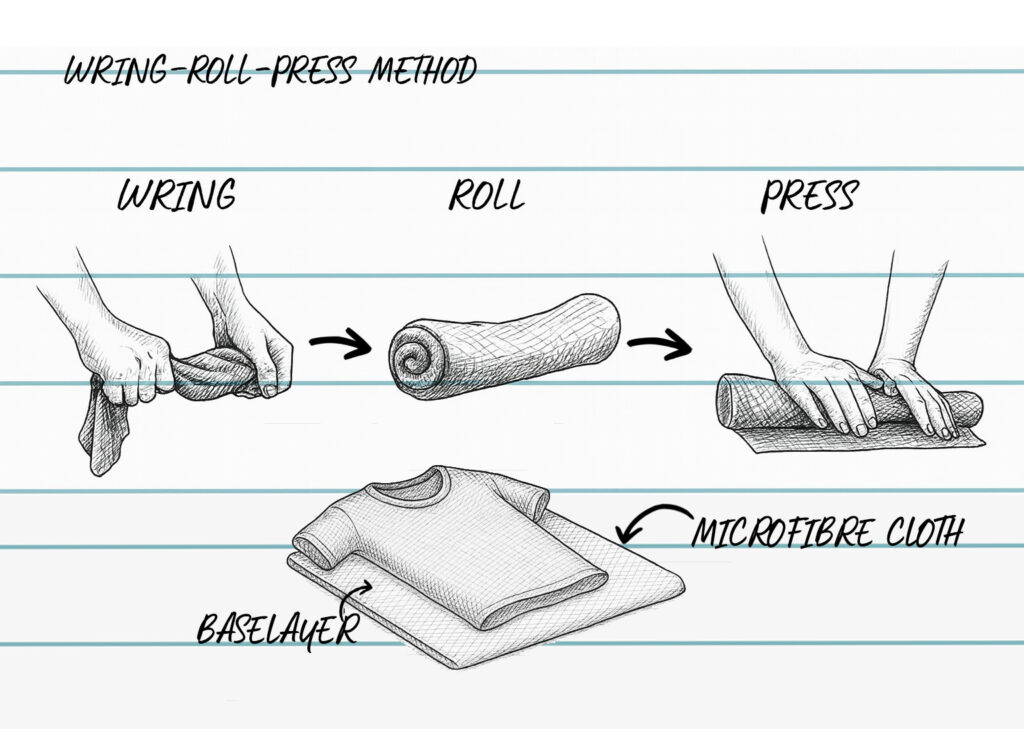
Roll in Towel to Remove Moisture
Place the pants on a dry towel and roll it up like a burrito. Press lightly to wick away excess water. Unroll and transfer the pants to a second dry towel or drying rack.
Air Dry Away from Heat
Lay the pants flat, reshaped, and let them air dry completely. Keep them away from direct sunlight, radiators, or vents—heat can re-trigger shrinkage.
Never hang damp pants. Gravity will pull them out of shape, especially at the legs.
Special Method for Wool Pants
Use Diluted Conditioner Mix
Wool is delicate but highly responsive. Mix 1 part conditioner to 4 parts lukewarm water. This mild solution protects wool’s natural oils while relaxing fibers.
Soak 30 Minutes Only
Wool doesn’t need long soaking—30 minutes is enough. Prolonged soaking can weaken the fibers or cause felting.
Reshape While Damp
After removing excess water, lay flat and stretch carefully. Wool fibers are strong when wet but fragile under tension. Support the entire garment as you reshape.
Expert Note: For valuable wool trousers, consider professional pressing or steaming after reshaping.
Cotton Pants? Use Warm Water + Softener
Soak in Conditioner Solution
Fill a basin with warm (not hot) water and add a few tablespoons of hair conditioner or fabric softener. Submerge cotton pants and soak for 30 minutes.
Stretch While Wet
Remove and gently squeeze. Lay flat, then stretch:
• Pull legs downward for length
• Widen at hips and thighs
• Ease waistband to original size
Common Mistake: Pulling too hard and creating baggy knees or stretched cuffs.
Dry Flat on a Rack
Place on a clean, dry surface. Smooth out wrinkles and let dry undisturbed. Avoid folding until fully dry.
What NOT to Do When Unshrinking
Avoid Hot Water
Hot water tightens fibers further, making shrinkage worse. Always use lukewarm or warm water only.
Never Use the Dryer Again
Putting shrunken pants back in the dryer—even on low heat—will lock in the smaller size. Air drying is the only safe option.
Don’t Wring or Twist
Wringing damages fibers and causes uneven stretching. Always press out water gently.
Skip Harsh Detergents
Bleach or strong detergents strip natural oils and reduce fiber flexibility. Stick to gentle conditioners or softeners.
Realistic Expectations: What Works?
Success Depends on Fabric and Shrinkage Level
| Factor | Impact on Results |
|---|---|
| Fiber Type | Cotton and wool respond best; synthetics won’t work |
| Shrinkage Severity | Slight to moderate shrinkage = good recovery; severe = partial fix |
| Time Since Shrinkage | Act fast—older shrunken garments are harder to restore |
| Construction Quality | Well-made pants with tight weaves bounce back better |
Partial Recovery Is Still Worth It
Even if you can’t return pants to exact original size, gaining an inch or two in length or waist can make them wearable again. Many users report being able to fit into slightly shrunken jeans or chinos after one treatment.
Repeat If Needed
If the first attempt doesn’t fully restore fit, repeat the process. Each soak and stretch cycle may yield incremental improvement. But don’t overdo it—limit to 2–3 attempts to avoid fiber fatigue.
Prevention: Stop Shrinkage Before It Happens
Read the Care Label
Always check the tag. Look for:
• “Cold water wash”
• “Tumble dry low” or “Line dry”
• “Do not bleach”
Following care instructions prevents most shrinkage.
Wash in Cold Water
Use cold water for cotton, wool, and linen pants. It minimizes fiber contraction and saves energy.
Air Dry or Use Low Heat
Skip high-heat drying. Instead:
• Air dry flat for delicate fabrics
• Remove while slightly damp and hang or lay flat to finish drying
• Use low heat only if necessary, and remove promptly
Avoid Overloading the Washer
Crowded machines increase agitation, which contributes to shrinkage. Leave space for clothes to move freely.
When to Seek Professional Help
For Delicate or Expensive Pants
If you’re dealing with tailored wool trousers, designer jeans, or vintage pants, consider:
• Professional dry cleaners with fabric restoration experience
• Tailors who offer steaming and reshaping services
They may use specialized tools like fabric stretchers or steam presses to safely restore fit.
Blended Fabrics May Need Expert Care
Pants with cotton-polyester blends respond poorly to home methods. A professional can assess whether heat and steam might help—without damaging the synthetic fibers.
Frequently Asked Questions About Unshrinking Pants
Can you really unshrink pants at home?
Yes, you can unshrink pants made of natural fibers like cotton or wool using lukewarm water and conditioner. The method relaxes the fibers so you can gently stretch them back. It won’t work on polyester or synthetic blends.
How long should I soak shrunken pants?
Soak for at least 30 minutes, or up to overnight for best results. Wool pants only need 30 minutes to avoid fiber damage. Longer soaking helps fibers absorb the conditioner and become more pliable.
Does fabric softener work as well as conditioner?
Yes, fabric softener or hair conditioner both contain lubricating agents that help relax fibers. Use a few tablespoons in warm water. Avoid heavily scented or colored products that might stain.
Why can’t I put the pants in the dryer after unshrinking?
The dryer uses heat and agitation, which will re-shrink the fibers and undo your work. Always air dry flat to lock in the restored shape.
What if my pants are only slightly shrunken?
Slight shrinkage is actually easier to fix. A single 30-minute soak and gentle stretch often restores enough size to make the pants wearable again.
Can I unshrink jeans?
Yes, if they’re 100% cotton or cotton-rich. Stretch denim with synthetic blends may not respond well. Use the conditioner soak method, stretch carefully at the waist and thighs, and air dry flat.
Key Takeaways for Unshrinking Pants Successfully
• Natural fibers only: This method works best on cotton and wool—skip it for polyester or blends
• Use lukewarm water and conditioner: These relax the fibers safely and effectively
• Stretch gently and dry flat: Never wring or hang damp pants—gravity distorts the shape
• Act fast: The sooner you treat shrunken pants, the better the results
• Be patient: Even partial recovery can make a big difference in wearability
Try the conditioner soak method first, and repeat if needed. With care, you can restore your favorite pants and avoid replacing them. For future laundry runs, always check the care label and skip the high-heat dryer—your clothes will last longer and fit better.


