
Nylon pants are a go-to for athletes, outdoor enthusiasts, and everyday wearers thanks to their durability, flexibility, and resistance to weather. But if you’ve ever pulled a favorite pair from the washer only to find them faded, misshapen, or even melted, you know that how to wash nylon pants matters. Unlike cotton, nylon is strong but sensitive to heat, chlorine, and rough handling. Washing it incorrectly can ruin the fabric’s performance and appearance in just one cycle.
The good news? With the right steps, you can keep your nylon pants looking and performing like new. This guide covers everything from pre-wash prep and stain treatment to drying and long-term care—all based on expert fabric care principles. You’ll learn how to choose the right detergent, decide between hand and machine washing, and avoid the most common mistake: drying stained items. Whether your pants are workout-ready, water-resistant, or part of a blend, these tips will help prevent shrinking, yellowing, and irreversible damage.
Check the Care Label Before Washing
Why the Label Overrides General Rules
Always start by reading the care label on your nylon pants. It provides model-specific instructions that take priority over general advice. Some nylon blends—especially those with spandex or technical coatings—may require hand washing or professional cleaning. The label will tell you:
• Safe water temperature
• Whether machine washing is allowed
• If air drying is required
• Any detergent restrictions
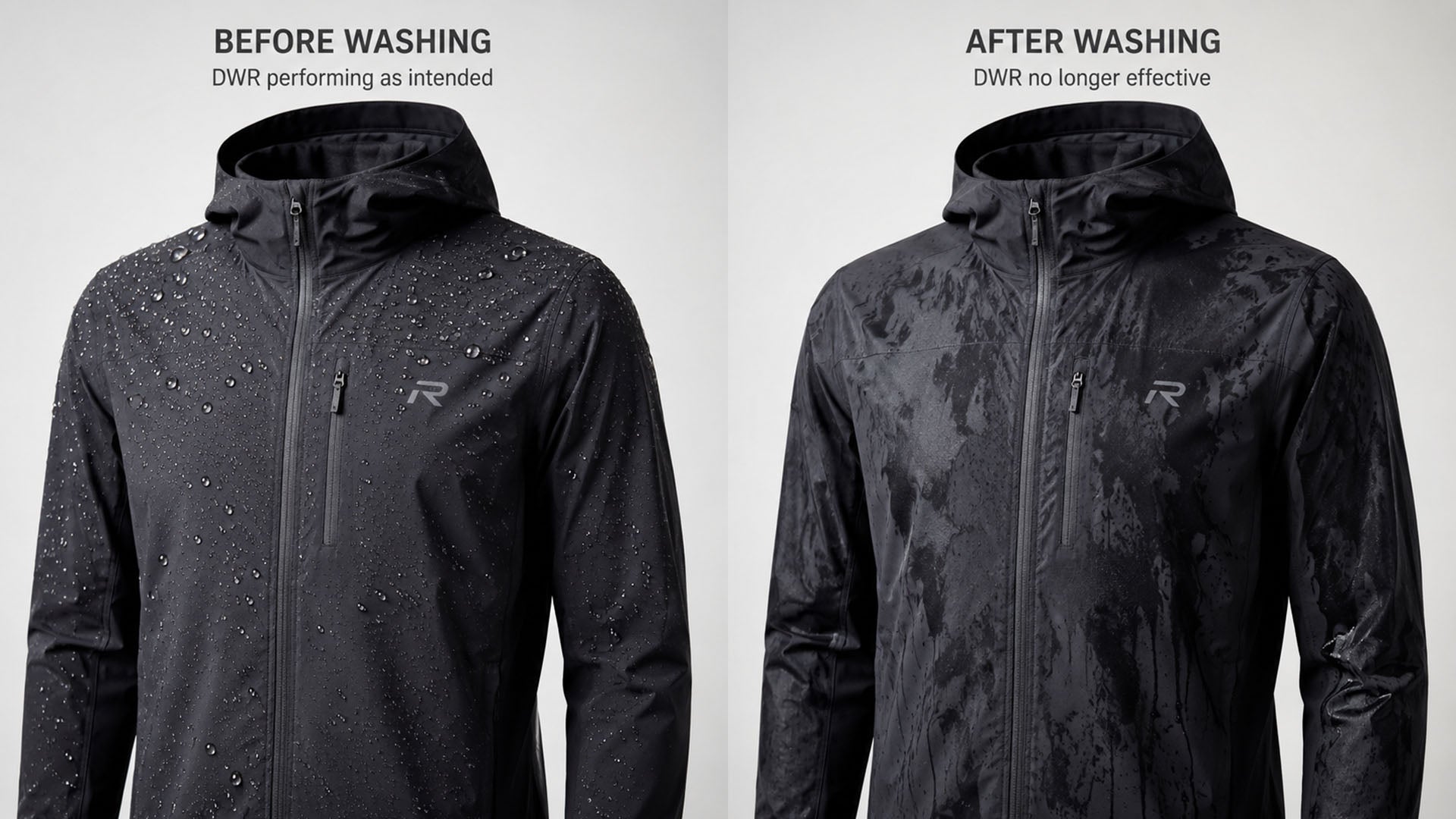
Ignoring these instructions can damage special finishes like DWR (Durable Water Repellent) or cause warping and shrinkage.
What to Do If the Label Is Missing
If the tag is gone or worn out, assume the safest approach:
• Use cold water
• Wash on gentle cycle or by hand
• Air dry only
• Avoid bleach and fabric softener
When in doubt, hand washing is the best way to protect delicate or uncertain fabrics.
Sort and Prep Your Nylon Pants Properly

Wash Nylon Separately to Prevent Snagging
Nylon is prone to snags from zippers, buttons, or rough fabrics like denim. Always wash nylon pants alone or with similar synthetics. This prevents pilling and fiber damage during agitation, especially for lightweight or stretchy styles.
Turn Pants Inside Out for Color Protection
Flipping your pants inside out before washing:
• Shields outer colors from fading
• Reduces surface abrasion
• Minimizes pilling on high-friction areas
This simple step is especially important for dark or vibrant nylon fabrics.
Empty Pockets and Secure Fasteners
Always:
• Empty all pockets (coins, tissues, lint)
• Zip up zippers
• Button or snap closures
This protects both your pants and other laundry items from damage.
Treat Stains Before Washing Nylon Pants
Identify the Type of Stain First
Nylon resists water but attracts oily and protein-based stains such as:
• Sweat
• Grease
• Food
• Body oils
These are harder to remove than water-based stains, so pre-treatment is essential.
Apply Enzyme-Based Stain Remover Correctly
For best results:
1. Blot excess (don’t rub)
2. Apply enzyme-based stain remover directly to the stain
3. Gently work it in with fingers or a soft brush
4. Let sit for at least 15 minutes
Enzymes break down organic matter without harming synthetic fibers.
Never Dry Stained Nylon Pants
Heat permanently sets stains. If the stain remains after washing, re-treat it before drying. Never put stained nylon in the dryer—even once.
Choose the Right Washing Method for Your Pants
Machine Wash Only If Labeled Safe
Most nylon pants can be machine washed if labeled “machine washable.” Ideal for:
• Thick track pants
• Durable outdoor wear
• Labeled athletic gear
Use these settings:
• Cold water only – Hot water can melt fibers
• Gentle or regular cycle – Avoid heavy agitation
• Non-chlorine, gentle detergent – Avoid bleach and softeners
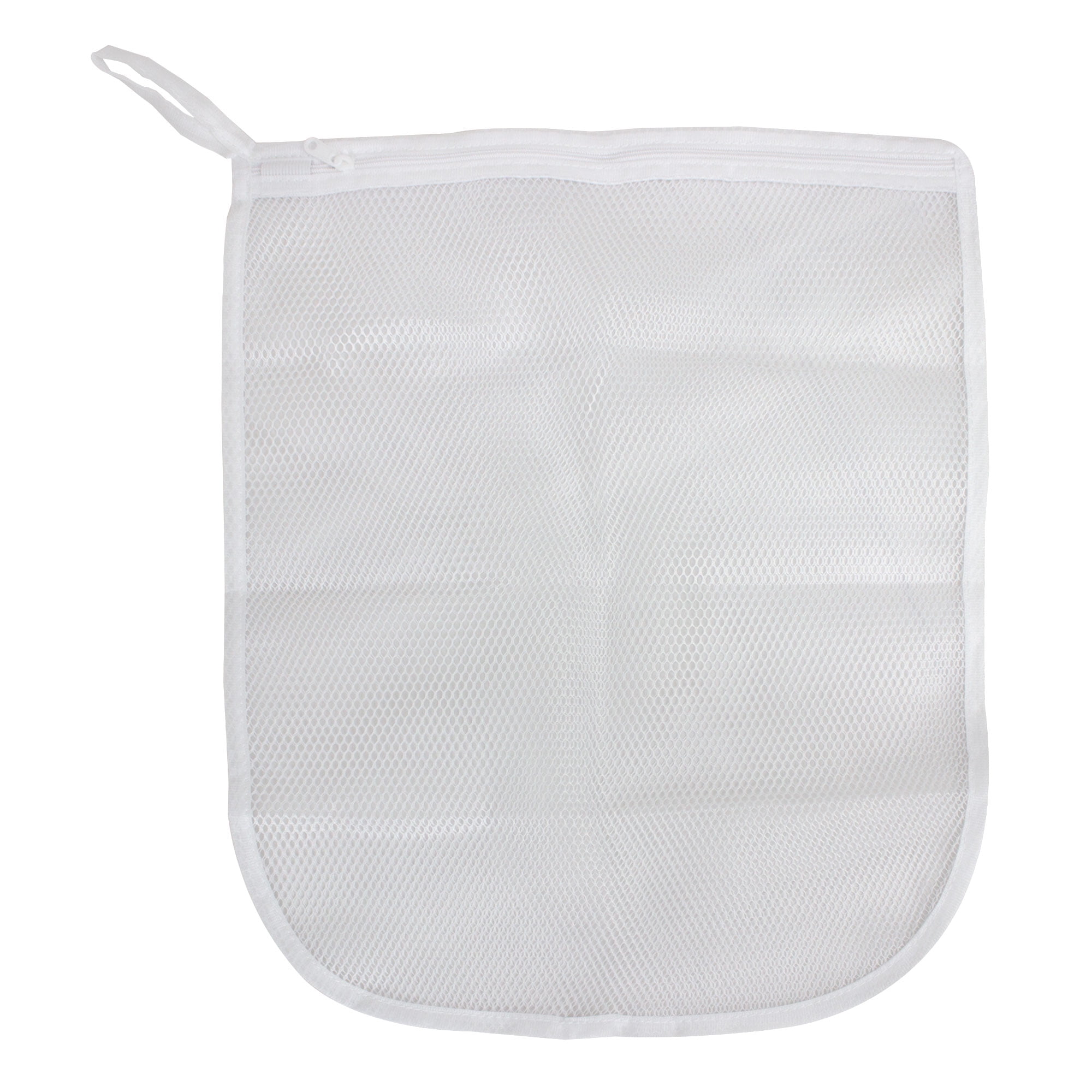
Use a Mesh Laundry Bag for Protection
Place pants in a mesh laundry bag to:
• Prevent snagging
• Reduce friction
• Protect elastic or delicate trims
This is especially important for stretchy or thin nylon blends.
Hand Wash for Delicate or Uncertain Fabrics
Hand washing is best for:
• Sheer or lightweight nylon
• Pants with spandex or special finishes
• Items with unclear care instructions
Steps:
1. Fill a basin with lukewarm water (not hot)
2. Add a small amount of gentle detergent
3. Submerge pants and gently swirl for 2–3 minutes
4. Soak up to 10 minutes if heavily soiled
5. Rinse thoroughly with cold water
Avoid twisting or wringing—this damages fibers.
Use the Best Detergent for Nylon Pants
Recommended Detergent Types
• Non-chlorine, gentle liquid or powder detergents
• Enzyme-based formulas for sweat and oil stains
• Heavy-duty detergents (without bleach) for muddy or greasy pants
These clean effectively without degrading nylon.
Avoid These Harmful Additives
❌ Chlorine bleach – Causes yellowing and brittleness
❌ Fabric softeners – Coat fibers, reducing breathability and moisture-wicking
❌ Harsh stain removers – May contain bleach or abrasives
For bright whites, use an oxygen-based bleach alternative instead.
Dry Nylon Pants Without Damage

Air Dry: The Safest and Most Effective Method
Always air dry nylon pants when possible. Options include:
• Lay flat on a drying rack or towel (best for delicate or stretchy pants)
• Hang dry using a hanger or clothesline (ideal for sturdier pants)
Air drying prevents heat damage and maintains shape.
Machine Drying: Only With Extreme Caution
If you must use a dryer:
• Select the lowest heat setting
• Check pants every 10–15 minutes
• Remove immediately when dry
Nylon dries quickly—overheating can cause melting or shrinkage.
Critical Drying Rules to Follow
• Never leave nylon in the dryer unattended
• Never dry stained items – Heat sets stains permanently
• Avoid direct sunlight – Can fade colors over time
Even “dryer-safe” labels don’t mean high heat is safe.
Special Care for Different Types of Nylon Pants
Athletic and Workout Pants
• Wash after every use to prevent odor buildup
• Use enzyme detergents to break down sweat
• Avoid fabric softeners – They clog moisture-wicking fibers
Performance fabrics rely on breathability—proper washing keeps them functional.
Outdoor and Technical Pants
These often have DWR coatings or waterproof membranes. To preserve them:
• Use technical fabric detergents (e.g., Nikwax, Grangers)
• Avoid regular detergents and softeners
• Check labels for reproofing recommendations
Some may require professional cleaning.
Colored and Dark Nylon Pants
• Wash inside out to prevent fading
• Use cold water
• Wash separately from light-colored clothes to avoid dye transfer
Reds, blacks, and blues are especially prone to bleeding.
Blended Nylon Pants
Common blends include nylon-spandex or nylon-cotton. Always:
• Check the care label for blend-specific instructions
• Follow the most delicate fabric’s requirements
• When in doubt, hand wash and air dry
Spandex, for example, degrades faster with heat and agitation.
Inspect and Maintain After Washing
Check for Remaining Stains Before Drying
After washing but before drying, inspect pants closely. If stains remain:
• Re-apply stain remover
• Repeat wash cycle
• Never proceed to drying
Heat makes stains permanent.
Reshape While Damp to Restore Fit
For pants that lost their form:
• Gently stretch back to original shape
• Lay flat to finish drying
This prevents permanent wrinkles or distortion.
Store Properly to Prevent Long-Term Damage
• Fold or hang in a cool, dry place
• Avoid plastic bags—trapped moisture causes mildew
• Keep away from direct sunlight to prevent fading
Proper storage prevents long-term damage.
When to Choose Professional Cleaning
For High-Value or Technical Pants
Consider professional cleaning for:
• Designer nylon outerwear
• Technical sportswear with special membranes
• Heavily soiled or stained items
Many cleaners specialize in synthetic fabrics and can safely handle complex care needs.
Benefits of Expert Fabric Care
• Extends garment lifespan
• Safely removes tough stains
• Preserves technical finishes like DWR
It’s worth the cost for expensive or performance-oriented pants.
Step-by-Step Guide to Washing Nylon Pants
Step 1: Prep the Pants
• Read care label
• Turn inside out
• Empty pockets, close zippers
Step 2: Treat Stains
• Apply enzyme-based remover
• Let sit 15+ minutes
• Do not let dry
Step 3: Wash
Machine:
• Cold water, gentle cycle
• Gentle detergent, no bleach
• Use mesh bag if delicate
Hand Wash:
• Lukewarm water, gentle detergent
• Swirl gently, no rubbing
• Rinse thoroughly
Step 4: Dry
• Air dry preferred – Lay flat or hang
• Dryer only on lowest heat – Check every 10–15 minutes
• Remove immediately when dry
Step 5: Final Check
• Inspect for stains
• Reshape if needed
• Store properly
Key Warnings to Never Ignore
Heat Damages Nylon Fibers
• Never use hot water
• Never use high dryer heat
• Never iron nylon (can melt)
Even brief exposure can warp or weaken fibers.
Chlorine Weakens and Discolors Nylon
• Never use chlorine bleach
• Avoid swimming in bleach-treated pools while wearing nylon
• Causes yellowing and brittleness over time
Never Wring or Twist Wet Nylon
• Wringing damages fibers
• Always press water out gently or roll in a towel
• Hang or lay flat to dry
Final Tips for Long-Lasting Nylon Pants
• Wash less frequently – Nylon doesn’t absorb odors like cotton
• Spot clean when possible – Saves wear and tear
• Use mesh bags for all delicate washes – Prevents snags
• Avoid overloading the washer – Reduces friction and stress
Following these steps ensures your nylon pants stay strong, vibrant, and functional wash after wash.
Frequently Asked Questions About Washing Nylon Pants
Can I machine wash nylon pants?
Yes, if the care label says “machine washable.” Use cold water, a gentle cycle, and a non-chlorine detergent. For delicate or blended fabrics, use a mesh laundry bag to prevent damage.
Can I dry nylon pants in the dryer?
Only on the lowest heat setting—and never if they’re stained. Air drying is always safer. Check every 10–15 minutes to avoid overheating.
Why did my nylon pants turn yellow?
Yellowing is often caused by chlorine bleach or prolonged exposure to pool or hot tub water. Always avoid chlorine and rinse swimwear immediately after use.
Do I need to turn nylon pants inside out before washing?
Yes. Turning them inside out protects color, reduces pilling, and minimizes surface abrasion—especially important for dark or vibrant fabrics.
Can I use fabric softener on nylon pants?
No. Fabric softeners coat nylon fibers, reducing breathability and moisture-wicking—especially harmful for athletic wear. They can also degrade the fabric over time.
How do I remove sweat stains from nylon pants?
Pre-treat with an enzyme-based stain remover, let sit for 15+ minutes, then wash in cold water. Never dry until the stain is gone—heat sets it permanently.
Key Takeaways for Washing Nylon Pants the Right Way
To keep your nylon pants in top condition: always check the care label, use cold water, and avoid chlorine bleach and fabric softeners. Pre-treat stains with enzyme-based removers and never dry stained items. Air drying is the safest method, but if you must use a dryer, use the lowest heat and monitor closely. For delicate, technical, or high-value pants, consider professional cleaning.
By following these guidelines, you’ll protect your investment and extend the life of your clothing. Whether it’s gym gear, hiking pants, or everyday wear, proper care ensures your nylon pants stay clean, functional, and looking like new.


