
Ill-fitting tuxedo pants can instantly downgrade a formal look, no matter how expensive or elegant the rest of your outfit. Whether you’re dealing with rental pants that gap at the waist or personal tuxedo trousers that drag on the floor, knowing how to adjust tuxedo pants properly is essential. This guide covers every method—from simple buckle tweaks to professional tailoring—so you can achieve a sleek, polished fit without compromising the garment’s integrity.
You’ll learn how to identify fit issues, choose the right adjustment method based on fabric and construction, and avoid common mistakes that ruin formal wear. Whether you have 24 hours or just 24 minutes before your event, these actionable steps ensure you look sharp and feel confident.
Diagnose the Fit Issue Accurately
Before making any changes, pinpoint exactly where your tuxedo pants are falling short—literally and figuratively. A precise diagnosis prevents unnecessary damage and ensures the right fix.
Determine Where the Pants Don’t Fit
Common fit problems include:
• Waist too loose: Gaping at the back or needing constant adjustment
• Inseam too long: Fabric pooling over shoes or creating a double break
• Baggy thighs or calves: Excess fabric disrupting the clean line of the leg
• Uneven hang: One leg longer than the other or pulling across the seat
Wear the shoes and dress shirt you plan to wear with the tuxedo. Stand in front of a full-length mirror and move around—sit, walk, and cross your legs—to test real-world performance.
Match Adjustment Method to Fabric Type
The material of your tuxedo dictates what fixes are safe:
| Fabric Type | Recommended Adjustments |
|---|---|
| Wool | Ideal for tailoring; holds structure and responds well to alterations |
| Polyester blends | Handle with care; may resist stitching or warp under heat |
| Stretch fabrics | Limited alteration room; best for temporary fixes like grippers |
Avoid permanent changes on delicate or rented tuxedos unless done by a professional.
Know When to Skip DIY and See a Tailor
Seek expert help if:
• The waist is off by more than 1–2 inches
• You need inseam, thigh, or seat adjustments
• The tuxedo is rented, vintage, or high-end (e.g., Moon Tuxedo)
• You’re unsure about sewing or fabric behavior
Professional tailors preserve the original drape, match stitching, and maintain formal aesthetics.
Tighten or Loosen Using Side Buckles
Most tuxedo pants come with side buckles for quick, non-permanent waist adjustments. This is the safest method for rental pants or last-minute fixes.
How to Tighten with Side Buckles
- Unclip the buckle on one side
- Pull the waistband fabric through to reduce slack
- Re-clip securely
- Repeat on the other side
Ensure both sides are adjusted equally to prevent an uneven waistline.
How to Loosen if Too Tight
If the pants pinch or restrict movement:
• Unclip the buckle
• Gently pull the fabric back out
• Re-clip at a more comfortable setting
This method allows up to 1–1.5 inches of adjustment and works best for minor fit issues.
Keep the Waistband Balanced
Always check that:
• Both buckles are set at the same position
• The waistband lies flat without twisting
• The pants sit at your natural waist, not on your hips
A symmetrical buckle adjustment delivers a tailored look in under a minute.
Fix a Loose or Tight Waistband
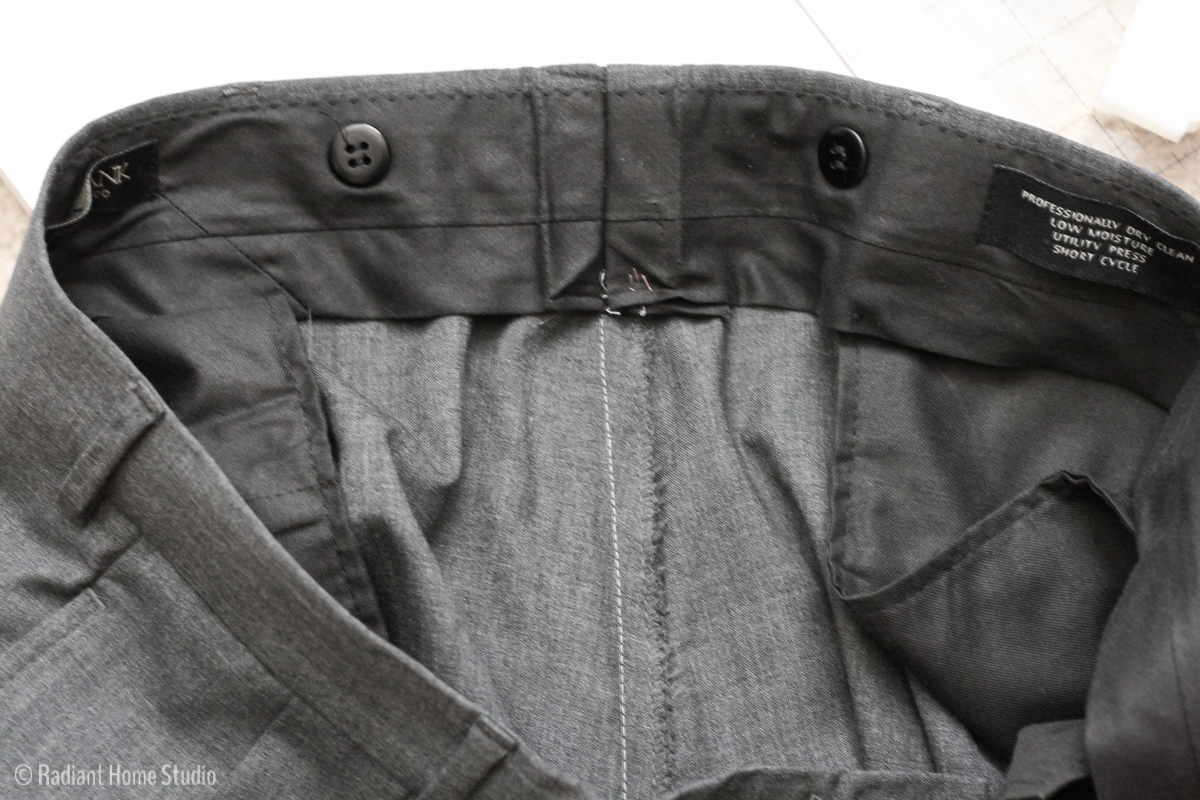
When buckle adjustments aren’t enough, targeted waistband fixes can solve persistent fit problems—either temporarily or permanently.
Take In the Waistband (Tailor Fix)
For pants that gap at the back:
• A tailor removes excess fabric from the center back or side seams
• Re-sews the waistband with a smaller circumference
• Preserves the lining and original structure
This permanent fix works best on wool and typically costs $20–$40.
Use Temporary Waistband Tighteners
No time for tailoring? Try these quick fixes:
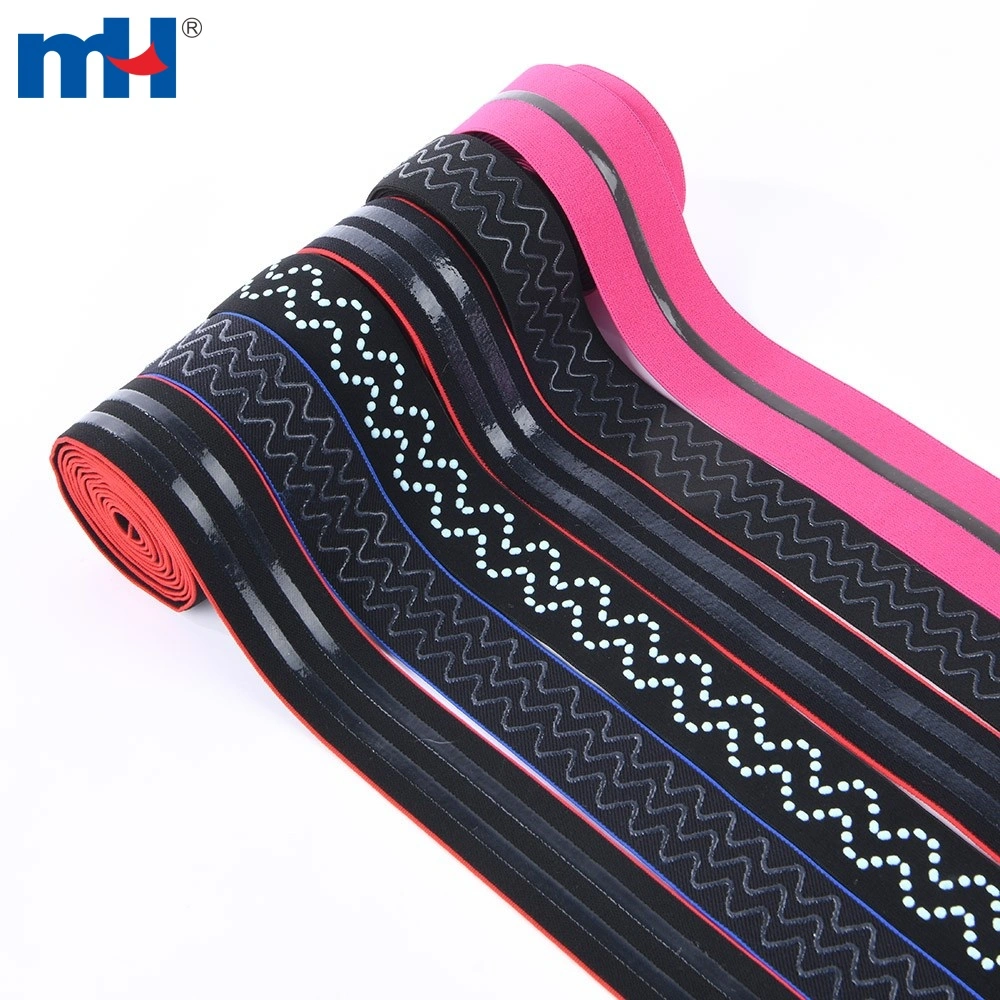
• Elastic inserts: Sew a 2-inch piece of clear elastic inside the back of the waistband
• Clip-on grippers: Attach fabric-covered clips inside the waistband for extra grip
• Adjustable waistbands: Replace the original with a hidden drawstring or stretch panel
Ideal for fluctuating sizes or occasional wear.
Let Out the Side Seams for Hip-Focused Fit
If the hips fit but the waist is tight:
• A tailor can slightly open the side seams
• Adds room without altering the waistband
• Maintains the tuxedo’s drape and formal appearance
This subtle fix avoids the “too tight at waist, loose at hips” look.
Wear a Matching Formal Belt
If your tuxedo pants have belt loops:
• Use a slim, formal belt in black or satin
• Thread it through all loops evenly
• Tighten just enough to eliminate slack—don’t cinch
A belt adds polish and minor adjustability without altering the pants.
Correct the Inseam Length Professionally
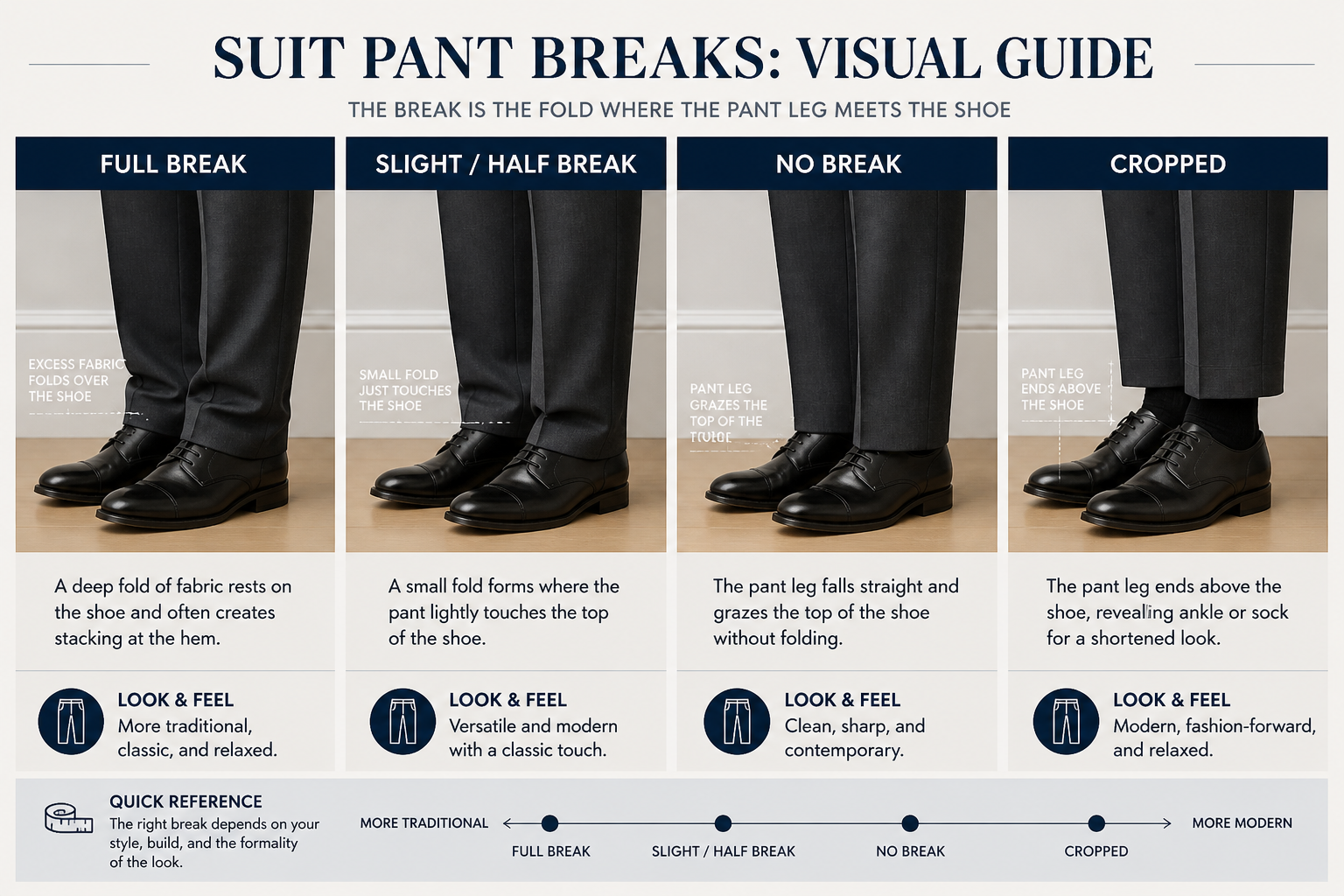
Pants that drag on the floor ruin the silhouette. A properly shortened inseam ensures a clean break over the shoe.
Measure the Correct Inseam Length
- Wear the shoes you’ll wear with the tuxedo
- Put on the pants and mark the desired length with chalk
- Allow for a single or double break—a slight crease at the front of the shoe is ideal
- Measure from the crotch seam to the floor to confirm
Never cut more than 1 inch without professional help.
Hem Without Damaging the Formal Look
• Preserve the original hem: Tuxedo pants often have a satin stripe and a double-fold hem
• A tailor will open the hem, trim excess fabric, and re-fold it to match the original
• Uses hand-stitching or blind hemming for an invisible finish
DIY hemming risks visible stitches or uneven edges—best left to experts.
Avoid Hem Tape on Tuxedo Pants
While fusible webbing works for casual pants:
• It can leave residue or stiffen the fabric
• May not hold under heat or movement
• Looks unprofessional if visible
Stick to sewn hems for formal wear.
Slim Down Thighs and Calves for a Sleek Silhouette

Loose legs break the sharp line of a tuxedo. Targeted adjustments can refine the fit without altering the overall structure.
Take In the Side Seams
For baggy thighs or calves:
• A tailor opens the side seams and removes a narrow strip of fabric
• Re-stitches with matching thread to blend with original seams
• Presses the new seam flat for a seamless look
This maintains the pant’s structure while slimming the leg.
Add Darts for Minor Tapering
If only the upper thigh is loose:
• A tailor adds a small dart from the hip to mid-thigh
• Flattens excess fabric without altering the inseam
• Ideal for vintage or high-waisted tuxedos
Darts are less invasive than full seam adjustments.
Never Alter Front or Back Panels
Avoid cutting:
• The front crease
• The back yoke
• Any area with pockets, pleats, or stripes
These changes disrupt symmetry and may void rental agreements or devalue vintage pieces.
Use Discreet Support Systems for Rental Pants
When alterations aren’t allowed—especially with rentals—internal aids can improve fit without permanent changes.
Wear Shapewear for a Smooth Profile
• Tuxedo girdles or slimming shorts: Provide abdominal and hip support
• Create a streamlined shape under tight fabrics
• Prevent bulging at the waist or seat
Choose breathable, seamless styles to avoid visible lines.
Apply Pants Grippers to Prevent Slipping
• Fabric-safe adhesive strips: Stick inside the waistband to prevent slipping
• Silicone grippers: Attach to the inner waistband and grip your shirt
• Ideal for smooth fabrics like polyester that slide easily
Remove gently to avoid damaging delicate linings.
Follow Formal Fit Standards for a Polished Appearance
A well-fitted tuxedo pant should feel secure, look sharp, and move with you.
Sit at the Natural Waist
• The waistband should rest at your narrowest point, above the hips
• Not too high (under the ribs) or too low (on the hips)
• Allows room for a shirt tuck without pulling
Ensure a Clean Front Drape
• No horizontal wrinkles at the waist
• Fabric lies flat when standing
• Minimal tension across the thighs
If the front pulls or bunches, the pants are too tight.
Test the Final Fit
After any adjustment:
• Walk, sit, and stand to check comfort
• Confirm the hem doesn’t drag
• Verify the waist stays in place without a belt (if no belt loops)
A perfect fit feels secure but never restrictive.
Avoid These Common Adjustment Mistakes
Even small errors can ruin your look. Steer clear of these pitfalls.
Never Cut Without Measuring Twice
• Always mark and recheck inseam length
• Use pins or chalk—never scissors—until you’re certain
Don’t Alter Rented Tuxedos Yourself
• Rental companies charge for damaged or altered garments
• Use buckle adjustments or grippers instead
• Report fit issues to the rental shop—they may offer free tweaks
Preserve Original Details
• Keep satin stripes, linings, and hems intact
• Match thread color and stitch style in repairs
• Store extra fabric and buttons in case of future fixes
Key Takeaways for Adjusting Tuxedo Pants
Whether you’re preparing for a wedding or a black-tie gala, a well-fitted tuxedo pant makes all the difference. Stick to buckle adjustments and grippers for rentals, and invest in professional tailoring for personal tuxedos. Always test the fit with your full outfit, and never compromise the garment’s original details. With the right approach, you can achieve a custom-like fit that looks sharp and feels comfortable.
For last-minute fixes, focus on waistband symmetry and hem length—these two areas have the biggest visual impact. And remember: when in doubt, consult a tailor. A few expert stitches now prevent wardrobe disasters later.
Frequently Asked Questions About Adjusting Tuxedo Pants
Can I hem tuxedo pants myself?
Yes, but only for minor adjustments. Use a needle and thread to create a blind hem, preserving the original fold and satin stripe. For best results, especially with formal wear, hire a professional tailor to avoid visible stitches or fabric damage.
How much can a tailor take in tuxedo pants?
Most tailors can safely take in the waist by 1–2 inches. Beyond that, the structure may be compromised. Side seams can often be adjusted by up to 1 inch per leg for thigh or calf tapering.
Do tuxedo pants have to touch the shoes?
No. Tuxedo pants should have a slight break—either single or double—over the front of the shoe. They should never pool on the floor or hover above it. The ideal length creates a clean, vertical line from hip to ankle.
Can I use a belt with tuxedo pants?
Yes, if the pants have belt loops. Use a slim, formal belt in black or satin to match the tuxedo. However, traditional tuxedo pants rely on side buckles, so a belt should complement, not replace, proper fit.
What should I do if rental tuxedo pants are too big?
Use the side buckles to tighten the waist. For minor slippage, apply pants grippers or wear shapewear. Never alter rental pants with scissors or glue. If the fit is severely off, contact the rental shop—they may offer free adjustments.
How do I fix tuxedo pants that are too long?
Have them professionally hemmed to preserve the original double-fold hem and satin stripe. If you must DIY, pin the hem first, try on with shoes, and hand-stitch carefully. Avoid cutting too much—start with a small trim.


